

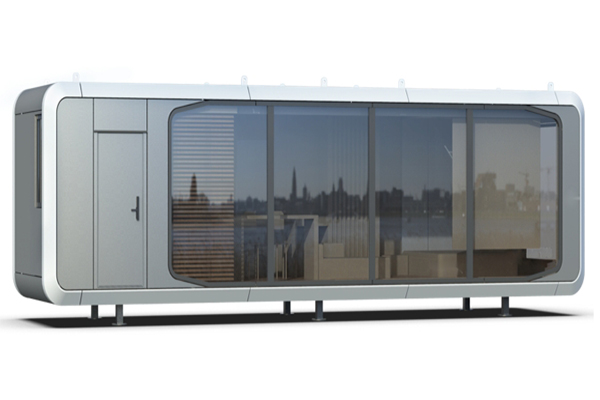

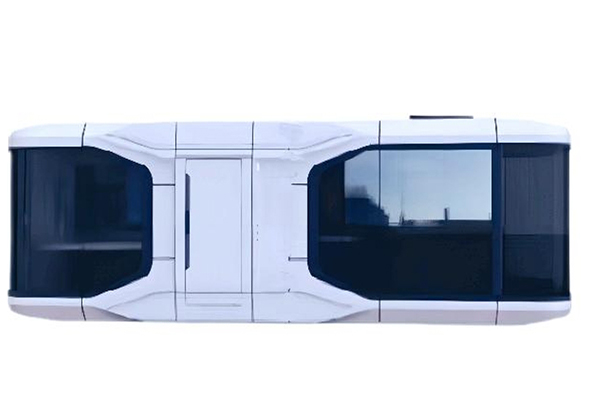
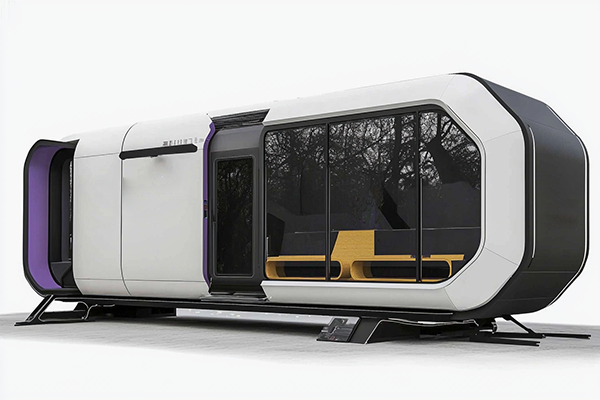
I’ve seen a growing trend in modern living spaces that focus on simplicity, sustainability, and functionality. Among these, the apple cabin house stands out as a unique solution. Designed to blend seamlessly with nature, it offers a perfect balance of style and practicality. The Space D1 Apple Cabin House exemplifies this innovation, providing a serene yet productive environment for work or relaxation.
Key Takeaways
Apple cabin houses mix modern style with nature. They provide a cool and useful place to live.
These cabins save energy by using green power and earth-friendly materials. This helps protect the environment.
You can customize apple cabin houses to match your needs and likes.
Features of an Apple Cabin House
Unique Architectural Design
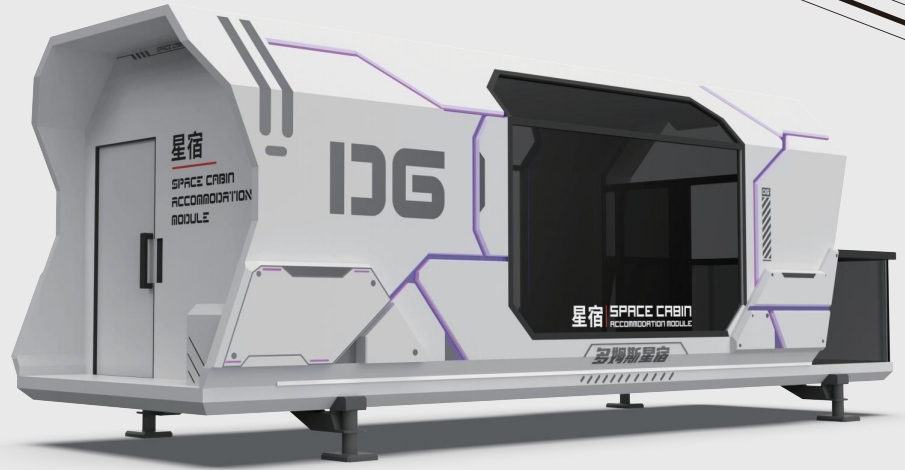
The architectural design of an apple cabin house stands out for its ability to merge modern aesthetics with natural surroundings. I’ve noticed how these cabins often feature clean lines, large windows, and minimalist structures that create a seamless connection with the environment. The Space D1 Apple Cabin House, for instance, exemplifies this approach. Its sleek design not only enhances visual appeal but also ensures functionality. The use of open layouts and strategic window placement maximizes natural light, creating a bright and inviting atmosphere.
Space Optimization and Functionality
Space optimization is a hallmark of the apple cabin house. Every square foot is utilized to its fullest potential, ensuring no area goes to waste. Research highlights the importance of efficient layouts in enclosed spaces. For example:
Optimizing seating arrangements can reduce risks, such as infection spread, by up to 37.47%.
Window-side placements offer better safety and comfort compared to aisle or middle areas.
These principles translate well into cabin design. By incorporating multi-functional furniture and clever storage solutions, these cabins provide a comfortable living experience without compromising on space.
Use of Natural and Eco-Friendly Materials
The use of natural materials in an apple cabin house significantly reduces its environmental footprint. I’ve seen how materials like reclaimed wood, stone, and clay not only enhance the cabin’s aesthetic but also improve its sustainability. Studies show that reclaimed wood minimizes energy consumption and waste, while natural stone offers superior thermal insulation. These choices contribute to lower energy use and a healthier indoor environment, making the cabins eco-friendly and sustainable.
Energy Efficiency and Sustainability
Energy efficiency is another defining feature of an apple cabin house. These cabins often incorporate advanced insulation techniques, energy-efficient windows, and renewable energy sources like solar panels. This reduces energy consumption and promotes sustainability. The Space D1 Apple Cabin House, for example, uses eco-friendly construction methods to ensure minimal environmental impact. By prioritizing energy efficiency, these cabins provide a comfortable living space while supporting a greener future.
Types of Apple Cabin Houses
Compact Cabins for Small Spaces
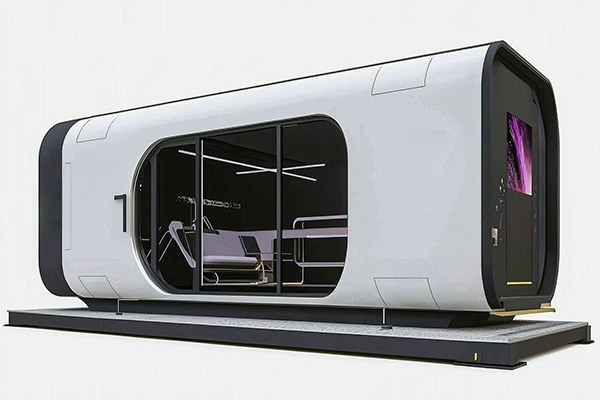
Compact cabins are perfect for those who want to maximize functionality in limited spaces. I’ve observed that these cabins are designed to be both cost-effective and efficient. For instance, the cost of tiny houses typically ranges from $20,000 to $80,000, with monthly utility expenses averaging around $125. Annual maintenance costs are approximately $775, making them a budget-friendly alternative to traditional homes, which often come with higher utility bills and maintenance costs. These cabins are ideal for individuals or couples seeking a minimalist lifestyle without compromising on comfort.
Family-Sized Cabins
Family-sized cabins cater to larger households, offering ample space for everyone. These cabins often feature multiple bedrooms, open living areas, and functional kitchens. I’ve seen how their designs prioritize comfort and practicality, making them suitable for families who value togetherness. Customization options, such as adding extra rooms or outdoor decks, allow families to create a space that meets their unique needs. These cabins provide a perfect blend of coziness and functionality, ensuring a comfortable living experience for all family members.
Luxury Cabins with High-End Features
For those seeking luxurious accommodations, high-end Apple Cabin Houses deliver an unparalleled experience. These cabins boast premium materials, modern designs, and state-of-the-art amenities. Features like smart home technology, spa-like bathrooms, and gourmet kitchens elevate the living experience. I’ve noticed that these cabins often include large windows and outdoor spaces, allowing residents to enjoy breathtaking views in style. The combination of luxury and functionality makes these cabins a top choice for those who desire a sophisticated yet comfortable retreat.
Purpose-Built Cabins (e.g., home offices, retreats)
Purpose-built cabins are tailored to specific needs, such as home offices, creative studios, or personal retreats. I’ve found these cabins to be incredibly versatile, offering a dedicated space for work or relaxation. Their designs often include features like soundproofing, ergonomic furniture, and ample natural light to enhance productivity. Whether used as a remote workspace or a serene getaway, these cabins provide a focused and inspiring environment. Their adaptability makes them a valuable addition to any property.
Note: Apple Cabin Houses are highly customizable, with options for color, size, and style. The table below highlights some key attributes:
Key Considerations for Apple Cabin Houses
Materials and Build Quality
I’ve always believed that the foundation of any cabin lies in its materials and construction quality. Apple Cabin Houses prioritize durability and efficiency by incorporating advanced building techniques and high-quality components. For example:
Insulation: 3" pink foam insulation in basement walls and blown cellulose insulation in the roof ensure temperature stability.
Thermal Mass: 8" pine D-logs provide excellent thermal mass, maintaining a consistent indoor climate.
Plumbing: PEX material offers freeze resistance, reducing maintenance concerns.
Heating Systems: Free-standing wood burners and propane heaters keep the cabin warm during winter months.
These features not only enhance comfort but also contribute to long-term reliability. I’ve noticed that such thoughtful material choices make Apple Cabin Houses a sustainable and low-maintenance option for modern living.
Customization and Personalization Options
Apple Cabin Houses offer endless possibilities for customization. I’ve seen homeowners tailor their cabins to reflect their unique preferences, whether it’s choosing specific materials, layouts, or design styles. Customization options include:
Interior Design: Select from minimalist, rustic, or modern aesthetics.
Functional Features: Add smart home technology, ergonomic furniture, or outdoor decks.
Color and Size: Adjust dimensions and finishes to suit personal tastes.
These options allow you to create a space that aligns perfectly with your lifestyle. I’ve found that this flexibility makes Apple Cabin Houses ideal for diverse applications, from family homes to creative studios.
Location and Site Preparation
Choosing the right location and preparing the site are crucial steps in cabin construction. I’ve learned that site preparation involves leveling the ground, installing utilities, and ensuring proper drainage. Here’s a breakdown of associated costs:
Proper site preparation ensures the cabin remains stable and functional for years. I always recommend evaluating the terrain and accessibility before construction begins.
Energy Efficiency and Eco-Friendly Features
Energy efficiency plays a vital role in Apple Cabin Houses. I’ve seen how renewable energy sources, such as solar panels, reduce environmental impact while lowering utility costs. Eco-friendly designs integrate sustainable materials and advanced insulation techniques to minimize energy consumption. Studies highlight that energy-efficient practices reduce CO2 emissions and promote a greener future.
Apple Cabin Houses embody these principles by optimizing land, water, and energy use. I’ve noticed that their designs mimic natural systems, creating a harmonious balance between functionality and sustainability. This approach not only benefits the environment but also enhances the overall living experience.
Cost of Apple Cabin Houses
Construction and Setup Costs
The construction and setup costs of Apple Cabin Houses vary depending on size, materials, and customization. On average, these costs align with trends seen in similar housing projects. For instance, multifamily housing construction averages $350 per square foot, with a 100-unit project costing approximately $35 million. Developers have faced rising costs, particularly in affordable housing, where expenses have increased by 30%. This has led to more selective project planning and the need for additional funding sources.
A breakdown of construction costs reveals the following distribution:
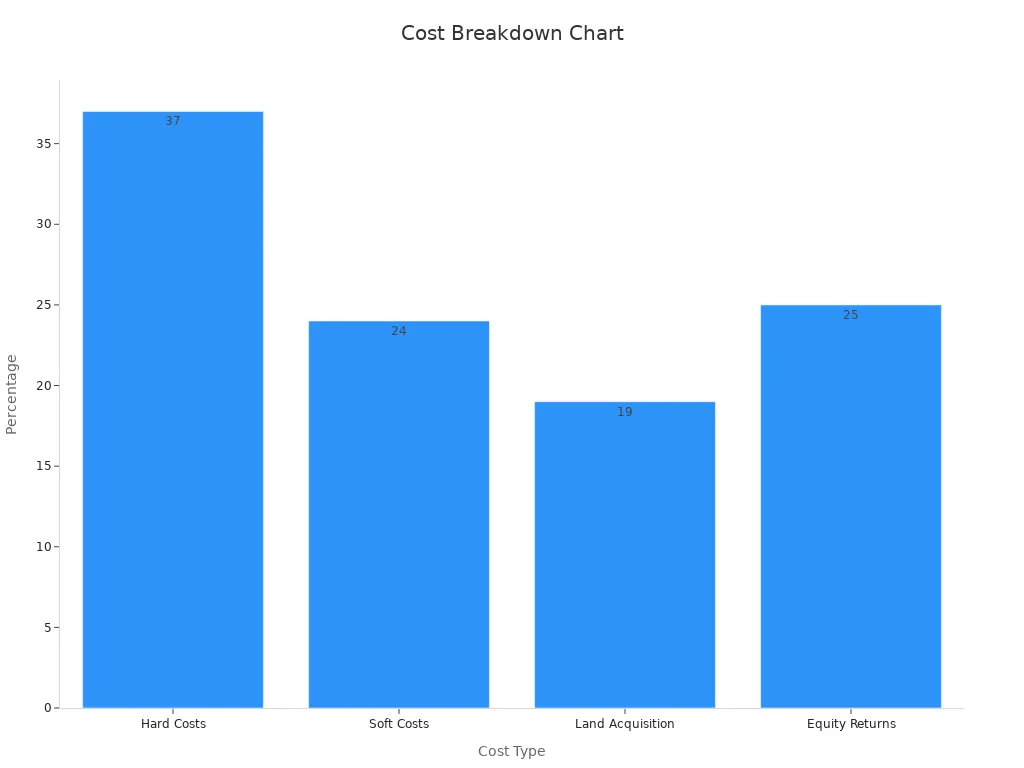
These figures highlight the importance of careful budgeting and planning when investing in an Apple Cabin House.
Furnishing and Interior Design
Furnishing and interior design play a significant role in enhancing the comfort and appeal of Apple Cabin Houses. I’ve noticed that many homeowners opt for minimalist or modern styles to complement the cabin’s sleek architecture. High-quality furniture, ergonomic layouts, and smart home technology can elevate the living experience. For luxury cabins, premium materials like leather, marble, and hardwood are popular choices. These elements not only enhance aesthetics but also add long-term value to the property.
Maintenance and Upkeep
Maintenance costs for Apple Cabin Houses are relatively low due to their durable construction and eco-friendly materials. Regular upkeep includes cleaning, minor repairs, and seasonal inspections. Features like PEX plumbing and advanced insulation reduce the likelihood of major issues, keeping maintenance manageable. On average, annual maintenance costs for compact cabins range from $500 to $1,000, depending on location and usage. This makes them an economical choice for long-term living.
Additional Expenses (e.g., permits, utilities)
Additional expenses can include permits, site preparation, and utility connections. These costs vary based on location and local regulations. Common expenses include:
Permits and fees
Site preparation
Transportation
Inspection
Land acquisition
Proper planning and consultation with professionals can help minimize unexpected costs. For off-grid cabins, renewable energy systems like solar panels may require an initial investment but offer significant savings over time.
Benefits of Apple Cabin Houses
Aesthetic Appeal and Modern Design
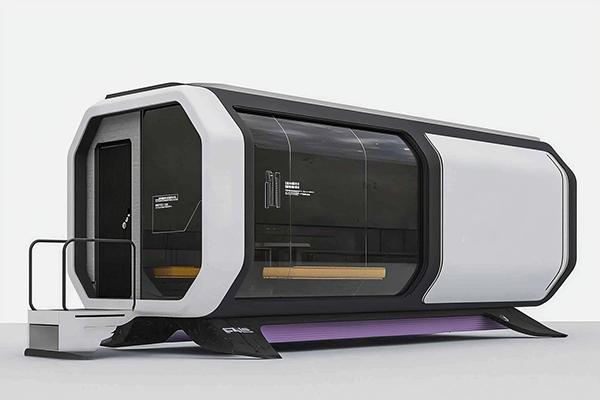
Apple cabin houses offer a unique blend of modern design and natural aesthetics. Their sleek architecture, large windows, and minimalist layouts create a visually appealing structure that complements any environment. I’ve noticed how these cabins seamlessly integrate with their surroundings, enhancing the overall charm of the property. The Space D1 Apple Cabin House, for example, exemplifies this balance by combining functionality with style. Whether nestled in a forest or placed in a backyard, these cabins elevate the visual appeal of any location.
Versatility for Various Uses
The versatility of apple cabin houses makes them a practical choice for diverse needs. I’ve seen them used as home offices, creative studios, vacation retreats, and even guest accommodations. Their customizable designs allow homeowners to tailor the space to their specific requirements. For instance, adding soundproofing and ergonomic furniture transforms a cabin into a productive workspace. Alternatively, incorporating outdoor decks and cozy interiors creates a perfect weekend getaway. This adaptability ensures that an apple cabin house can serve multiple purposes, making it a valuable investment.
Energy Savings and Sustainability
Energy efficiency is a standout feature of apple cabin houses. These cabins often incorporate advanced insulation, energy-efficient windows, and renewable energy sources like solar panels. I’ve observed how these features significantly reduce energy consumption, leading to lower utility bills. Studies show that energy-efficient homes sell for 2.7% more than standard homes and add an average of $8,246 to their value. Additionally, 90% of homebuyers prefer properties with energy-saving features. This focus on sustainability not only benefits the environment but also enhances the cabin’s market appeal.
Potential for Rental Income or Resale Value
Apple cabin houses also offer excellent financial potential. Their affordability and high demand make them ideal for rental properties or resale. I’ve seen how their modern design and eco-friendly features attract renters and buyers alike. For luxury cabins, the appeal is even greater, as they cater to those seeking premium accommodations. The construction efficiency and cost reduction associated with these cabins further enhance their profitability.
These factors make apple cabin houses a smart choice for those looking to generate income or secure a high resale value.
Practical Aspects of Apple Cabin Houses
Zoning and Building Regulations
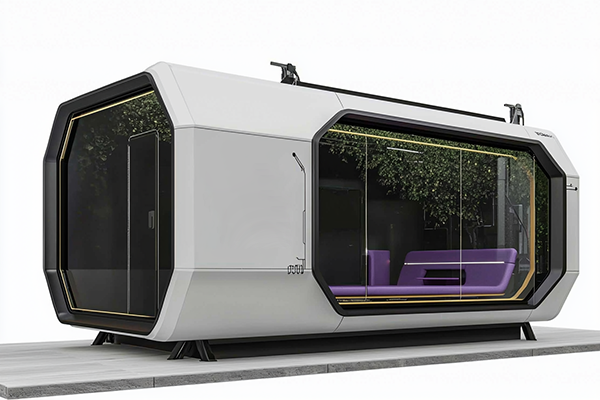
Understanding zoning and building regulations is essential when planning an Apple Cabin House. I’ve learned that local laws often dictate where and how these cabins can be constructed. Zoning laws determine the type of structures allowed in specific areas, while building codes ensure safety and compliance. For example, some regions may restrict cabin sizes or require specific permits for off-grid installations. Consulting with local authorities early in the process helps avoid delays and ensures the project aligns with legal requirements.
Utility Connections and Off-Grid Options
Utility connections play a critical role in making an Apple Cabin House functional. I’ve seen how modern cabins integrate seamlessly with existing utility grids or operate independently using off-grid solutions. Renewable energy systems, such as solar panels and biomass generators, provide sustainable power options. The table below highlights studies exploring the feasibility of off-grid energy systems:
These innovations make it possible to enjoy a comfortable lifestyle while reducing environmental impact.
Long-Term Maintenance
Long-term maintenance ensures the durability and functionality of an Apple Cabin House. I’ve noticed that these cabins require minimal upkeep due to their high-quality materials and efficient designs. Regular tasks include inspecting insulation, cleaning solar panels, and checking plumbing systems. Using durable materials like PEX for plumbing and advanced insulation reduces the likelihood of costly repairs. Scheduling seasonal inspections keeps the cabin in excellent condition, ensuring it remains a reliable and sustainable living space.
Market Demand and Investment Potential
The market demand for Apple Cabin Houses continues to grow, driven by their versatility and eco-friendly appeal. I’ve observed that these cabins attract a wide range of buyers, from minimalists to luxury seekers. Their affordability and energy efficiency make them a smart investment. Additionally, their potential for rental income or resale value enhances their financial appeal. With increasing interest in sustainable living, Apple Cabin Houses represent a promising opportunity for both personal use and investment.
Apple Cabin Houses redefine modern living with their unique designs, eco-friendly materials, and energy-efficient features. Their versatility makes them ideal for various uses, from serene retreats to productive workspaces.
The Space D1 Apple Cabin House stands out as a perfect example of innovation and functionality.
I encourage you to explore these cabins for your next lifestyle upgrade or creative project.
FAQ
What makes the Space D1 Apple Cabin House unique?
The Space D1 Apple Cabin House combines modern design with eco-friendly materials. Its compact size and functionality make it ideal for work, relaxation, or retreats.
Can I customize my Apple Cabin House?
Yes, customization options include size, color, and interior design. You can tailor it to suit your needs, whether for a home office or a luxurious shopping destination retreat.
How long does it take to set up an Apple Cabin House?
Setup time varies based on size and location. On average, it takes a few weeks, including site preparation and installation.