

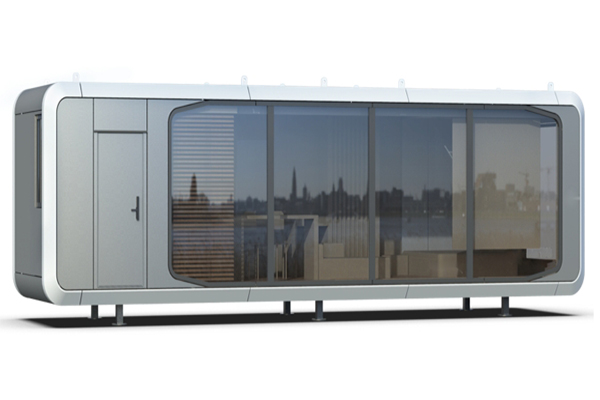

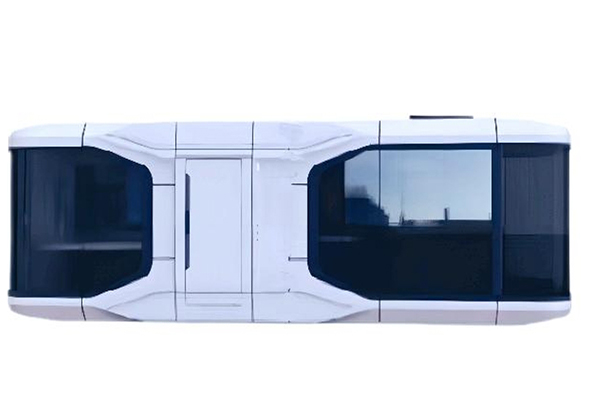
Could a space capsule house help fix the housing problem? These small, modern homes give cheaper choices for today’s living. Capsule houses usually cost less than regular homes, so they are useful. The global capsule hotel market might grow 8.8% each year from 2025 to 2030. Their low cost and growing popularity make them more attractive.
Key Takeaways
Space capsule houses are a cheaper way to live. They cost between $50,000 and $150,000, which is good for people on a budget.
These houses are good for the environment. They use eco-friendly materials and save energy, helping to cut down on utility costs.
Buying a capsule house can help you earn money by renting it out. This works well in places where many people want to live.
What Makes a Space Capsule House Unique?
Defining a Space Capsule House
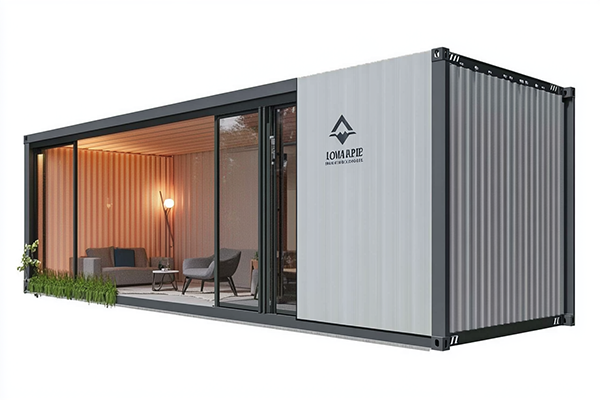
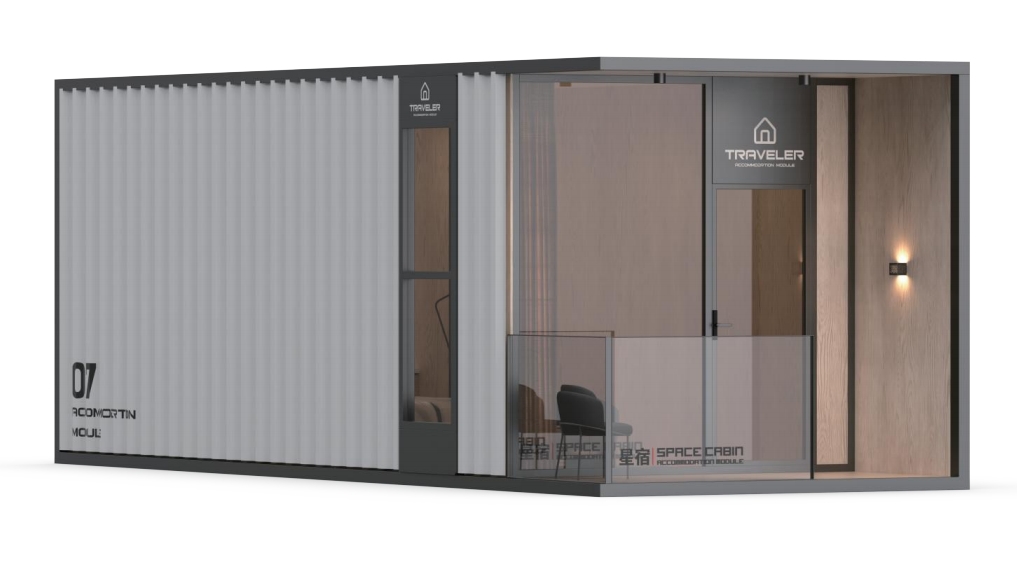
A space capsule house is a new type of home. It is built to use space smartly in small areas. These tiny homes are made in parts, so moving them is easy. They have strong steel frames, making them sturdy and long-lasting. The walls are insulated with steel plates and special boards or wool. This keeps the house warm or cool, saving energy. Strong materials and clever designs make these homes great for people wanting cheap and eco-friendly living spaces.
The Appeal of Space Capsule Houses
Capsule houses are becoming popular for solving city housing problems. They are cheaper, so people with less money like them. They cost less than normal flats and save on bills because they are small and efficient. More people want capsule houses as they look for affordable ways to live. These small homes also attract those who like simple living. Their special design and usefulness make them a great choice for modern life.
Who Benefits Most from This Housing Option?
Space capsule houses are helpful for many people. City residents with high rent costs find them cheaper. Students and young workers like their low price and small size. Older people who want smaller homes enjoy their simplicity. People who care about the environment also like their green materials and energy-saving designs. Whether you need a practical home or want a simple life, these houses work well for different needs.
Understanding the Rising Cost of Capsule Houses
Average Price Ranges and Variations
The cost of a space capsule house can differ a lot. Basic models with simple features cost between $50,000 and $150,000. These are great for people wanting affordable homes that still work well. Fancy capsule houses with modern gadgets and stylish designs cost more than $150,000.
But the base price is not the only expense. You also need to pay for land, setup, and permits. For example, getting the land ready and getting approvals can add thousands more to your budget.
Knowing these costs helps you plan better and avoid surprises.
Comparing Capsule Houses to Traditional Housing Costs
Capsule houses usually cost less than regular homes. The average cost per square foot for a capsule house is $150, while it’s $175 for a normal house. A basic capsule house costs $20,000 to $50,000. Bigger or fancier ones cost $50,000 to $100,000. In comparison, a regular single-family home costs about $300,000.
Capsule houses are 10-15% cheaper than regular homes.
Prices for capsule houses range from $50,000 to $150,000.
Regular single-family homes cost around $300,000 in the U.S.
This makes capsule houses a good choice for saving money.
Hidden Costs to Consider (e.g., utilities, maintenance)
Capsule houses are cheaper, but hidden costs can add up. These include things like utilities, maintenance, and setup. For example, connecting water, electricity, and sewage can be expensive. Moving the house to your land and using a crane to set it up also costs money.
You also need to think about maintenance costs. Even though capsule houses are strong, they still need care to stay in good shape. These extra costs show why planning is important when choosing this type of home.
Key Factors That Affect Housing Costs
Location and Land Prices
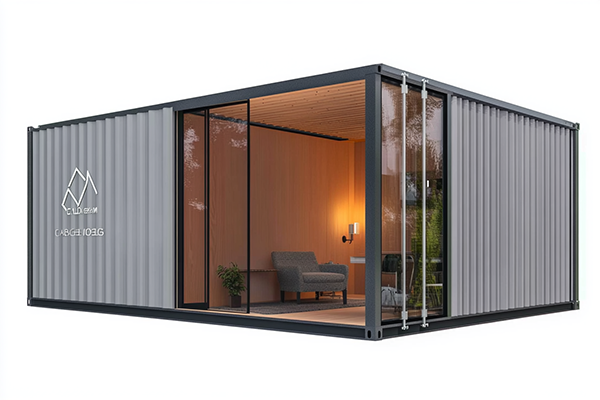
Where capsule houses are built affects how much they cost. In crowded cities, land is expensive because there’s not much of it. For example, in Singapore, land costs between $1,500 and $2,000 per square foot. Cities like Tokyo and New York have many workers and commuters, so housing demand is high. Being close to public transport also raises land prices. In Seoul, land near subway stations costs 40% more but is more popular for living.
Size, Design, and Customisation
The size and design of capsule houses change their price. Bigger homes or ones with fancy designs cost more. Adding custom features like luxury finishes or smart gadgets also raises the price. Choosing a simple design keeps costs lower while still being affordable.
Bigger homes cost more money.
Fancy designs and custom features increase the price.
Materials and Eco-Friendly Features
Capsule houses often use green materials to save money and energy. These materials lower energy bills and need less upkeep. For example, eco-friendly insulation keeps homes warm or cool and reduces costs. Choosing sustainable designs helps the planet and saves money over time. Capsule houses with these features are both affordable and eco-friendly.
Smart Technology and Energy Savings
Smart technology in capsule houses helps save money over time. Features like smart lights, automated heating, and solar panels cut energy use. For example, smart lights can save $50 to $150 a year. Solar panels can save up to $1,000 yearly. While these features cost more at first, they lower utility bills later. Home Energy Management Systems (HEMS) also help track and control energy use, making homes cheaper to run.
Evaluating the Investment Potential of a Space Capsule House
Resale Value and Market Trends
Thinking about capsule houses as an investment means knowing their resale value. These homes are becoming more popular because they are cheap and modern. Many people now want small, eco-friendly homes, which has boosted their demand. In cities where housing is expensive, interest in capsule houses is growing quickly.
These homes attract many groups, like young workers, students, and older people. Their green features and low living costs make them appealing. But resale value depends on location, condition, and modern features. Keeping your capsule house in good shape and adding smart technology can make it easier to sell later.
Long-Term Maintenance and Operating Costs
Owning a capsule house comes with regular costs you need to plan for. Maintenance and cleaning usually take up 15% to 25% of the total budget. Older homes or those in tough weather may need more care, raising costs.
Utilities also add to long-term costs. Using solar panels or smart devices can help save money. Even though capsule houses are strong, regular care is needed to keep them working well. Planning for these costs helps make sure your investment stays worthwhile.
Rental Income Opportunities
Capsule houses can earn good rental income, especially in busy areas. Affordable housing rentals bring in about $700 million every year. Housing groups and associations also add to this income.
If your capsule house is in a good spot, you can find renters who want cheap housing. Short-term rentals for students or tourists can also bring steady income. By keeping your property in good condition and advertising it well, you can earn more from rentals.
Risks and Challenges in the Capsule Housing Market
Investing in capsule houses has risks and challenges. Following local building rules can be tricky. Laws and codes differ by area, so you may face legal hurdles.
Building costs are rising, which can make capsule houses less affordable. Relying on specific suppliers for materials or tech can also cause problems. Knowing these risks and planning ahead can help you avoid issues.
By thinking about these points, you can decide if investing in capsule houses is right for you. They offer good chances to earn, but careful planning is key for success.
Practical Tips for Managing Costs and Maximising Value
Picking the Best Location to Save Money
Where you place your capsule house matters for saving money. Cities like New York and Tokyo cost more because land is scarce. Rural areas or less busy places are cheaper and more affordable. Being close to transport and shops also affects demand. Studies show over half of travellers prefer convenience. Homes near attractions have 20% more people staying in them.
Balancing Upgrades with Spending Limits
Adding features to capsule houses makes them better but costs money. You need to pick upgrades that fit your budget. Things like comfy beds and privacy screens make people happy without costing too much. For example, memory foam beds cost $500–$1,000, and LED lights cost $100–$300. Choosing useful and affordable upgrades keeps costs low while improving the home.
Finding Payment Plans and Loans
Paying for capsule houses can be easier with loans or plans. Many buyers use special loans made for modular homes. Look into local grants or housing programmes that support new housing ideas. These options lower upfront costs and make capsule houses affordable for more people.
Using Energy-Saving Features to Cut Costs
Energy-saving features help lower bills in capsule houses. Double-pane windows keep the house warm or cool, saving energy. Solar panels and smart gadgets also reduce energy use. These upgrades cost more at first but save money later.
By following these tips, you can save money and get the most value from your capsule house.
Capsule houses are a cheaper housing choice for many people. Their small size and energy-saving features make them eco-friendly. But their worth depends on your money plans and living needs. Think about the cost, location, and future benefits to see if they suit your goals.
FAQ
How long does a space capsule house last?
Most capsule houses can last 20 to 50 years. Taking good care of them can make them last longer. Strong materials like steel and eco-friendly insulation help them stay durable.
Can you change the design of a space capsule house?
Yes, you can change it. Many companies let you customise your house. You can pick the layout, materials, and smart features to match what you like.
Are space capsule houses safe in bad weather?
Capsule houses are built to handle tough weather. Thick walls and strong frames keep them safe from strong winds, heavy rain, and very hot or cold temperatures.