

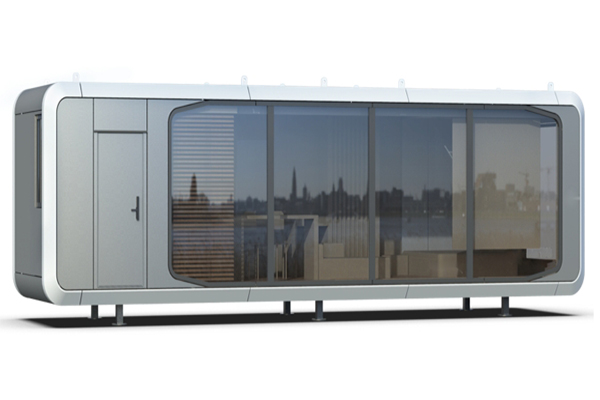

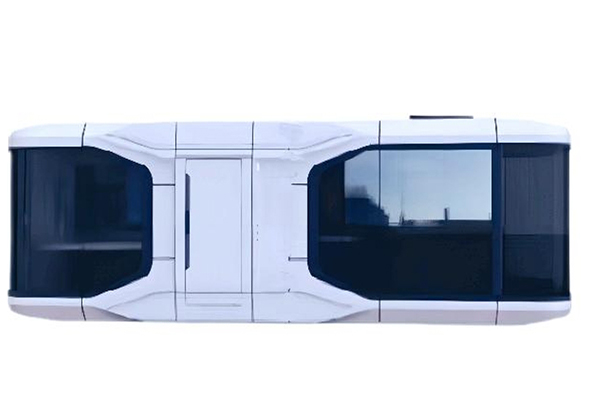
When comparing the costs of traditional homes and the Space Capsule House, I always emphasize the need to look beyond the price tag. Affordability matters, but long-term value and efficiency play equally important roles. Choosing the right home means balancing initial investment with sustainability, comfort, and future benefits.
Key Takeaways
The E9 Space Capsule House is cheaper than regular homes. It costs 35 to 47 percent less per square foot.
Prefab building, like the E9, has fixed prices and schedules. This helps avoid surprise costs and delays.
The E9 Space Capsule House saves energy, lowering utility bills. It is an eco-friendly option for today’s lifestyle.
Understanding Traditional Homes and the E9 Space Capsule House
Defining Traditional Homes
Traditional homes represent the cornerstone of residential living. These structures are typically built on-site using conventional construction methods, such as brick, wood, or concrete. They often reflect regional architectural styles and cater to diverse preferences in size, layout, and design. Traditional homes provide a sense of permanence and stability, making them a popular choice for families and individuals seeking long-term residences. However, their construction process can be time-consuming and subject to unexpected delays or cost overruns due to weather or labor shortages.
What Makes the E9 Space Capsule House Unique?
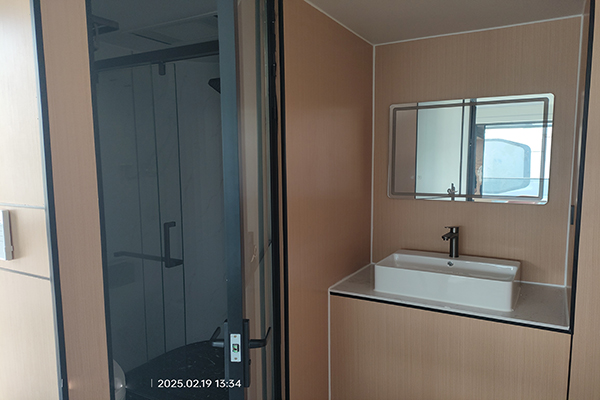
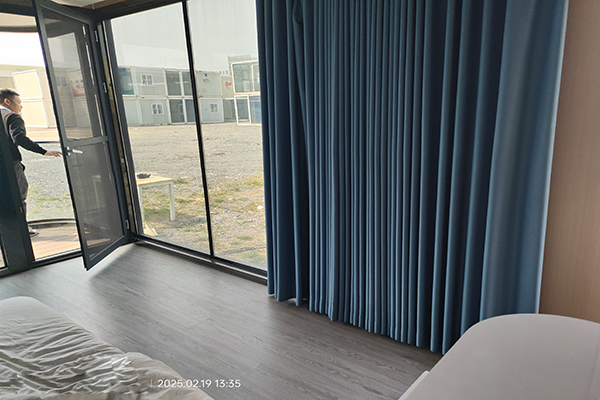
The E9 Space Capsule House redefines modern living with its innovative design and functionality. Manufactured by Lan'en International, this space capsule house combines luxury and practicality in a compact, prefabricated structure. Its sleek, futuristic design maximizes space efficiency, making it ideal for urban environments or mobile living. Unlike traditional homes, the E9 Space Capsule House offers a sustainable and energy-efficient solution, equipped with modern amenities and smart storage options. Its versatility allows it to serve as a vacation home, guest house, or even a unique rental property. The compact size and prefabricated nature of the E9 Space Capsule House also make it easy to transport and install, offering unparalleled convenience.
Prefab vs Traditional Construction: Key Differences
When comparing prefab vs traditional construction, the differences in cost, efficiency, and quality become evident. Prefab construction, like that of the E9 Space Capsule House, offers fixed pricing, reducing the risk of unexpected expenses. Traditional construction, on the other hand, often involves variable pricing, which can lead to budget overruns. Prefab homes benefit from factory-controlled environments, ensuring consistent quality, while traditional construction quality can vary due to on-site conditions. Additionally, prefab construction timelines are predictable, whereas traditional construction may face delays caused by weather or subcontractor availability.
In Spain, for example, the cost of traditional construction ranges from 1,200 to 1,500 euros per square meter, potentially reaching 1,800 to 2,000 euros with additional expenses. Prefab homes, however, cost between 700 and 1,800 euros per square meter, excluding other factors like land and finishes. These differences highlight the affordability and efficiency of prefab construction compared to traditional methods.
Comparing the Initial Price
Purchase Price of Traditional Homes
When I consider the price of traditional homes, I notice significant variation depending on location, size, and materials. In many regions, the price per square foot can range widely. For example, in urban areas, the price often exceeds $200 per square foot, while rural areas may offer lower rates. Traditional construction methods also contribute to higher costs due to labor-intensive processes and the need for specialized contractors. These factors make traditional homes a substantial financial commitment for most buyers.
Purchase Price of the E9 Space Capsule House
The price of a prefabricated house like the E9 Space Capsule House offers a more predictable and often affordable alternative. Prefab construction allows manufacturers to control costs by producing components in a factory setting. The space capsule house, in particular, stands out for its compact design and efficient use of materials. Its price reflects the benefits of streamlined production and reduced labor expenses. This makes it an attractive option for those seeking a modern, cost-effective living solution.
Additional Costs: Land, Permits, and Utilities
Beyond the purchase price, additional costs play a crucial role in determining overall affordability. Traditional construction often requires significant investment in land preparation, permits, and utility connections. These expenses can add tens of thousands of dollars to the final cost. In contrast, the E9 Space Capsule House minimizes these challenges. Its prefab nature and compact size reduce the need for extensive land preparation. This translates to faster installation and lower overall costs, further enhancing its appeal.
Maintenance and Long-term Costs
Maintenance Costs for Traditional Homes
Traditional homes often require significant upkeep over time. I’ve observed that maintenance costs can vary based on the age, location, and materials used in construction. For instance:
The 1% rule suggests setting aside 1% of the home’s purchase price annually for maintenance. For a $300,000 home, this equals $3,000 per year.
Homes older than 30 years or located in humid climates may need up to 3% of their value for annual upkeep.
Newer homes in temperate climates typically align with the 1% guideline, while homes aged 10-20 years might require around 2%.
These recurring expenses include roof repairs, HVAC servicing, and exterior maintenance, which can add up quickly. Traditional homes, while durable, demand consistent attention to preserve their value and functionality.
Maintenance Costs for the E9 Space Capsule House
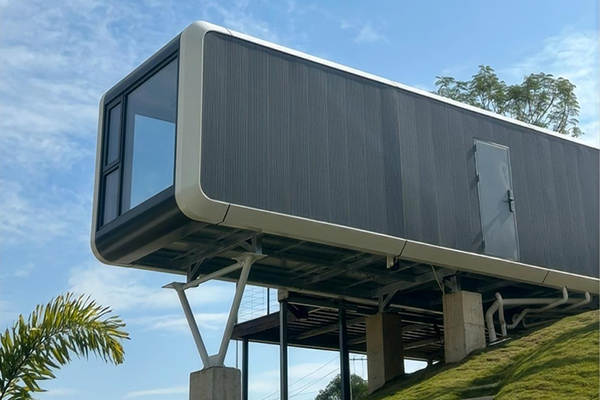
The E9 Space Capsule House offers a refreshing alternative with its prefab design and low-maintenance materials. Its compact structure and modern engineering reduce the need for frequent repairs. Unlike traditional homes, this space capsule house is built with durability and efficiency in mind, minimizing long-term costs. Routine upkeep focuses on simple tasks like cleaning and occasional inspections, making it an ideal choice for those seeking a hassle-free lifestyle. Its prefab construction ensures consistent quality, further enhancing its longevity and reducing unexpected expenses.
Energy Efficiency and Utility Savings
Energy efficiency plays a crucial role in long-term savings. Traditional homes often struggle with energy loss due to outdated insulation or inefficient systems. In contrast, the E9 Space Capsule House excels in this area. Its design incorporates energy-efficient features, such as advanced insulation and smart systems, which significantly lower utility bills.
To illustrate the impact of energy efficiency, consider the following data:
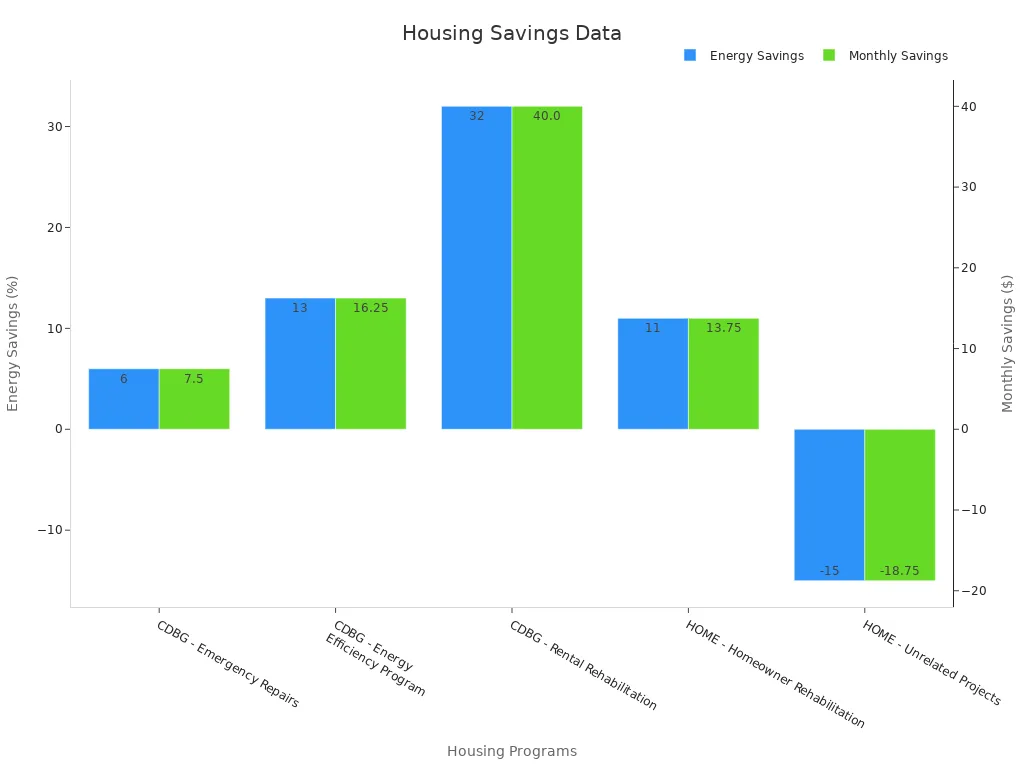
This data highlights the potential savings from energy-efficient housing solutions. The E9 Space Capsule House stands out as a sustainable option, offering both environmental benefits and reduced utility costs.
Customization and Additional Features
Customization Options for Traditional Homes
Traditional homes offer extensive customization opportunities. I’ve seen homeowners personalize every aspect, from architectural style to interior finishes. They can select materials like wood, brick, or stone to match their preferences. Floor plans can be tailored to accommodate specific needs, such as larger kitchens or additional bedrooms. Landscaping adds another layer of personalization, allowing homeowners to create outdoor spaces that complement the home’s design. These options make traditional homes highly adaptable to individual tastes and lifestyles.
Customization Options for the E9 Space Capsule House
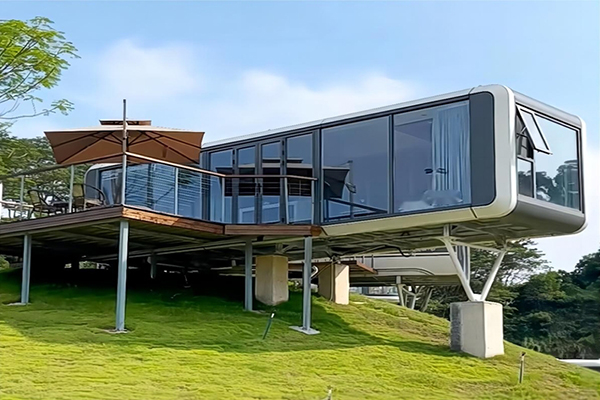
The E9 Space Capsule House provides a modern approach to customization. Its prefab construction allows for modular adjustments, enabling buyers to choose layouts that suit their needs. I’ve noticed that the compact design doesn’t limit creativity. Buyers can select finishes, colors, and furnishings to reflect their style. Smart technology integration enhances personalization, offering features like automated lighting and climate control. This flexibility makes the E9 Space Capsule House a versatile choice for those seeking a unique living experience.
Costs of Adding Features or Upgrades
Adding features or upgrades impacts the cost of both traditional homes and prefab houses. Traditional homes often require significant investment for structural changes or high-end finishes. For example, upgrading a kitchen or bathroom can cost tens of thousands of dollars. In contrast, the E9 Space Capsule House simplifies the process. Prefab construction reduces labor expenses, making upgrades more affordable. Modular components allow for easy installation of features like solar panels or advanced insulation. This streamlined approach minimizes costs while maximizing value.
Value for Money and Efficiency
Affordability and Accessibility
When I compare the affordability of the E9 space capsule house to traditional homes, the difference becomes clear. Manufactured housing, like the E9, costs 35 to 47 percent less per square foot than site-built housing. This significant price advantage makes it an accessible option for many buyers. Traditional homes, while offering customization and permanence, often come with higher upfront costs. These include labor-intensive construction and material expenses.
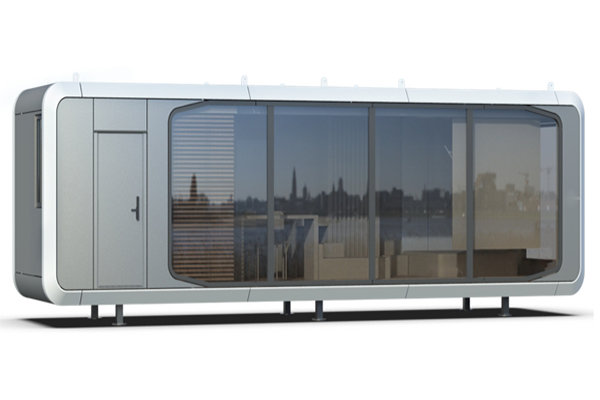
The accessibility of the E9 space capsule house extends beyond its price. Its compact design and prefabricated nature simplify transportation and installation. This makes it an excellent choice for those seeking a modern, cost-effective living solution. In contrast, traditional homes require extensive land preparation and longer construction timelines, which can limit accessibility for some buyers.
Long-term Value and Resale Potential
Long-term value is a critical factor when choosing between housing options. I’ve noticed that traditional homes often hold their value well due to their durability and market demand. However, the E9 space capsule house challenges this norm. Recent studies show that manufactured homes, including prefabricated models, appreciate at rates comparable to site-built homes. This trend highlights the growing acceptance of innovative housing solutions in the real estate market.
The resale potential of the E9 space capsule house also stands out. Its energy-efficient features and modern design appeal to environmentally conscious buyers. Additionally, its versatility as a vacation home or rental property enhances its marketability. Traditional homes, while reliable, may require significant updates to remain competitive in today’s market.
Environmental and Energy Efficiency
Energy efficiency plays a pivotal role in determining long-term savings and environmental impact. Traditional homes often struggle with energy loss due to outdated insulation or inefficient systems. In contrast, the E9 space capsule house excels in this area. Its advanced insulation and smart systems significantly reduce energy consumption, leading to lower utility bills.
I’ve observed that the E9 space capsule house also prioritizes sustainability. Its prefabricated construction minimizes waste, and its compact design reduces the carbon footprint. These features make it an environmentally friendly choice for modern living. By choosing the E9, homeowners can enjoy both financial savings and the satisfaction of contributing to a greener future.
After comparing costs, I see that the E9 Space Capsule House offers affordability, energy efficiency, and modern convenience. Traditional homes provide customization and long-term stability.
Choosing the right home depends on your priorities. Evaluate your budget, lifestyle, and future goals to decide which option aligns best with your needs.
FAQ
What is the lifespan of the E9 Space Capsule House?
The E9 Space Capsule House is built with durable materials. I estimate its lifespan to be comparable to traditional homes, lasting several decades with proper maintenance.
Can the E9 Space Capsule House be relocated?
Yes, the E9 Space Capsule House is designed for mobility. Its compact size and prefabricated structure make transportation and relocation straightforward and efficient.
Is financing available for purchasing the E9 Space Capsule House?
Many financial institutions offer loans for prefabricated homes. I recommend consulting local lenders to explore financing options tailored to your needs.