

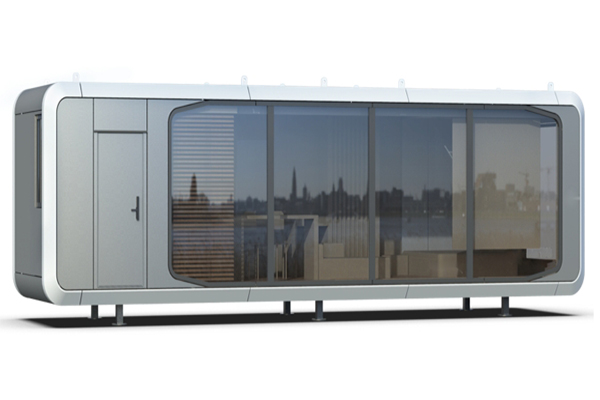

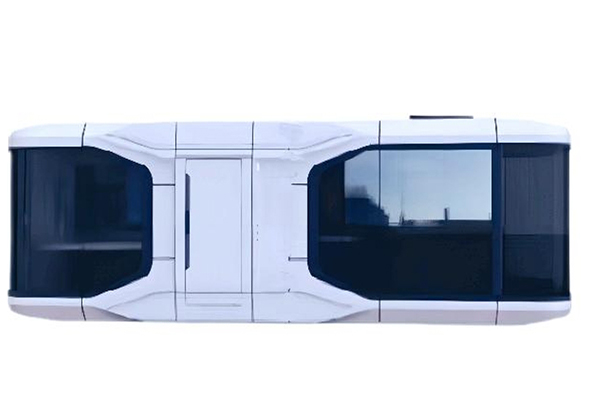
A capsule house is a compact, modular living space designed for efficiency and comfort. It offers affordability, sustainability, and flexibility. At Lan’en International, I specialize in crafting unique capsule houses tailored to your needs. My team ensures high-quality designs and seamless construction, making modern living simple and accessible for everyone.
Key Takeaways
Pick a good spot for your capsule house. Check the land, make sure utilities are available, and follow local rules to prevent problems later.
Design your capsule house to match your needs. Add smart gadgets and personal details to make it cozy and useful.
Take care of your capsule house regularly. Clean it, oil moving parts, and inspect it often to make it last longer.
Planning and Design
Selecting the Installation Site
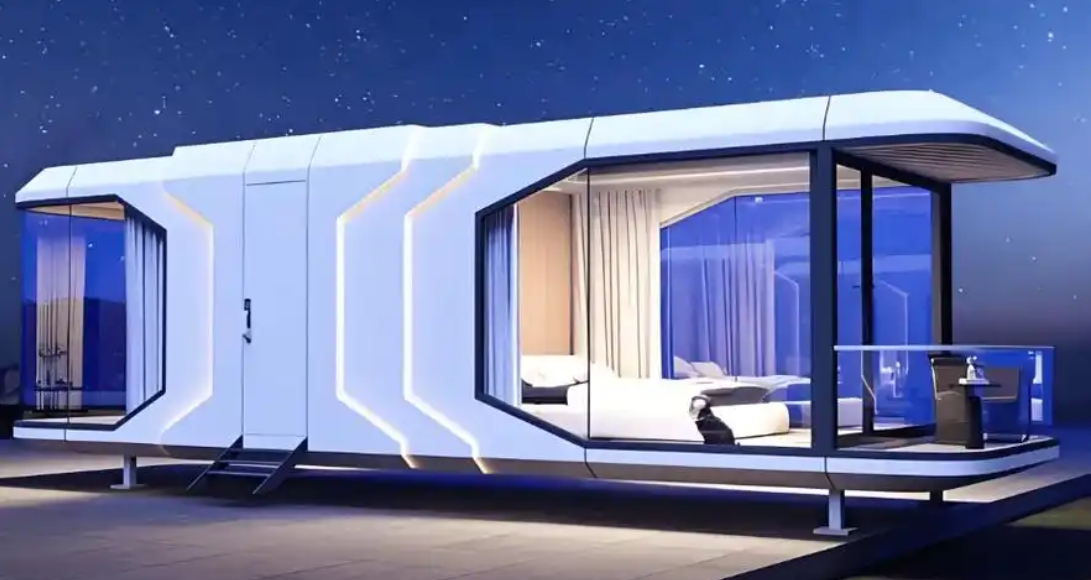
Choosing the right location for your capsule house is crucial. I always start by evaluating the terrain. Stable soil, proper drainage, and minimal erosion risks are essential for a secure foundation. Utility access is another key factor. I ensure water, sewer, and electricity connections are available before installation begins. Local building codes also play a significant role. Consulting with professionals helps me meet all regulatory requirements, avoiding delays or fines.
Obtaining Permits and Approvals
Navigating permits and approvals can feel overwhelming, but I simplify the process for my clients. Each region has unique regulations for capsule houses, so I research local zoning laws and building codes thoroughly. Submitting accurate documentation is critical. I work closely with local authorities to ensure all permits are in place before construction starts. This proactive approach saves time and prevents unexpected issues.
Customization Options for Your Capsule House
One of the most exciting aspects of designing a capsule house is customization. Modular designs allow me to create flexible layouts that adapt to your needs. Smart home technology, like voice-activated assistants and energy-efficient systems, enhances functionality. I also focus on personal touches. From tailored bathroom fixtures to high-quality materials, every detail reflects your preferences. Prefabricated components and eco-friendly features, such as solar panels, further elevate the design while reducing environmental impact.
Building and Installation
Preparing the Foundation for a Capsule House
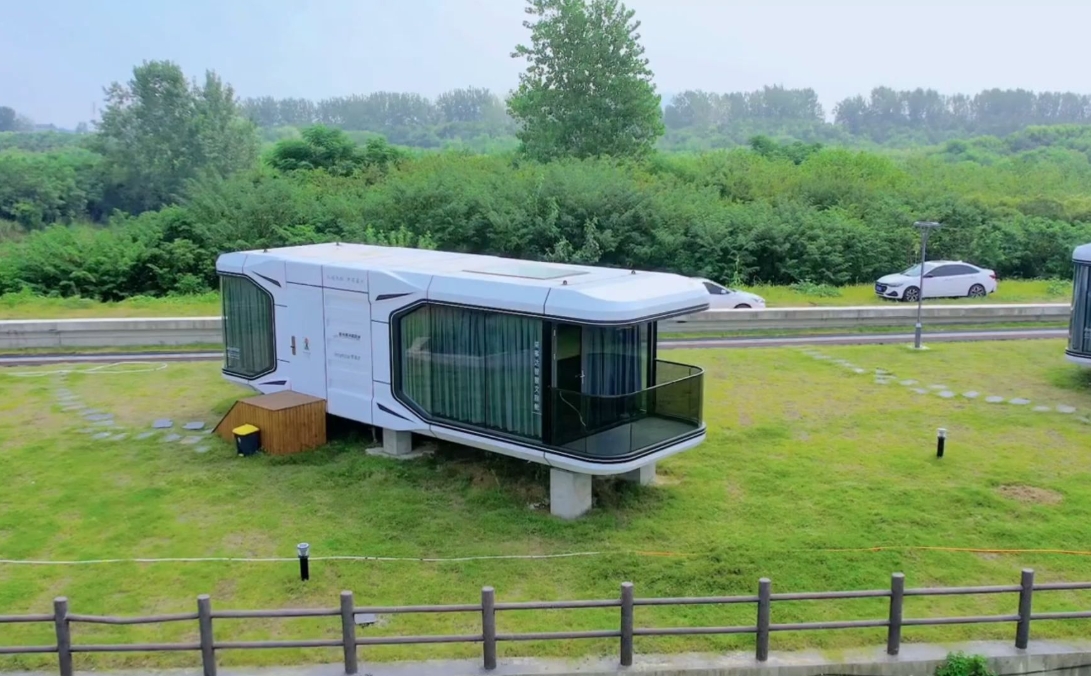
A strong foundation is essential for any capsule house. I always begin by assessing the site to ensure it meets structural requirements. The soil must be stable and compacted to support the weight of the house. Depending on the terrain, I may recommend a concrete slab, pier, or even a raised foundation. Each option offers unique benefits, such as better drainage or cost efficiency.
To streamline the process, I often refer to studies like Offsite Studies - Permanent Modular Construction: Process, Practice, Performance. These studies highlight how modular construction methods outperform traditional techniques in terms of speed and quality. For example, prefabricated bathroom pods can save time during installation, as shown in the document Saving Time with Modular Bathroom Pods. This approach ensures a solid base while reducing construction time.
Delivery and Post-Delivery Inspections
Delivery is a critical phase in the construction process. Before shipping, I ensure each module undergoes a thorough quality check. This includes functional testing of plumbing, electrical systems, and structural components. Upon arrival, I inspect the modules for any damages that may have occurred during transit.
I also conduct a pre-installation inspection to verify the condition of the modules before they are lifted into position. This step ensures accountability and prevents delays. While my team oversees the design and delivery, I always remind clients that post-delivery issues must be addressed promptly to maintain the integrity of the capsule house.
Step-by-Step Installation Process
Installing a capsule house involves several key steps. First, I prepare the site and gather all necessary tools and materials. Next, I oversee the delivery and conduct a post-delivery inspection to confirm that all components are intact. Once the modules are ready, I manage the connection of utilities, including electricity, water, and sewage. This step ensures compliance with local codes and guarantees functionality.
Finally, I perform a comprehensive inspection of the structure. This includes checking the integrity of the foundation, verifying utility connections, and testing safety systems. By following this step-by-step process, I ensure that every capsule house meets the highest standards of quality and safety.
Utility Connections
Connecting Water and Plumbing Systems
Connecting water and plumbing systems in a capsule house requires careful planning. I always follow industry standards to ensure safety and efficiency. For example, the BS 6700:2006 standard provides clear guidelines for designing and installing water supply systems. It emphasizes proper pipe sizing, backflow prevention, and efficient system design. These principles help me create reliable plumbing systems that meet modern needs.
I also inspect the site to determine the best way to connect the house to the local water supply. This includes checking water pressure and ensuring the pipes are compatible with the system. Once the connections are complete, I test the system for leaks and proper flow. This step guarantees that the plumbing works perfectly from day one.
Setting Up Electrical Systems
Setting up electrical systems involves several important steps. I start by evaluating the house's power requirements and comparing them to the available supply. This ensures the system can handle the load without issues. Next, I install wiring, outlets, and circuit breakers according to safety codes. Proper grounding is essential to prevent electrical hazards.
To streamline the process, I follow a structured approach, as shown in the table below:
This method ensures the electrical system is safe, efficient, and ready for use.
Integrating Heating, Cooling, and Ventilation
Heating, cooling, and ventilation systems are vital for comfort. I begin by selecting energy-efficient units that suit the size of the capsule house. Proper placement of vents and ducts ensures even airflow throughout the space. I also integrate smart thermostats to give you precise control over the indoor climate.
During installation, I test each component to confirm it works as intended. This includes checking for proper airflow, temperature regulation, and energy consumption. By focusing on these details, I create a comfortable and sustainable living environment.
Costs and Financing
Cost Breakdown for a Capsule House
Understanding the costs involved in building a capsule house is essential for effective budgeting. The total cost depends on factors like size, materials, and customization. For example, a small urban capsule hotel typically costs between $250,000 and $500,000. Medium-sized capsule hotels in tourist areas may cost around $800,000, while luxury capsule hotels with premium amenities can exceed $1.5 million. These figures provide a general idea of the investment required, but individual projects may vary based on location and design preferences.
Financing and Payment Options
Financing a capsule house can seem daunting, but several options make it manageable. I often recommend exploring these methods:
Personal Loans: These loans are ideal for prefabricated homes and usually require a good credit score. They offer competitive interest rates.
Chattel Mortgages: This option works well for mobile homes not fixed on permanent foundations. It provides quicker approval but often comes with higher interest rates.
FHA and VA Loans: Government-backed loans are excellent for individuals with bad credit or veterans. They may even eliminate the need for a down payment.
Additionally, alternative financing options like specialized tiny home loans can be a great fit for capsule houses. These options ensure flexibility and accessibility for a wide range of budgets.
Additional Fees to Consider
When planning your capsule house project, it’s important to account for additional fees. These may include property taxes, insurance, and utility connection charges. Capsule houses often have lower property taxes due to their smaller size, but this varies by location. Insurance, while essential, may require specialized providers for these unique homes.
To illustrate, here’s a breakdown of estimated costs for different types of capsule hotels:
By considering these additional fees, you can create a more accurate budget and avoid unexpected expenses.
Maintenance and Longevity
Routine Maintenance for a Capsule House
Routine maintenance keeps your capsule house in excellent condition. I recommend focusing on three key areas: cleaning, lubrication, and inspections. Regular cleaning prevents dirt buildup, which can lead to wear and misalignments. I always sanitize surfaces, filters, and electrical components to maintain functionality. Lubricating moving parts like bearings and chains ensures smooth operation. Scheduled inspections help me identify worn components early. Replacing these parts, such as shafts or motors, avoids costly repairs later. By following these steps, I ensure the house remains safe and efficient.
Preventing Wear and Tear
Preventing wear and tear starts with proper usage and care. I advise avoiding overloading storage areas or applying excessive force to fixtures. During product changeovers, I prioritize quality over speed. This approach minimizes stress on structural elements and prevents unplanned downtime. I also recommend using protective coatings on surfaces prone to scratches or moisture damage. These coatings act as a barrier, reducing the impact of daily use. Simple habits like these extend the durability of your capsule house.
Extending the Lifespan of Your Capsule House
Extending the lifespan of your capsule house requires a proactive approach. I schedule regular maintenance checks to address minor issues before they escalate. Upgrading systems, such as installing energy-efficient appliances, improves performance and reduces strain on utilities. I also focus on ventilation to prevent moisture buildup, which can weaken materials over time. By combining these strategies, I ensure the house remains a comfortable and long-lasting living space.
Designing and building a capsule house is a straightforward process when guided by experts. I ensure every step, from planning to installation, meets your expectations. Lan’en International offers unmatched expertise and personalized service. Contact me today to start your journey toward modern, efficient living.
FAQ
What is the average time to build a capsule house?
It usually takes 8–12 weeks to complete a capsule house. This includes design, permits, construction, and installation. Prefabrication speeds up the process significantly.
Can capsule houses withstand extreme weather conditions?
Yes, I design capsule houses to handle various climates. Reinforced materials and insulation ensure durability against wind, rain, and snow. Custom options are available for harsher environments.
Tip: Always discuss your local weather conditions with me during the planning phase. This helps us choose the best materials and design for your area.
Are capsule houses eco-friendly?
Absolutely! I use sustainable materials and energy-efficient systems like solar panels. These features reduce environmental impact and lower utility costs over time. 🌱