

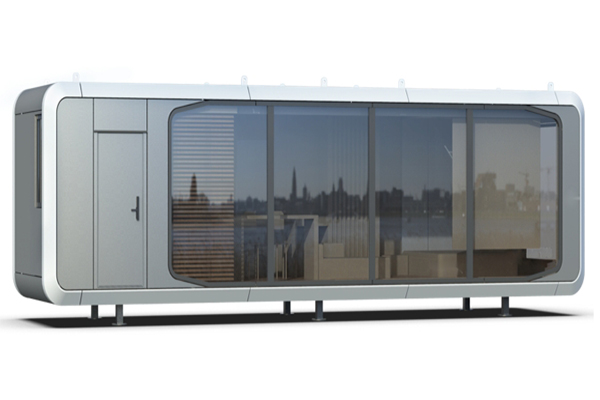

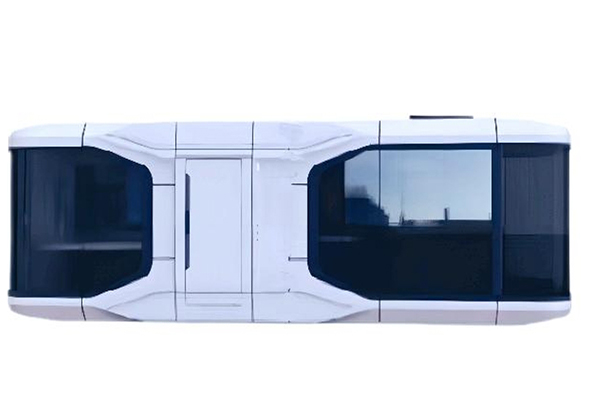
Zoning laws shape where and how we build. When I first explored the idea of space capsule houses, I realized zoning laws could either enable or block these innovative homes. Without proper permits, even the best designs face rejection. Proactive research ensures compliance and avoids costly mistakes.
Key Takeaways
Knowing zoning laws is important for building space capsule homes. These rules decide where and how you can build, affecting your plans.
Check local zoning rules early. This prevents expensive errors and makes sure you follow building rules, saving time and money.
Work with experts like zoning consultants and architects. Their knowledge can make approvals easier and help you succeed.
Zoning Laws and Space Capsule Houses
Defining zoning laws and their purpose
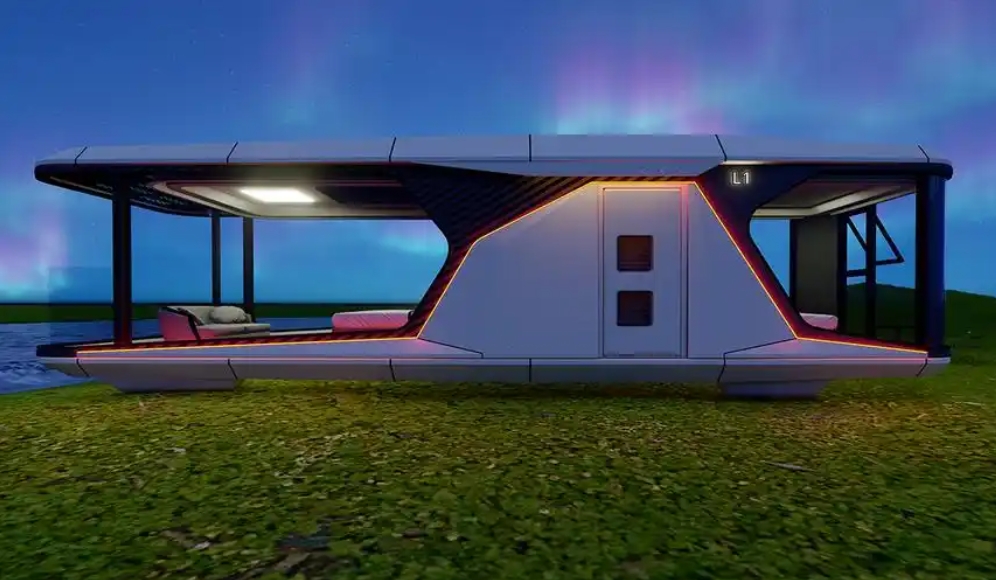
When I first started learning about zoning laws, I realized they serve as the backbone of urban planning. These laws determine how land can be used and help maintain order in growing cities. Their purpose is multifaceted:
Land Use Management: They ensure land is used efficiently and prevent conflicting uses, like placing factories near homes.
Urban Planning: They guide city growth, ensuring infrastructure like roads and utilities keeps up with development.
Community Character: They preserve the look and feel of neighborhoods by regulating building types and densities.
Zoning Categories: These include residential, commercial, industrial, and mixed-use zones, each with specific rules.
Understanding these principles is crucial when considering innovative housing like space capsule houses.
How zoning laws apply to space capsule houses
Space capsule houses challenge traditional housing norms, which means zoning laws often play a critical role in their feasibility. For instance, residential zoning might restrict the size or design of homes, making it difficult to introduce unconventional structures. Mixed-use zoning, on the other hand, could offer more flexibility, allowing these homes to coexist with commercial spaces.
I’ve noticed that zoning laws also impact the affordability of such projects. In areas with strict regulations, the cost of compliance can drive up housing prices. This makes it essential to research local rules before planning a space capsule house.
Zoning categories and their implications for innovative housing
Zoning categories directly influence where space capsule houses can be built. Residential zones often have strict rules about building size and appearance, which might limit creative designs. Commercial and industrial zones, while less restrictive, may not always allow residential use. Mixed-use zones, however, provide a unique opportunity. They combine residential, commercial, and sometimes industrial uses, making them ideal for innovative housing projects.
Statistics show that states with fewer zoning regulations tend to have lower housing costs. Over 35 years, 44 out of 50 states demonstrated that increased land-use regulation correlates with higher home prices. This trend highlights the importance of finding areas with flexible zoning when planning space capsule houses.
Researching Local Zoning Regulations
Identifying your local zoning authority
When I started researching zoning laws, I realized the first step was identifying the right local zoning authority. These authorities oversee land use and enforce zoning regulations. Depending on where you live, this could be a city planning department, a county office, or even a regional council.
To find contact information and resources, I used tools like the Data Catalog, which offers over 240 datasets related to zoning authorities. For example, Los Angeles provides detailed zoning information through its Zoning Search. These resources helped me connect with the right offices and gather the information I needed.
Steps to research zoning laws for space capsule houses
Researching zoning laws can feel overwhelming, but I found breaking it into steps made it manageable:
Research and Collect Data: I started by gathering information about the site. This included reviewing maps, blueprints, and even using tools like Google Street View.
Visit the Site: A physical visit helped me assess the location’s dimensions, accessibility, and surroundings.
Analyze Data: I reviewed zoning regulations, building codes, and permitting requirements to understand what was allowed.
These steps gave me a clear picture of how zoning laws applied to my project.
Questions to ask about local zoning requirements
When I contacted zoning authorities, I prepared a list of questions to ensure I didn’t miss anything. Some key questions included:
What zoning category applies to my site?
Are there restrictions on building size or design?
Do I need a special permit for space capsule houses?
What is the process for applying for variances or exceptions?
Asking these questions helped me avoid surprises and plan effectively.
Permitting Process for Space Capsule Houses
Preparing a permit application
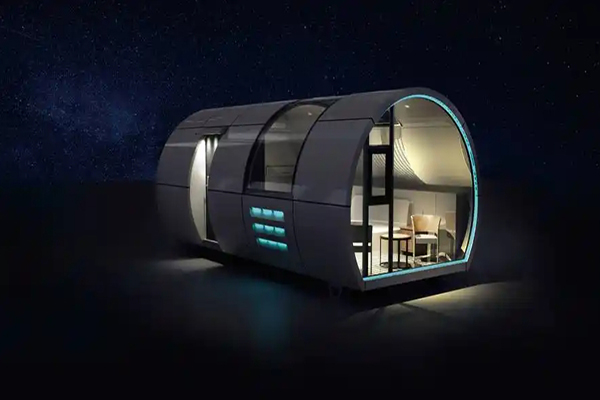
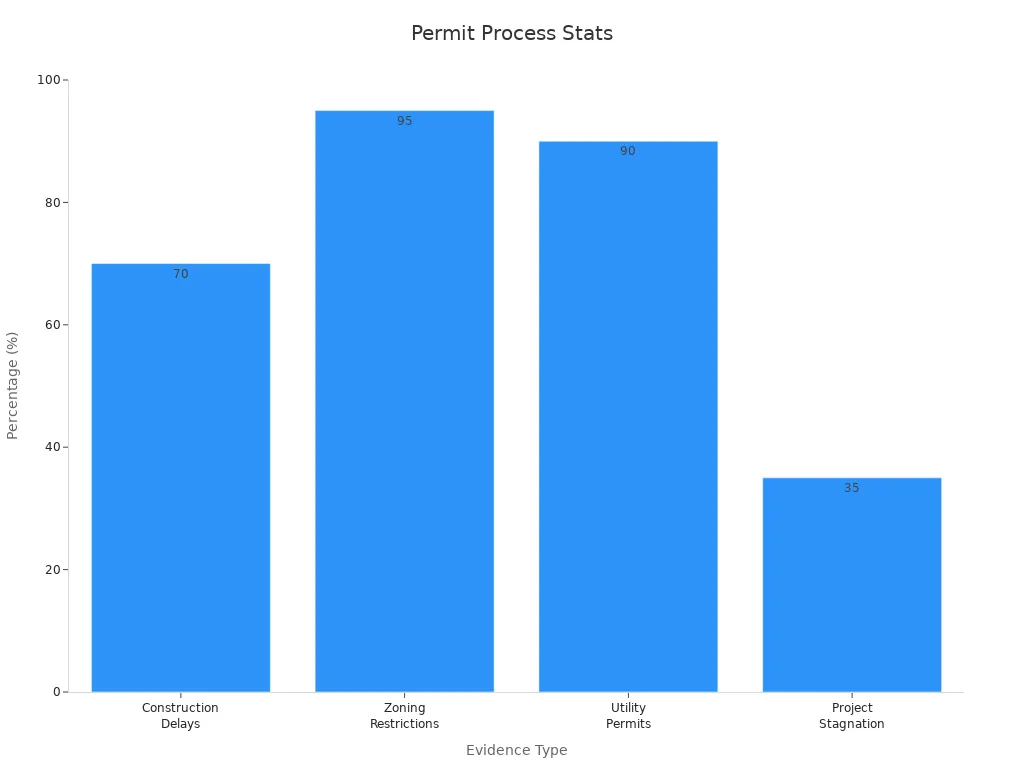
When I prepared my first permit application for a space capsule house, I realized the importance of thorough documentation. Local authorities often require detailed plans, including site maps, architectural designs, and environmental impact assessments. I made sure to include all relevant permits, such as utility permits for electricity and water services. This step helped me avoid construction delays, which affect 70% of projects according to the Association of Home Builders.
I also learned that zoning restrictions impact 95% of construction projects. To address this, I reviewed local zoning laws and ensured my design complied with regulations. Preparing for additional permits related to environmental concerns was another critical step. By organizing these documents early, I streamlined the application process and reduced the risk of stagnation, which halts 35% of building projects.
Navigating zoning hearings and addressing objections
Zoning hearings can feel intimidating, but I found preparation to be the key to success. Before attending, I reviewed potential objections, such as concerns about neighborhood aesthetics or increased traffic. I prepared responses backed by data and visuals, including renderings of the space capsule house design.
During the hearing, I focused on clear communication. I explained how the project aligned with community goals, such as sustainable housing and efficient land use. Addressing objections directly helped build trust with the zoning board and local residents. I also maintained open communication with stakeholders, which expedited the approval process.
Managing appeals and rejections
Rejections happen, but I learned they don’t mean the end of a project. When my application faced rejection, I reviewed the feedback carefully. This helped me identify areas for improvement, such as adjusting the design or providing additional documentation.
Appealing the decision required persistence. I worked with legal experts to draft a compelling case and presented it during the appeal hearing. Collaboration with professionals, including architects and zoning consultants, strengthened my argument. By addressing concerns and demonstrating compliance, I successfully overturned the rejection and moved forward with the project.
Variances and Special Permits for Space Capsule Houses
Understanding variances and when they are required
When I first encountered zoning laws, I realized that not all projects fit neatly into existing regulations. Variances provide a way to work around these restrictions. A variance allows a property owner to deviate from specific zoning requirements, such as building height, setbacks, or lot size. For space capsule houses, variances might be necessary if the design doesn’t align with local zoning codes.
For example, some areas have minimum square footage requirements for residential buildings. Space capsule houses, known for their compact and efficient designs, may fall below these thresholds. In such cases, applying for a variance becomes essential. I learned that variances are typically granted when the project doesn’t harm the public interest and when strict enforcement of the rules would cause unnecessary hardship.
Examples of special permits for space capsule houses
Special permits differ from variances because they allow specific uses of land that zoning laws might not ordinarily permit. For space capsule houses, special permits could include allowances for alternative housing types or eco-friendly construction methods.
I’ve seen cases where local governments issued special permits for innovative housing projects in mixed-use zones. These permits often required the inclusion of sustainable features, like solar panels or rainwater harvesting systems. By meeting these conditions, space capsule houses can gain approval while contributing to community goals.
Strategies for successfully obtaining variances or exceptions
Securing a variance or special permit requires preparation and strategy. I found that building a strong case is crucial. This includes gathering evidence to show how the project benefits the community and aligns with local planning objectives.
Engaging with neighbors early in the process can also make a difference. When I shared my plans with nearby residents, I addressed their concerns and gained their support. This helped me present a united front during zoning hearings. Additionally, working with professionals like architects and zoning consultants ensured my application met all technical requirements. Persistence and clear communication proved to be the keys to success.
Collaborating with Professionals
The role of zoning consultants in the approval process
When I first started navigating zoning laws for Space Capsule Houses, I quickly realized the value of zoning consultants. These professionals specialize in understanding local regulations and can identify potential roadblocks early. They helped me interpret complex zoning codes and advised me on how to align my project with local requirements.
One of the most helpful aspects of working with a zoning consultant was their ability to communicate with local authorities. They acted as a bridge between me and the zoning board, ensuring my application met all technical standards. Their expertise saved me time and reduced the risk of costly mistakes.
Tip: Hiring a zoning consultant early in the process can streamline approvals and improve your chances of success.
How architects ensure compliance in space capsule house designs
Architects play a crucial role in ensuring that Space Capsule Houses meet zoning and building codes. When I worked with an architect, they carefully reviewed local regulations before designing the house. They made sure the structure complied with height restrictions, setbacks, and other zoning requirements.
In addition to compliance, architects also focused on functionality and aesthetics. They designed the house to blend with the surrounding neighborhood while maintaining its innovative features. Their attention to detail helped me avoid design-related objections during zoning hearings.
Legal experts and their importance in navigating zoning challenges
Legal experts became invaluable when I faced zoning challenges. They helped me understand my rights as a property owner and guided me through the appeals process when my permit application was initially rejected.
One of the most important lessons I learned was the importance of having a strong legal argument. My attorney helped me present evidence showing how the project aligned with community goals, such as sustainability and efficient land use. Their expertise gave me confidence and ultimately led to a successful outcome.
Note: Legal experts can also assist with drafting variance applications and negotiating with local authorities.
Understanding zoning laws and permits is essential for successfully building space capsule houses. Early engagement with local authorities clarifies ambiguities and identifies obstacles. Preparing detailed documentation ensures compliance with building codes and prevents costly delays. Collaborating with professionals simplifies the process and increases the likelihood of approval for innovative housing projects.
FAQ
What is the biggest challenge when building space capsule houses?
The biggest challenge I faced was navigating zoning laws. These laws often restrict unconventional designs. Researching local regulations early helped me address potential obstacles effectively.
Tip: Always consult zoning experts before starting your project to avoid surprises.
Can space capsule houses be built in residential zones?
Yes, but it depends on local zoning codes. Some residential zones restrict building size or design. Checking with your local zoning authority ensures compliance with these rules.
How long does the permitting process usually take?
The permitting process varies by location. In my experience, it took 3-6 months. Preparing detailed documentation and addressing objections early helped speed up the process.
Note: Delays often occur due to incomplete applications. Double-check all requirements before submission.