




Shipping container homes are popular for being cheap and unique. A regular house usually costs over £240,000 to build. A container home, however, can cost as little as £20,000. On average, building one costs about £64,000. This makes it a much cheaper choice. These homes are also quicker to build and easy to design.
Key Takeaways
Shipping container homes can cost around £20,000, making them cheaper than regular houses.
They are good for the environment because they recycle materials and can save energy, which lowers bills.
Watch out for extra costs like insulation and changes, as these can increase your total spending.
What Is a Shipping Container Home?

Shipping container homes reuse old containers to create living spaces. These containers were first made to carry goods. They are built from strong steel and come in sizes like 20-foot and 40-foot. They follow ISO rules, so they can handle tough conditions. With changes, containers turn into homes, offices, or workshops. For example, the Redondo Beach House, a two-storey container home, was built in 2006. It followed building codes, showing these homes meet construction rules.
Characteristics of a Container Home
Container homes have unique features. They are eco-friendly because they reuse materials. They cost less than regular houses, which helps people on a budget. These homes are very strong and can handle bad weather. Their design makes them quick to build and easy to move. But, they do have some issues. Good insulation is needed to keep them comfortable inside. The small space can make designing rooms harder. Adding things like windows or doors must be done carefully to keep the container strong.
Why Shipping Container Homes Are Popular
Shipping container homes are becoming more common for many reasons. They are cheaper, which is great for first-time buyers or smaller budgets. They are also eco-friendly, which appeals to people who care about the planet. These homes are flexible in design. You can stack them, arrange them differently, or make them match your style. If you want a modern and unique home, container homes are a great choice.
Cost Comparison: Shipping Container Homes vs Traditional Construction
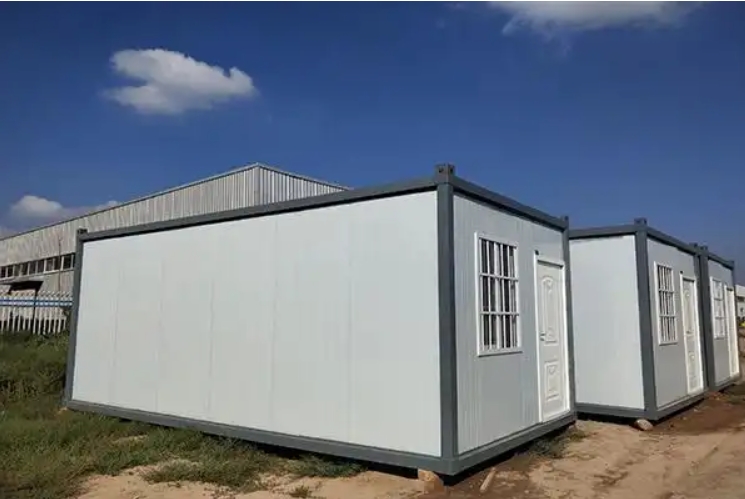
Initial Costs of a Container Home
Building a container home costs much less than regular houses. Prices can start at about £32,000, which is very affordable. This is because shipping containers are reused and already strong. Regular homes need more materials and workers, making them costlier. Container homes are quicker to build, saving time and money on basics like foundations.
Another reason they are cheaper is fewer workers are needed. Regular homes need big teams, but container homes need fewer people. This is great for those with smaller budgets. However, the final price depends on the design. Adding windows, doors, or insulation can raise costs. Even with these extras, container homes often stay cheaper than traditional ones.
Long-Term Savings and Energy Efficiency
Container homes save money over time because they use less energy. They are smaller, so heating and cooling cost less. Good insulation helps keep the home warm in winter and cool in summer. This means lower energy bills for the owner.
The metal walls of container homes reflect sunlight, keeping them cooler in hot weather. Energy savings can be between 5-10%, depending on the materials used. For people who care about the environment, this is a big plus.
Adding solar panels or energy-saving devices can save even more money. These upgrades cost more at first but reduce bills later. This makes container homes not only cheap to build but also smart for long-term savings.
Hidden Costs of Shipping Container Homes
Many people think container homes save money at first. But hidden costs can add up quickly. These surprise expenses often catch new builders off guard. They can make your budget much tighter. Let’s look at some common hidden costs you might face.
Insulation and Climate Control Costs
Insulation is very important for container homes. Without it, metal walls get too hot in summer and too cold in winter. The type of insulation you pick affects comfort and price. Spray foam, fibreglass, or rigid board insulation can cost £5,000 to £15,000. Prices depend on the container size and material quality.
Heating and cooling systems are also needed. Metal containers lose heat and cool air faster than regular homes. Energy-efficient systems help keep temperatures steady. These upgrades make living better but increase costs.
Modifications and Structural Changes
Making a container liveable needs big changes. You’ll need to cut spaces for windows and doors. High-quality windows and doors cost £800 to £2,000 each. They save energy but raise the total price.
Structural changes are another big expense. Containers are made for storage, not living. Adding plumbing, electricity, and insulation can raise costs by 10%-15%. Eco-friendly insulation adds 15%-20% more. Containers themselves cost £2,000 to £4,000, depending on age and condition.
Transport and Site Preparation Costs
Moving your container home to the site costs money. Transport fees depend on distance and container size. Moving can cost hundreds or thousands of pounds. Once delivered, the site needs preparation. This includes clearing land, laying a foundation, and levelling the area. Foundations are key for safety and can take a big part of your budget.
Here’s a list of common hidden costs in container home projects:
These hidden costs show why planning is so important. Container homes can be cheaper, but missing these costs can hurt your budget. Knowing these factors helps you make smarter choices about your investment.
Factors Beyond Cost
Durability and Maintenance of Container Homes
Container homes are strong and built to last. They are made from steel, which handles bad weather and heavy use well. These homes are a good choice for long-term living. With care, they can last 10 to 15 years. If used less often, they may last up to 25 years. Maintenance is cheaper than for regular houses. But things like rust and extreme weather can shorten their life. Simple tasks like repainting and stopping rust keep them in good shape.
Eco-Friendliness and Sustainability
Container homes are eco-friendly and help the planet. Reusing old containers reduces waste and saves resources. They also lower CO2 emissions and use fewer materials. Good insulation and smart designs make them energy-efficient. Adding solar panels or recycled materials makes them even greener. These homes support a simple lifestyle and help reduce carbon footprints. They are great for people who care about the environment.
Design Flexibility and Aesthetic Appeal
Container homes are very flexible in design. You can stack and arrange them however you like. Creative layouts can make them bright and spacious. Their simple look is perfect for people who like minimalism. New building methods make them even more stylish. Many buyers love their unique appearance, especially in cities. Whether you want a modern home or a cosy space, container homes offer many options.
Regulatory and Zoning Challenges for Shipping Container Homes
Building Codes and Permit Requirements
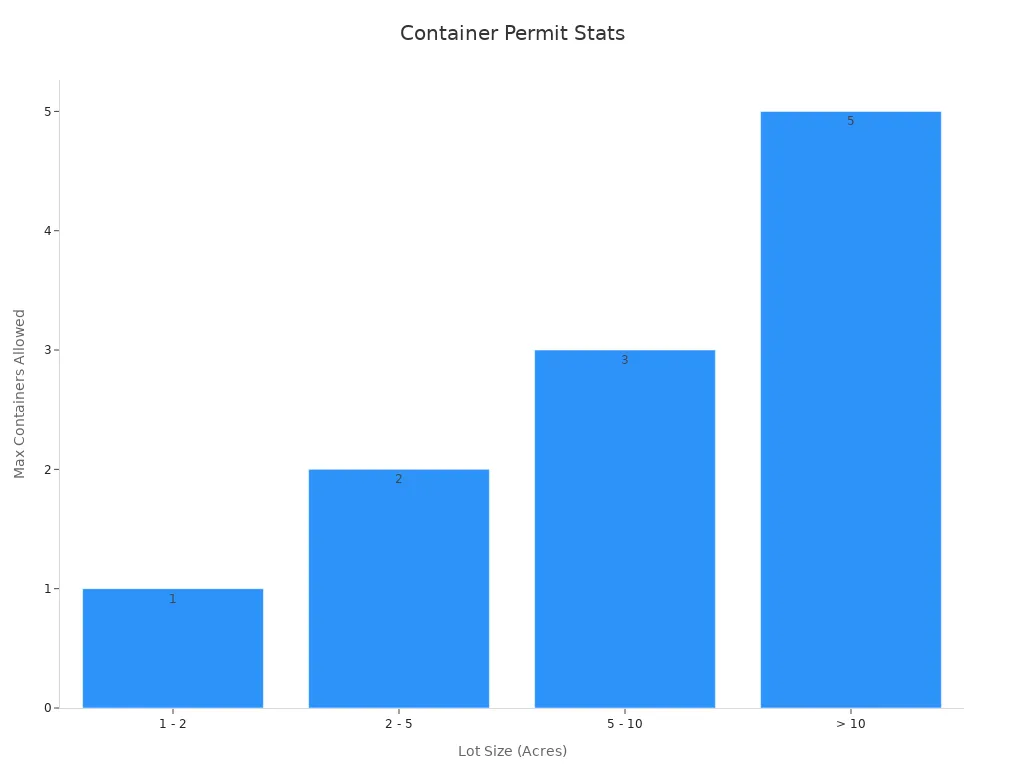
Building a container home must follow strict local rules. These rules ensure the home is safe and liveable. They cover things like structure, plumbing, and electricity. For example, you need permits with detailed plans and inspections. Local councils may also set rules about size, look, and foundation.
Here’s a table showing how lot size affects container limits:
Other rules may include energy-saving, fire safety, and accessibility needs. For instance, insulation must meet energy rules, and smoke alarms must be placed correctly. These rules can raise building costs but are needed for safety and comfort.
Zoning Restrictions and Compliance Issues
Zoning laws decide where container homes can go. These laws differ between residential and business areas. Non-traditional homes often need a Conditional Use Permit (CUP). This involves a long process, including public meetings, to get approval.
Main zoning rules include:
Land use rules that control allowed activities.
Placement and design restrictions for the home.
Site offsets, which set distances from property edges.
Careful planning and talking to local councils are important. Breaking zoning laws can lead to fines or even removal of the home. Following these rules is key to building a successful container home.
Shipping container homes are a cheaper option than regular houses. A 20ft container home can start at £90,000. But, extra costs like permits and skilled workers can increase expenses. These homes are great for people wanting green designs, quick builds, and lower utility and upkeep costs over time.
FAQ
What are the main benefits of shipping container homes?
These homes are cheap, eco-friendly, and fast to build. They allow creative designs, perfect for modern and green living.
Can shipping container homes handle bad weather?
Yes, they can. Their steel frames are strong against tough weather. But, good insulation and upkeep are needed for comfort and strength.
Are shipping container homes good for families?
Yes, they are. Using more containers and smart designs, you can create roomy homes that fit families well.