

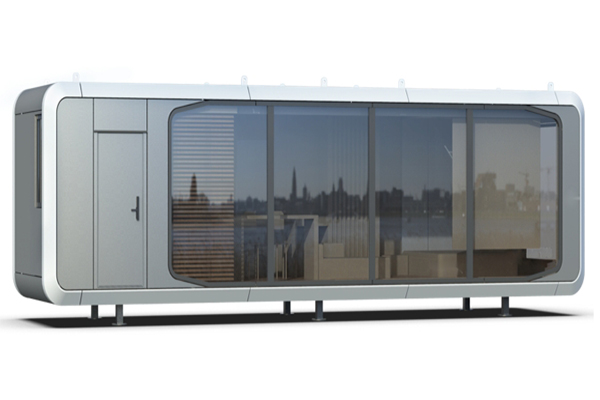

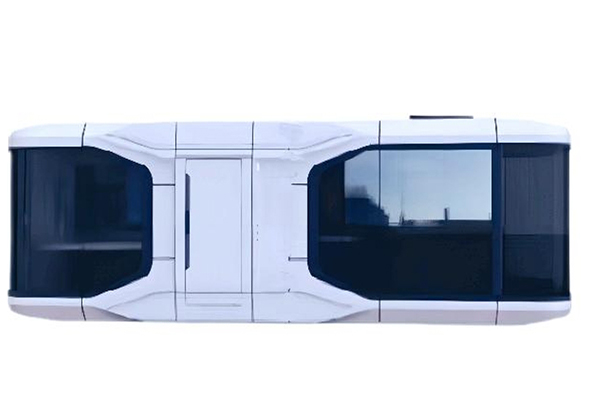
I’ve always thought space capsule houses are really cool. These small, creative homes can last 25 to 50 years. How long they last depends on how they’re built and cared for. Good materials and regular maintenance help a lot. Weather and surroundings also affect how long these homes stay strong.
Key Takeaways
Space capsule houses can last 25-50 years if cared for. Use strong materials like steel or aluminum to make them last longer.
Regular checks and fixes are very important. Look for rust, cracks, or leaks every year to avoid big repairs.
Where you place it is important! Pick a spot with solid ground and good weather to help your capsule house last longer.
Understanding the lifespan of a space capsule house

Average lifespan based on materials and design
The lifespan of a space capsule house depends on its materials and design. Houses made with strong materials like steel and aluminum last longer. These materials resist rust and handle bad weather well. For example, some houses use galvanized steel for extra strength. Some designs even include materials that fix small damages on their own. This helps reduce repair costs and makes the house last longer.
Capsule houses are compact and easy to fix or upgrade. Their modular design makes repairs simple. Unlike regular homes, they are built to last for many years. Designers focus on making them durable without needing big renovations.
Comparison of capsule houses and traditional homes
Capsule houses are stronger and more adaptable than regular homes. Traditional homes often use wood and brick, which can rot or get damaged by pests. Capsule houses use materials that are tough and long-lasting. For example, container houses made from old shipping containers are built to survive harsh conditions. They are sturdy and can be changed to fit different needs.
Capsule houses also handle bad weather better than regular homes. Regular homes may need repairs after storms or floods. Capsule houses are made to survive extreme conditions. Their prefabricated parts are high-quality and less likely to break. This makes them a good choice for living long-term.
Variability in lifespan due to location and usage
Where a capsule house is located and how it’s used affects how long it lasts. Weather conditions like humidity, temperature changes, and salty air can wear down materials. For example, houses near the ocean may rust faster because of the salty air. Houses in dry areas usually last longer since they face fewer problems.
How the house is used also matters. A house used every day may need more care than one used for vacations. Cleaning and checking for damage can help it last longer. Picking a good location and taking care of the house are important for making it last many years.
Key factors affecting the lifespan of capsule houses
Importance of high-quality materials like steel and aluminum
The materials used in capsule houses are very important. Strong materials like steel and aluminum help them last longer. For example, galvanized steel and aviation aluminum are often used. These materials resist rust and stay strong for over 50 years.
Capsule house walls are often waterproof to handle bad weather. Some also use fire-resistant sheets to prevent fire damage. These strong materials make capsule houses safe during earthquakes. Picking the right materials helps these homes last longer and stay eco-friendly.
Role of technology in enhancing durability
Technology has changed how capsule houses are built and cared for. Smart systems check temperature and humidity to stop damage early. Some houses even use materials that fix small cracks by themselves. This lowers repair needs and makes them last longer.
New ideas like 3D bioprinting improve safety and strength. These technologies, made for space, also help capsule houses on Earth. Adding smart features makes these homes stronger and better for long-term use.
Environmental challenges and adaptability
Capsule houses face problems based on where they are located. Salty air near oceans can cause rust, and extreme weather can weaken materials. To solve this, many capsule houses are built to adjust to their surroundings. Special shields block radiation, and systems control temperature and humidity.
These features help capsule houses stay strong in tough places. They are even made to handle earthquakes, making them great for disaster-prone areas. This flexibility helps them stay useful for many years.
Impact of sustainable living practices on longevity
Eco-friendly habits also help capsule houses last longer. These homes often use renewable energy and low-carbon tools. Modular building reduces waste and uses materials wisely.
Capsule houses support green living with energy-saving equipment and eco-friendly materials. Their small size reduces harm to the environment while saving space. By living sustainably, owners lower their carbon footprint and make their homes last longer. Green living and durability go hand in hand.
Practical tips to extend the lifespan of a space capsule house
Routine maintenance and annual inspections
Regular care keeps capsule houses in good condition. Simple tasks like cleaning outside surfaces and checking for rust or cracks help a lot. Always inspect the roof, walls, and joints once a year. This helps find small problems before they become big ones.
Tip: Use a checklist for yearly inspections. It helps you stay organized.
For example, during an inspection, I found a small leak in a friend’s capsule house. Fixing it early saved them from expensive repairs later. Regular care not only makes the house last longer but also keeps it safe and comfortable.
Preventive measures against environmental stress
Weather can damage capsule houses over time. Salty air near oceans or hot desert heat can harm materials. To prevent this, apply protective coatings to metal parts. These coatings stop rust and corrosion.
Planting trees or adding windbreaks can block strong winds and sunlight. In rainy areas, install drainage systems to avoid water damage.
Note: Preventing damage is easier than fixing it. Small actions now save big problems later.
These steps help your capsule house stay strong and work well for many years.
Upgrading components for improved performance
Capsule houses are easy to upgrade because of their modular design. Replace old parts with better, newer ones. For example, add energy-saving windows or solar panels to save energy and improve comfort.
Smart systems are also helpful. Install devices to check temperature, humidity, and air quality. These upgrades make the house last longer and more enjoyable to live in.
Pro Tip: Choose upgrades that boost both strength and comfort. This makes your investment worth it.
Choosing the right location for long-term durability
Where you place your capsule house matters a lot. Pick a spot with stable ground and less harsh weather. Areas with floods or earthquakes may need extra protection.
If near the ocean, use materials that resist salty air. In cold places, good insulation is important for comfort and durability. A good location protects the house and improves its efficiency.
Reminder: The right location is key to a strong and lasting home. Plan carefully before setting up your capsule house.
I think space capsule houses are strong and good for the planet. They can last longer than regular homes if built well and cared for. Taking care of them and using eco-friendly habits really helps. At Lan’en International, we promote smart ideas to help people live green and keep their homes lasting longer.
FAQ
How can I tell if my capsule house needs fixing?
Check for things like cracks, leaks, or rust spots. Regular checks help find problems early.
Tip: Make a list to track issues during your inspections.
Is it possible to move my space capsule house?
Yes, most capsule houses can be moved. Their modular build makes moving simpler.
Note: Get experts to safely move and set up your house.
What’s the best way to clean a capsule house outside?
Use soft brushes with mild soap and water. Stay away from strong cleaners that might harm the protective layers.