

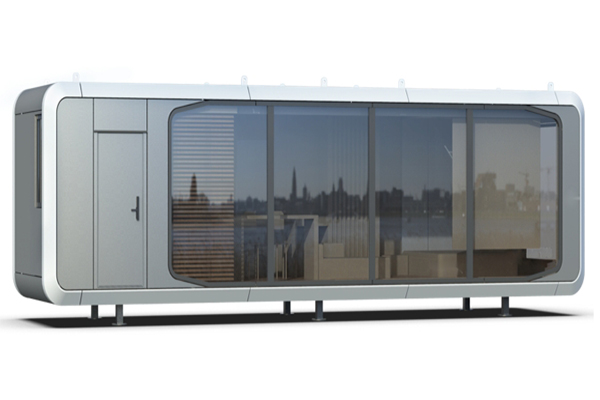

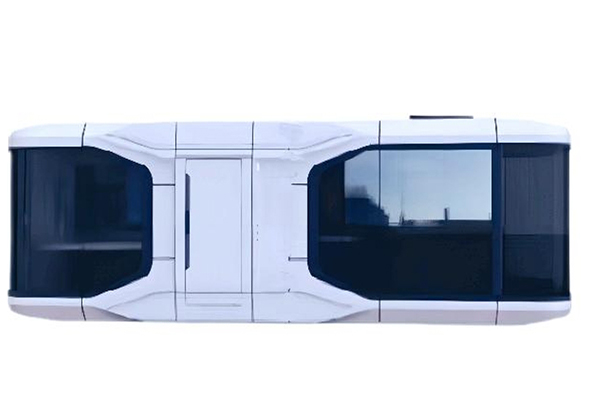
I’ve seen an interesting trend in the housing market. Local and global companies are competing hard in Space Capsule Houses. This competition is important because it creates new ideas. It also affects prices and how good the houses are. For buyers, this means more options. But companies must work harder to meet higher demands.
Key Takeaways
Space Capsule Houses are cheap and good for the environment. They are great for city living.
Local builders are good at making custom designs for neighborhoods. International companies use high-tech tools to build faster and smarter.
The fight between local and global builders brings new ideas. It gives buyers more and better options for homes.
Understanding Space Capsule Houses
What is a Space Capsule House?
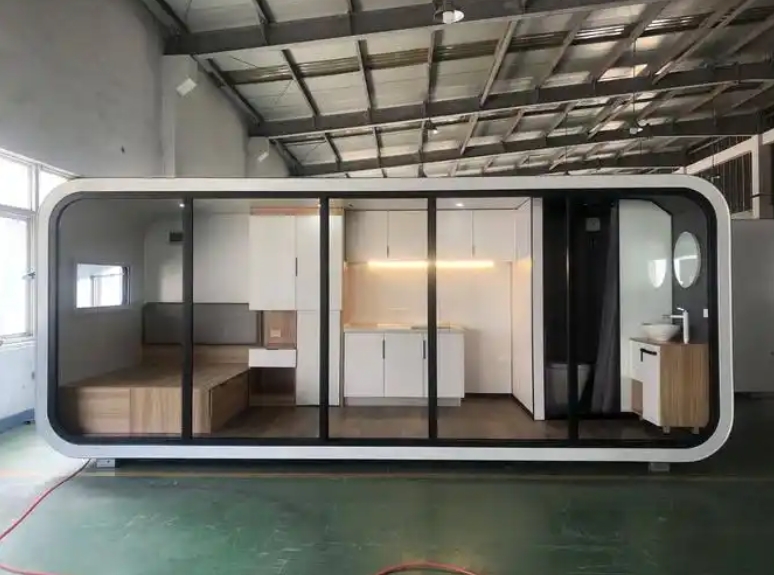
A Space Capsule House is a small, smart home. It is inspired by real space capsules and uses space wisely. These homes started in the 1960s during the Metabolist Movement. Architect Kisho Kurokawa led this movement. Over time, these homes added modern features like smart devices and energy-saving systems. Here’s a simple look at their main traits:
Why Are Space Capsule Houses Gaining Popularity?
Space Capsule Houses are getting more popular for many reasons. Housing prices are rising, so these homes are cheaper options. For instance, house prices in Northern Ireland went up 1.4% in 2023. This makes people look for affordable homes. The foldable housing market is also growing fast. It might be worth $9.37 billion by 2025. These homes also help with housing problems. In 2022, over 421,000 people in the U.S. were homeless. Space Capsule Houses are affordable and eco-friendly. They use solar panels and low-carbon tools, making them a smart choice.
Real-World Applications of Space Capsule Houses
Space Capsule Houses are not just ideas; they are real. For example, the Elysium Capsule is a lifeboat turned into a home for 10 people. It uses strong materials and 3D printing to make modular spaces. Another example is the Orion Capsule. It has private and shared spaces in a round design. It can handle extreme weather with lightweight materials and good insulation. These examples show how these homes work for emergencies or city living.
Local Space Capsule House Makers
Strengths of Local Makers
Local makers of Space Capsule Houses have many strengths. They know what their communities need. Their designs match local weather and ways of living. This makes their homes more attractive to buyers. Also, they can quickly adjust to customer feedback. They change designs or features based on what people want.
Problems Local Makers Face
Local makers also deal with problems. A big issue is fewer resources. They don’t have as much money as big global companies. This limits their ability to use advanced technology. Another problem is competition. Big companies can sell cheaper because they make more at once.
Local Customization and Creativity
Local makers are great at customizing for their regions. They use local materials and styles in their designs. This helps the local economy and makes unique homes. For example, in the Pacific Northwest, they might use nearby forest wood. This supports sustainability and sparks new ideas.
International Space Capsule House Manufacturers
Advantages of International Manufacturers
International companies have many benefits in making Space Capsule Houses. They use advanced tools and big factories to work faster. This helps them create new designs and build homes quickly. For example, they use 3D printing and modular building methods. These ways cut down waste and save time.
Another advantage is lower prices. Big factories make it cheaper to build homes. This means buyers can afford them more easily. These companies also get materials from all over the world. This helps them use strong, high-quality supplies. Their homes often meet global safety and durability standards.
Challenges Faced by International Manufacturers
Even with their strengths, international companies face problems. One big issue is following local rules and building codes. Every country has different laws, which can slow things down. Shipping materials or homes across borders also costs a lot. This makes homes more expensive for buyers.
Cultural differences are another challenge. Companies may not know what local people like in home designs. For example, a design loved in Europe might not work in Asia. To fix this, they need to study local needs and work with local partners.
Global Influence on the Housing Market
International companies change how housing works worldwide. Their new ideas inspire local builders to follow trends. For instance, adding smart technology to homes is now common everywhere. These companies also grow the market by selling in new places.
Here’s a quick look at their impact:
This helps buyers by giving them more modern and affordable housing choices.
Comparing Local and International Manufacturers
Innovation and Technology
Innovation is key in setting manufacturers apart. Local makers focus on small, creative ideas for their areas. International companies use advanced tools like 3D printing and modular building. These tools help them work faster and waste less.
Here’s a table of advancements and their benefits:
These tools make international companies stronger worldwide. But local makers are better at using tech to fit local needs.
Cost and Affordability
Cost is very important for buyers. Local makers save money by using nearby materials. They also spend less on transportation. Global companies save money by making many homes at once. This lowers the cost per house. However, shipping homes from far away can raise prices.
Quality and Durability
Both local and global makers have strengths in quality. Local builders use materials that fit their area’s weather. This makes homes last longer. Global companies use top-quality materials from around the world. Their homes meet high safety standards and work in many climates.
Sustainability and Environmental Impact
Sustainability is now a big focus in housing. Local makers use eco-friendly materials from nearby places. This lowers pollution and helps the environment. Global companies use large-scale green solutions like solar panels. Both help the planet, but local makers support their local ecosystems more.
Market Trends and Future Outlook
Consumer Preferences and Demand
People want homes that are cheap and creative. Space Capsule Houses are perfect for this need. Many buyers like small, energy-saving homes for city living. Younger people love these homes for their eco-friendly and modern look. Capsule hotels are also popular with travelers on a budget. Features like self-check-ins make them even better. More tourists and business trips have increased the need for these homes.
Role of Policies and Incentives
Government rules help shape the housing market. Eco-friendly building rules push companies to go green. Tax cuts and money help builders use better materials. Some governments fund projects to fix housing problems. These rules help local builders and make Space Capsule Houses easier to buy. With good support, this market can grow faster.
Predictions for the Space Capsule House Industry
The future of Space Capsule Houses looks exciting. Experts say the market will grow a lot soon. Cheaper materials and new tech like 3D printing will help. By 2028, capsule hotels may be worth $3.2 billion, growing 10.3% yearly. North America is leading, but China is catching up with cool designs. We might also see capsules for space travel and long-term use. This market will change how we think about homes.
Local builders are great at making homes fit their areas. Big companies use advanced tools and sell worldwide. This rivalry brings new ideas and better housing options. People like space capsule houses, just like they enjoy space travel. Space flights and new tech are growing fast. These changes bring hope for buyers and the housing market.
FAQ
What are the main benefits of Space Capsule Houses?
Space Capsule Houses save room and cost less money. They are eco-friendly and fit well in cities. These homes also have modern technology for easy living.
Are Space Capsule Houses durable in extreme weather?
Yes, they are built with strong materials and good insulation. These features protect them from heavy rain, snow, and heat.
How do Space Capsule Houses support sustainability?
They use solar panels and recycled materials to save energy. These homes lower pollution and help the environment.