

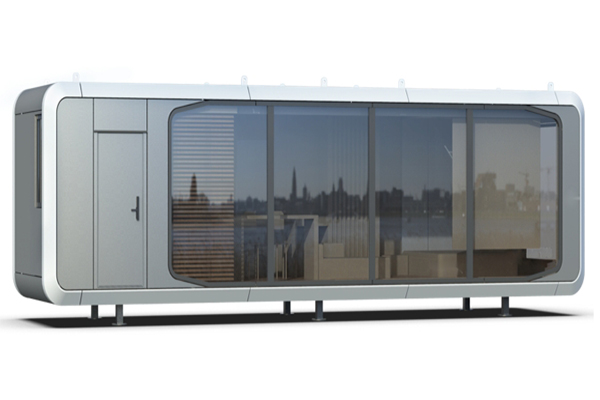

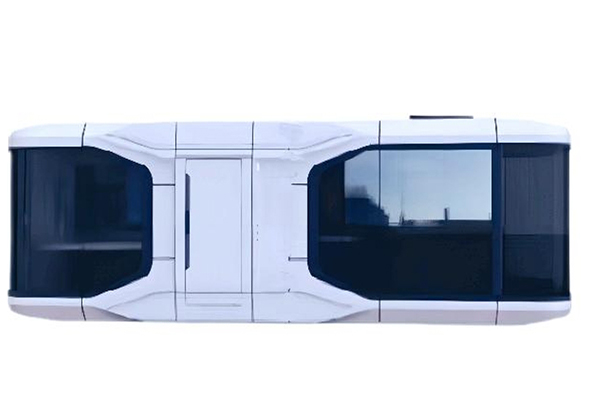
Off-grid living offers you a chance to embrace a lifestyle rooted in independence and sustainability. Solar power, recognized as the most cost-effective renewable solution, powers over 5,500 mini-grids worldwide, proving its efficiency in sustainable living. Space capsule homes redefine this back-to-nature approach by combining cutting-edge technology with eco-friendly design, helping you reconnect with nature while reducing financial strain.
Key Takeaways
Space capsule homes are eco-friendly and use renewable energy sources.
They are small and easy to customize or move around.
Living off-grid in these homes can save money on energy and housing.
Understanding Space Capsule Homes
What Are Space Capsule Homes?
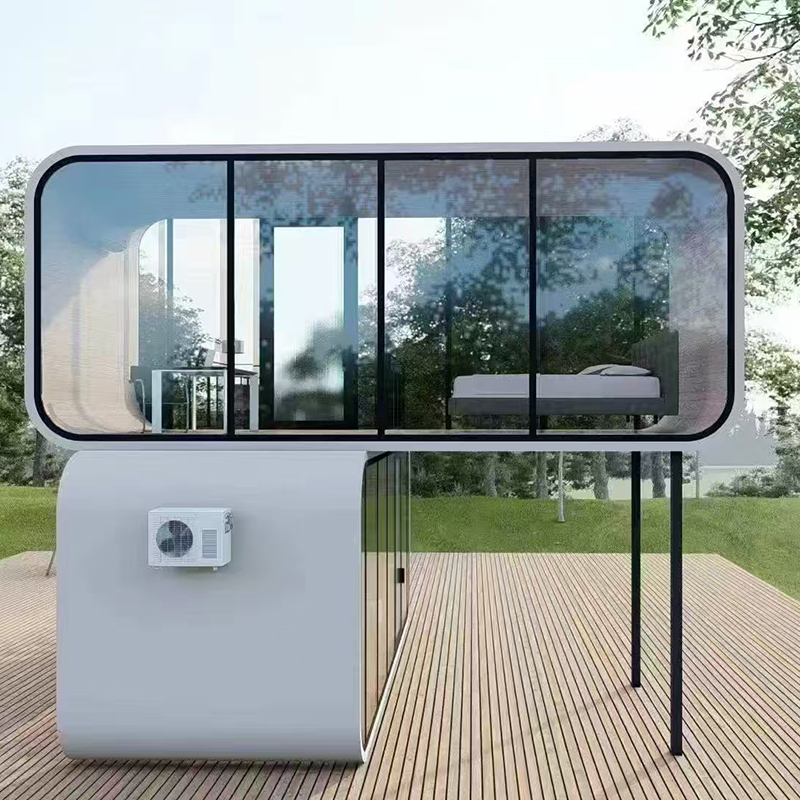
Space capsule homes are compact, modular living spaces designed to offer sustainable and efficient housing solutions. Inspired by the technology used in spacecraft, these homes prioritize functionality, durability, and eco-friendliness. They are constructed using lightweight materials like aluminum alloys and eco-friendly composites, ensuring both strength and sustainability.
These homes are equipped with advanced features such as thermal insulation, smart home systems, and renewable energy integration. For instance, solar panels and energy-efficient systems reduce utility costs while minimizing the ecological footprint. Their modular design allows for easy assembly and customization, making them adaptable to various needs and preferences.
These technical specifications make space capsule homes a practical choice for off-grid living, offering a balance between modern technology and environmental responsibility.
Who Benefits From Space Capsule Homes?
Space capsule homes cater to a wide range of individuals and communities. If you value sustainability and independence, these homes provide an ideal solution. They are particularly beneficial for:
Eco-conscious individuals: Those seeking to minimize their environmental impact will appreciate the renewable energy systems and efficient resource use.
Remote workers and digital nomads: The portability and smart technology features make these homes perfect for those who work from anywhere.
Off-grid enthusiasts: If you aim to embrace off-grid living, these homes offer the necessary systems for energy, water, and waste management.
Disaster relief and emergency housing: Their modular design and quick assembly make them suitable for temporary housing in crisis situations.
Whether you live in an urban area or a rural setting, space capsule homes adapt to your lifestyle while promoting sustainability. However, local zoning laws and building permits may influence where you can place these homes. Some regions impose restrictions on modular housing, so it’s essential to research regulations in your area.
How Space Capsule Homes Differ From Traditional Housing
Space capsule homes stand apart from traditional housing in several key ways. Unlike conventional homes, these structures are designed with sustainability and mobility in mind. Their lightweight materials and modular construction allow for easy transport and relocation, making them ideal for those who prefer a flexible lifestyle.
Traditional homes often rely on centralized utilities, while space capsule homes integrate off-grid systems. Solar panels, energy storage, and water recycling systems enable you to live independently from municipal services. This not only reduces your environmental impact but also lowers long-term living costs.
Additionally, space capsule homes incorporate advanced technology, such as smart home systems for lighting, heating, and security. These features enhance convenience and efficiency, offering a modern living experience that traditional homes may lack.
In terms of design, space capsule homes prioritize compactness and functionality. Every square foot is optimized for practical use, which contrasts with the often larger and less efficient layouts of traditional homes. This makes them an excellent choice for off-grid tiny homes or those looking to downsize without sacrificing comfort.
Tip: Before transitioning to a space capsule home, consider factors like local regulations, installation requirements, and your specific lifestyle needs. This will help you make an informed decision and fully enjoy the benefits of off-grid living.
Sustainability Benefits of Off-Grid Tiny Homes
Reducing Environmental Impact
Off-grid tiny homes significantly reduce your environmental footprint by prioritizing sustainable practices. These homes often use eco-friendly materials, such as reclaimed wood and recycled composites, which minimize resource depletion. Many designs also incorporate composting toilets and waste reduction systems, helping you manage waste responsibly.
Energy consumption in off-grid homes is remarkably lower than in traditional housing. Tiny homes consume 45% less energy, which directly translates to reduced carbon emissions. By adopting energy-efficient appliances and passive solar designs, you can further minimize heat loss and optimize energy use. Communities that embrace off-grid living often rely on renewable energy sources like solar panels, which drastically cut down on fossil fuel dependency.
Water conservation is another critical aspect. Rainwater harvesting systems, water-wise plumbing fixtures, and greywater recycling ensure that every drop is used efficiently. These features not only promote self-sufficiency but also reduce the strain on local water resources.
Did You Know? Tiny homes powered by renewable energy systems can achieve up to an 88.6% reduction in CO2 emissions, making them a game-changer for sustainable living.
Renewable Energy Integration
Renewable energy lies at the heart of off-grid tiny homes. Solar panels, wind turbines, and energy storage systems allow you to generate and store your own power, eliminating the need for traditional utility connections. This independence not only reduces your energy bills but also ensures a reliable power supply in remote locations.
Hybrid systems, such as solar PV-wind configurations, offer even greater sustainability. These setups can reduce environmental impacts by up to 40%, making them ideal for both individual households and community micro-grids. For instance, a hybrid solar PV-wind system with storage is one of the most sustainable configurations for off-grid living.
Energy-efficient windows and insulation further enhance the performance of renewable systems by minimizing energy loss. By integrating these technologies, you can create a home that is not only self-sufficient but also highly efficient.
Tip: Proper installation of solar panels and energy storage systems can lead to 100% energy bill savings, maximizing the benefits of renewable energy.
Efficient Use of Resources
Off-grid tiny homes excel in resource efficiency, from construction to daily operation. Their compact size requires fewer materials, reducing both costs and environmental impact. Studies show that small housing is more sustainable due to lower resource usage during construction. For example, residents of tiny homes often adopt sustainable behaviors, such as using public transport and renewable energy.
Water efficiency is another hallmark of these homes. Rainwater harvesting systems and greywater recycling ensure that water is reused effectively. Advanced plumbing fixtures further reduce water consumption, making these homes ideal for areas with limited water resources.
The efficient use of energy is equally impressive. Tiny homes require less than 10% of the power needed for an average home, thanks to their smaller size and energy-efficient designs. This not only lowers your energy bills but also contributes to a more sustainable lifestyle.
By choosing an off-grid tiny home, you can embrace a lifestyle that prioritizes sustainability and resource efficiency without compromising on comfort or functionality.
Features of Space Capsule Homes for Off-Grid Living
Modular and Compact Design
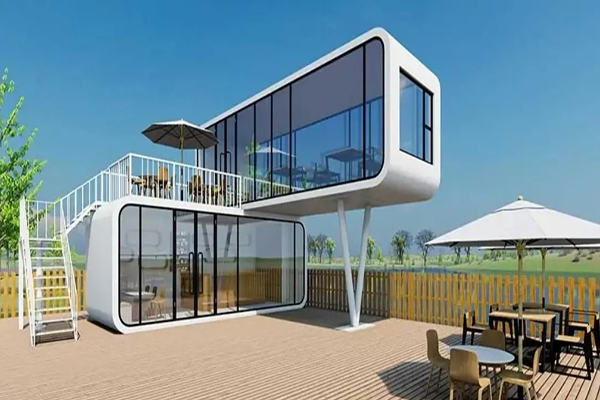
Space capsule homes excel in modularity and compactness, making them ideal for off-grid living. Their modular design allows you to customize the layout to suit your needs, whether you prioritize storage, living space, or functionality. These homes are built with portability in mind, enabling easy transportation and setup in remote locations. This flexibility makes them perfect for those seeking independence from traditional housing constraints.
The compact size of these homes maximizes functionality without wasting space. Every square foot is optimized, ensuring you have all the essentials for comfortable living. The use of eco-friendly materials further enhances sustainability, reducing the environmental impact during construction.
Tip: Modular designs let you expand or reconfigure your home as your needs evolve, offering unmatched adaptability for off-grid living.
Smart Technology for Efficiency
Smart technology plays a pivotal role in enhancing the efficiency of space capsule homes. Integrated systems optimize energy use by adjusting heating, cooling, and lighting based on occupancy and weather conditions. This ensures you consume only what you need, reducing waste and promoting energy-efficient living.
Advanced insulation and energy-efficient technologies further improve performance. For example, these homes achieve a thermal resistance of 3.2m²·K/W, which is six times more efficient than traditional materials. Solar panels and energy-efficient systems work seamlessly with smart home features, creating a self-sustaining environment.
Note: Smart home systems not only enhance convenience but also contribute to significant energy savings, making them a cornerstone of off-grid homes.
Off-Grid Capabilities and Systems
Space capsule homes are designed to thrive in off-grid environments. They integrate renewable energy solutions like solar panels and wind turbines, allowing you to generate and store your own power. Energy storage solutions ensure a reliable supply, even during periods of low sunlight or wind.
Water management systems, such as rainwater harvesting and greywater recycling, promote self-sufficiency. Composting toilets further reduce waste, aligning with sustainable practices. These features make off-grid tiny homes a practical choice for those looking to minimize their reliance on municipal utilities.
Did You Know? A well-designed solar power system can eliminate your energy bills entirely, making off-grid living both sustainable and cost-effective.
Practical Considerations for Off-Grid Homes
Cost and Affordability of Space Capsule Homes
Space capsule homes offer a cost-effective alternative to traditional housing. With prices ranging from $50,000 to $150,000, these homes provide an affordable option for first-time buyers or those seeking to reduce housing expenses. Their smaller size significantly lowers construction and material costs, making them a practical choice for off-grid living. Additionally, the compact design enhances energy efficiency, leading to reduced utility bills over time.
The affordability of these homes extends beyond the initial investment. Lower property taxes often apply due to their reduced size, and ongoing maintenance costs are minimal. Compared to traditional homes, space capsule homes require fewer resources, making them an economical and sustainable solution. As the global off-grid housing market grows—projected to reach $4.76 billion by 2032—these homes are becoming increasingly accessible to eco-conscious individuals.
Customization Options for Off-Grid Tiny Homes
Space capsule homes offer extensive customization options to suit your lifestyle and preferences. Modular designs allow you to configure the layout, whether you need additional storage, workspace, or living areas. You can also select eco-friendly materials, energy-efficient appliances, and renewable energy systems like solar panels to align with your sustainability goals.
For off-grid tiny homes, customization extends to water management systems, such as rainwater harvesting and greywater recycling. These features ensure efficient resource use while promoting self-sufficiency. By tailoring your home to your needs, you can create a space that balances functionality, comfort, and sustainability.
Tip: Plan your off-grid tiny home setup carefully to maximize efficiency and ensure it meets your long-term needs.
Installation and Maintenance Guidance
Installing a space capsule home is straightforward due to its modular design. Prefabricated components simplify assembly, reducing labor costs and installation time. Many manufacturers, including Lan'en International, provide detailed instructions and support to ensure a seamless setup process.
Maintenance for off-grid homes is equally manageable. Renewable energy systems, such as solar panels, require periodic cleaning and inspection to maintain efficiency. Water recycling systems and composting toilets also need regular upkeep to ensure optimal performance. By following a consistent maintenance schedule, you can extend the lifespan of your home and its systems.
Did You Know? Proper maintenance of solar panels can increase their efficiency by up to 20%, ensuring a reliable power supply for your off-grid home.
Off-grid living offers you the chance to embrace energy independence while reconnecting with nature. Space capsule homes provide a compact, efficient, and sustainable lifestyle that aligns with modern needs. They reduce environmental impact, promote minimalist living, and adapt to urbanization trends. With their affordability and versatility, these homes redefine sustainable living for a greener future.
Did You Know? Prefabricated designs in space capsule homes reduce construction waste, making them an eco-friendly choice for off-grid living.
FAQ
What is the lifespan of a space capsule home?
A well-maintained space capsule home can last over 50 years. Durable materials like aluminum alloys and composites ensure longevity and resistance to environmental wear.
Can you install a space capsule home in any location?
Yes, but local zoning laws and building codes may restrict placement. Research regulations in your area before installation to avoid legal complications.
How do space capsule homes handle extreme weather conditions?
These homes feature advanced insulation, waterproofing, and wind-resistant designs. They can withstand harsh climates, including heavy rain, snow, and strong winds.