

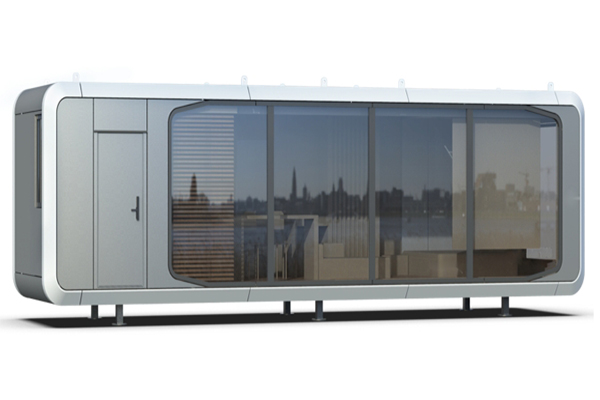

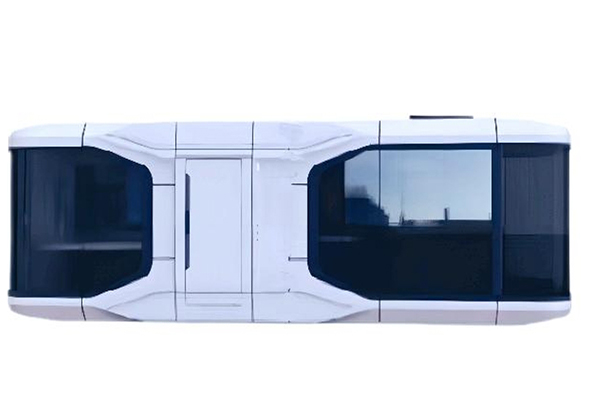
Capsule house manufacturers are reshaping architecture with groundbreaking designs that merge sustainability and functionality. Modular construction reduces waste while enhancing durability through factory-controlled processes. These innovative solutions not only optimize resources but also address rising housing costs. With luxury interior design and adaptability, capsule homes deliver unmatched comfort, elegance, and efficiency, redefining modern living.
Key Takeaways
Capsule houses save space and are very useful. They include basic needs for living.
Being eco-friendly is important. These homes use green materials and save energy to help the planet.
They are built in parts, so they are easy to put together and change. This makes them great for cities and the countryside.
The Rise of Capsule Houses
What Defines a Capsule House?
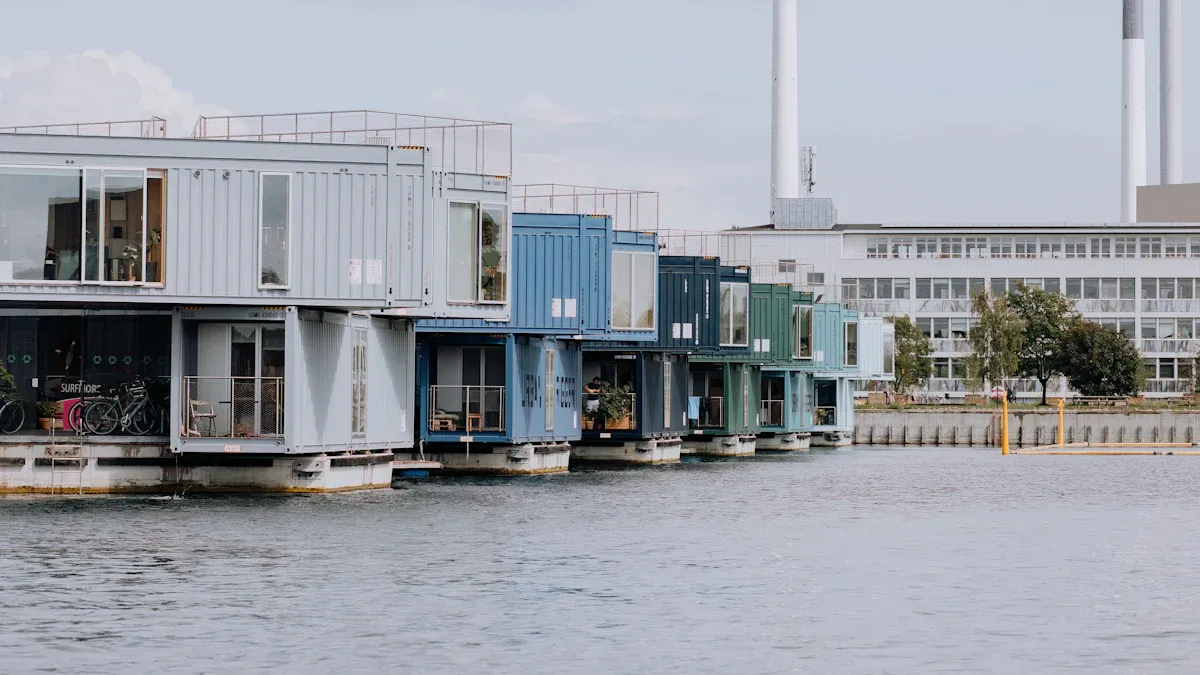
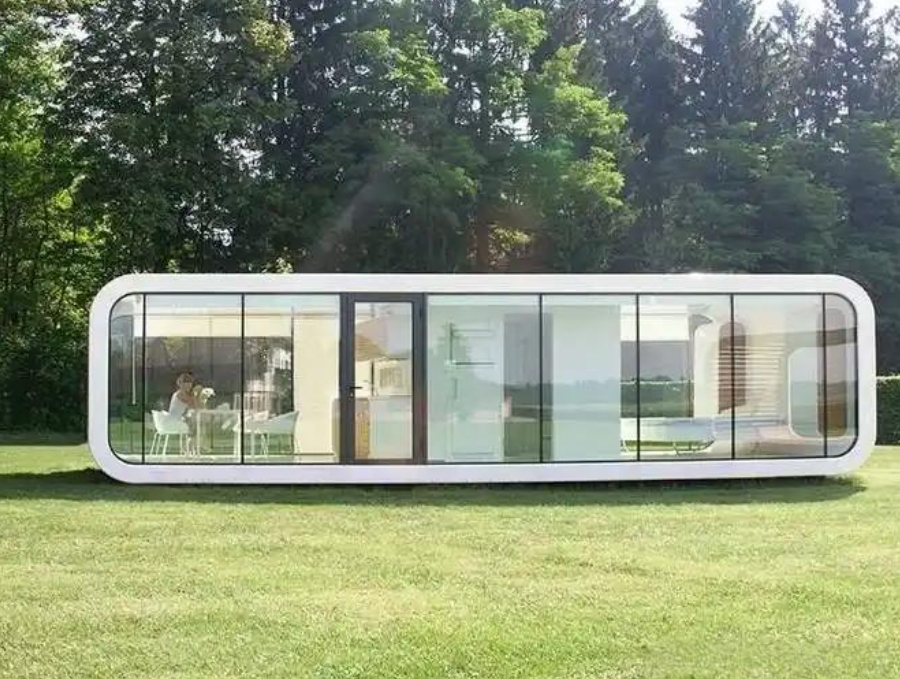
A capsule house is a compact, self-contained living space designed to maximize functionality within a small footprint. These homes typically range from 75 to 200 square feet and include essential amenities such as a bed, kitchenette, and bathroom. The design emphasizes both aesthetics and practicality, often incorporating sustainable materials and energy-efficient systems. Features like large windows and vents ensure proper lighting and ventilation, creating a comfortable living environment.
Modern capsule houses also integrate smart technology to enhance convenience. For example, smart door locks and automated lighting systems streamline daily tasks. Multifunctional furniture, such as foldable beds and hidden storage, optimizes the limited space, making these homes ideal for urban areas where space is at a premium. Capsule house manufacturers follow strict architectural guidelines, including zoning regulations and building permits, to ensure safety and compliance with local standards.
Why Capsule Houses Are Gaining Momentum
Capsule houses are becoming increasingly popular due to their ability to address modern housing challenges. Over 56% of the global population lives in urban areas, a figure expected to rise to 68% by 2050. This urbanization drives demand for affordable, efficient housing solutions. Capsule houses meet this need by offering compact, cost-effective living spaces without compromising on comfort or style.
The global market for capsule houses is projected to reach USD 262.9 million by 2024, with a growth rate of 8.8% annually from 2025 to 2030. This growth reflects shifting consumer preferences toward affordable luxury and sustainable living. In Europe, for instance, the market is expected to grow at a CAGR of 9.6%, driven by budget-conscious travelers and urban dwellers seeking compact accommodations.
Capsule houses also appeal to those who value luxury interior design in a smaller space. These homes combine high-end finishes with innovative layouts, creating a sense of elegance and sophistication. By integrating modular construction and eco-friendly materials, capsule house manufacturers are setting new trends in architecture, redefining how people perceive modern living.
Trends Redefining Modern Architecture
Modular and Prefabricated Construction
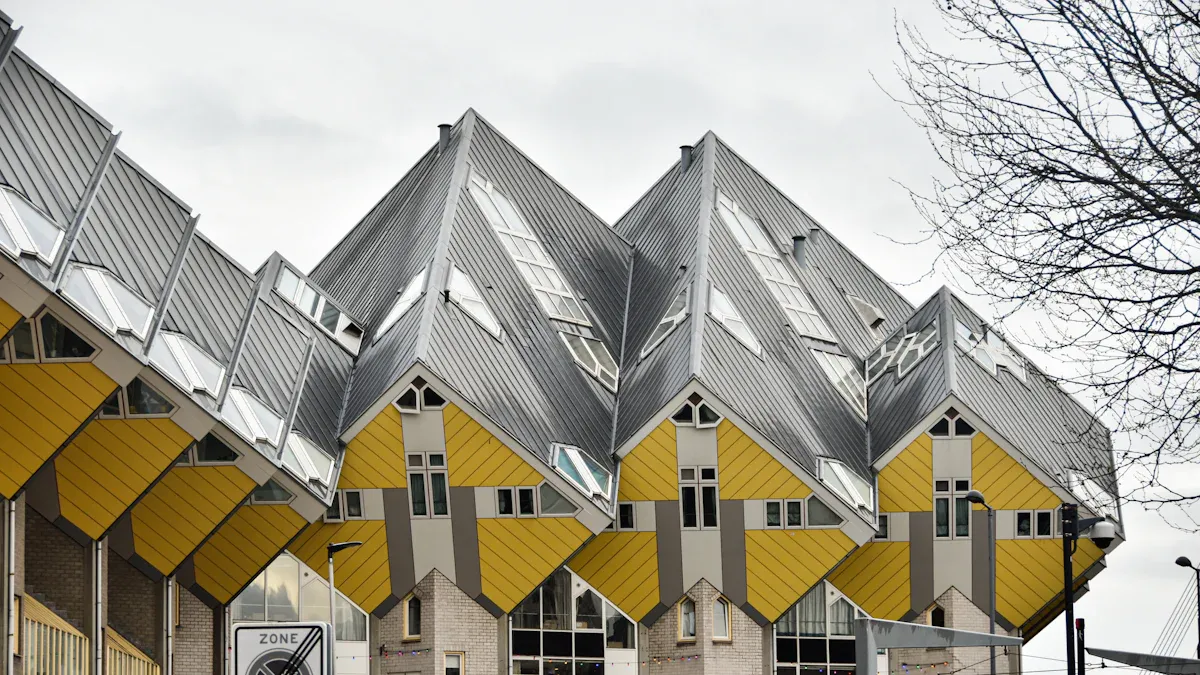
Modular and prefabricated construction is revolutionizing architecture by offering efficient, cost-effective, and sustainable solutions. This method involves manufacturing building components off-site in controlled environments, ensuring high-quality materials and reducing waste. Once completed, these modules are transported to the construction site for assembly, significantly cutting down on project timelines.
Prefabrication enhances functionality and provides flexibility in design. For instance, it allows for the creation of luxury interior design elements that can be customized to meet specific needs. According to industry data, off-site manufacturing reduces on-site construction time by 30% and achieves embodied carbon savings of up to 45% compared to traditional methods. This approach is particularly beneficial in disaster-prone areas, where rapid reconstruction is essential.
The U.S. modular construction market, valued at USD 10.53 billion in 2022, is expected to grow at a CAGR of 7.8% from 2023 to 2030. This growth reflects the increasing demand for innovative solutions that combine sustainability and luxury.
Sustainability in the Luxury Segment
Sustainability in the luxury segment is no longer a trend but a necessity. Modern architecture integrates environmentally friendly materials like recycled steel and reclaimed wood to create designs that are both elegant and eco-conscious. Certifications such as B Corp and Leather Working Group ensure high environmental and social standards, aligning with the values of today’s discerning homeowners.
Luxury interior design now incorporates energy-efficient systems, such as smart lighting and climate control, to enhance comfort while reducing energy consumption. Rooftop gardens and renewable energy sources further contribute to sustainability, making these homes a perfect blend of elegance and environmental responsibility.
Integration of BIM and Smart Technology
Building Information Modeling (BIM) is transforming how architects and builders approach design and construction. By using 3D modeling, BIM enables effective collaboration among stakeholders, ensuring that every detail aligns with the project’s vision. This technology enhances project visualization, allowing you to see how your home will look and function before construction begins.
Smart technology is another game-changer in modern architecture. Features like automated lighting, advanced security systems, and energy-efficient appliances improve functionality and comfort. For example, smart home systems allow you to control lighting and climate remotely, optimizing energy use and enhancing your living experience. The integration of BIM and smart technology ensures that your home is not only stylish but also highly efficient and adaptable to future needs.
These advancements in BIM and smart technology are setting new standards in architecture, ensuring that your home is as innovative as it is luxurious.
Real-World Innovations by Capsule House Manufacturers
The Rotating Shipping Container House
Capsule house manufacturers have redefined modern housing with the Rotating Shipping Container House. This innovative design combines sustainability, luxury, and functionality, offering a unique living experience. By repurposing shipping containers, these homes reduce waste and promote eco-friendly practices. The rotating feature optimizes natural light, enhancing both energy efficiency and comfort.
Each unit is crafted from high-quality materials, ensuring durability and resilience. The modular nature of the design allows for customized layouts, enabling you to create personalized rooms that suit your lifestyle. Whether you prefer open spaces or segmented interiors, the flexibility of this concept ensures that luxury meets functionality. Advanced automation systems, such as smart lighting and climate control, further elevate the living experience.
Real-world applications of this concept demonstrate its impact. Projects like Drivelines Studios in South Africa showcase affordable housing solutions using upcycled containers. In Seoul, Container City blends modern architecture with eco-conscious retail spaces, proving the versatility of this approach. These examples highlight how capsule house manufacturers are transforming urban landscapes with sustainable solutions.
Transforming Urban and Rural Living Spaces
Capsule house manufacturers are addressing the challenges of urbanization and rural housing needs with innovative solutions. As urban populations grow, the demand for affordable and sustainable housing increases. Capsule houses offer compact, cost-effective designs that maximize space efficiency without compromising on luxury interior design. These homes integrate BIM and 3D modeling to ensure precise construction and seamless functionality.
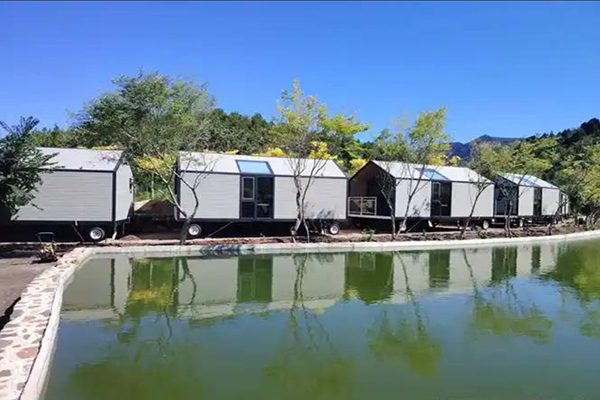
In rural areas, capsule houses provide adaptable solutions for diverse environments. Their modular construction allows for easy transportation and assembly, making them ideal for remote locations. You can enjoy the elegance of luxury interiors while benefiting from energy-efficient systems and eco-friendly materials. These homes also support sustainable housing trends, reducing the environmental impact of traditional construction methods.
Demographic data underscores the importance of these innovations. Urban population growth drives the need for affordable housing, while rising living costs highlight the value of compact solutions. Capsule houses bridge the gap between affordability and luxury, offering a harmonious blend of comfort and elegance.
Capsule house manufacturers are not just creating homes; they are shaping the future of living spaces. Their designs combine sustainability, luxury, and functionality, offering solutions that adapt to both urban and rural needs.
Capsule house manufacturers are revolutionizing the future of interior design by blending modularity, sustainability, and luxury. Their innovations, like the Rotating Shipping Container House, redefine luxury interior design with eco-friendly materials and advanced technology. As the global market grows, these designs promise adaptable, sustainable solutions, ensuring luxury redefined for modern living.
🌱 Sustainability Impact: Utilizing bio-based materials and efficient manufacturing methods reduces carbon footprints, aligning with global eco-conscious trends.
FAQ
What makes capsule houses eco-friendly?
Capsule houses use sustainable materials, energy-efficient systems, and modular designs. These features reduce waste, conserve resources, and minimize environmental impact, aligning with global sustainability goals. 🌱
Can capsule houses be customized?
Yes, you can customize layouts, finishes, and features. Modular construction allows you to tailor your home to fit your lifestyle and preferences effortlessly.
Are capsule houses suitable for all climates?
Absolutely! Capsule houses incorporate durable materials and advanced insulation. These features ensure comfort and energy efficiency in diverse climates, from extreme heat to freezing temperatures.