

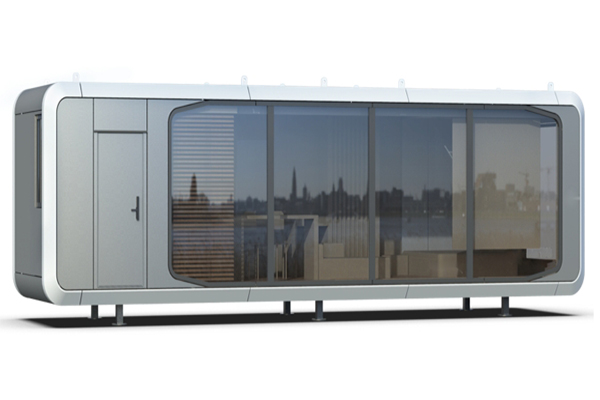

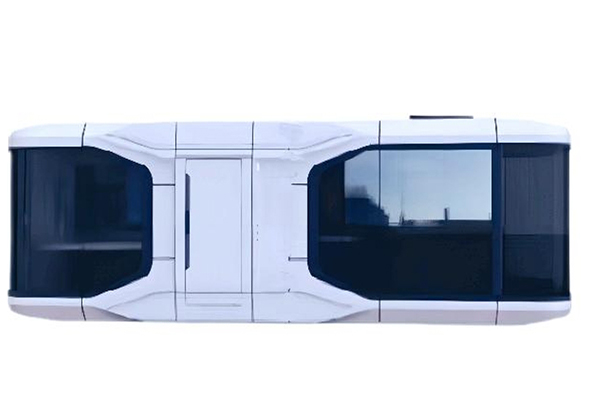
Housing is changing, and foldable container homes are becoming popular. These homes are cheap, eco-friendly, and flexible for many needs.
The market for foldable container homes is growing fast. People want housing that is affordable, green, and useful. These homes cut waste and are strong, eco-friendly choices.
They lower building costs and save time.
They use recycled materials to help the planet.
They can be used as houses or offices.
Key Takeaways
Foldable container homes cost much less than regular houses. They range from $10,000 to $35,000, while regular homes cost about $200,000.
These homes are good for the environment. They use recycled materials and create less trash, making them a greener housing option.
Container homes can be designed in many ways. They can be changed to fit different needs, like homes or offices, making them useful and flexible.
Cost Analysis of Foldable Container Homes
Upfront Costs Comparison
When you look at the upfront costs, foldable container homes are much cheaper than traditional houses. Building a container home usually costs between $10,000 and $35,000. On the other hand, traditional homes often start at $200,000. This makes container homes a great choice for people who need affordable housing, especially in cities where land and building costs are high.
Container homes use recycled shipping containers, which cost less than materials like wood and concrete. Also, building container homes is faster, so labor costs are lower. These reasons make foldable container homes a smart and budget-friendly option without losing quality.
Construction and Installation Savings
Foldable container homes save a lot on building and setup costs. They can be 15% to 50% cheaper than regular houses. One reason is that they are built quickly. Small container homes can be made offsite in just three to four weeks. This saves time and cuts down on labor costs.
Another benefit is that the main structure of a container home is already made. This means less work is needed for the foundation, unlike traditional houses. Plus, their compact design makes them easy to move and set up. This lowers transportation and installation costs even more.
Maintenance and Repair Expenses
Over time, container homes cost less to maintain and fix. They are made from strong materials like steel, which need less care than traditional homes. For example, wooden houses often need painting and repairs to stop rot. But container homes resist pests, mold, and weather damage.
Still, container homes might need rust-proofing in wet climates. Even with this, their maintenance costs are lower than traditional homes. This makes foldable container homes a green and money-saving choice for long-term living.
Design Flexibility and Customization
Modular Design and Adaptability
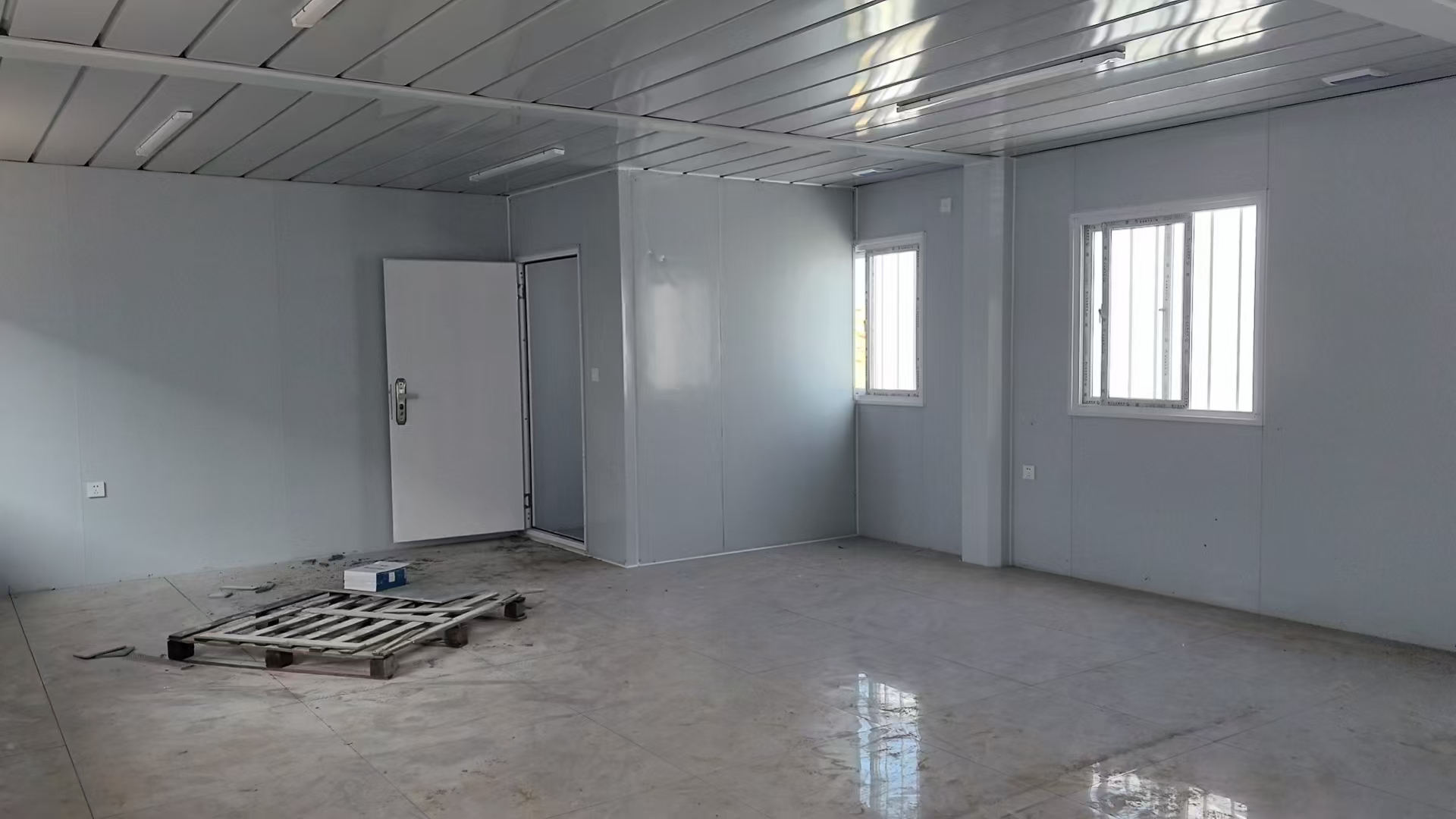
Foldable container homes are very flexible in design. Their modular style lets people create spaces they need. For example, some turn empty land into lively areas by stacking containers. This is great for places with little space, offering cheap housing.
These homes can be used for many things. They work as offices, event spaces, or shelters after disasters. After Hurricane Maria in Puerto Rico, they gave families strong, quick homes. Their ability to change makes them useful and eco-friendly. I think this makes them perfect for practical and green living.
Aesthetic Options for Container Houses
Container homes have a cool, modern look. The steel outside and open design make them unique. But the real fun is in customizing them. Owners can paint them bright colors or use green materials. They can even add porches or decks. Inside, open spaces and custom designs make them special.
Many people love the freedom to design their own space. They can add smart tech or eco-friendly touches. This creativity is why container homes are becoming more popular.
Space Optimization in Foldable Container Homes
Foldable container homes use space really well. They are great for small land areas. Built-in storage helps keep things neat and tidy. Vertical space is used for lofts or extra storage, saving room.
These homes are designed to make the most of every inch. Shared spaces and smart layouts make them even better. I think this smart design makes them a great choice for people who want functional and green homes.
Eco-Friendly and Energy Efficiency Benefits
Environmental Impact of Container Houses
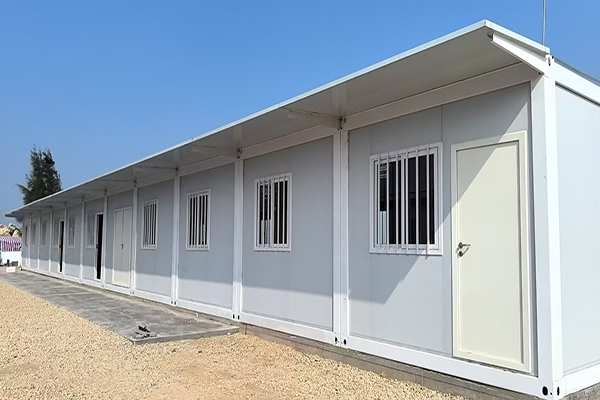
Container homes are a green housing choice. They reuse old shipping containers, so fewer new materials are needed. This lowers the need for resources like wood and concrete, which are common in regular houses. By reusing materials, container homes also cut down on waste.
When it comes to waste, container homes create much less than traditional houses. Check out this comparison:
This table shows how container homes help the environment by making less waste. They also lower carbon emissions with eco-friendly designs like big windows and natural airflow. These features reduce the need for lights and air conditioning, making them a smart green choice.
Energy Efficiency and Utility Savings
Container homes are great at saving energy. Many have skylights and energy-saving windows that let in sunlight. This cuts down on using electricity during the day. They also use eco-friendly insulation to keep the house warm or cool, saving energy.
These homes also save money on utility bills. A well-insulated container home can lower energy costs by 30%. Adding solar panels makes them even more energy-efficient. This makes container homes a good option for saving money and helping the planet.
Waste Reduction and Recycling Advantages
Container homes are excellent for reducing waste and recycling. They turn old shipping containers into homes instead of letting them go to waste. This supports eco-friendly building practices. It’s amazing how they turn trash into something useful.
Building container homes also creates less mess than regular houses. Pre-made parts are often used, so there’s less leftover material. This process saves time and reduces harm to the environment. Choosing a container home is a step toward a greener future.
Durability and Longevity of Container Houses
Strong Structure and Weather Protection
Container homes are very strong and durable. Their steel frames can handle tough weather like heavy rain and strong winds. This makes them safe in harsh conditions.
These homes work well in different climates. In hot or humid places, adding good insulation helps them stay comfortable. Experts test materials to find the best insulation for these areas. This makes container homes a smart choice for extreme weather.
Easy Maintenance Over Time
Container homes need less care than regular houses. Steel walls resist pests, mold, and rot, unlike wood. But in wet areas, rust-proofing is important. Coatings and checks can stop rust and keep them lasting longer.
Traditional homes often need more repairs, like fixing roofs or wood parts. This makes container homes cheaper to maintain over time. They save money and effort, which is great for homeowners.
Comparing Lifespan: Container vs Traditional Homes
How long container homes last depends on care. With good upkeep, they can last many years. Traditional homes, however, often last for generations. This means fewer rebuilds, which is a big plus.
Container homes are newer but are seen as eco-friendly and affordable. Reusing materials lowers their environmental impact. While their long-term strength is still being studied, they seem like a great alternative to regular houses.
Market Trends and Resale Value
Current Demand for Foldable Container Homes
More people now prefer container homes for affordable living. These homes are popular with young buyers and eco-friendly people. They have a modern look and are better for the environment. This makes them stand out in today’s housing market.
In cities, container homes solve housing problems. Their small size and quick building time are perfect for crowded areas. In the countryside, they are used as vacation homes or rentals. This shows how useful and flexible they are for different needs.
Resale Potential of Container Houses
Selling container homes is different from selling regular houses. People who like green living and creative designs often buy them. The resale price depends on location, condition, and features. For example, homes with energy-saving upgrades sell for more money.
Container homes in trendy or eco-friendly areas sell faster. They may not be worth as much as regular houses, but they attract special buyers. This makes them a good choice for the right person.
Long-Term Value of Traditional Housing
Traditional homes are seen as safe investments. They usually go up in value, especially in good locations. Their strong build and wide acceptance make them appealing to many buyers. They also offer more space and design choices than container homes.
Traditional homes keep their value better during tough times. While container homes are becoming more popular, regular houses are still the top pick. Families and investors trust them for long-term benefits.
Foldable container homes and traditional houses are very different. Container homes are cheaper to build and more flexible. They are also better for the environment and easier to maintain. Traditional houses, however, offer more space, last longer, and sell for more money.
Your choice depends on what matters most to you. If saving money and helping the planet are important, container homes are a good pick. But if you want lasting value and stability, traditional houses are better. Think about your needs before making a decision.
FAQ
What are the main benefits of foldable container homes?
Foldable container homes save money and cut down waste. They are eco-friendly, fast to build, and can be used as homes or offices.
Can container homes handle bad weather?
Yes, they can. Their steel frames make them very strong. With good insulation and rust-proofing, they work well in hot or wet places.
Are foldable container homes good for families?
Yes! These homes can be changed to fit family needs. You can add rooms, making them a smart and affordable choice for families.