

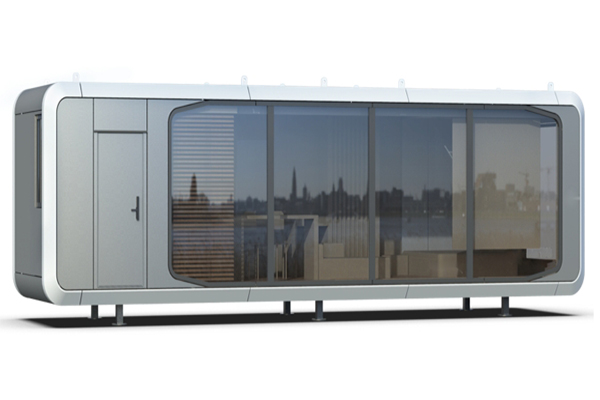

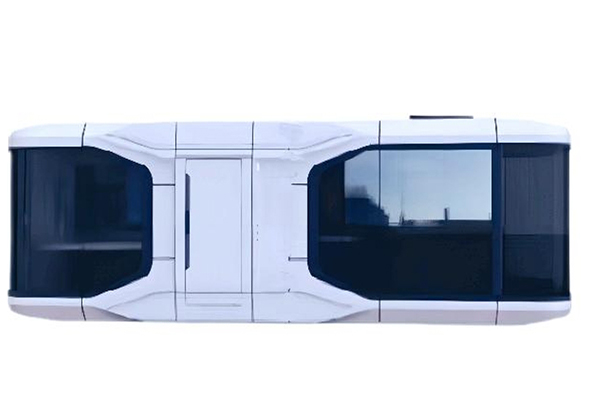
The housing market is changing fast, and folding container homes are a smart investment. These homes are cheap and eco-friendly, making them great for today’s needs.
In 2023, folding container homes were worth USD 3.2 billion.
By 2032, they may grow to USD 6.7 billion, with an 8.5% yearly growth rate.
More people want portable and green homes, boosting their popularity. Growing cities in places like Asia Pacific show they help solve housing costs.
Key Takeaways
Folding container homes are cheap and good for the environment. Their market is expected to grow from $3.2 billion in 2023 to $6.7 billion by 2032.
These homes are flexible and can serve many uses, like helping during disasters or as temporary homes. They are a great option for today’s needs.
Buying folding container homes helps the planet and solves the need for low-cost housing in fast-growing cities.
Understanding Folding Container Homes
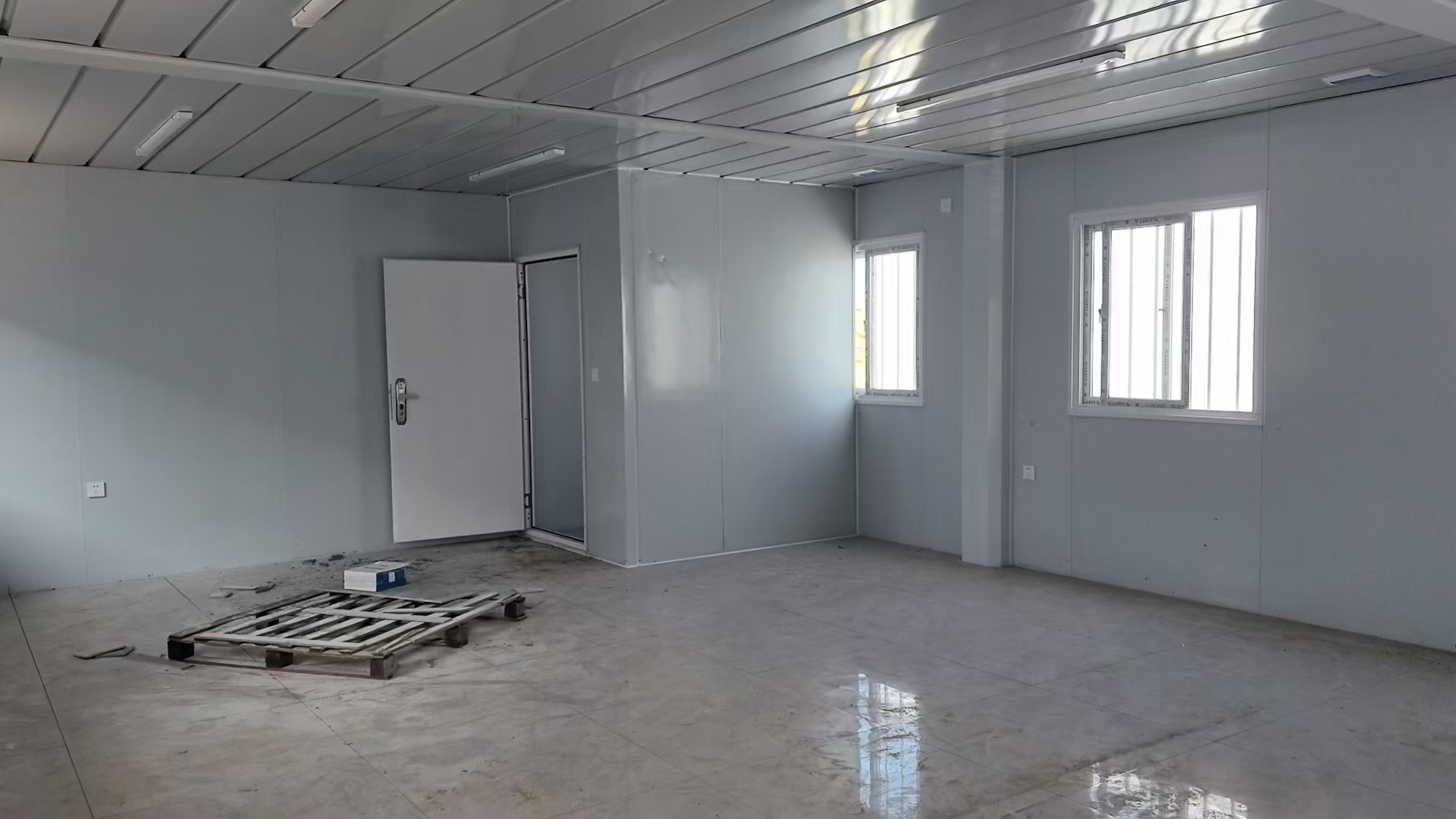
What Are Folding Container Homes?
Folding container homes are houses made from shipping containers. They can fold flat, making them easy to move. These homes are quick to set up once delivered. They are great for small spaces or temporary housing needs. Unlike regular houses, they are built in factories and arrive ready to use.
The global market for these homes is growing fast. In 2023, it was worth USD 8.34 billion. By 2033, it might grow to USD 22.53 billion, with a 10.45% yearly growth rate. This shows they are becoming a popular housing choice.
Why Folding Container Homes Are Special
These homes have many benefits that make them unique. First, they are eco-friendly. Old shipping containers are reused, cutting down on waste. This helps save resources and supports green living. Second, their design can be changed easily. Architects can create homes for families or even tall buildings.
Another great thing is how efficient they are. They are built in parts and put together quickly. This saves time and avoids problems during construction. Their small size also makes them cheaper to move. Plus, they can be taken apart and used again, which is very sustainable.
Comparing Them to Regular Homes
Folding container homes are different from regular houses in many ways. Regular homes need cement bases, which harm the environment. Container homes skip this step, making them greener. They also cost less to build because less work is needed on-site.
Here’s a simple comparison:
This table shows why folding container homes are a smart choice. They are better for the planet and easier to move. While regular homes are still useful, container homes are a modern and flexible option.
Market Growth and Trends
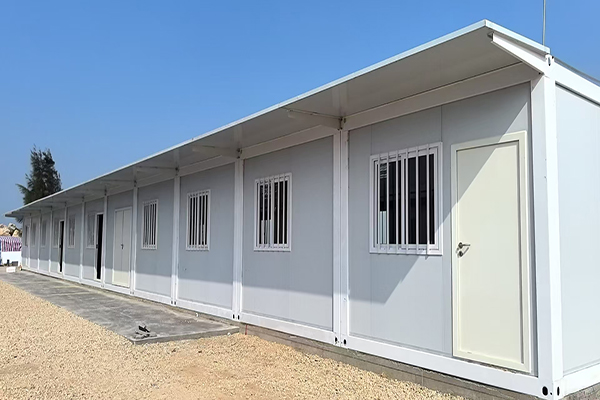
Global Market Size and Growth Projections
The market for folding container homes is growing fast. Reports show it will expand a lot in the next decade. In 2024, the market size might reach $8.55 billion. By 2029, it could grow to $13.57 billion. This means it will grow by 9.7% each year. The steady rise shows more people want these unique homes.
Here’s a simple look at the market growth:
This growth isn’t just about numbers. It shows folding container homes are a top choice. People like them because they are cheap and eco-friendly.
Drivers of Market Expansion
Many things are helping the folding container home market grow. One big reason is the high cost of regular houses. For example, house prices in Northern Ireland rose by 1.4% in 2023. Foldable homes are a cheaper option for families.
Another reason is the need for emergency housing. In 2022, over 421,000 people were homeless. These homes are great for emergencies because they are quick to set up. They can also be reused many times.
Sustainability is another important factor. Many people now want eco-friendly homes. Folding container homes use recycled materials and are better for the planet. Their design also saves space, making them perfect for crowded cities.
Other trends, like disaster relief housing and green living, help the market grow too. These homes are not only useful but also good for the environment.
Regional Trends and Hotspots
Folding container homes are popular in different parts of the world. In Asia-Pacific, cities are growing fast, like Bengaluru. These homes work well there because they save space and build quickly.
In Europe, people care about eco-friendly housing. Governments support green homes, and folding container homes fit this goal. In North America, high housing costs make people look for cheaper options.
Each region has its own needs, but one thing is clear. Folding container homes are solving housing problems everywhere. They are becoming a popular choice in both rich and poor countries.
Benefits of Investing in Folding Container Homes
Cost-Effectiveness and Affordability
Folding container homes are cheaper than regular houses. They save money by cutting down on building time and labor. Regular homes cost more because of materials and on-site work. These homes use old shipping containers, which lowers costs and helps the planet.
Here’s a simple look at the financial benefits:
As housing prices go up, more people need cheaper options. Folding container homes give families affordable choices without losing quality.
Sustainability and Eco-Friendliness
Folding container homes are great for the environment. They reuse shipping containers, saving resources and cutting waste. Their small size and good insulation save energy for heating and cooling.
Studies show these homes support green living. They help people live simply and reduce their impact on the planet. Features like rainwater systems and green roofs make them even better for the environment.
Here are some eco-friendly benefits:
Old containers are reused, cutting carbon emissions.
Less material is needed, saving energy and lowering pollution.
Their design causes less damage to the land during setup.
Solar panels and other green energy can be added to save more energy.
These homes meet the growing need for eco-friendly housing. They save resources and encourage people to live responsibly.
Versatility in Use Cases
Folding container homes are useful in many ways. They work well for disaster relief, events, and more. Their design makes them easy to change and move.
For example, they are perfect for disaster relief. They can be set up fast to help people after natural disasters. In cities, they turn empty land into homes, solving housing problems. They also work as temporary offices or event spaces.
Here’s how they are used:
These homes are also comfortable in different climates. They can be used as homes, stores, or shelters, showing how flexible they are.
Challenges in the Folding Container Home Market
Rules and Policy Problems
One big problem for folding container homes is strict rules. Many cities have old building codes that don’t allow new housing types. For example:
Zoning laws often block container homes in neighborhoods.
Only 15% of cities worldwide updated rules for modular homes, says the International Code Council.
These rules make it hard to use this smart housing idea. Governments should change policies to support green and affordable homes like these.
How People See Folding Container Homes
Another issue is how people think about these homes. Many believe they are cheap or only for short-term use. This wrong idea makes it tough for these homes to become popular. Surveys show people don’t know their benefits. They don’t realize these homes are strong, eco-friendly, and useful.
Getting permits is also a hassle. Different places have rules that don’t fit container homes. This makes it harder for people to own one.
Problems with Materials and Supply Chains
Getting materials for folding container homes can be tricky. Shipping containers, the main material, aren’t always easy to find. If containers need to be imported, transport costs go up.
Also, not all containers are the same quality. Some need big changes to meet safety and insulation needs. These problems can raise costs and slow down building, making it harder to meet demand.
Future Opportunities for Investors
New Ideas in Design and Technology
The folding container home market is growing fast with new ideas. These homes now use lighter materials, cutting building costs but staying strong. They are easy to move, fitting today’s need for flexible living. Inside, spaces can change to fit different needs, making them very useful. Designs are also more unique, giving people more choices to match their style.
New trends like modular building and eco-friendly ideas are shaping this market. Governments are supporting these changes, especially for emergency housing. With a yearly growth rate of 9.1%, there’s a lot of room for new technology.
Working with Governments and NGOs
Governments and NGOs help make folding container homes more popular. They focus on solving housing problems and giving shelter during emergencies. For example, governments in disaster-prone areas use these homes for quick housing. NGOs also use them to help people during crises.
Investors can work with these groups to grow the market and do good. By teaming up with governments, they can get financial help and support for green housing. NGOs also show how useful these homes are in real-life situations.
Growth in New Markets
New markets offer big chances for folding container homes. Fast-growing cities in Asia-Pacific and Latin America need cheap and green housing. These homes are great for emergencies because they are easy to move and set up quickly.
Big growth chances in new markets needing affordable homes.
Fast urban growth increases demand for low-cost housing.
Portable homes are perfect for disaster relief and quick setups.
Green building materials are becoming more popular.
Modular designs make these homes flexible and scalable.
Investors can focus on areas with fast city growth and government support for green housing. These homes are affordable, flexible, and eco-friendly, making them a great choice for new markets.
The market for folding container homes has huge opportunities for investors. It is expected to grow from USD 6.3 billion in 2021 to USD 15.8 billion by 2028. This growth is due to more people moving to cities and wanting cheaper, eco-friendly homes. These homes are affordable and can be used for many purposes, like helping after disasters or modern housing.
📊 Market Snapshot:
Investing in these homes supports green living and fights high housing costs. Their easy-to-build design makes them a smart choice for the future. Now is a great time to look into this creative housing option.
FAQ
Why are folding container homes good for the environment?
These homes use old shipping containers again. This helps cut waste and saves materials. Their small size also uses less land and energy to build.
Can folding container homes handle bad weather?
Yes, they can. Strong materials like steel make them tough. With good insulation and extra support, they work in hot or cold weather.
Can you change folding container homes?
Yes, you can! You can change the layout or add things like solar panels. You can even stack them to make bigger spaces. This makes it easy to design a home that suits you.