

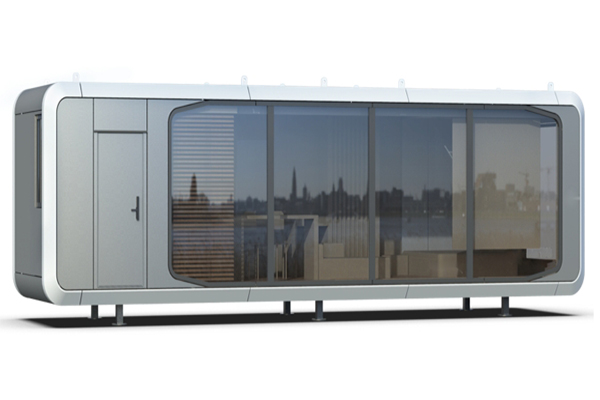


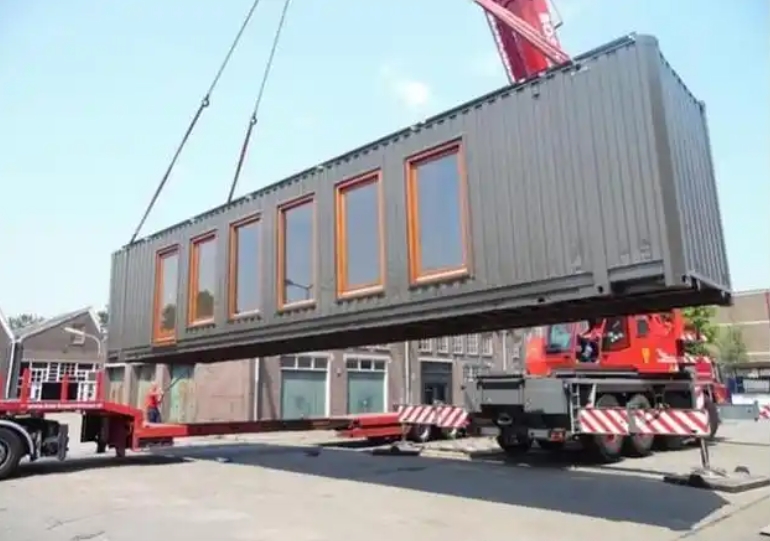
A shipping container house uses standardised steel containers, typically 20 or 40 feet long, as its building blocks. These homes have gained popularity due to their affordability and adaptability. The global market for container homes, valued at USD 64.2 Billion in 2023, shows a projected growth of 6.6% annually, driven by urbanisation and housing shortages. Shipping container homes offer customisation options, making them versatile and appealing to diverse homeowners. The size of a shipping container home depends on the number of containers used and their configuration. Following the right steps to build a shipping container home ensures efficient use of space.
Key Takeaways
Container homes are cheap and easy to customise, so they are popular for modern homes.
A 20-foot container gives around 150 square feet of space. A 40-foot container has 300 square feet, enough for kitchens and bathrooms.
Joining containers together allows creative designs and more space. This suits growing families and different lifestyles.
Dimensions of a shipping container house
Standard container sizes
Shipping containers come in a variety of standardised sizes, making them versatile for different applications, including housing. The most common sizes are 10-foot, 20-foot, and 40-foot containers. These containers are designed to meet international shipping standards, ensuring uniformity in dimensions and structural integrity.
The 20-foot container is the most widely used for shipping container homes due to its balance of size, cost, and availability. For larger projects, 40-foot containers provide double the floor space, making them ideal for multi-container configurations.
Living space in a single container
A single shipping container offers a compact yet functional living space. A 20-foot container provides approximately 150 square feet of internal space, while a 40-foot container doubles this to 300 square feet. This space can accommodate essential features such as a small kitchen, bathroom, and sleeping area.
Tip: A 40-foot container is better suited for individuals or couples seeking more room for furniture and storage.
However, the limited width of 8 feet can pose challenges for interior layouts. Modifications such as insulation and wall panelling further reduce the usable space. Despite these limitations, a single container remains a cost-effective option for those seeking a minimalist lifestyle.
High cube containers and their benefits
High cube containers are a variation of standard containers, offering an additional foot in height. While standard containers have an exterior height of 8 feet 6 inches, high cube containers measure 9 feet 6 inches. This extra height translates to increased interior space, making them a popular choice for shipping container home designs.
High cube containers are particularly advantageous for taller individuals or those requiring lofted spaces. They also allow for better ventilation and lighting, enhancing the overall comfort of the living environment. Although they come at a slightly higher price, their benefits often outweigh the additional cost for many homeowners.
Expanding a shipping container home

Combining multiple containers
Shipping container homes offer a modular design, allowing homeowners to expand their living space by combining multiple containers. This flexibility is one of the key benefits of shipping container homes. Homeowners can start with a single container and add more units as their needs evolve. This approach provides a flexible housing solution that can adapt to changing family sizes or lifestyle preferences. Shipping containers are recognised for their structural strength, making them viable building components. They offer modularity, allowing for flexible design and placement in various site conditions. The construction using shipping containers can be achieved at a lower cost and within a shorter timeframe compared to traditional methods.
Vertical stacking and multi-storey options
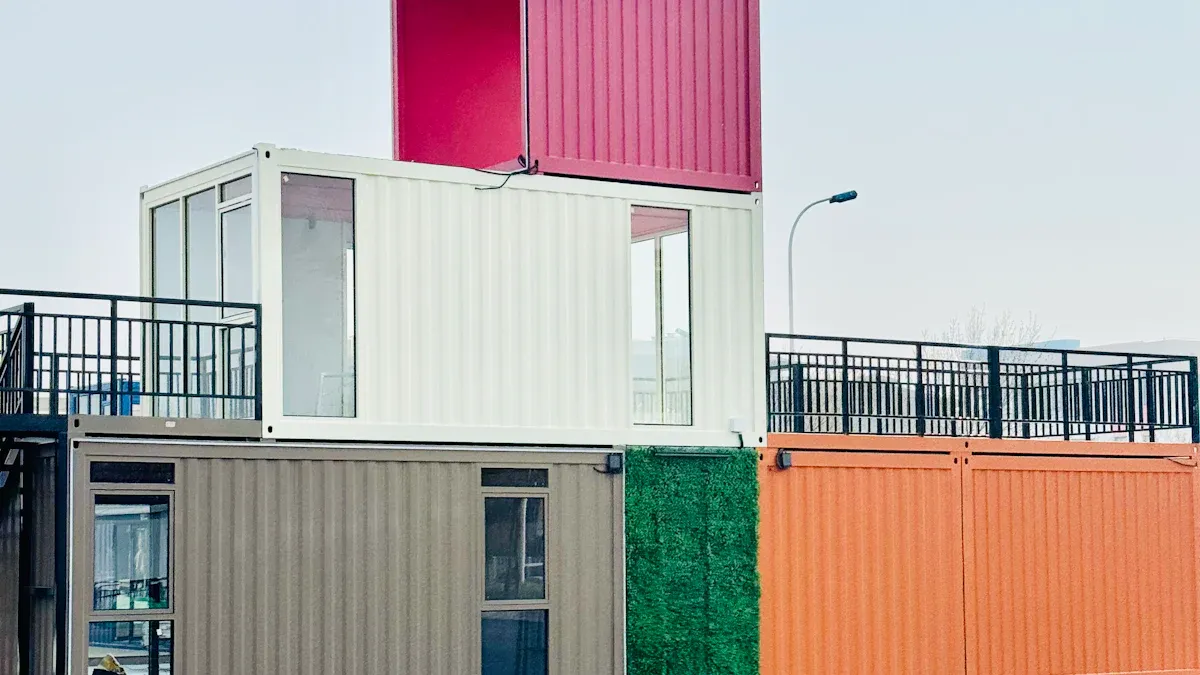
Vertical stacking of shipping containers enables the creation of multi-storey homes. This method maximises the use of limited land space, making it ideal for urban environments. The structural integrity of shipping containers supports vertical stacking, allowing for the construction of two or even three-storey homes. This approach not only increases living space but also provides opportunities for creative architectural designs. For instance, a young couple downsized and chose a sustainable lifestyle by moving into a modern, eco-friendly container house built by Anchengtong. They found their new home comfortable and embraced a greener lifestyle.
Custom layouts for larger homes
The modular structure of a shipping container home allows for endless custom designs and creative layouts. Shipping containers provide exceptional design flexibility due to their modular nature, allowing for various configurations to meet unique design needs. The spacious interiors of containers offer numerous creative opportunities for different layouts and utility clusters. Modern container homes often feature open-concept layouts, which enhance the feeling of space and versatility in smaller areas by removing unnecessary walls. Case studies explore a range of shipping container buildings, focusing on both specific types and individual projects, offering valuable tips and insights from those involved.
Factors affecting the size of shipping container homes
Insulation and interior modifications
Insulation plays a critical role in determining the usable space within a shipping container home. While insulation improves energy efficiency, it also reduces the interior dimensions. For instance, adding wall insulation and panelling can decrease the width of a container by several inches. This reduction may seem minor but can significantly impact the layout of smaller homes.
Well-insulated shipping container homes require less energy for heating and cooling, making them cost-effective and environmentally friendly. Smaller spaces benefit from reduced energy consumption, while features like strategically placed windows and doors enhance natural ventilation and daylighting. These design choices improve comfort and usability without increasing the overall size.
Note: High-quality insulation not only lowers energy costs but also creates a more comfortable living environment, especially in extreme climates.
Interior modifications, such as partition walls, built-in furniture, and storage solutions, also influence the available space. While these additions enhance functionality, they can limit the open floor area. Homeowners must balance practicality with spatial efficiency when designing their interiors.
Outdoor extensions and additional structures
Outdoor extensions and auxiliary structures can significantly expand the functional size of shipping container homes. Features like decks, patios, and pergolas provide additional living areas without altering the container's physical dimensions. These spaces are particularly valuable for activities such as dining, relaxation, or gardening.
Surveys highlight the importance of outdoor spaces in residential design. For example:
A study by ISTAT in Italy revealed that 11.4% of apartments lacked private outdoor areas, affecting millions of families.
During Portugal's first lockdown, 51.3% of respondents prioritised outdoor spaces over indoor habitable areas.
Poorly designed or absent outdoor spaces have been linked to declines in physical and mental health during confinement periods.
Outdoor extensions not only enhance the liveability of shipping container homes but also increase their market appeal. These additions are often cost-effective compared to expanding the interior, making them a popular choice for homeowners seeking affordable solutions.
Local building codes and regulations
Local regulations heavily influence the size and design of shipping container homes. Building codes vary by region and dictate factors such as maximum height, structural integrity, and permissible modifications. For instance, in California, shipping container homes must comply with the California Building Standards Code and Land Development Code.
These regulations ensure safety and uniformity but can limit design flexibility. For example, some regions prohibit vertical stacking or require specific insulation standards, which can increase the shipping container home cost. Homeowners must consult local authorities and adhere to these guidelines to avoid legal complications.
Lan'en International, a leader in sustainable housing solutions, emphasises the importance of understanding local regulations before starting construction. Proper planning ensures compliance and helps optimise the size and functionality of shipping container homes.
Shipping container homes provide unmatched flexibility in size and design. A shipping container house can range from a compact single-container unit to a sprawling multi-container layout. The size depends on the number of containers, their configuration, and modifications. To build a shipping container home, careful planning of insulation, layout, and local regulations is essential. The cost of construction and the price of materials also play a significant role in determining the final design.
FAQ
What is the average cost of building a shipping container home?
The average cost of building a shipping container home ranges from £20,000 to £50,000. Factors like insulation, modifications, and local regulations influence the final cost.
Are shipping container homes cost-effective compared to traditional houses?
Yes, shipping container homes are cost-effective. They require less material, shorter construction times, and lower labour costs, making them an affordable housing option.
How does insulation impact the cost of a shipping container home?
Insulation increases the cost but improves energy efficiency. High-quality insulation reduces heating and cooling expenses, making it a worthwhile investment for long-term savings.