

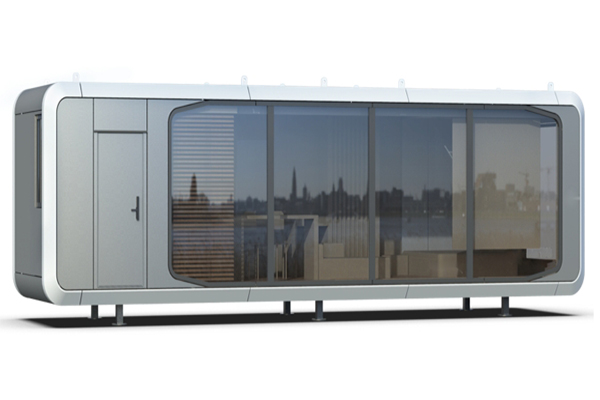

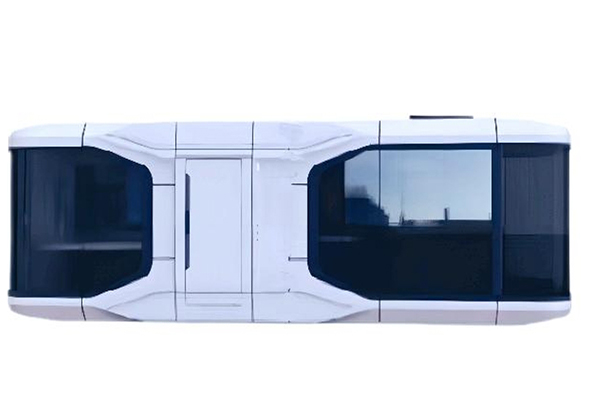
Space capsule housing is changing how we see homes. It gives a new solution to city problems. These small homes mix smart design with eco-friendly ideas. They are great for today’s way of living. They are cheap and help with land and nature issues. Capsule homes are changing city life.
Key Takeaways
Space capsule homes are cheaper, costing $20,000 to $100,000. This makes owning a home possible for more people.
These homes are made fast, in just a few weeks. This helps solve housing problems in crowded cities.
Capsule homes use green materials, cutting pollution and saving energy. They are a smart and eco-friendly way to live today.
Innovations in Space Capsule Housing
Modular Construction Techniques
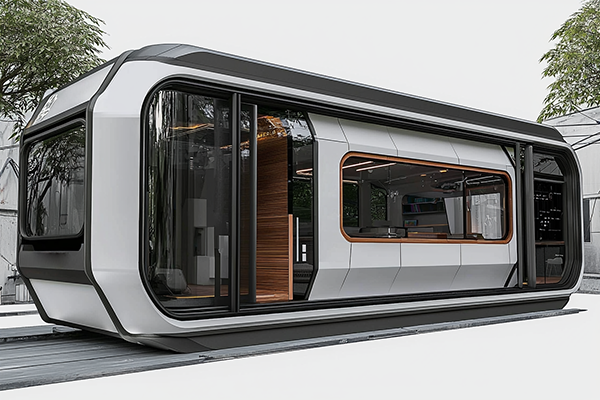
Modular construction is key to building capsule homes. These homes are made in sections inside factories. This process helps with faster building and better planning. Studies show it can cut building time by half. Costs are also reduced by 10-20%, making them affordable for many.
These homes are fast to build and can be customized. People can design them to match their needs.
Smart Technology Integration
Capsule homes use smart technology to save space. Designs like The Micro Loft use clever furniture and tall spaces to feel bigger. Another design, The Foldable Capsule, folds up when not needed. These ideas show how technology makes small homes comfy and useful.
Sustainable and Eco-Friendly Materials
Capsule homes are made with eco-friendly materials. These materials lower pollution and save water. Research says they cut CO2 by 35% and water use by 20-30%. This makes them a great choice for green living.
Compact and Functional Design
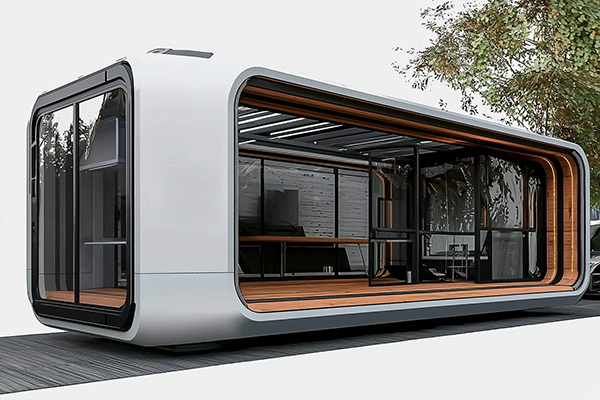
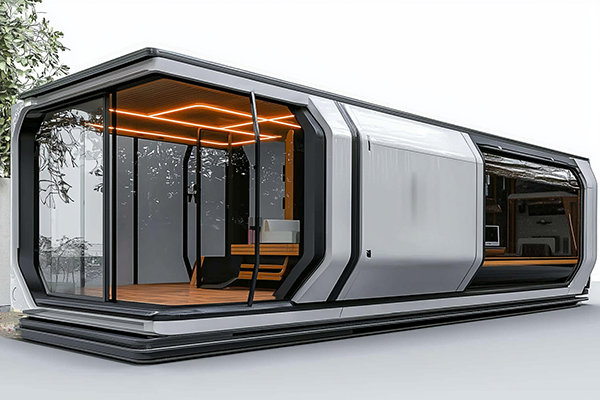
Capsule homes are small but smartly designed. Every space is used well. Built-in storage and foldable furniture make them practical and stylish. These designs give modern living solutions that work for small spaces.
Benefits of Capsule Houses
Affordable and Budget-Friendly
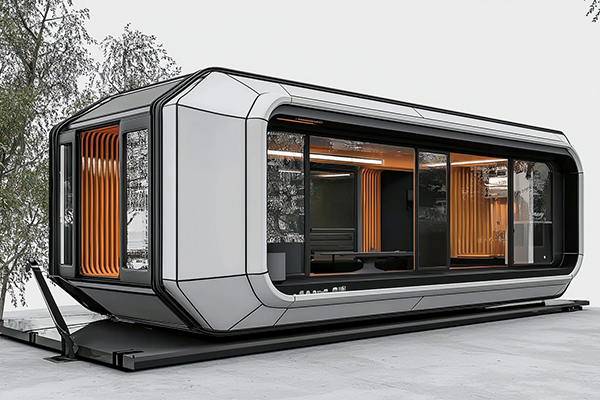
Capsule houses are a great option for saving money. These small homes cost much less than regular houses. Building and maintaining them is cheaper too. For example, a regular house can cost over $200,000. Capsule houses, however, cost between $20,000 and $100,000. They also take only weeks to build, not months or years. This saves on labor costs.
Capsule houses are a smart choice for affordable living. They also lower utility bills and reduce the need for big loans.
Suitable for City and Country Living
Capsule houses work well in both cities and rural areas. In cities, they fit into small spaces and are great for students or workers. In rural areas, they can be cozy homes or vacation spots. Their portability makes them easy to move if needed.
Cities like Tokyo and Singapore use capsule hotels for visitors.
Urban areas like these embrace capsule houses due to limited space.
In rural areas, they are simple and blend with nature.
This flexibility makes capsule houses perfect for many lifestyles and locations.
Environmentally Friendly
Capsule houses are great for the environment. They use eco-friendly materials and save energy. They need less heating, cooling, and lighting than regular homes. Environmental groups support them because they produce less pollution.
Choosing capsule houses helps the planet while offering modern comforts.
Fast and Easy to Build
Capsule houses are quick to set up. Their modular design allows for fast construction. Resin capsules, for example, make them strong and stable right away. This makes them useful for emergencies or big projects.
Their speed and scalability make capsule houses a great solution for housing needs everywhere.
Challenges in the Capsule House Business
Public Perception and Market Acceptance
Capsule houses are still new to many people. Some think they are too small or unusual. Teaching people about their benefits is very important. For example, they are cheap and good for the environment. These features can help people in need of housing. But, changing how people see them takes time. Also, new investors often struggle to get money to build them. This slows down the growth of the business.
Regulatory and Zoning Hurdles
Capsule houses must follow strict building and zoning rules. These rules are different in every area. In some places, it’s hard to get approval for capsule homes. Local governments may not like them because they are not like regular houses. This causes delays and makes building more expensive. Easier rules could help the capsule house business grow faster.
Space and Privacy Limitations
Space and privacy are big worries for capsule house buyers. People staying in capsule hotels often complain about noise and small spaces. This shows why good design is so important. Adding soundproof walls and private areas can make them better. Even though capsule houses use space well, they may not work for everyone. Families or people who want big homes might not like them.
Long-Term Durability Concerns
Durability is another issue for capsule houses. They are made with light materials to save money and build quickly. But, some wonder if they will last a long time. Regular care and upkeep are needed to keep them in good shape. Builders should use strong materials and offer maintenance plans to fix this problem.
Impact of Capsule Houses on Urban Development
Addressing Housing Shortages
Capsule houses help solve housing problems in cities. Today, over half the world lives in cities. By 2050, this will grow to 68%. Cities need small, affordable homes to meet this demand. Capsule houses fit into tight spaces and cost less than regular homes. They also improve city life with green areas and healthcare access. These features make them perfect for crowded urban areas. Capsule houses are a smart way to handle growing city populations.
Promoting Sustainable Urban Growth
Capsule houses support eco-friendly city growth. They use materials that lower pollution and save resources. These homes need less energy for heating and cooling, cutting carbon emissions. They also encourage compact living, which stops cities from spreading too far. This helps protect nature near cities. Choosing capsule houses can create greener, healthier places to live.
Reducing Homelessness
Capsule houses can help reduce homelessness. They are cheap, so more people can afford them. Governments can use them for emergency housing during crises. They are quick to build, making them useful in urgent situations. Capsule houses can give people safe and stable homes. Their portability means they can be placed where housing is needed most.
Shaping the Future of Real Estate
Capsule houses are changing the housing market. Their portability is great for travelers or temporary housing needs. They are affordable, attracting buyers who want to save money. Their eco-friendly design fits the trend of green living. Capsule hotels are growing because people want cheaper places to stay. Smart technology makes these homes even better. Capsule houses will keep growing in popularity and shaping cities and real estate.
Space capsule housing is changing city life. These homes bring life back to old neighborhoods. They help attract people and grow local businesses. Capsule houses are built to be eco-friendly and waste less. Their low cost and green design help build lively, sustainable city areas.
FAQ
What are capsule houses?
Capsule houses are small, ready-made homes for modern living. They save space, use green materials, and are a cheaper housing option for cities and countryside.
How long does it take to build a capsule house?
Capsule houses take just weeks to build. Their parts are made in factories, so they can be put together quickly.
Are capsule houses suitable for families?
Capsule houses are best for one person or small families. They are small but cozy, though bigger families might find them too tight.