





Handling the delivery and setup of a space capsule house needs careful planning. I focus on three key things: preparation, transport, and rules. For example, UVO gives clear shipping costs and tracking tools. This makes delivery easy and smooth. Their method helps plan better, keeps customers happy, and saves time building the capsule homes. Getting the site ready makes setup easier. It ensures the capsule house fits well and works properly.
Key Takeaways
Get the capsule house ready by making it strong and secure. Use covers to stop it from getting damaged while moving.
Pick the correct container for shipping. Make sure it matches the capsule house's size and weight to protect it during delivery.
Prepare all needed customs forms before shipping. A customs broker can help make this easier and faster.
Choosing the Right Container for Capsule Houses
Types of Containers for Transporting Capsule Houses
Picking the right container is very important for shipping. Containers must keep the capsule house safe during the trip. I suggest using ISO shipping containers. These are strong and can carry heavy items. For taller capsule houses, high-cube containers are a better choice. They have extra height for bigger prefabricated buildings.
Flat-rack containers are good for large capsule houses too. They have open sides, making loading and unloading simple. These are great for buildings that are easy to put together on-site. In areas with extreme weather, temperature-controlled containers are helpful. They protect materials from damage during the trip.
Compatibility with Space Capsule House Models
Not every container fits all capsule house models. I always check the size and weight of the house first. This makes sure the container can carry it safely. For modular designs, I like containers that can stack or sit side by side. This saves space and lowers shipping costs.
I also think about how the house is built. Capsule houses that are simple to assemble need less special handling. This means they can fit more types of containers. For harder designs, I suggest asking the manufacturer. They can help pick the best container for safe shipping.
Getting Ready to Move a Capsule House
Strengthening and Packing the Capsule
Before moving, I focus on making the capsule strong and packed well. Capsule houses are both fragile and sturdy, so protecting them is key. I use soft foam or EVA panels to guard corners and edges. Inside parts like beds, shelves, and gadgets are secured with spring mounts to stop shifting.
To prevent scratches or breaks, I wrap the capsule in tough plastic sheets. I also add extra protection to the edges to reduce damage during handling. Balancing weight is very important for safe transport. I place heavier items in the middle of the container. Then, I tie them down with strong straps to keep them steady.
Protecting Against Weather
Keeping the capsule safe from weather is very important. Rain, snow, or heat can harm its structure. I cover the capsule with thick plastic or tarps to block bad weather. This layer keeps it dry and safe from water damage.
For extra safety, I add GPS trackers and vibration sensors. These tools help me watch the capsule's condition during the trip. They also alert me to any problems. Careful packing and weatherproofing make moving a capsule house easy and safe.
Delivery and Handling of Capsule Houses

Loading and Unloading Procedures
Loading and unloading need care and attention. I focus on safe handling to avoid damage. Cranes and forklifts lift the capsule house gently. This stops stress on its structure. I also balance the weight to prevent tipping or shifting.
Packing well helps reduce damage during transport. Studies show over half of cargo damage happens from bad packing. Also, 1 in 5 damages is caused by water. To fix this, I use waterproof covers and seal openings. These steps keep the capsule house safe and in good condition.
Tracking and Monitoring During Delivery
Watching the capsule house during delivery keeps it safe. I use tracking tools to check for problems quickly. For example, SST systems track the capsule's trip and warn about risks. STM systems help avoid crashes and manage space traffic.
These tools, along with GPS and sensors, check the capsule's condition live. This makes delivery smooth and keeps everyone worry-free.
Navigating Rules for Capsule House Delivery
Customs Papers and Following Rules
Following customs rules is very important for shipping capsule homes. I always check that all papers are ready to avoid problems. Correct documents make the process faster and follow global shipping rules. Here is a table of key papers needed for delivery:
I suggest checking these papers twice before shipping. Wrong or missing papers can cause big delays. Being prepared helps the delivery go smoothly.
Using Customs Brokers
For global shipping, I often work with customs brokers. They handle papers and follow rules, saving me time and effort. Their knowledge helps cut costs and ensures quick delivery.
Customs brokers take care of tricky paperwork and rules.
They find cheaper shipping paths to save money.
Extra help, like insurance and storage, makes things easier.
By trusting a good customs broker, I can focus on other tasks. They handle the hard parts of customs and rules. Their help ensures the capsule house arrives safely and on time.
Installation of a Space Capsule House
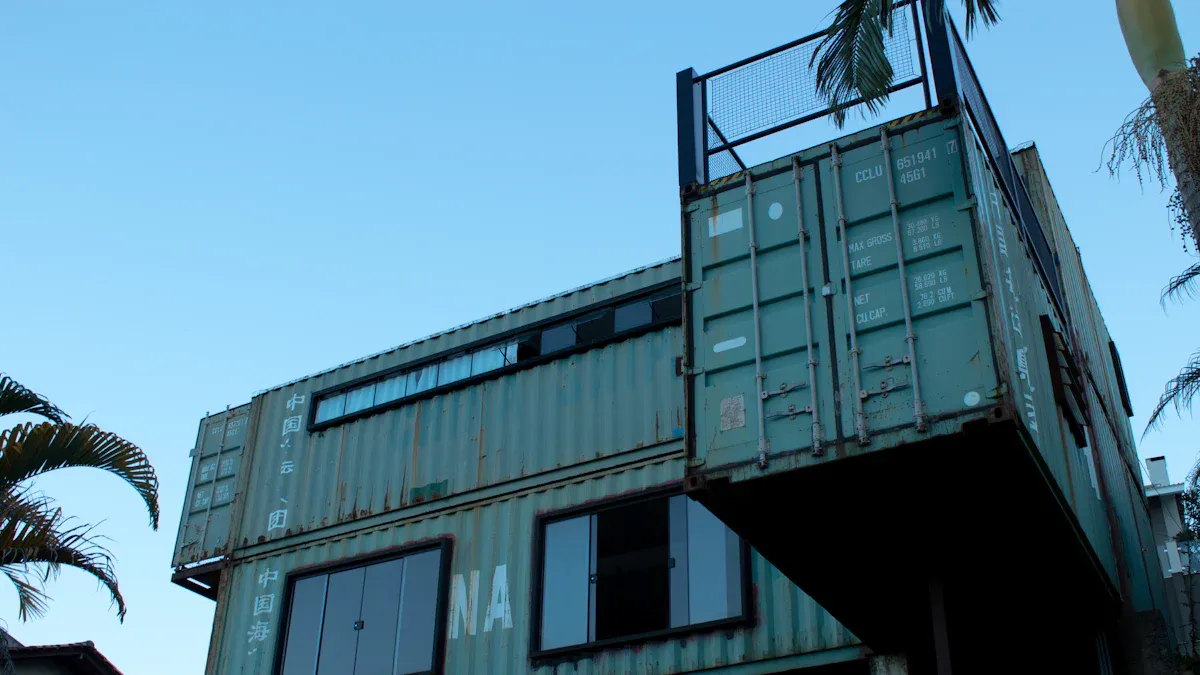
Getting the Site Ready and Building the Base
The first step is preparing the site for the capsule house. I check the ground to make sure it can hold the house. If the ground is uneven or weak, it can cause problems later. To fix this, I flatten the area and pack the soil tightly. In places that flood, I suggest raising the base to keep the house safe from water.
The type of base depends on the house design. Light capsule houses can use a concrete slab or piers. Heavier ones need stronger bases like reinforced concrete or steel frames. I also make sure water, power, and sewage lines are ready. This helps avoid delays when setting up the house.

Putting Together and Checking the Capsule House
The setup starts by unloading the house parts carefully. I follow the maker’s instructions to connect the pieces securely. Cranes or forklifts help place each part in the right spot. After building, I check everything to make sure it’s safe and ready.
I use a checklist to avoid missing anything. For example:
This process ensures the house is safe and ready to live in. Fixing any problems during setup makes sure the house meets safety rules and customer needs.
Managing the delivery and setup of a space capsule house needs good planning. I follow these steps to make it work well:
Make the capsule house strong, pack it safely, and shield it from bad weather.
Use the right tools to lift and unload it carefully. Keep it balanced and safe.
Get customs papers ready, know HS codes, and hire a customs broker for help.
These steps make the process easy, lower risks, and follow rules. I suggest hiring experts to handle tricky jobs and prevent delays.
FAQ
How can I keep the capsule house safe during delivery?
Use strong packing materials and cover it to block weather. Add tracking tools to check its condition during the trip.
What needs checking when setting up the capsule house?
Look at the base, walls, and utility lines. This makes sure the house is safe and works well.
Can the capsule house be changed for local rules?
Yes, makers can adjust designs to fit local codes. Talk to them to ensure it follows rules and stays high-quality.