

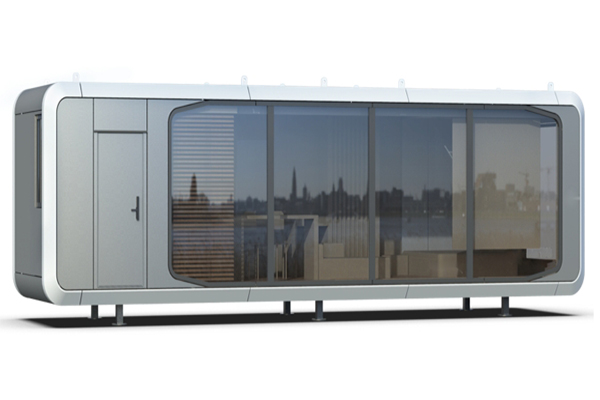


Shipping container homes are changing the housing market in big ways. They solve high costs and help the environment. Their designs are simple and popular with buyers and investors. In 2023, the global market for these homes was worth $61.83 billion. By 2032, it may grow to $108.70 billion. These homes can cost as little as $50,000. This makes them a cheap choice for new and first-time buyers. Investing in these homes is also growing. Low building costs and good resale value attract investors.
Key Takeaways
Shipping container homes are cheaper, costing 30% less than regular houses. They are great for people buying their first home.
These homes help the environment by reusing old containers. This reduces trash and saves energy, which is good for nature lovers.
You can design them in many ways. Homeowners can make cool, custom spaces that match their style.
The Rise in the Housing Industry
Challenges in Affordable Housing Prices
Finding affordable homes is a big problem today. Rules like zoning laws and higher material costs raise prices. Zoning laws alone can make homes cost 5–15% more. Building materials and labor add another 5–10%. More people moving into cities increases prices by 10–20%. This creates a gap between how many homes are needed and available. Here’s a table showing these factors:
These problems make it tough to buy homes, especially in cities. Affordable housing is still a big issue. Creative ideas like shipping container homes help solve this problem.
Sustainability Concerns in Real Estate Development
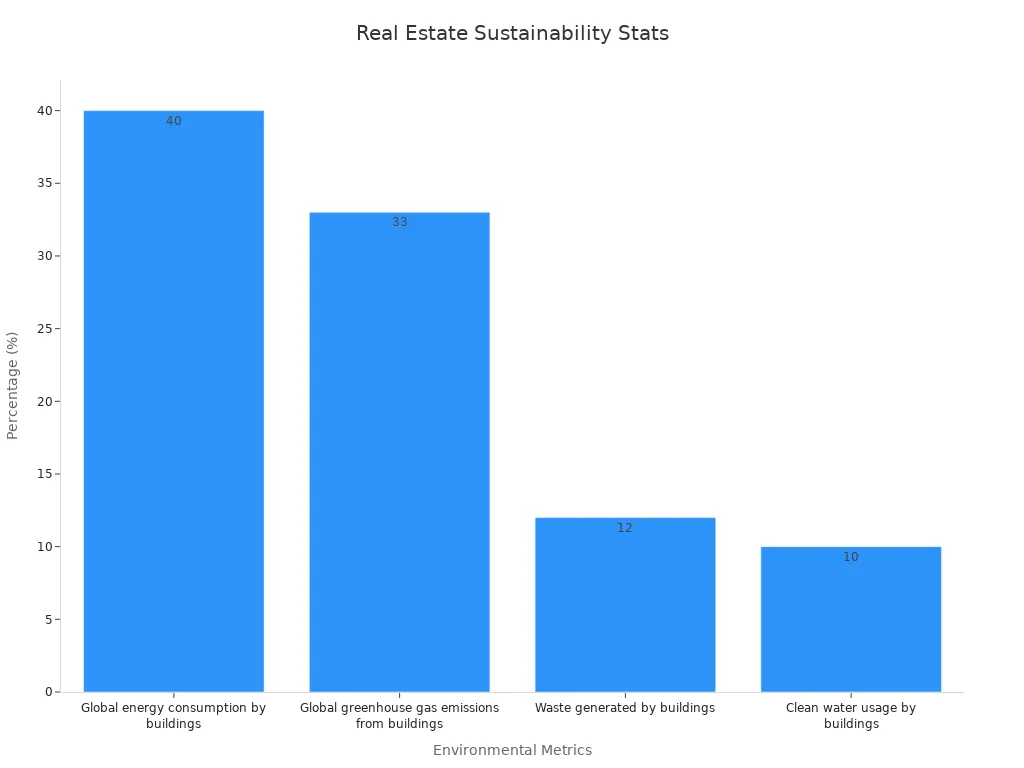
Real estate has many environmental problems. Buildings use 40% of the world’s energy and cause 33% of greenhouse gases. They also create 12% of waste and use 10% of clean water. These numbers show how much harm traditional housing causes. Below is a chart showing these facts:
In 2021, climate disasters damaged 14.5 million homes, costing $59.6 billion. About 60 million homes are in risky areas. This shows why eco-friendly housing is so important. Shipping container homes cut waste and save energy. They are a smart choice for people who care about the planet.
Growing Demand for Modular Housing Solutions
Modular homes are becoming more popular. Projects like C1TYblox in Nashville use 21 containers for stores. Potter’s Lane in California houses homeless veterans with 48 containers. Trumbull Squared in Detroit has a three-story condo made from nine containers. Another project, 83 Freight in Nashville, will use 171 containers for a $16 million development.
These projects show how modular homes solve cost and eco problems. They are also quick to build and sell well. As housing needs change, modular homes like shipping container houses are becoming more important in real estate.
What Is a Shipping Container Home?
Definition and Concept of Shipping Container Homes
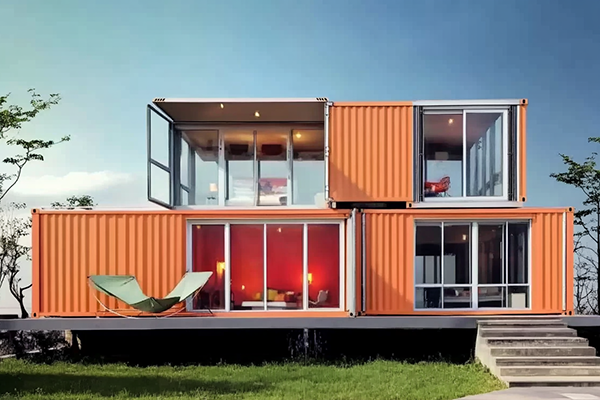
A shipping container home is made from old steel containers. These containers were once used to move goods worldwide. Now, they are turned into creative and modern homes. Their size and design can change to fit different needs.
To build one, you must follow local building rules. Some areas have extra rules, making the process harder in certain places.
These homes are popular because they are affordable and eco-friendly. They also look unique, which attracts people who want something different.
Repurposing Shipping Containers for Housing
Turning a shipping container into a home takes several steps. First, the container is checked and cleaned to make it safe. Next, windows, doors, and insulation are added to make it livable. Finally, the inside is designed to match the owner's preferences.
Here are some examples of using shipping containers for homes:
These projects show how shipping containers can become useful and creative homes.
Key Features and Design Flexibility
Shipping container homes are special because they are flexible and strong. They are cheap to build since they reuse materials, cutting costs. Their steel frames make them tough and able to handle bad weather.
These homes are built fast, saving time compared to regular houses.
They help the planet by reducing waste and using green energy.
Their modular design allows for endless creative layouts, from small studios to big family homes.
The flexibility of these homes makes them perfect for people who want creative and efficient living spaces.
Benefits of Shipping Container Homes

Affordable and Budget-Friendly
Shipping container homes are a smart way to save money. Building with containers can cost 30% less than regular homes. This makes them a great choice for buyers and investors. For example, a 320-square-foot container home costs $31,320 to $42,320. This is much cheaper than building a traditional house. They also need less foundation work, which lowers costs even more.
Another big plus is how fast they are built. Regular homes take months to finish, but container homes take just 2–3 weeks. This speed is great for investors who want quick returns. These homes also sell well, giving good profits to those who invest in them.
Environmentally Friendly and Sustainable
One of the best things about these homes is their eco-friendliness. Old shipping containers are reused, cutting down on waste. This also reduces the need for new building materials, saving resources.
Many container homes use energy-saving materials. This helps lower heating and cooling bills over time. Choosing these homes helps protect the planet. Their modular design also supports green building practices, making them perfect for eco-conscious people.
Flexible and Easy to Customize
Shipping container homes are very flexible. They can be changed to fit different needs. Adding windows, insulation, or extra sections is simple. This allows for creative designs, from small studios to large family homes.
Their strong steel frames make them tough and weather-resistant. This makes them a good choice for areas with harsh weather. Buyers can also design the inside and outside to match their style, creating unique spaces.
Fast to Build and Move
These homes are quick to build, which is a big advantage. They can be finished much faster than regular houses. This is helpful in emergencies or when investors need homes ready quickly.
Another cool feature is that they can be moved easily. This makes them great for people who like to travel or relocate. Their portability also increases their resale value since they can fit different locations and needs.
Challenges and Limitations of Shipping Container Homes
Zoning Laws and Building Code Restrictions
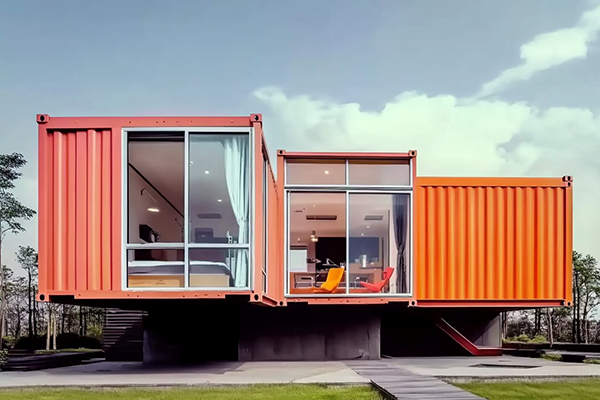
Building container homes can be tricky due to rules. Zoning laws and building codes decide where and how they can be built. For example:
You need permits to turn containers into homes.
Local rules decide if a property can have container homes.
Safety standards for plumbing, electricity, and fire must be followed.
Breaking these rules can lead to fines or even removal of the home. Insurance companies may avoid covering these homes. They worry about fewer sales and construction quality. Talking to local officials early can help avoid problems.
Insulation and Temperature Control Challenges
Keeping container homes comfortable is hard without good insulation. They can get too hot in summer and too cold in winter. Proper insulation stops condensation, mold, and rust. Spray foam, ceramic coatings, and foil can help with temperature control. In hot places, shade and airflow work well. In cold areas, walls, roofs, and floors need extra insulation to stay warm.
Structural Modifications and Associated Costs
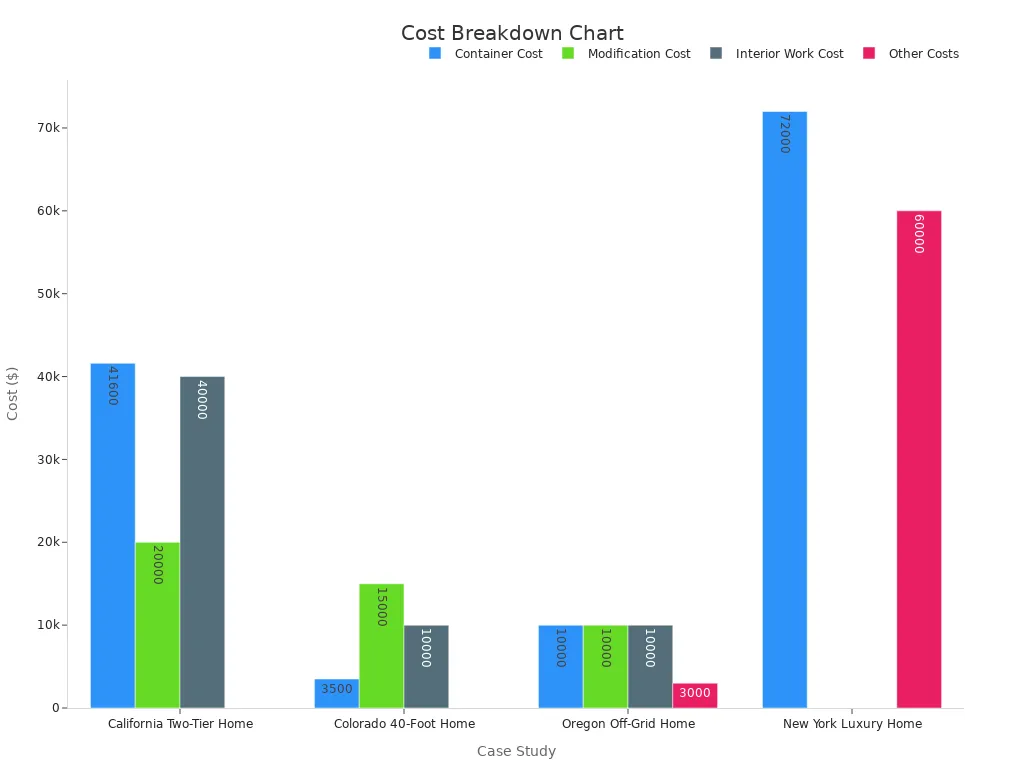
Changing containers into homes can cost a lot. Adding windows, doors, or support increases expenses. For example, a two-story home in California spent $20,000 just on changes. Here’s a cost breakdown from different projects:
Aesthetic and Perception Issues in Real Estate
Some people think container homes look plain or industrial. This can make them less popular than regular houses. It also affects their resale value in some areas. But creative designs and nice finishes can make them more attractive. This helps them appeal to more buyers.
Real-World Examples and Success Stories
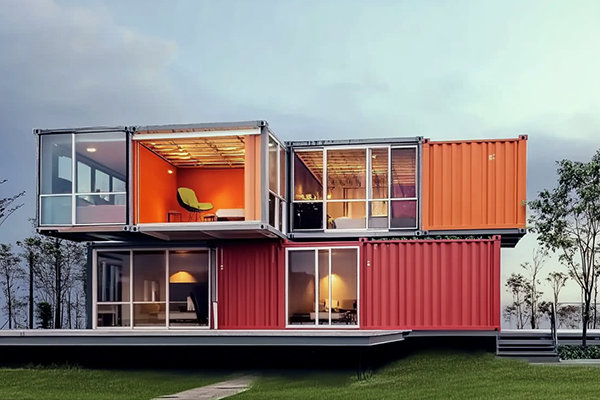
The Two-Story Shipping Container Pad by Capsule House Manufacturer
The Two-Story Shipping Container Pad shows how cool container homes can be. It uses old shipping containers to make a strong and stylish house. The home is built with tough Corten steel, which lasts long and doesn’t rust. Its tall design saves space, making it great for crowded cities.
Owners can change the inside to fit their needs. Big windows and open spaces let in sunlight and fresh air. It’s easy to take care of, so it’s perfect for busy people. As more people want eco-friendly homes, this design is becoming very popular. It’s a great mix of being good for the planet and looking modern.
Stories of Homeowners Adopting Container Living
Many people now live in container homes because they are cheap and smart. For example, the Carroll House in New York has a cool multi-story design with slanted cuts for privacy. In Sweden, the Container House was a top pick in a home contest for being eco-friendly. Costa Rica’s Containers of Hope shows how to build energy-saving homes on a budget. In Australia, a big container mansion was built fast and even appeared on TV.
Carroll House, New York, USA: A tall home inspired by the area’s industrial history.
Container House, Stockholm, Sweden: A green family home with low environmental impact.
Containers of Hope, San Jose, Costa Rica: A budget-friendly home with energy-saving features.
Suburban Container Home, Queensland, Australia: A fancy, quick-to-build home shown on Grand Designs Australia.
These examples show that container homes can be simple or fancy. They also help the planet by using fewer resources.
Community Projects Using Shipping Containers
Shipping containers are also used to help communities. Some projects make cheap homes in places where houses cost too much. Others build eco-friendly homes for growing populations. These ideas show how containers can replace regular houses in smart ways.
Studies show containers are great for building fast and saving money. In Egypt, they help solve housing problems while being kind to the planet. By reusing old containers, these projects cut waste and save resources.
These community projects prove that shipping containers can change housing. They are a smart way to fix housing shortages and help the environment at the same time.
Future Potential and Trends in the Housing Industry

New Ideas in Shipping Container Home Design
Shipping container homes are changing with fresh designs. Architects like Wes Jones and Jennifer Siegal use ready-made containers to build homes. These homes are not just useful but also look great. Mobile homes are now easier to customize and move. This helps save energy compared to regular houses. The U.S. leads in making these homes, but some people still see mobile homes negatively.
Designers focus on using space wisely while staying eco-friendly. These improvements make container homes a strong choice for future housing.
Adding Smart Technology to Container Homes
Smart technology is improving container homes. Features like automatic lights, climate control, and security systems are common now. These can be added during building or later. This makes living in container homes easier and more efficient. For example, smart systems can lower energy use, which matches the eco-friendly design of these homes. Combining technology with sustainability is changing the housing market.
Growth in Urban and Rural Housing Markets
Container homes are becoming popular in cities and the countryside. In cities, their small size fits crowded areas. In rural places, they are cheap and quick to build. Here’s how different regions are using them:
Recent projects show this trend. Evansville, Indiana, built its first two container homes in 2024. In Auckland, six public housing units were made from containers, showing their ability to solve housing problems.
Solving Housing Shortages with Container Homes
The world faces a big housing problem. Container homes offer a smart solution. They are cheap, fast to build, and good for the environment. Projects like "House in a Box, LLC" turn containers into affordable homes. These homes help communities that need housing. Their modular design works for both small and large projects. Reusing materials also cuts down on waste, supporting global green goals.
The need for affordable homes keeps growing. Container homes meet this need with creativity and practicality. They are more than just homes—they help solve a worldwide issue.
Shipping container homes are a cheap and eco-friendly housing option. They cut down on waste and allow creative designs. These homes appeal to investors by solving housing problems worldwide. Their unique style could change real estate, making them a smart pick for future homes.
FAQ
What are the main benefits of shipping container homes?
Shipping container homes are cheap, eco-friendly, and fast to build. They are easy to design and can be moved, making them a smart housing choice.
How long does it take to build a shipping container home?
Most container homes are built in 2–3 weeks. Bigger or special designs might take longer, depending on how complex they are.
Are shipping container homes durable?
Yes, they are very strong. Made from steel, these homes handle bad weather and can last many years if cared for properly.