

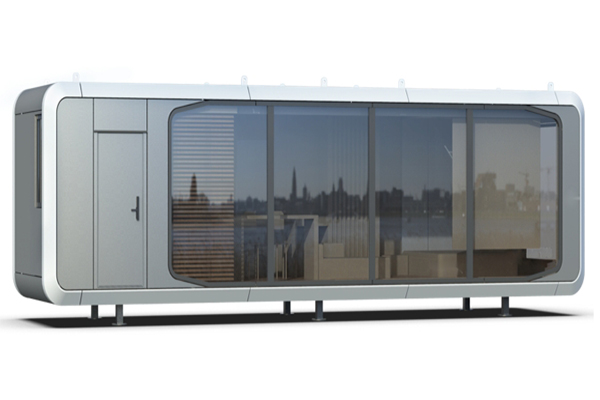

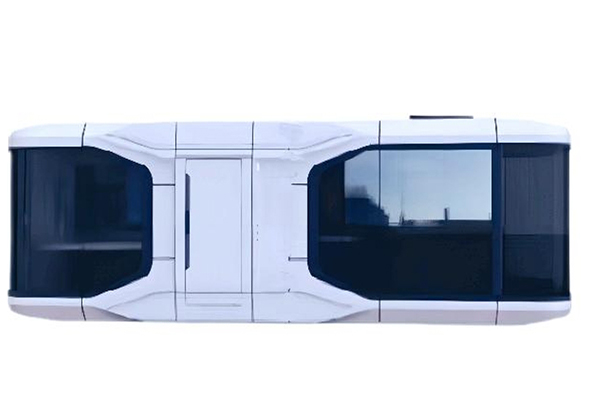
The housing problem makes it hard for families to find cheap homes, especially in places like Los Angeles. In California, over 40% of families spend more than 30% of their money on housing. This leaves less money for important needs. Prefab container homes could be a great solution. These homes are cheaper and better for the environment than regular houses. They can help people save money and improve city living.
Key Takeaways
Prefab container homes are cheaper, costing $10,000 to $175,000. Regular houses usually cost $300,000 to $500,000.
These homes are good for the environment. They use recycled materials and designs that save energy. This helps cut waste and promotes green living.
Container homes are fast to build. They can be ready in weeks, which is helpful for cities needing homes quickly.
Understanding Prefab Container Homes
What Are Prefab Container Homes?
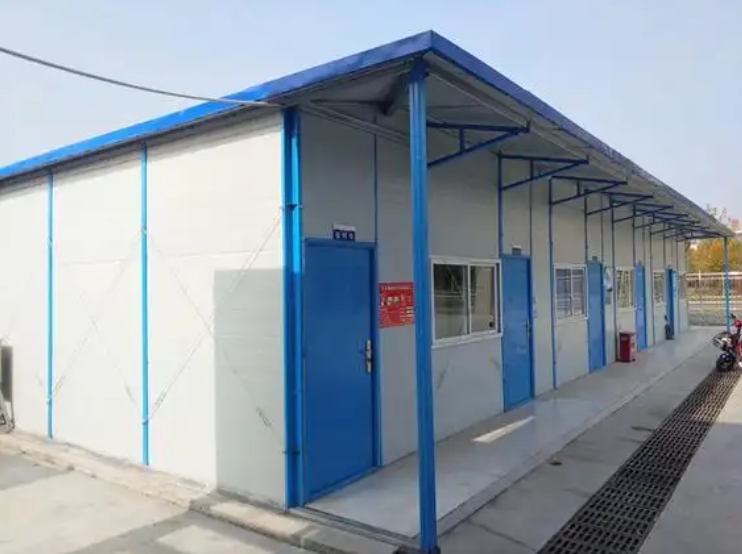
Prefab container homes are houses made from old shipping containers. Each container is like a building block for the house. This method makes building faster and easier to move. It also allows containers to be reused instead of wasted. New building technology and transport systems make these homes strong and long-lasting. They are also energy-saving and good for the planet.
These homes use modern tools to save resources and protect nature. They help save energy and cut down on trash. This makes them a great choice for people who care about the environment. They can be used for many things, like schools, hospitals, or places for workers to stay.
How They Address the Housing Crisis
Prefab container homes help solve the housing problem by being cheap and quick to build. Turning shipping containers into homes costs less money than regular houses. These homes can be built in just a few weeks. Regular houses take five to seven months to finish. This speed is important for cities that need homes fast.
A study shows 42% of young adults have given up on buying homes because of high costs. Prefab container homes are cheaper, making it easier for people to own a home.
Why They Are Gaining Popularity
Prefab container homes are popular because they are cheap, green, and flexible. There are about 14 million unused containers ready to be turned into homes. These homes are affordable and help the environment. Companies like Lan'en International and Honomobo make designs that save energy and attract eco-friendly buyers.
More people now want cool designs and homes they can customize. Housing prices have gone up by 57.8% from 2019 to 2024. This has made people look for cheaper options. Prefab container homes are fast to build, easy to change, and can be used for temporary housing too.
Benefits of Affordable Container Homes
Cost-Effectiveness and Affordability
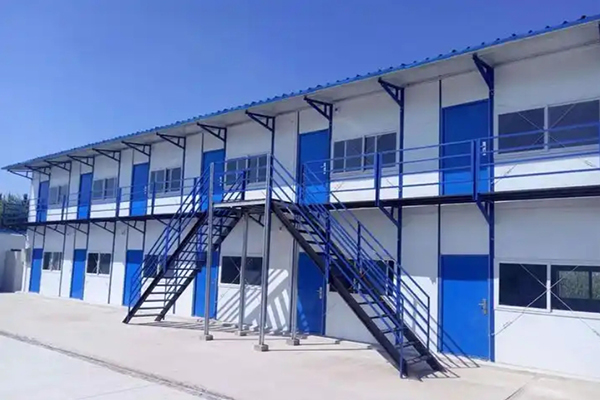
Container homes are cheaper than regular houses. Their lower prices make them easier to afford. For example, container homes cost $10,000 to $175,000. Regular homes cost $300,000 to $500,000. The table below shows the cost differences:
These homes save money on labor and take less time to build. They are a good choice for families needing affordable housing.
Sustainability and Environmental Impact
Container homes are great for the environment. They use recycled materials, cutting down on waste. This helps keep trash out of landfills and supports green living. Here are some benefits:
They take less time to build, saving energy.
They can be moved or expanded later.
Reusing containers reduces waste and helps the planet.
These homes also use less energy to run. About 62% of their energy use happens during operation. This makes them a smart choice for people who care about the Earth.
Speed and Efficiency of Construction
Container homes are built very quickly. Parts are made in factories, ensuring quality and accuracy. Here’s why they are efficient:
Dry building methods are better for the environment.
Factories use modern tools and machines.
Small designs keep homes warm and save energy.
These features make them perfect for places needing fast housing solutions.
Customization and Versatility
Container homes can be changed to fit different needs. For example, the Hopperhouse in California has custom designs inside and outside. In Los Angeles, the Mobi-Home turns containers into fancy vacation homes. These homes can be small or large, depending on what people want. Their flexibility makes them useful for many lifestyles while staying affordable.
Challenges of Prefab Container Homes
Rules and Zoning Problems
Prefab container homes face issues with rules and zoning laws. Many cities have old rules that don’t allow new housing ideas like container homes. These rules decide where and how homes can be built, causing delays.
A HUD report says zoning rules in Austin, Indiana, block "growth" and make it hard to build container homes.
Local governments should change these rules to support eco-friendly building. This would help container homes grow as a solution for affordable housing.
Insulation and Weather Problems
Container homes struggle with weather changes. Steel containers get very hot in summer and cold in winter. Without good insulation, living in them can be uncomfortable.
Builders need to use better insulation and smart designs. For example, spray foam or green roofs can save energy. These changes make homes more comfortable and eco-friendly.
Changing Public Opinions
What people think about container homes matters a lot. Some like their low cost and eco-friendliness. Others doubt their look and quality.
81% of adults in the U.S. are okay with modular homes.
43% of Gen Z likes that they create less waste.
60% care more about quality and price than how homes are built.
Teaching people about container homes can change opinions. Showing good examples and their role in solving housing problems can build trust.
Fixing Strength Issues
Strength is a worry for container homes. Cutting windows or doors can make them weaker. But good engineering can solve this.
Builders must reinforce containers after cutting to keep them strong.
Containers are tested for safety before and after building.
They are made to handle heavy loads and earthquakes.
By following safety rules, builders can make container homes strong and long-lasting. This makes them a safe and affordable housing choice.
Real-World Uses of Prefab Container Homes
Affordable Housing in Los Angeles
Los Angeles uses container homes to solve its housing problem. These homes are cheap and help the environment. The table below shows their main benefits:
These projects are becoming more popular. Using container homes can reduce the housing shortage in Los Angeles. These green communities also teach people to live sustainably in cities.
Global Examples of Success
Container homes are famous worldwide for being useful and affordable. In Costa Rica, the Containers of Hope project makes low-cost homes with smart designs. In Canada, Honomobo creates stylish container homes for personal needs. In the U.S., Kubed Living stacks containers to make unique homes and community spaces. These examples show how container homes can solve housing problems everywhere.
New Designs and Community Ideas
Creative container home designs are changing how we think about housing. Backcountry Containers makes small, beautiful homes that save space. Casa Incubo adds solar panels and blends homes with nature. Some designs include shared spaces to help neighbors connect. These homes mix creativity and usefulness, offering new ways to live and build communities.
Prefab container homes are a smart way to solve housing problems. They are cheap, eco-friendly, and fast to make.
Reusing one container saves 3,500 kgs of steel and stops 12,000 kgs of CO₂.
A single-container home costs $25,000 to $80,000, making it affordable for city families.
These homes change how we think about low-cost living.
FAQ
Why are shipping containers good for homes?
Shipping containers are strong and easy to stack. Their design helps build homes quickly. This makes them great for cities needing fast housing.
Are container homes good for the environment?
Yes, they reuse old containers, cutting down on waste. They also use fewer materials, which helps protect nature and supports green living.
How fast can a container home be built?
It takes weeks or a few months to build one. The time depends on how many containers are used and the design.