

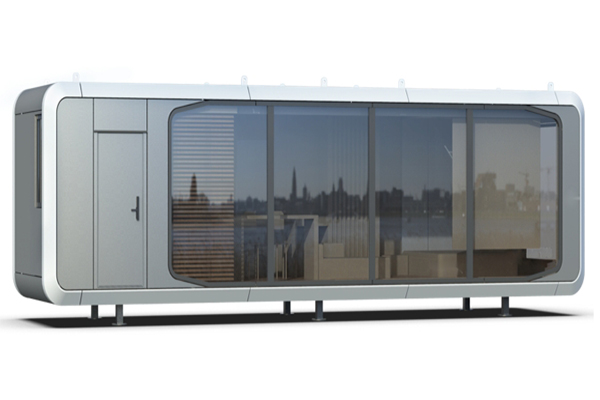

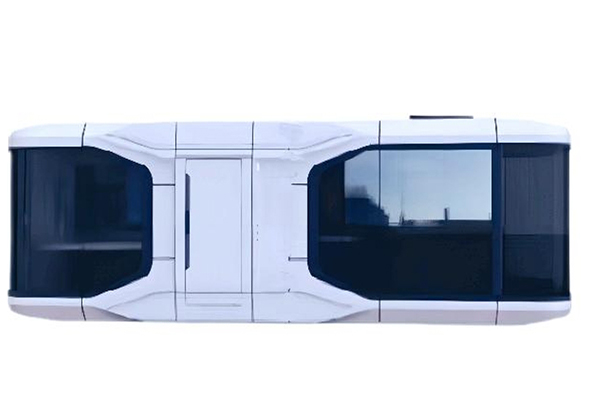
Living in a space capsule house can feel like a puzzle. I mean, how do you fit everything you need into such a small living space? It’s not just about squeezing furniture into corners; it’s about finding smart ways to make every inch count. With compact living becoming popular in cities like New York and Paris, many of us are learning to embrace smaller homes. But here’s the thing: with a little creativity and a focus on functionality, even the tiniest space can feel open and inviting. It’s all about turning challenges into opportunities for sustainable living and finding small space inspiration that works for you.
Key Takeaways
Use furniture that can do more than one job. Beds that fold and tables that expand save space and add storage.
Store things vertically to keep your home neat. Tall shelves and racks on walls use height and cut down mess.
Let in sunlight and pick light colors to make rooms look bigger. Thin curtains and mirrors in the right spots can brighten small spaces.
Unique Features of a Space Capsule House
Compact Design and Efficiency
When I think about a space capsule house, the first thing that comes to mind is how compact and efficient it is. Every square inch serves a purpose. These homes are designed to make the most of a compact living space, which is why they’re so fascinating. For example, the layout often eliminates unnecessary walls, creating an open floor plan. This not only makes the space feel larger but also allows natural light to flow freely.
Another thing I love is how everything is built with functionality in mind. You’ll find furniture that doubles as storage or walls that hide foldable beds. It’s like living in a puzzle where every piece fits perfectly. This level of efficiency is what makes space capsule houses a favorite among fans of the tiny house movement and those looking for small home ideas.
Why Interior Design Matters in Small Spaces
Interior design isn’t just about making a space look pretty—it’s about making it work for you. In a small living space, every design choice matters. A well-thought-out floor plan can completely transform how a home feels. For instance:
Strategic Layout: Open layouts make small spaces feel airy and functional.
Lighting and Color: Bright, neutral tones and layered lighting can make a room feel bigger.
Storage Solutions: Built-in shelves and vertical storage keep clutter out of sight.
These small space ideas are essential for compact living. They help you maximize every corner while keeping the space comfortable and inviting. Trust me, when you live in a micro apartment or a space capsule house, good design isn’t optional—it’s a lifesaver.
Multifunctional Furniture for Small Spaces

Foldable and Convertible Furniture
When living in a small space, foldable and convertible furniture is a game-changer. I’ve seen how a fold-away bed can instantly transform a bedroom into a cozy living area. It’s like having two rooms in one! Items like fold-out multipurpose furniture, such as wall-mounted desks or expandable dining tables, make life so much easier. Did you know that 75% of people in compact homes reported higher productivity with foldable desks? That’s because these pieces let you adjust your layout to fit your needs. Plus, they can increase storage by 25% and make your home feel 15% bigger.
Convertible furniture doesn’t just save space—it adds flexibility. Imagine a sofa that turns into a bed or a coffee table that expands for dinner parties. These pieces let you enjoy a multifunctional lifestyle without sacrificing comfort or style.
Modular Furniture for Versatility
Modular furniture is like the Swiss Army knife of interior design. I love how it adapts to changing needs. For example, modular shelving units can be rearranged to fit different spaces, and mezzanine sleeping areas can create a whole new level of functionality. These designs are durable, cost-effective, and perfect for maximizing small spaces.
Here’s a fun fact: modular furniture can be repurposed over time, reducing the need for new purchases. It’s not just versatile—it’s sustainable too. Whether you’re creating a hybrid furniture-storage piece or a collaborative workspace, modular designs make it easy to customize your home.
Built-In Furniture for Seamless Integration
Built-in furniture is the secret to a sleek, clutter-free home. I’ve seen how built-in shelves and cabinets can blend into walls, making a room feel more spacious. Smart designs, like desks that double as workspaces or mobile partitions that transform into whiteboards, are perfect for compact living.
What I love most about built-in furniture is how it integrates with smart home systems. Imagine a bed that folds into the wall and reveals hidden storage. These multifunctional custom-made elements balance beauty and efficiency, creating a home that feels both functional and luxurious.
Smart Storage Solutions for a Space Capsule House
Living in a space capsule house means getting creative with storage. I’ve learned that smart storage isn’t just about keeping things tidy—it’s about making your home work for you. Let me share some space-saving tricks that can transform your compact living area.
Vertical Storage Ideas
When floor space is limited, look up! Vertical storage is one of my favorite small home ideas. Tall shelving units, wall-mounted racks, and hanging organizers help maximize space by using height. For example, I’ve seen kitchens with magnetic strips on walls to hold knives and utensils. It’s practical and keeps counters clear. In bedrooms, tall wardrobes or open shelving can store everything from clothes to books without taking up extra room. Leveraging vertical space not only keeps things organized but also makes your home feel less cluttered.
Hidden Storage Options
Hidden storage is like having secret compartments in your home. Ottomans with hidden compartments or beds with pull-out drawers are lifesavers in compact spaces. I love how these designs keep belongings accessible yet out of sight. For instance, a sofa with concealed compartments can store blankets or magazines, while a coffee table with a lift-top hides remote controls. These clever solutions make it easy to stay organized and maximize usability in small spaces.
Maximizing Underutilized Spaces
Every corner counts in a space capsule house. I’ve seen people turn the area under stairs into mini libraries or storage nooks. Even the space above doors can hold shelves for extra storage. Multifunctional areas, like a dining table that doubles as a workspace, are game-changers. Studies show that innovative designs like these not only save space but also improve productivity and comfort. It’s all about finding those overlooked spots and putting them to good use.
Lighting Techniques to Enhance Small Spaces
Maximizing Natural Light
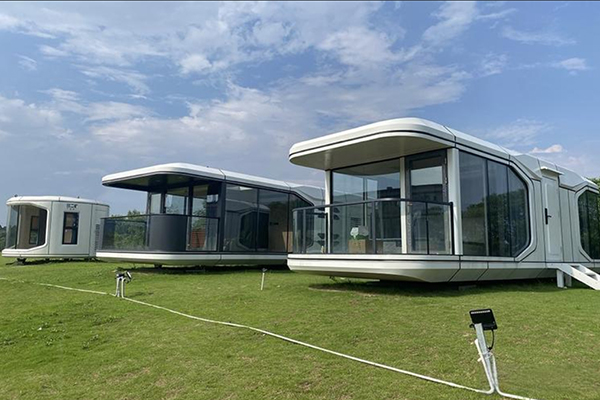
Natural light can completely transform a small space. I always try to make the most of it by keeping windows unobstructed and using sheer curtains instead of heavy drapes. Placing furniture strategically, like keeping taller pieces away from windows, helps light flow freely. I’ve also noticed that light-colored walls reflect sunlight better, making the room feel brighter and more open. If you’re lucky enough to have skylights, they’re a fantastic way to flood your home with natural light. Even a small window can make a big difference when paired with the right design choices.
Space-Saving LED Lighting
LED lighting is a must-have for compact living. It’s energy-efficient, long-lasting, and perfect for creating a cozy atmosphere. I love using LED strip lights under cabinets or shelves to brighten up dark corners without taking up extra space. Here’s a quick comparison of LED lighting versus traditional options:
Switching to LEDs not only saves energy but also keeps your home cooler by reducing heat emissions. It’s a win-win!
Mirrors and Reflective Surfaces
Mirrors are my go-to trick for making a small room feel twice as big. Placing a mirror opposite a window reflects natural light, instantly brightening the space. I’ve also used twin mirrors to create the illusion of depth, which works wonders in compact homes. Reflective surfaces, like glossy tiles or metallic finishes, bounce light around the room, making it feel more spacious. These simple additions can completely change how a room looks and feels.
Space Optimization Tips for Compact Living
Open Layouts and Flexible Designs
Open layouts are a lifesaver in small spaces. I’ve noticed how removing unnecessary walls can make a home feel twice as big. Flexible designs, like sliding partitions or movable furniture, let you adapt your space to fit your needs. For example, I once saw a studio apartment where a sliding wall separated the bedroom from the living area. It created privacy without sacrificing openness.
Here’s a quick look at how open layouts work in different countries:
These examples show how open layouts and flexible designs can maximize space and improve functionality.
Decluttering and Minimalism
Decluttering is one of my favorite tricks for making a small home feel comfortable. I always start by asking myself, “Do I really need this?” Simplifying your belongings not only clears up physical space but also reduces mental clutter. Studies even show that organized spaces improve emotional well-being and lower stress levels.
Here are some benefits of decluttering and minimalism:
Clutter-free spaces enhance focus and reduce overstimulation.
Fewer, high-quality items create a meaningful living experience.
Mindful consumption promotes sustainability and long-term value.
I’ve found that adopting a minimalist mindset helps me make use of every square foot in my home. It’s not about having less—it’s about having what truly matters.
Zoning for Functional Areas
Zoning is a game-changer for compact living. By dividing your space into functional areas, you can make even the tiniest home feel organized. For instance, I’ve seen people use rugs or furniture placement to define zones like a dining area or a workspace. It’s a simple way to create structure without adding walls.
Research shows that zoning doesn’t just improve functionality—it also enhances the overall flow of a home. A well-zoned space feels intentional and balanced. Whether it’s a tiny house movement design or a small apartment, zoning helps you maximize space while keeping things practical.
Tip: Use lighting or color schemes to visually separate zones. It’s an easy way to make each area stand out without taking up extra room.
Real-Life Examples of Space Capsule Houses
Innovative Designs in Compact Living
I’ve always been fascinated by how creative people get with compact living. Some of the most innovative designs I’ve seen focus on blending functionality with aesthetics. For example, many space capsule houses use green roofs for insulation and to create a mini garden. Solar panels are another popular feature. They make homes energy-efficient without compromising the sleek, futuristic look.
Outdoor living areas are also a game-changer. I’ve seen decks and patios that double as relaxation spots and entertainment zones. Built-in seating and fire pits make these spaces even cozier. Vertical gardens are another brilliant idea. They add greenery without taking up floor space. And let’s not forget light, neutral shades. These can make a room feel up to 20% bigger, which is perfect for a small space capsule house.
Here’s a quick look at some of these design elements:
Success Stories of Multifunctional Spaces
I’ve come across some amazing success stories that show how multifunctional spaces can transform lives. One company, NMG, reduced its office space by 400,000 square feet and reinvested the savings into flexible workspaces. The result? Employee satisfaction skyrocketed. Their net promoter scores jumped by 34 percentage points in just two years.
Another inspiring example is Stand 47, a home designed for comfort and sustainability. It adapted to the family’s changing needs over time. The use of advanced materials improved indoor air quality and cut energy bills. Plus, the home’s flexible design increased its market appeal. It’s proof that multifunctional spaces aren’t just practical—they’re valuable too.
These examples remind me why I love the concept of a space capsule house. It’s not just about saving space. It’s about creating a home that works for you, no matter how small it is.
Living in a small space doesn’t mean sacrificing comfort or style. I’ve seen how thoughtful design can transform even the tiniest home into a luxurious retreat. For instance, removing a drop ceiling to reveal high ceilings can create an open, indulgent atmosphere. Paola Bagna’s advice on using quality materials and good lighting proves that every detail matters.
I believe small spaces are opportunities to get creative. Leanne Ford’s approach to soul-driven design shows that any home, no matter the size, can feel inviting and beautiful. With the right small home ideas, you can turn your compact living area into a space that’s functional, stylish, and uniquely yours.
FAQ
How do I make a small space feel bigger?
Use light colors, mirrors, and vertical storage. These tricks create the illusion of more space and keep your home feeling open and airy.
Tip: Declutter regularly to avoid overcrowding your space.
What’s the best furniture for compact living?
Multifunctional furniture like foldable beds, modular shelves, or expandable tables works wonders. They save space and adapt to your needs effortlessly.
Can I decorate a small space without making it look cluttered?
Absolutely! Stick to minimal decor, use wall-mounted art, and choose functional pieces. Keep it simple and let your personality shine through.