

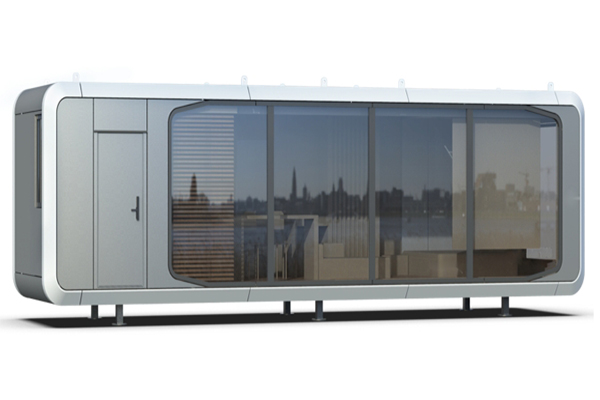

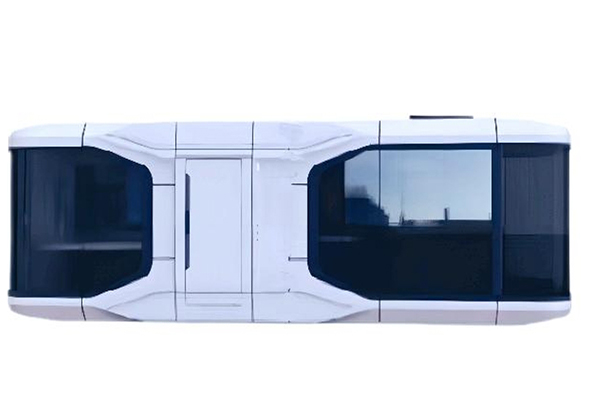
I’ve always been amazed by how space tech helps daily life. One example is the insulation in a space capsule house. It is designed to handle tough conditions. This special insulation keeps homes cozy by controlling heat and stopping moisture. It is strong enough to survive bad weather, making it great for today’s homes.
Key Takeaways
Space capsule insulation helps homes stay cozy in tough weather. It controls heat and moisture.
Special materials like aerogels and phase-change materials make insulation better and save energy.
Getting experts to install it makes sure it works well and lasts longer, giving you confidence.
Challenges of Extreme Climates for Space Capsule House Insulation
Managing Temperature Fluctuations
Extreme weather can really test how well insulation works. In cold places, it keeps heat inside to stay warm. In hot areas, it blocks heat from coming in. Deserts and polar regions make this even harder. Space capsule insulation uses smart technology to solve these problems. It pushes heat away in summer and holds warmth in winter. This keeps homes comfortable no matter the season.
Addressing Ventilation and Moisture Control
Good airflow is important to make homes comfortable. Without it, moisture can build up and cause mold or damage. Space capsule insulation is designed to handle air and moisture well. It stops water from getting in but lets air move around. This is very helpful in places with changing humidity. By controlling moisture, it protects homes from big problems over time.
Ensuring Durability in Severe Weather
Insulation needs to be strong to handle tough weather. It has to survive storms, snow, and heat without falling apart. Space capsule insulation uses materials that are super tough and long-lasting. Things like aerogels stay strong even in bad weather. This makes the insulation last for years and keeps homes safe in hard climates.
Space Capsule Insulation Technologies Adapted for Homes

Multi-Layer Insulation (MLI) and Reflective Barriers
Multi-layer insulation is great at controlling heat movement. It was first made for spacecraft and uses thin, shiny layers. These layers reflect heat away in summer and keep warmth inside in winter. Its performance is impressive with very low heat transfer rates. For example, thermal conductivity can be as low as 0.135 mW/(m•K). Heat flux is just 1.43 W/m², and heat loss drops from 1.02 W/m to 0.49 W/m. These numbers show how well it saves energy in extreme weather.
Foam Insulation for Thermal Efficiency
Spray foam insulation works better than older materials. It saves energy and keeps homes warm or cool. Polyurethane foam can cut energy use by up to 55%. Polyisocyanurate foam has the best thermal resistance, between 1.23 and 1.41 m²K/W per 25.4 mm. This makes it perfect for very hot or cold places. Foam insulation also seals cracks and gaps, stopping air leaks and making homes more comfortable.
Advanced Materials: Aerogels and Phase-Change Materials (PCMs)
New materials like aerogels and phase-change materials improve insulation. Aerogels are super light but protect well against heat. Even with stitching, their thermal conductivity only rises slightly to 0.01693 W/m·K. Phase-change materials absorb and release heat as they change form. This helps keep indoor temperatures steady. Studies show these materials are excellent for thermal protection, making them great for space capsule-inspired insulation.
Practical Considerations for Space Capsule House Insulation
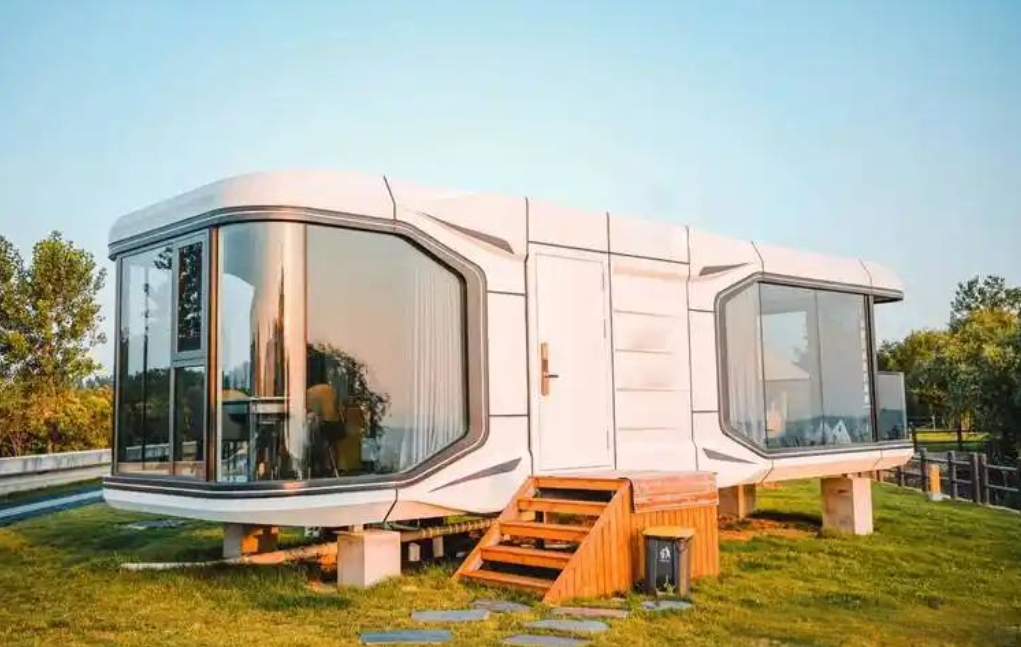
Cost and Affordability of Insulation Materials
Space capsule insulation can be expensive to buy. Materials like aerogels and phase-change materials cost more. But, they save money on energy bills over time. For example, using them in a shipping container lowers heating and cooling costs. The upfront cost may seem high, but they last long and work well. Over time, these materials pay for themselves by saving energy.
Installation and Professional Expertise
Installing this insulation needs skill and care. Professionals make sure it works properly. For example, U SeaProtect® stone wool is light and easy to use. Here’s a table showing its features:
This table shows why experts are needed. They know how to insulate floors and roofs correctly. This ensures the insulation is safe and works well.
Maintenance and Long-Term Performance
Space capsule insulation lasts a long time. Some materials, like self-healing aerogels, fix small damage on their own. This means less maintenance is needed. This is helpful in places with tough weather where normal insulation wears out fast. Using these advanced materials gives homeowners peace of mind. They can trust the insulation to stay strong for years. Self-healing also keeps it working well, making it a smart long-term choice.
I think space capsule house insulation is amazing for tough climates. It uses smart materials and designs to save energy well. Though it might cost more and need expert setup, it’s worth it. This insulation controls temperature and cuts energy use. People should consider it to build stronger and energy-saving homes.
FAQ
Why is space capsule insulation better than regular insulation?
Space capsule insulation uses special materials like aerogels and PCMs. These materials control temperature, block moisture, and last longer than regular ones.
Can I put in space capsule insulation by myself?
It’s best to hire experts. They know how to install tricky materials like aerogels. This makes sure it’s safe, works well, and lasts a long time.
Is space capsule insulation worth the money?
Yes! It costs more at first but saves energy later. Over time, it lowers heating and cooling bills, making it a good choice.