

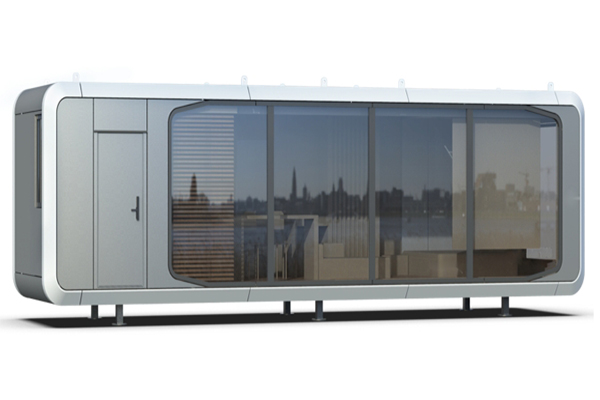

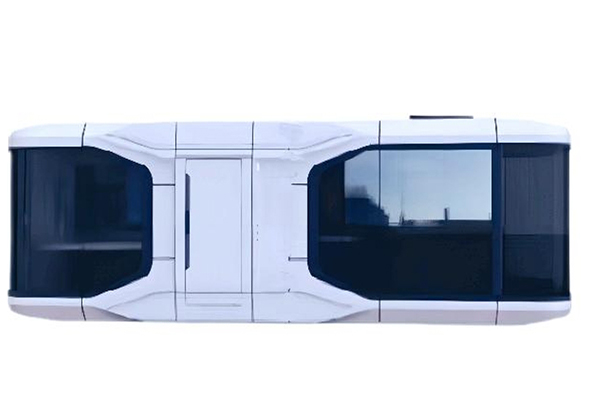
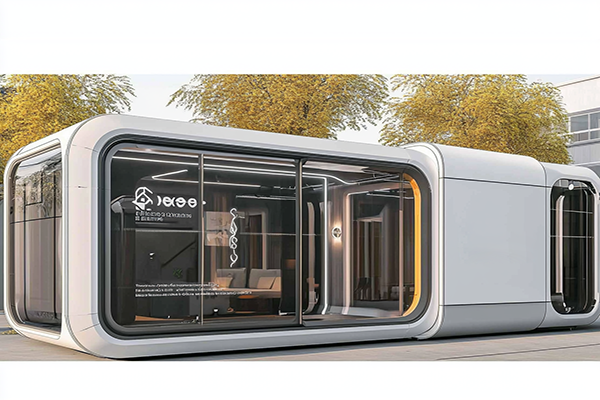
Imagine living in a home that mixes new technology with care for the planet. Space capsule homes are becoming more popular as they solve housing problems and encourage simple living. Their cool, futuristic look shows the need for small but useful spaces that are good for the environment.
The value of space capsule homes was $0.06 billion in 2024.
It is predicted to grow to $0.17 billion by 2033, with 12% growth each year.
This growth shows more people like these homes. Many designs use eco-friendly materials, helping to lower pollution. With choices like the apple cabin house, you can live smartly without losing style or comfort.
Key Takeaways
Space capsule homes are cheap, costing $20,000 to $100,000. They are a good option for people on a budget.
These homes use green materials and save energy. This helps the planet and supports eco-friendly living.
Capsule homes have designs that can change as needed. You can easily customize or make them bigger.
Living in a capsule home means a simple life. It helps you stay organized, stress less, and use small spaces well.
Space capsule homes work in cities or the countryside. They can also be used as shelters or vacation homes.
Understanding Space Capsule Houses
What Are Space Capsule Homes?
A space capsule home is a small, modern house. It is built to save space and help the planet. These homes often have parts you can move or change. This lets you set up the house the way you like. They use space smartly and focus on being simple and eco-friendly. Unlike regular houses, these homes are made for easy and green living. They often include smart gadgets, green materials, and creative designs for a simple lifestyle.
How Capsule Homes Started
Capsule homes began in the 1960s when people wanted new housing ideas. Over time, they changed to solve city crowding and high housing prices. Capsule hotels became popular in Japan in the late 1900s. They were a smart answer to small city spaces. Now, these homes are used all over the world. They work well in both cities and the countryside.
This table shows how capsule homes have changed to fit what people need. They help with crowded cities and are great for saving money.
Ideas from Space Exploration
Space capsule homes take ideas from space travel. Engineers design them like spaceships—small, smart, and self-sufficient. For example, the inside of these homes is like a space station. Every part has a purpose. They use strong, light materials that last long and are good for the planet. With these ideas, you get a cool, modern home that is both smart and useful.
Design and Construction of Space Capsule Houses
New Materials in Capsule Homes
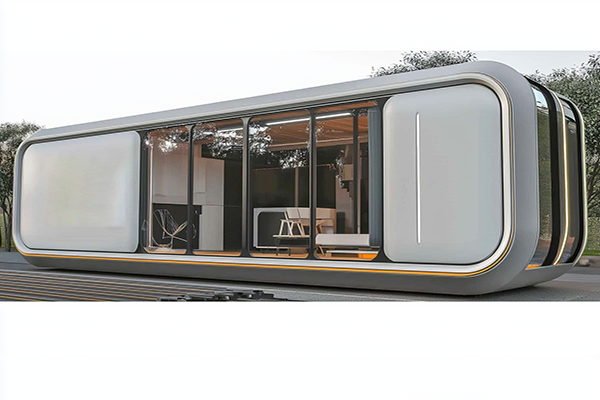
Space capsule homes use modern materials to make strong homes. These include light metals, recycled wood, and bamboo. These materials are good for the planet and last long. Engineers also use insulated panels to keep homes cozy in any weather.
These homes borrow ideas from space travel. Like spaceships, they use tough materials that work well under stress. Many homes have solar panels and energy-saving devices. This cuts down on energy use and helps save money.
Flexible and Small Design
Capsule homes have a modular design, meaning they can change. You can add or remove parts to fit your needs. This makes them great for people with changing lives. For example, the Nakagin Capsule Tower in Tokyo showed how this works. Its 140 capsules could be swapped or replaced easily.
Small design is another big feature. These homes use every bit of space wisely. They are perfect for crowded cities with little land. Foldable beds and hidden storage make sure no space is wasted. Projects like My Micro in Manhattan show how small homes can be comfy and affordable.
Eco-Friendly Building Methods
Building space capsule homes is eco-friendly and fast. They use pre-made parts, which cuts waste and saves time. For example, Wuhan Hospital was built in two weeks using this method. It also lowers costs and helps the environment.
These homes use green energy like solar power and rainwater systems. By living in one, you help the planet and enjoy a smart, modern home.
Benefits and Challenges of Capsule Homes
Affordable and Cost-Saving
Capsule homes are a cheaper way to solve housing problems. They cost between $20,000 and $100,000, much less than regular homes, which cost over $200,000. This makes them a good choice for city people needing cheaper places to live. They also save money on bills and repairs over time, making them even more affordable.
Buying a capsule home costs less than buying a regular house. But as more people move to cities, prices are going up. This makes it harder for some to afford them. Still, capsule homes are a smart option for those who want to save money and have a useful home.
Easy to Move and Change
Capsule homes are easy to move and change. They are built in parts, so you can make them fit your needs. You can add a home office, garden, or extra rooms. These homes can grow or shrink with your lifestyle.
They are made in factories, which makes them strong and quick to build. This method saves time, reduces waste, and helps the planet. Capsule homes are great for people who like to move or need flexible living spaces. They offer a safe and easy way to live.
Simple Living and Smart Space Use
Capsule homes focus on simple living and smart use of space. They have clever designs that make small spaces work well. Foldable furniture and hidden storage keep things neat and tidy.
Living in an organized space helps you feel less stressed and think clearly. It also makes you more productive. Capsule homes show how smart designs can turn small spaces into comfy and eco-friendly homes. By keeping things simple, they show how to live well in today’s world.
Solving Space Problems
Space capsule homes are great at fixing space issues. They use smart designs to make the most of every inch. If you live in a busy city or have a tiny yard, these homes are a good choice. Their small layouts make sure no space is wasted.
A big feature is multi-functional furniture. For example, a bed can fold into the wall. This turns your bedroom into a living room. Tables and chairs can fold or expand as needed. These smart ideas let you do many things without feeling crowded.
Tip: Choose capsule homes with hidden storage. Spaces under floors or inside walls can help keep things tidy.
Another cool idea is the vertical design. Capsule homes stack rooms on top of each other instead of spreading out. This is perfect for cities where land is tight. For example, the kitchen might be on the first floor. The living room could be above it, and the bedroom at the top. Building up saves ground space.
Capsule homes also use modular construction. You can add or take away parts to match your needs. If your family grows, you can attach another section. This makes sure your home changes as your life does.
By solving space problems, capsule homes show that small spaces can still work well. They prove that clever designs can make even tiny homes feel roomy and useful.
Applications of Space Capsule Houses
Tiny Homes for Urban Areas
Space capsule homes work well in crowded cities. Their small size fits into tight spaces easily. You can place them in unused areas, turning empty spots into lively neighborhoods. Their modular design makes them simple to build and take apart. This helps city planners and solves housing problems by offering cheaper options.
These homes take up little space, making them great for filling gaps in neighborhoods. They are flexible, so you can create unique housing projects. Whether you need a main home or a small backyard unit, these homes make tiny living smart and stylish.
Capsule Hotels and Rentals
Capsule hotels are changing how people stay in cities. They are cheap and efficient, perfect for solo travelers or budget guests. These hotels are often full, with 75% of rooms occupied. The cost per night is $45 to $55, making them affordable in busy areas.
Guests check in quickly, usually in under five minutes. These hotels are easy to maintain and save money. If you travel or want to start a rental business, capsule hotels are a smart choice.
Emergency and Portable Housing
Space capsule homes are great for emergencies and moving needs. They are strong and can handle bad weather. Their small design makes them useful in temporary setups. These homes are also eco-friendly, using green materials and saving energy.
You can change the inside to fit different uses. For example, they can be shelters during disasters, housing for workers, or places to stay at events. They are easy to move and set up fast, making them perfect for urgent needs. By using these homes, you help the planet and solve housing problems.
Customization in Space Capsule Homes
Personalization and Interior Design
Space capsule homes let you design a space that feels like you. They have modular layouts, so you can change or add parts. For example, turn a corner into a reading spot or a small office. These homes often include furniture that does more than one job. Foldable tables or beds help you use every bit of space.
You can pick materials and finishes that match your style. Whether you like modern looks or a cozy feel, these homes can fit your taste. Lighting is also important for making it personal. Adjustable LED lights let you create a bright work area or a calm, relaxing vibe.
Tip: Use hidden storage to keep your home neat and tidy.
Smart Technology Integration
Smart technology makes space capsule homes easier to live in. You can control lights, temperature, and security with an app or voice. These tools save time and help you use less energy. For example, smart thermostats change the temperature based on your habits. This helps cut down on wasted energy.
Some homes even have advanced gadgets like smart blinds or kitchen tools. Imagine starting your coffee maker from bed. Or your fridge suggesting recipes based on what’s inside. These features make your home feel modern and super useful.
Luxury Features in Capsule Homes
Even though they are small, capsule homes can feel fancy. High-end materials like marble counters or wood floors add style. You can also add features like rain showers, heated floors, or tiny jacuzzis. These upgrades make your home cozy and special.
Many capsule homes use big windows or skylights to bring in sunlight. This makes the space feel larger and more open. Outdoor spaces, like decks or rooftop gardens, add extra comfort. They give you a private place to relax and enjoy.
Note: Luxury doesn’t have to cost a lot. Smart design can make small homes feel fancy.
Environmental Impact of Space Capsule Houses
Energy Efficiency in Capsule Homes
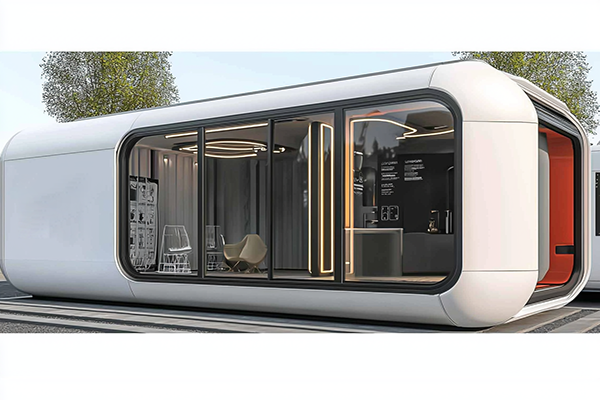
Space capsule homes save energy in smart ways. Their small size means less energy is needed for heating or cooling. Insulated walls keep the temperature comfortable all year. Many homes have solar panels to make clean energy, lowering electricity costs. Smart tools, like thermostats, adjust settings based on your routine. These features make capsule homes a great choice for people who care about the planet.
Reducing Carbon Footprint
Living in a capsule home helps the environment by cutting your carbon footprint. Smaller homes use fewer materials and create less waste. Studies show moving to tiny homes lowers your footprint by 45%. Before switching, people used 7.01 global hectares. After moving, it dropped to 3.87 global hectares. This is much less than the average American's 8.4 global hectares. Using less energy, driving less, and wasting less all help reduce harm to the planet.
Benefits of capsule homes include:
Using less energy.
Creating less waste.
Relying less on non-renewable resources.
Choosing a capsule home helps you live in a greener way.
Promoting Sustainable Living
Capsule homes support eco-friendly living by helping you use fewer resources. Their small size limits energy and material use. Many are built with green materials like bamboo or recycled wood. They often include rainwater systems and energy-saving devices to conserve resources.
These homes also encourage a simple lifestyle. Owning only what you need reduces clutter and waste. This change helps the planet and makes life easier. Capsule homes show that living sustainably can be easy and rewarding.
Tip: Pick capsule homes with solar panels or water-saving systems to live even greener.
The Future of Space Capsule Houses
Urban and Rural Uses
Space capsule homes work well in both cities and rural areas. In cities, they fit into tight spaces like rooftops or parking lots. Their design makes them easy to build quickly, helping solve housing problems. In the countryside, they are strong and eco-friendly. They are great for remote places where building regular homes is hard. You can also use them as vacation spots or off-grid homes.
These homes adjust to different places. City people like their space-saving designs. Rural folks enjoy their green features. Whether you live in a busy city or a quiet area, these homes can work for you.
Solving Housing Problems Worldwide
Capsule homes help fix housing issues around the world. They cost less, so more families can afford them. Green features like solar panels and energy-saving tools make them better for the planet. You can also change them to fit your needs, whether for a small studio or a family house.
They are great for emergencies too. After disasters, they can be set up fast to give people shelter. Their pre-made parts make moving and building them simple. This makes them a smart choice for solving housing shortages everywhere.
New Ideas in Capsule Home Design
Capsule homes are leading the way with new ideas. Smart technology makes them easier to use. You can control lights, heat, and security with your phone. Tools like smart thermostats save energy and lower bills.
New materials are making these homes better too. Recycled and light materials make building faster and greener. Architects are also designing homes with vertical layouts to save space in cities. Every part of the home is useful, with foldable furniture and hidden storage.
Capsule homes keep improving, offering smart solutions for today’s housing needs. These changes make sure they stay important for the future of living.
Space capsule homes show what future housing could look like. Their small size and eco-friendly features make them great for today. Choosing these homes helps the planet and solves space problems in smart ways.
Note: These homes do more than save space. They change how you live by keeping things simple and useful.
These homes work well in both cities and the countryside. They show that small living can help the Earth and improve your life.
FAQ
What materials are used in space capsule houses?
Space capsule houses are built with smart materials like bamboo, recycled wood, and light metals. These materials are strong and eco-friendly. Many designs also use insulated panels to save energy and work well in different weather.
Can you change or customize capsule homes?
Yes, capsule homes can be changed to fit your needs. You can adjust layouts, add new sections, or pick your favorite finishes. They often include furniture that has more than one use and smart gadgets to make life easier.
Are capsule homes good for families?
Capsule homes can work for families by using expandable designs. You can add rooms or sections as your family grows. They use space wisely, so they stay comfy, affordable, and good for the planet.
How do eco capsules help the Earth?
Eco capsules are great for the planet because they use green energy like solar power and rainwater systems. Their small size means they use fewer materials and less energy. They are made in factories, which cuts waste and helps the environment.
Are capsule homes worth the money?
Capsule homes are a smart buy because they are affordable and flexible. They save energy, are easy to move, and work well in cities or as vacation homes. They are also useful as emergency shelters, making them a good long-term choice.