

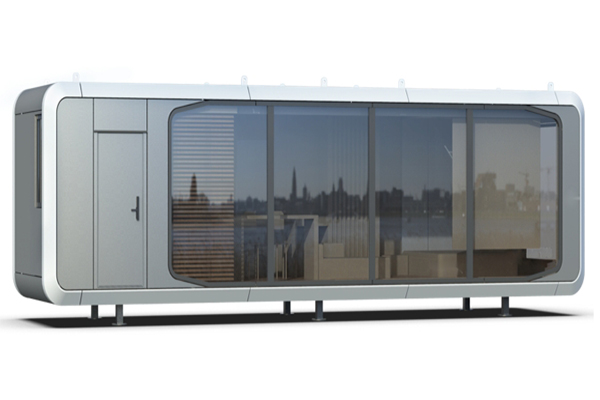

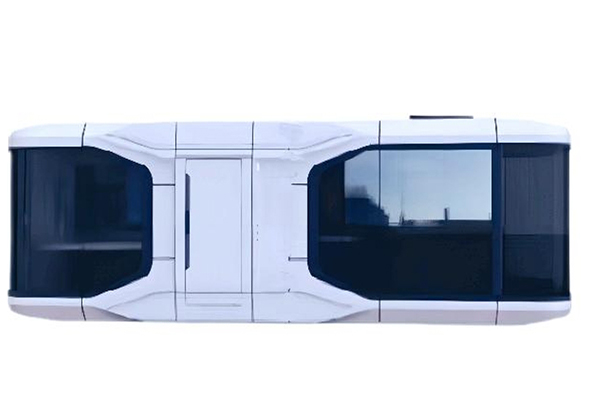
When I think about a space capsule house, I marvel at its ability to endure the unforgiving conditions of space. Materials science plays a crucial role here. It provides solutions to challenges like radiation and extreme temperatures. Advanced materials, with their unique properties, ensure these houses remain durable and efficient in such harsh environments.
Key Takeaways
Modern materials like plastics and blends make space capsule houses stronger.
Self-repairing materials fix damage on their own, cutting down repairs.
Good heat control systems keep temperatures steady for safety and comfort.
Challenges in the Space Environment
Radiation and its effects on materials
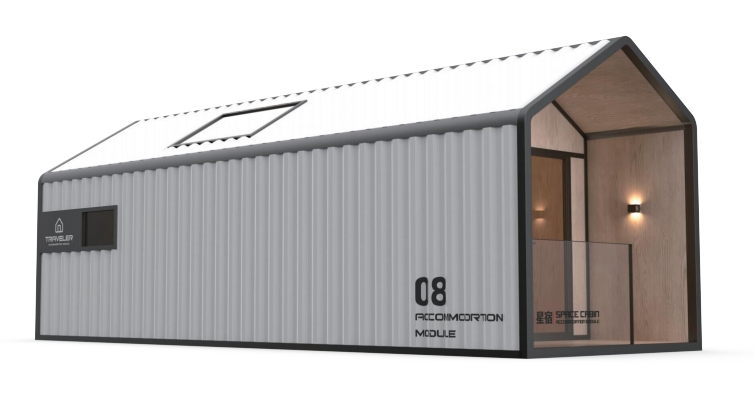
Radiation in space poses a significant challenge to materials used in space capsule houses. I’ve learned that high-energy particles, such as cosmic rays, can degrade materials over time. This degradation weakens structural components and reduces durability. For example, polymers often experience molecular breakdown when exposed to radiation. To counter this, engineers use radiation-resistant materials like polyethylene, which absorbs radiation effectively. By incorporating such materials, we can ensure the structural integrity of space capsule houses remains intact.
Micrometeoroids and structural durability
Space is not empty. Micrometeoroids, tiny particles traveling at high speeds, constantly bombard structures. These particles can puncture or erode surfaces, compromising structural durability. I find it fascinating how engineers address this issue by using multi-layered shielding systems. These systems include materials like Kevlar and aluminum, which absorb and dissipate the energy of impacts. This design ensures that space capsule houses can withstand micrometeoroid collisions without significant damage.
Thermal fluctuations and material stability
In space, temperatures can swing dramatically between extreme heat and cold. This fluctuation stresses materials, causing expansion and contraction. I came across an intriguing study on vanadium dioxide (VO2) thin films. The study showed that VO2 devices regulate temperature better than traditional materials. Here’s a summary of the findings:
This innovation highlights how advanced materials improve stability under thermal stress.
Vacuum conditions and material outgassing
The vacuum of space creates another challenge: material outgassing. When exposed to a vacuum, some materials release trapped gases, which can contaminate sensitive equipment. I read about a study that measured outgassing rates using a gas analytical system. Here are some key findings:
Materials tested included CPVC, carbon foam, Monel wire mesh, and polyethylene.
Tests were conducted at room temperature under vacuum conditions.
Outgassing rates were measured using a quadrupole mass spectrometer.
By selecting low-outgassing materials, engineers minimize contamination risks, ensuring the longevity of space capsule structures.
Materials in Space Capsule Houses
Polymers for lightweight and versatile applications
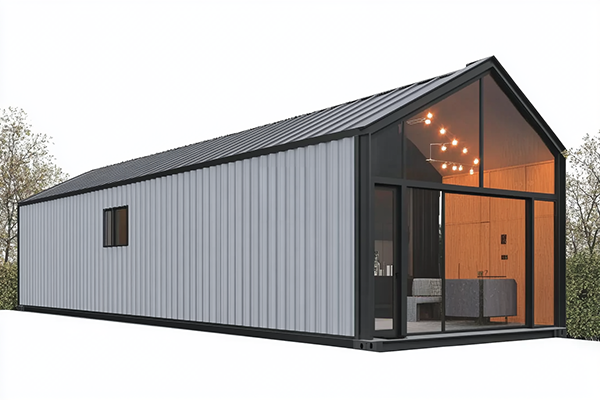
When I think about the materials used in space capsule houses, polymers stand out for their lightweight and versatile nature. These materials play a crucial role in reducing the overall mass of spacecraft structures, which is vital for efficient launches and operations. Polymers like polyimides and polysiloxanes are particularly fascinating. They not only withstand extreme conditions but also offer multifunctional capabilities. For instance, I came across a study that highlighted the development of self-healing polymers. These materials can repair themselves when damaged by atomic oxygen, a common issue in space environments. This innovation significantly enhances the durability of spacecraft materials, ensuring they last longer and perform reliably.
Moreover, the adaptability of polymers allows engineers to design components that meet specific requirements, such as flexibility or rigidity. This versatility makes them indispensable in space construction materials. By incorporating polymers into the design of space capsule houses, we can achieve a balance between lightweight construction and robust performance.
Metals for strength and thermal resistance
Metals are another cornerstone of space construction materials. Their strength and thermal resistance make them ideal for withstanding the harsh conditions of space. I find it remarkable how metals like aluminum and titanium are used to create structures that can endure both intense heat and freezing cold. These materials exhibit high thermal conductivity, which is crucial for managing heat in space applications. For example:
Thermal conductivity measures a material's ability to conduct heat, denoted by k, λ, or κ, and is measured in W·m−1·K−1.
Metals typically exhibit high thermal conductivity, making them efficient at heat conduction, which is essential in space applications.
Materials with low thermal conductivity are used for thermal insulation, contrasting with metals that are used for heat sinks.
This combination of properties ensures that metals provide both structural integrity and thermal management, making them indispensable in the construction of space capsule houses.
Composite materials for space applications
Composite materials are a game-changer in space applications. These materials combine the best properties of different components, resulting in superior performance. I’ve learned that composites offer a high strength-to-weight ratio, which is critical for space missions. They also exhibit excellent dimensional stability and reduced outgassing, making them ideal for the vacuum of space. Here are some key attributes of composite materials:
High strength-to-weight ratio
Excellent dimensional stability
Reduced outgassing
Low thermal expansion
Almost-zero thermal conductivity
However, composites are not without challenges. The high costs of raw materials and fabrication processes can be a barrier. Despite this, their benefits far outweigh the drawbacks, especially in applications requiring thermal insulation and resistance to low pressures and cryogenic temperatures. By integrating composite materials into space capsule houses, engineers can create structures that are both lightweight and durable, ensuring long-term performance under extreme conditions.
Self-healing materials for enhanced longevity
The concept of self-healing materials fascinates me. These materials can repair themselves when damaged, which is a revolutionary advancement for space capsule houses. In the context of long-term space missions, self-healing materials address critical challenges like micrometeoroid impacts and material degradation. Historical incidents on the International Space Station have shown how damage can compromise spacecraft integrity. Self-healing materials offer a solution by enhancing the longevity and reliability of spacecraft structures.
For example, researchers have developed a self-healing polyimide/polysiloxane blend that repairs itself when exposed to atomic oxygen. This innovation not only extends the lifespan of spacecraft materials but also ensures safety during missions. The ability of these materials to self-repair reduces the need for manual interventions, which is particularly beneficial in the isolated environment of space. By incorporating self-healing materials into space capsule houses, we can create structures that are more resilient and capable of withstanding the rigors of space.
Innovations in Durability and Efficiency
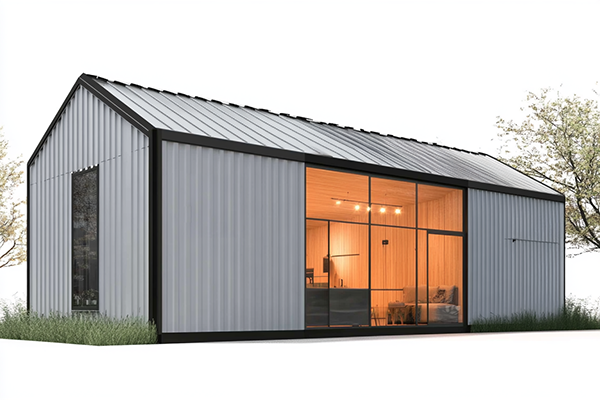
Thermal management systems for temperature control
Managing temperature in space capsule houses is a critical challenge. I’ve learned that the extreme thermal fluctuations in space can compromise the performance and reliability of materials. To address this, engineers rely on advanced thermal management systems. These systems use specialized thermal protection systems and thermal management materials to regulate heat effectively.
One fascinating aspect of these systems is their ability to maintain stable temperatures. For instance, studies have shown that thermal properties like melting temperature, latent heat, and thermal conductivity play a vital role. Here are some key findings:
Melting temperature range: 25–65°C
Latent heat values: 10–500 kJ/kg
Density range: 600–1,000 kg/m³
Thermal conductivity range: 0.1–0.4 W/mK (solid and liquid)
Specific heat capacity range: 1,000–2,200 J/kgK (solid and liquid)
These properties ensure that the materials used in thermal management systems can handle the intense heat and cold of space. I find it remarkable how these systems can monitor temperature changes at different points, maintaining a difference of only 10 K after 20 minutes of operation. This precision highlights the efficiency of thermal protection systems in safeguarding the structural integrity of space capsule houses.
Fire-resistant materials for safety
Safety is paramount in space, and fire-resistant materials play a crucial role in ensuring it. Fires in space can spread rapidly due to the unique behavior of flames in microgravity. I’ve read about how engineers use materials that resist ignition and slow the spread of fire to mitigate this risk. These materials not only enhance safety but also contribute to the high reliability of space capsule houses.
One example is the use of intumescent coatings. These coatings expand when exposed to heat, forming a protective barrier that insulates the underlying structure. This innovation ensures that even in the event of a fire, the damage remains contained. Additionally, fire-resistant materials are often combined with self-healing materials to further enhance their durability and reliability. This combination creates a robust system that can withstand both thermal stress and potential fire hazards.
EMI shielding for electronics protection
Electromagnetic interference (EMI) poses a significant threat to the electronics in space capsule houses. I’ve learned that EMI can disrupt the operation of sensitive components, compromising the reliability of critical systems. To prevent this, engineers use EMI shielding materials that create a protective barrier against external electromagnetic fields.
These materials are designed to ensure high reliability in space environments. They protect electronics by absorbing or reflecting electromagnetic waves, preventing them from interfering with the system. This shielding is essential for maintaining the operational integrity of space capsule houses. For example, effective EMI shielding ensures that communication systems remain functional, even in the presence of strong electromagnetic fields. This reliability is crucial for the success of long-term space missions.
The innovations in durability and efficiency for space capsule houses extend beyond these examples. Modular designs, high-quality materials, and advanced features all contribute to improved performance. Here’s a summary of some key advancements:
These advancements demonstrate how materials science continues to push the boundaries of what’s possible in space exploration.
Computational Modeling and Smart Materials
Simulating material performance in extreme conditions
When designing materials for space, I’ve realized that predicting their performance in extreme conditions is crucial. Computational modeling plays a pivotal role in this process. Engineers use advanced simulations to test how materials behave under intense thermal fluctuations, radiation, and vacuum conditions. These models replicate the harsh environment of space, allowing us to identify potential weaknesses before physical testing.
For instance, I’ve seen how spacecraft engineering relies on finite element analysis (FEA) to evaluate thermal stress on materials. This method calculates how materials expand or contract under extreme temperatures. By simulating these scenarios, engineers can optimize material selection and design for maximum durability. Computational tools also help predict the performance of self-healing materials. These simulations reveal how quickly these materials can repair damage caused by micrometeoroids or atomic oxygen exposure. This predictive capability ensures that materials perform reliably throughout long-term missions.
Smart materials for adaptive environmental responses
Smart materials amaze me with their ability to adapt to changing environments. In space, where conditions shift rapidly, these materials enhance both performance and efficiency. For example, shape memory alloys (SMA) can return to their original shape when exposed to specific temperatures. This property allows them to act as sensors and actuators, responding instantly without external controls.
I’ve also read about kinetic facades, which adjust their orientation based on environmental stimuli like sunlight or heat. These facades regulate thermal conditions inside structures, reducing energy consumption. A great example is the Al-Bahr Towers, which use automated systems to optimize sunlight exposure. Similarly, the One Ocean Pavilion features kinetic elements that adapt to environmental changes, ensuring comfort and efficiency.
Here’s a table summarizing some adaptive smart materials and their responses:
These innovations highlight how smart materials revolutionize spacecraft engineering. By integrating them into space capsule houses, we can create structures that adapt seamlessly to their surroundings, ensuring optimal thermal performance and durability.
Future of Materials Science in Space Applications
Nanotechnology for advanced material properties
Nanotechnology fascinates me with its ability to transform materials for space exploration. I’ve seen how carbon nanotubes (CNTs) revolutionize spacecraft design. Their strength-to-weight ratio, thermal stability, and radiation resistance make them ideal for structural components. Graphene also stands out for its exceptional thermal conductivity and electrical properties, which improve thermal management and electronic systems.
NASA’s Super Lightweight Aerospace Composites (SAC) project integrates CNT-based composites to replace traditional materials like aluminum and titanium. This innovation enhances efficiency and durability. Boron nitride nanotubes (BNNTs) are another breakthrough. Their neutron absorption properties provide radiation protection, which is crucial for long-term missions.
Nanotechnology also improves space suits, making them more flexible and resistant to micrometeoroid impacts. Nanofiltration membranes made from graphene oxide ensure clean water for extended missions. These advancements highlight how nanotechnology enhances materials for space applications, ensuring efficiency and safety during exploration.
Sustainable materials for eco-friendly space housing
Sustainability in space housing excites me. The housing sector contributes significantly to global greenhouse gas emissions and energy consumption. Using sustainable materials can reduce this impact. For example, the sector uses 30–50% of raw and recycled materials for construction.
In space exploration, adopting eco-friendly materials minimizes waste and energy use. Engineers focus on renewable resources and recyclable components to create efficient housing systems. These materials not only reduce environmental footprints but also improve thermal insulation and durability.
I believe sustainable materials will play a pivotal role in future space housing. They ensure efficiency while addressing environmental concerns, making space exploration more responsible and forward-thinking.
AI integration in material design and optimization
Artificial intelligence (AI) transforms how we design materials for space capsules. I’ve read about how AI establishes process-structure-property relationships, optimizing additive manufacturing processes. This integration accelerates material development cycles, which is essential for long-term missions.
High-throughput evaluations and advanced testing protocols enable rapid assessment of mechanical properties. AI also enhances screening processes, reducing the need for extensive experiments. These capabilities lead to the discovery of new materials with improved thermal and structural properties.
AI’s impact on materials science is undeniable. It ensures efficiency in design and optimization, paving the way for innovative solutions in space exploration.
Materials science fascinates me with its ability to solve the unique challenges of space environments. Radiation, micrometeoroids, and extreme temperatures demand innovative solutions. I’ve seen how advanced materials like composites and self-healing polymers ensure durability and efficiency. These innovations make space capsule houses safer and more reliable.
Looking ahead, I believe advancements in nanotechnology and AI will redefine space housing. Engineers will create lighter, stronger, and more adaptive materials. Sustainable practices will also shape future designs, making space exploration more eco-friendly. Materials science continues to push boundaries, ensuring humanity thrives in space.
FAQ
What makes space capsule houses different from regular homes?
Space capsule houses use advanced materials like composites and self-healing polymers. These materials ensure durability, lightweight construction, and resistance to extreme space conditions.
How do self-healing materials work in space?
Self-healing materials repair damage caused by micrometeoroids or atomic oxygen. They use chemical reactions or embedded microcapsules to restore structural integrity automatically.
Tip: Self-healing materials reduce maintenance needs, making them ideal for long-term missions.
Why is thermal management critical in space capsule houses?
Thermal management prevents damage from extreme temperature fluctuations. Materials like vanadium dioxide regulate heat, ensuring stability and comfort inside the capsule.