

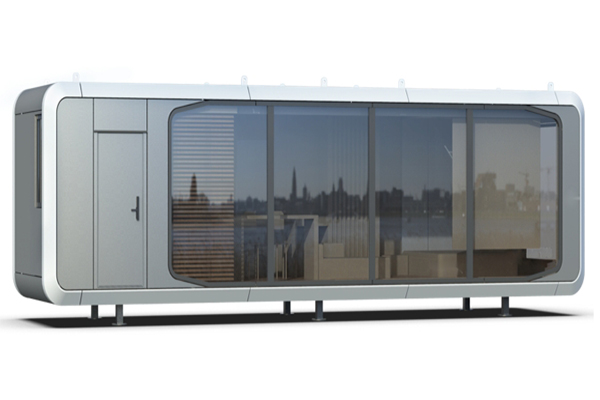

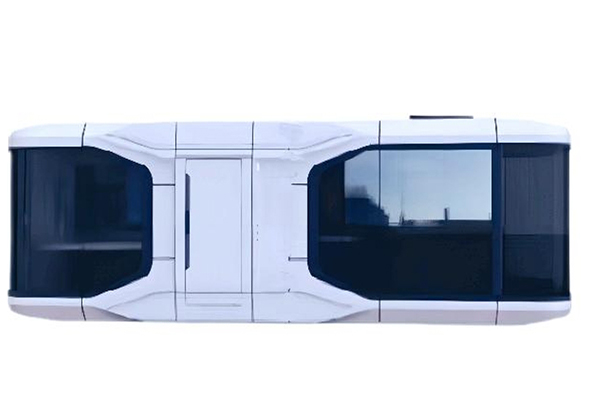
I’ve seen micro-living grow as cities get crowded. Housing is harder to find as more people move in. In places like Zunyi City, 220,000 people lack city homes. Space capsule houses are a smart and green solution. They save space, help the planet, and fit today’s lifestyles.
Key Takeaways
Space capsule homes are a clever idea for busy cities. They use small areas well and include all basic needs.
These homes are good for the planet, using less energy and eco-friendly materials. They lower energy bills and help the environment.
Capsule homes can be moved and changed easily. This makes them perfect for today’s way of living.
What Are Space Capsule Houses?
Definition and inspiration from space exploration
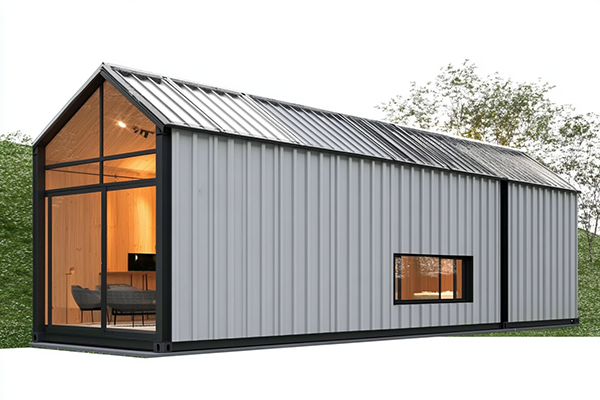
Space capsule houses mix creativity and usefulness. Their designs come from ideas used in space missions. NASA's "Apollo on steroids" plans helped shape these homes. In 1903, Konstantin Tsiolkovsky imagined closed ecosystems and fake gravity. These ideas are now key to capsule house designs. In the 1950s, Wernher von Braun dreamed of a spinning space station. His ideas also influenced how capsule homes look and work today.
These homes take space ideas and make them work on Earth. They are small, self-contained, and waste very little. Their link to space travel makes them feel futuristic. They show how micro-living can be smart and modern.
Core characteristics: compactness, modularity, and futuristic aesthetics
Space capsule houses have special features that make them stand out. First, they are very small but use every bit of space well. This makes them great for crowded cities. Second, they are modular, meaning they come in parts. You can build or change them to fit your needs. Third, they look futuristic with smooth designs and cool materials.
These homes are both useful and stylish. They show how good design can mix beauty and function. Capsule houses give us a peek at the future of eco-friendly living.
Key Features of Capsule House Designs
Compact and Functional Design
Space capsule houses are small but very useful. Every part of the house is designed to be practical. They often have foldable furniture and hidden storage spaces. One room can change into a bedroom, living room, or workspace. This makes them perfect for crowded cities with little space.
Tests show these homes are strong and stay stable in heat or cold. Special tools check how well they hold up over time. This ensures they last long and work well, even in tough conditions. By focusing on comfort and saving space, these homes show how to live smartly in small areas.
Tip: Keep fewer items to match the simple design. It helps keep your home neat and tidy.
Sustainability and Eco-Friendly Elements
Capsule homes are built to protect the environment. They use features that save energy and reduce waste. For example, energy-saving appliances use less electricity. Heating and cooling systems work naturally, so they need less power. Their small size also means fewer materials are needed to build and fix them.
These homes are good for the planet and save money. By using eco-friendly ideas, capsule houses help create a cleaner and greener world.
Portability and Flexibility
Capsule homes are easy to move and change. They are made in parts that can be quickly put together. You can take them apart, move them, and set them up again. This makes them great for people who like to travel or move often.
Portable designs make moving to new places simple.
Modular parts can be changed to fit new needs.
Some capsules have wheels, so they can be towed anywhere.
This flexibility makes capsule homes a smart choice for people who want eco-friendly and adaptable living spaces.
Luxury and Smart Technology
Even though they are small, capsule homes feel fancy. Smart technology makes life easier and more comfortable. Things like automatic lights, temperature control, and voice commands make these homes modern and cozy.
These features combine eco-friendly living with modern comfort. Capsule homes show how technology can make small spaces both smart and stylish.
Benefits of Sustainable Capsule Houses in Micro-Living
Making the Most of Small City Spaces
Space capsule houses change how we use city spaces. They are small but use every inch wisely. This makes them perfect for crowded cities where space is limited. These homes fit all the basics for living comfortably while taking up less room. They also help create eco-friendly neighborhoods in areas that were not used well before.
Their modular design makes them even more useful. You can adjust them to fit tight spots like alleys or rooftops. They can even bring life back to old, unused city areas. Here’s a simple look at their city benefits:
By using space wisely, these homes help cities become greener and smarter.
Affordable and Budget-Friendly Living
Capsule homes are much cheaper than regular houses. Building and taking care of them costs less, making them affordable for more people. Even though they cost less, they still have modern features and are comfortable to live in.
Studies show this is true. Capsule hotels are popular with travelers who want to save money. Similarly, capsule homes need less money upfront and pay for themselves faster than regular houses. Here’s a quick look at the financial facts:
These homes are a great choice for people who want to save money and live simply.
Helping the Environment and Saving Energy
Capsule homes are designed to protect the planet. They use green energy like solar panels, wind turbines, and geothermal systems. These features lower energy bills and help keep the Earth clean.
Their small size also saves energy. Heating, cooling, and lighting need less power in smaller spaces. Good insulation and energy-saving appliances also cut down on energy use. Here’s a closer look at their eco-friendly features:
With these green features, capsule homes lead the way in eco-friendly living.
Types of Capsule House Designs
Floating Capsule Homes
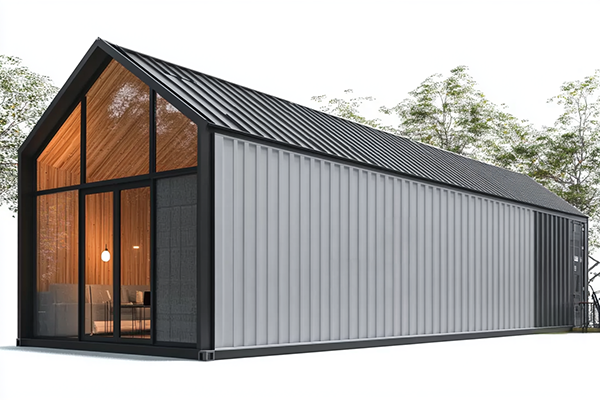
Floating capsule homes offer a new way to live on water. These homes sit on floating platforms, blending nature with modern living. They use systems like solar panels and water filters to stay eco-friendly. These features make them great for people wanting peace without losing comfort.
You can move these homes to different water spots. Whether it’s a quiet lake or a busy marina, they fit right in. Floating capsule homes also support green tourism by protecting nature. They give you a calm place to live while keeping the environment safe.
Off-Grid Capsule Designs
Off-grid capsule homes are for people who want to live independently. They don’t need regular utilities and use solar and wind power instead. Heating and cooling come from geothermal systems, making them cozy and eco-friendly. Their small size helps save energy, which is great for the planet.
These homes suit adventurers and those who like simple living. You can live in forests, deserts, or other remote places. They also have water recycling and composting toilets to cut waste. Their self-reliance makes them a smart choice for modern, green living.
Vertical Capsule Houses
Vertical capsule houses save space by building upward. They stack small units to create tall buildings. This design works well in crowded cities where space is tight. Using cheaper materials and quick building methods keeps costs low, making them affordable for many.
These homes also make cities look better. They turn empty spaces into useful and nice-looking areas. Vertical capsule houses can bring life back to forgotten parts of a city. Their modular design means they’re easy to build and adjust for different needs.
Key Benefits of Vertical Capsule Houses:
Easy to build and change as needed.
Low-cost materials make them budget-friendly.
Improve the look of neglected city areas.
Turn unused spaces into lively community spots.
Vertical capsule houses show how smart designs can solve city housing problems and build stronger communities.
The Future of Micro-Living with Space Capsule Houses
New Ideas in Design and Technology
Space capsule houses are changing fast with new ideas. Designers work on making homes smarter and more useful. Materials like graphene and aerogels make them lighter but very strong. Smart systems, like AI helpers and energy trackers, make life easier. You can control lights, temperature, and security with your voice or phone.
Capsule homes can also be changed to fit your needs. You can add or remove parts to make them bigger or smaller. For example, one capsule can turn into a home with many rooms by adding more sections. This makes these homes flexible and ready for the future.
Changing City Housing and Helping the Planet
Capsule homes are improving city living. Their small and changeable designs make them great for filling empty spaces. Factories can build these homes faster and cheaper than regular houses. This helps solve the housing shortage in cities.
These homes are also good for the environment. They use green energy and eco-friendly materials to lower pollution. Their small size means they use less energy, helping fight climate change.
What’s Next for Tiny Living?
The future of small homes looks bright. More people will choose capsule homes as cities grow. Sharing homes instead of owning them may become more common. Smaller, multi-use homes will save money and help the planet.
The capsule hotel market was worth $76.5 million in 2021. It may grow to $286.2 million by 2030, with an 8.2% yearly increase.
Travel and tourism will make cheap housing like capsule homes more popular.
North America and Europe have big chances for capsule home growth.
These trends show that small living spaces are becoming more popular. Capsule homes will lead the way with their eco-friendly, affordable, and smart designs for the future.
Space capsule houses are changing how we think about modern homes. They are affordable, eco-friendly, and save space, making them perfect for crowded cities. These homes are designed to be useful, sustainable, and easy to adapt.
I think these homes will change city living by making green housing easier to get. As cities grow, tiny homes will become more popular, offering smarter and cheaper ways to live. The future of housing looks exciting, and capsule homes are leading the way.
FAQ
How are space capsule houses unique compared to regular tiny homes?
Space capsule houses have modern designs and eco-friendly features. They use smart technology and green materials, making them more advanced than regular tiny homes.
Can families live in capsule homes?
Yes, families can live in capsule homes. Their modular design lets you add rooms or features to fit your family’s needs.
How quickly can a capsule home be built?
Capsule homes are faster to build than regular homes. Pre-made parts allow them to be put together in just weeks, depending on the design and location.