


Housing problems in cities have started big discussions about solutions. One idea becoming popular is space capsule houses. These small homes attract people who want cheap and useful spaces. Growing cities have increased the need for options like these, changing housing markets. Their cool designs and smart use of space excite many people. But there are still questions. Are these homes the future of city living, or just a short-lived idea? The answer might change how we think about homes in the future.
Key Takeaways
Space capsule houses are cheap and useful in busy cities. They are great for young workers and students.
These homes use smart designs and green materials. This helps save energy and protect the environment.
They are very flexible. Space capsule houses can be offices or guest rooms, making them very useful.
But there are problems like high starting costs and public opinions. These need fixing for more people to accept them.
The future looks bright. Experts think tiny homes might be 10% of city housing by 2030.
Understanding Space Capsule Houses
What Are Space Capsule Houses?
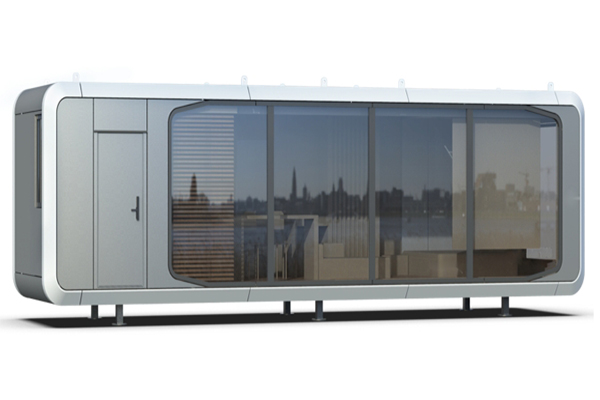
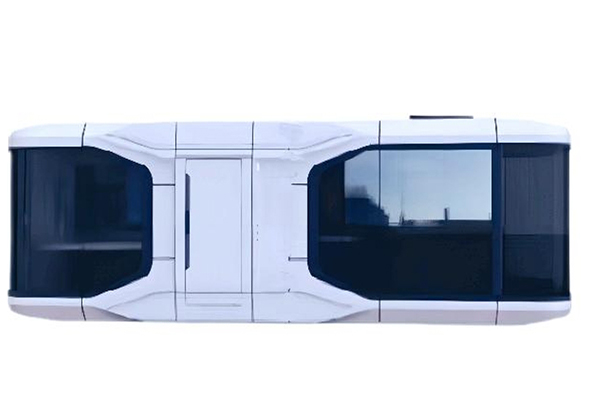
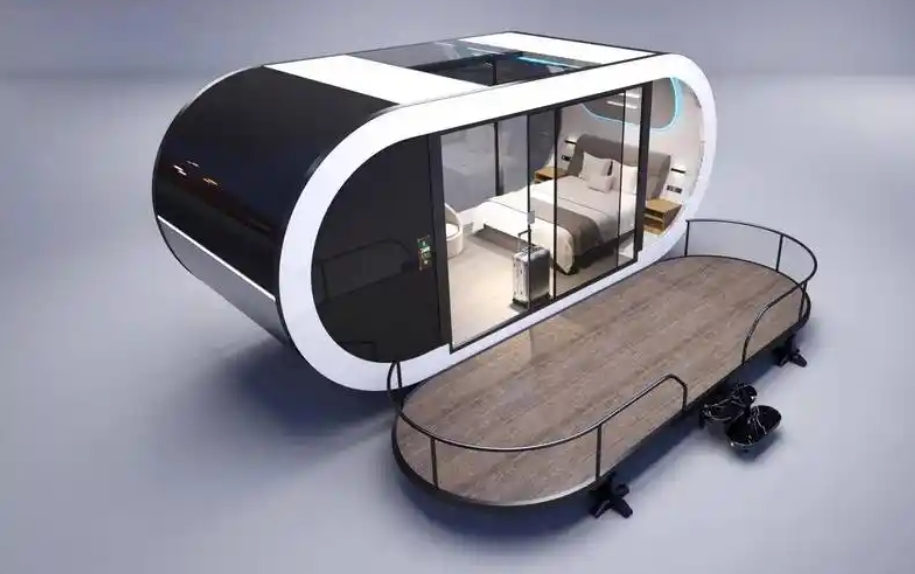
Space capsule houses are small homes designed to save space. They are inspired by spacecraft cabins, focusing on being useful and compact. Capsule hotels in Japan show this idea with tiny sleeping pods for short stays. These homes take that idea further, making them for permanent living. They mix futuristic looks with smart layouts to use space well.
The concept of capsule homes has changed over time. Countries like Slovenia and Croatia have examples of this style. These homes use modern building methods to save space and stay strong. They help solve city housing problems and change how we think about living in crowded areas.
Key Features and Design Innovations
Space capsule houses have many cool features that make them unique. Inside, they often have furniture that can be moved or folded, like beds and storage. This makes sure every part of the home is useful. They use strong, modern materials, like those used in spacecraft, to last long and handle weather.
Technology is a big part of these homes. Smart systems control lights, heat, and energy use, making them eco-friendly. Their small size helps save resources and cut waste. The designs are simple and modern, perfect for people who like a sleek lifestyle.
Who Benefits from Space Capsule Houses?
Many people can enjoy space capsule houses. City workers, especially young adults, like them because they are cheap and close to work. People who care about the environment also like these homes for their eco-friendly features.
Travelers and remote workers find them great for short stays since they are comfy and affordable. Governments and builders can use these homes to fix housing shortages in busy cities. These homes are a smart and new way to meet different needs and change how we live in cities.
Advantages of Space Capsule Houses
Saving Space in Crowded Cities
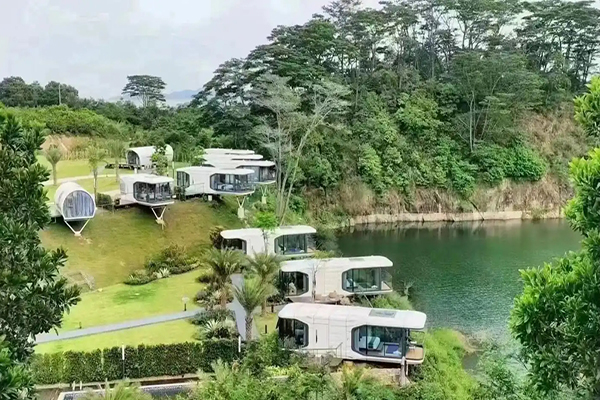
Space capsule houses change how we use space in cities. Their small design makes the most of every inch. This is great for places where land is limited. They use smart layouts to make vertical and horizontal space useful. For example, foldable furniture and hidden storage turn tiny rooms into useful areas. This design saves space and keeps homes neat and simple.
These homes also work well as cities grow. More people need cheap and eco-friendly places to live. Space capsule houses solve this by fitting perfectly into busy city areas.
Helping the Environment
One great thing about space capsule houses is their eco-friendliness. Their small size uses less energy for heating, cooling, and lights. Many have smart systems to save even more energy. This lowers their impact on the planet. Environmental groups often support these homes for being green.
The materials used to build them are often recyclable or eco-friendly. This reduces waste and helps the environment. By living in these homes, people help the planet while enjoying modern, smart spaces.
Affordable and Useful
Space capsule houses cost much less than regular homes. They save people from paying big rents or mortgages. This makes them a good choice for young workers, students, and retirees.
These homes also encourage simple living. The small space helps people keep only what they need. This reduces clutter and makes life more organized. They are also flexible. For example, they can be used as offices, guest rooms, or vacation rentals to earn extra money.
Here’s a quick look at their benefits:
Space capsule houses are not just a passing idea. They show a move toward smarter, greener living in a world with limited space and resources.
Challenges of Space Capsule Houses
High Starting Costs and Investment Problems
Space capsule houses can be expensive to start. They need advanced designs and technology, which cost a lot. For example:
Special materials and skilled workers make building costly.
Seasonal demand changes can cause uneven income for owners.
Developers must use smart pricing to make enough money.
Following local rules and safety laws also adds to the cost. These issues make it hard for builders and investors to take on these projects, especially in places where homes are already expensive.
Public Opinion and Cultural Challenges
Another problem is how people feel about small homes. Many think tiny spaces are uncomfortable or not fancy enough. In some cultures, big homes show success and wealth.
Getting people to like these homes means changing their views. It’s not just about liking small spaces; it’s about showing they can be cozy, useful, and stylish. Without this change, space capsule houses might only appeal to a small group of people.
Technical and Practical Problems
Small homes like these have limits. Their size makes it hard to fit big appliances. For example, adding a full kitchen or laundry machine needs creative ideas.
Building many of these homes is also tricky. They need special materials and methods, which aren’t always easy to find everywhere. Repairs can also cost a lot if the high-tech systems break or wear out over time.
Note: Space capsule houses are smart ideas, but these problems show the need for good planning to make them work in the long run.
Long-Term Impact of Space Capsule Houses
Changing City Housing Ideas
Space capsule houses are changing how we see city homes. Cities are running out of space, and regular homes don’t always fit modern needs. These tiny homes use land wisely and give cheaper choices for people who want to live near work or school.
City planners are looking at these designs to fix housing problems. Small apartments and pod living work well for young workers and students. These groups like saving money and being close to their jobs or classes. By focusing on smart use of space, capsule houses are creating new ways to live in cities.
Helping the Environment
Space capsule houses are great for the planet. Their small size uses less energy, which helps lower pollution. Many have smart systems to save even more energy. This makes them a good choice for people who care about the Earth.
The materials used to build these homes are often recyclable or eco-friendly. This cuts down on waste and helps the environment. As cities try to be greener, these homes match global goals to protect the planet. They show that living small can help the Earth in big ways.
Could They Become Popular?
The future of space capsule houses looks bright. Experts think that by 2030, tiny homes might make up 10% of homes in modern cities. This shows a move toward smaller living and caring for the planet.
These homes could become a common choice. Cities have high costs and little space, so small, smart homes are more attractive. These designs solve problems and fit new lifestyles. But their success depends on people liking them and new ideas to improve them. If these things happen, space capsule houses could change city living forever.
Space capsule houses bring new and cool ideas. They save space, help the environment, and are cheaper for city people. But, problems like high building costs and people’s doubts are real issues. These homes are a brave try to fix housing problems, but they need new ideas and people’s support to succeed.
I think space capsule houses are more than just a trend. They show a new way to think about city living. Will they become popular or stay a small idea? Either way, they prove how smart ideas can solve big problems. What do you think—are these homes the future of living?
FAQ
1. Are space capsule houses good for families?
These homes are better for singles or couples. Their small size might not fit families well. But in the future, modular designs could help small families.
2. How strong are space capsule houses?
They are made with tough materials like reinforced steel. Eco-friendly composites also make them last long. With good care, they can handle bad weather and stay strong for years.
3. Can you personalize space capsule houses?
Yes, many designs let you make changes. You can pick layouts, materials, and smart features. This helps the home match your needs while staying small and efficient.
4. Do space capsule houses meet building rules?
Most of these homes follow local safety and building rules. Builders work with officials to make sure they are allowed. Rules can differ by area, so check before building.
5. Are space capsule houses worth the money?
They can be a good choice in busy cities. Their low cost and eco-friendly design attract young workers and students. But their value depends on location and how people feel about them.