

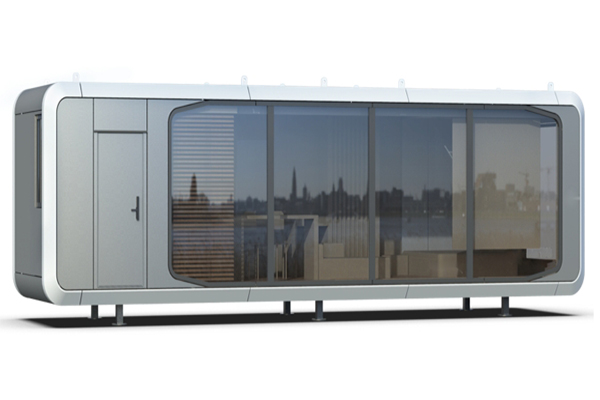

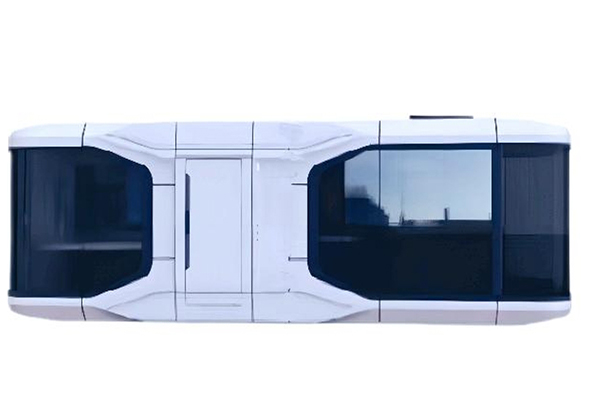
Capsule houses are compact, modular units designed to maximize efficiency and flexibility. Their small footprint and smart design make them ideal for addressing modern housing challenges. With rising urbanization, these homes have gained popularity as a practical solution. At Lan'en International, I see a commitment to supporting such innovative housing concepts that promote sustainable living.
Key Takeaways
Capsule houses are cheaper than regular homes, so more people can afford them.
Their small size helps the environment by using less energy and materials, which lowers pollution.
Capsule houses can be changed easily to fit new needs, making them great for city life.
Understanding Capsule Houses
Origins and Evolution of Capsule Houses
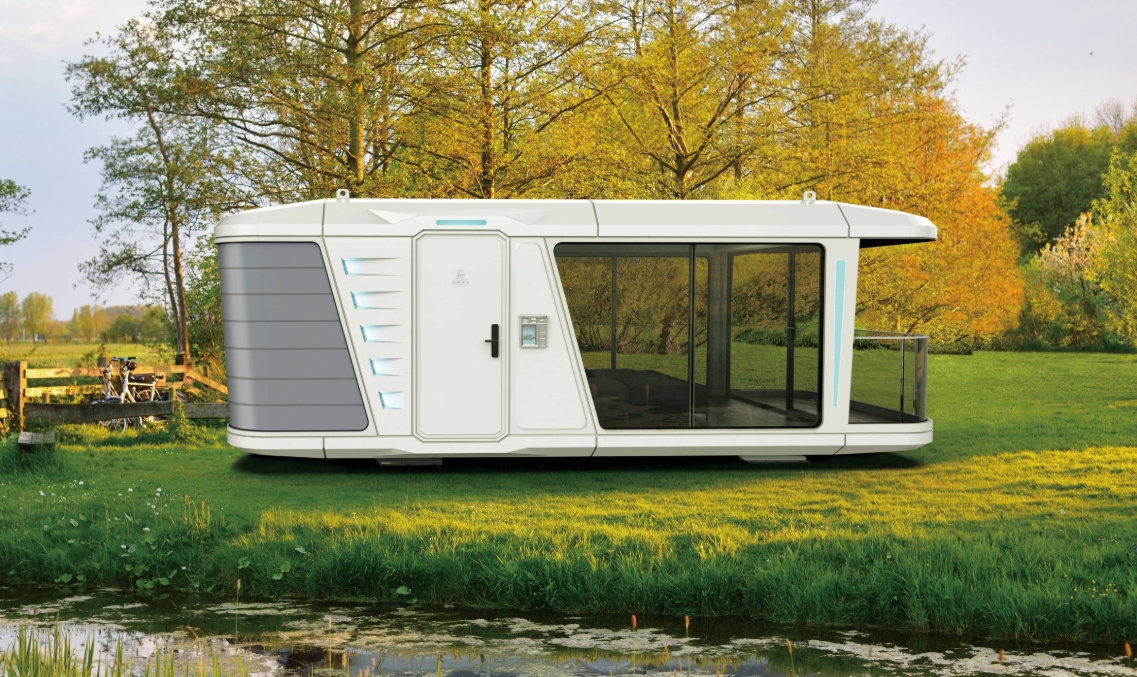
Capsule houses have a fascinating history that dates back to the 1970s. Kisho Kurokawa, a visionary architect, introduced this concept inspired by space exploration. His designs emphasized modularity and adaptability, which were revolutionary at the time. In 1979, the first capsule hotel, Capsule Inn Osaka, opened its doors, showcasing the practicality of these compact living spaces. Over the years, capsule houses evolved from experimental designs to viable housing solutions, addressing urbanization and environmental concerns.
Key Features and Design Principles
Capsule houses stand out due to their innovative features and design principles. They prioritize sustainability, modularity, and technology integration. For example, the Volferda Capsule House incorporates renewable energy sources and advanced smart home automation. These homes are also highly customizable, offering bespoke interior options to suit individual preferences.
Differences Between Capsule Houses and Traditional Housing
Capsule houses differ significantly from traditional housing in terms of cost, construction time, and efficiency. They typically cost between $20,000 and $100,000, whereas traditional homes often exceed $200,000. Construction of capsule houses takes weeks, compared to several months or even years for traditional homes. Additionally, capsule houses emphasize energy efficiency, leading to lower utility bills and maintenance costs over time.
Capsule houses are quicker to build, reducing labor and financing expenses.
They are designed for efficient space use and power conservation, lowering long-term costs.
Energy-efficient features, such as solar panels, contribute to substantial savings compared to traditional homes.
Benefits of Capsule Houses
Sustainability and Environmental Advantages
Capsule houses offer remarkable environmental benefits. Their compact design reduces the use of construction materials, which lowers waste and energy consumption. Many of these homes incorporate green technologies, such as solar panels and energy-efficient insulation, to minimize their carbon footprint. I’ve seen studies showing that capsule houses significantly reduce carbon emissions compared to traditional homes. They also promote conscious living by encouraging residents to adopt a minimalist lifestyle, which benefits both the planet and their well-being.
🌱 Capsule houses are a step toward eco-friendly living, combining innovative design with sustainability.
The adaptable nature of these homes further enhances their environmental impact. By allowing easy modifications, they reduce the need for new construction, which helps conserve resources. This approach aligns with global efforts to create sustainable housing solutions.
Cost-Effectiveness and Affordability
One of the most appealing aspects of capsule houses is their affordability. A standard two-bedroom capsule home costs between $75,000 and $150,000, which is significantly less than the $200,000 to $500,000 price range of traditional homes. This cost difference makes capsule houses an attractive option for individuals and families seeking budget-friendly housing.
Additionally, these homes save money in the long run. Their energy-efficient features, such as solar panels and smart appliances, lower utility bills. Construction costs are also reduced because capsule houses are prefabricated and assembled quickly. This efficiency translates into lower labor expenses and faster move-in times.
Flexibility and Adaptability for Modern Lifestyles
Capsule houses are designed to adapt to the changing needs of their occupants. For example, the Nagakin Capsule Tower in Tokyo demonstrates how individual units can be replaced or upgraded without disrupting the entire structure. This flexibility allows residents to customize their living spaces over time.
I’ve read about a case study in Serbia where capsule apartments were modified by their occupants to suit different family structures. This adaptability ensures that these homes remain functional and relevant as lifestyles evolve. Capsule houses also maximize space efficiency, making them ideal for urban living where space is limited.
🏠 Capsule houses prove that small spaces can offer big possibilities.
Their modular design makes them suitable for various applications, from single-person units to family homes. This versatility ensures that capsule houses meet the diverse needs of modern society.
Lan'en International's Support for Capsule Houses
Alignment with Lan'en International's Mission and Values
At Lan'en International, I believe in creating solutions that address global challenges. Capsule houses align perfectly with our mission to promote sustainable living and innovative housing. These compact homes reflect our values of efficiency, adaptability, and environmental responsibility. By supporting capsule houses, I see an opportunity to empower communities with affordable and eco-friendly housing options. This commitment drives us to collaborate with designers and architects who share our vision for a better future.
Promoting Innovation in Housing Solutions
Innovation lies at the heart of Lan'en International’s approach to housing. Capsule houses represent a breakthrough in modern architecture, combining cutting-edge technology with practical design. I’ve witnessed how these homes integrate renewable energy systems, smart appliances, and modular construction techniques. By championing capsule houses, we encourage the development of housing solutions that meet the needs of urban populations while minimizing environmental impact. I envision these homes as a stepping stone toward a more sustainable and technologically advanced society.
Advocacy for Sustainable and Accessible Living
Lan'en International actively advocates for housing that is both sustainable and accessible. Capsule houses embody these principles by offering affordable options for individuals and families. Their energy-efficient features reduce utility costs, making them financially viable for a broader audience. I’ve seen how these homes inspire a minimalist lifestyle, encouraging people to live consciously and reduce waste. Through partnerships and awareness campaigns, we aim to highlight the potential of capsule houses in transforming the housing landscape.
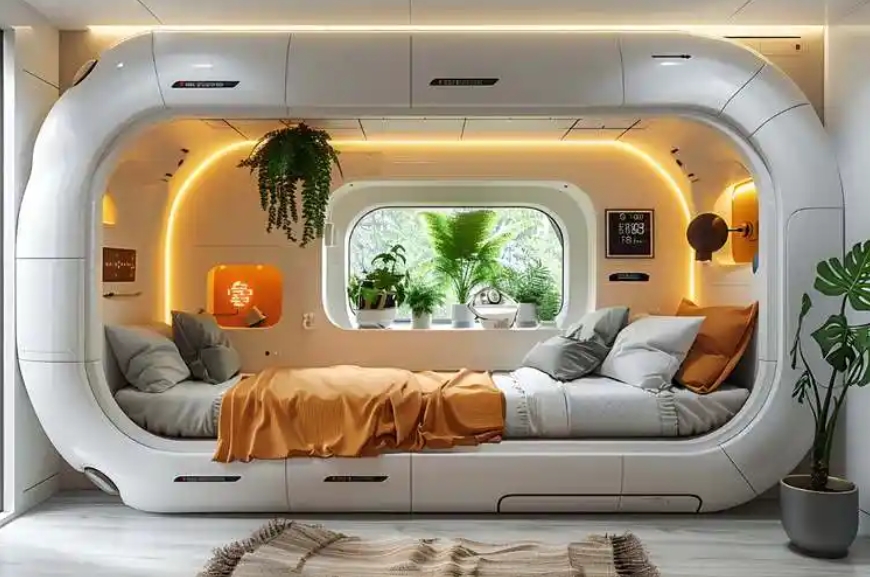
📸 Suggested Photo Ideas: Include images of capsule houses in urban settings, showcasing their compact design and eco-friendly features. Highlight interiors with smart technology and modular layouts to emphasize their adaptability.
Practical Applications of Capsule Houses
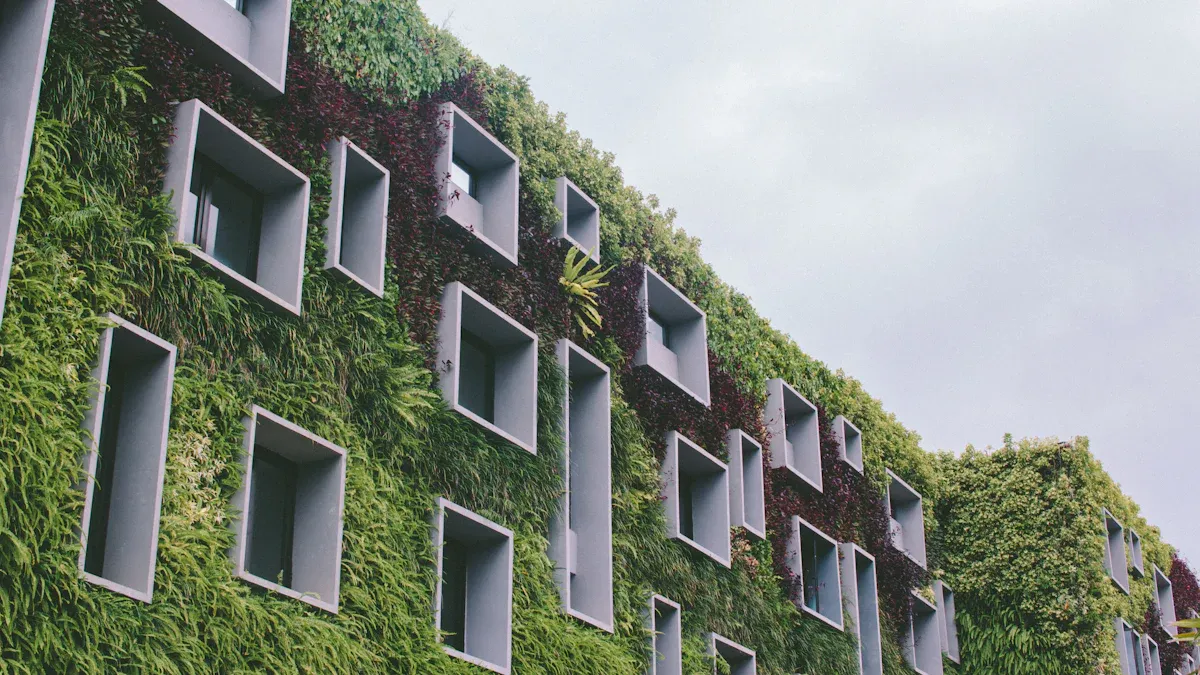
Residential Uses: Urban Living and Temporary Housing
Capsule houses have proven to be a practical solution for urban living and temporary housing. In cities like Shanghai and Guangzhou, they address the needs of temporary workers and students seeking affordable accommodations. These compact homes offer flexibility and efficiency, making them ideal for high-density urban environments. I’ve seen how they provide a cost-effective alternative to traditional apartments, especially in areas where housing demand exceeds supply.
These examples highlight the versatility of capsule houses in meeting diverse residential needs. Their modular design allows for quick assembly, making them suitable for both permanent and temporary housing solutions.
Commercial Uses: Offices, Retail Spaces, and Pop-Up Structures
Capsule houses are not limited to residential applications. I’ve noticed their growing popularity in commercial spaces, where they serve as offices, retail outlets, and pop-up structures. Their modularity and compact design make them perfect for businesses that require flexibility. For instance, pop-up shops can use capsule houses to create unique, temporary retail experiences. Similarly, startups and small businesses benefit from using these structures as cost-effective office spaces.
The adaptability of capsule houses allows businesses to scale their operations efficiently. They can expand or relocate without significant construction costs. This makes them an attractive option for entrepreneurs looking to minimize overhead expenses while maintaining a professional and functional workspace.
Environmental Uses: Disaster Relief and Eco-Friendly Housing
Capsule houses play a vital role in disaster relief and eco-friendly housing. After a devastating earthquake in Qinghai province, China, space capsule houses provided energy-efficient and secure housing for displaced families. Their rapid deployment and assembly make them invaluable in emergencies. These homes offer a safe and sustainable solution for individuals affected by natural disasters.
In Qinghai province, China, space capsule houses were deployed after a devastating earthquake, providing energy-efficient and secure housing for displaced families.
Additionally, capsule houses contribute to eco-friendly living. Their compact design reduces material waste, and many models incorporate renewable energy systems. I believe these features make them a sustainable choice for addressing environmental challenges while providing comfortable living spaces.
Capsule houses redefine modern living with their compact, efficient, and sustainable design. I believe they offer practical solutions to housing challenges while promoting affordability and environmental responsibility. At Lan'en International, I see our commitment to supporting these innovative homes as a step toward a better future. Explore their potential to transform housing today.
FAQ
What are the main materials used in capsule houses?
Capsule houses often use lightweight, durable materials like steel, aluminum, and eco-friendly composites. These materials ensure strength, sustainability, and energy efficiency.
🏗️ Tip: Many capsule houses also incorporate recycled materials to reduce environmental impact.
Can capsule houses withstand extreme weather conditions?
Yes, many capsule houses are designed to endure harsh weather. Features like reinforced walls, insulation, and weatherproof coatings provide protection against storms, heat, and cold.
How long does it take to build a capsule house?
Most capsule houses are prefabricated, so assembly takes only a few weeks. This quick construction process makes them ideal for urgent housing needs or temporary setups.