

Product Link:
https://www.capsulehousemanufacturer.com/products-portable-toilet.html
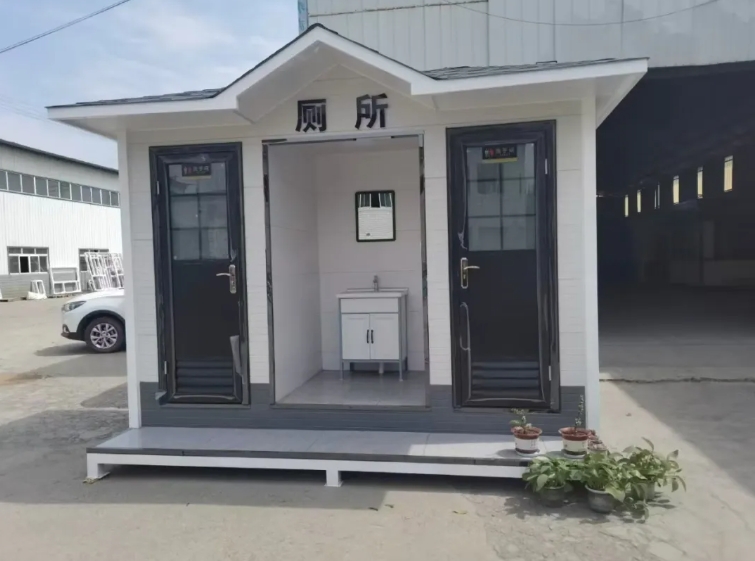
Mobile toilets are made of steel welded frame structures. Generally, the bottom is welded with channel steel or I-beam, and the columns are made of square steel. Wall materials, including color steel plates, fiberglass, stainless steel, metal carved plates, etc., are installed on the basis of the wall. The frame-type mechanism can meet the lifting requirements and can be moved for lifting, so it is called a mobile toilet. It is not mobile in itself. It is opposite to the traditional fixed toilet. Compared with traditional toilets, the advantages are very obvious. Mobile toilets are not restricted by any working environment. The appearance and structure are light and the color matching is reasonable. They are suitable for urban streets, park greening, stations, docks, tourist attractions, villa areas, newly built communities, large construction sites, squares, densely populated public places and bustling commercial streets. Mobile public toilets have the advantages of being movable, combinable, and convenient for transportation. Moreover, the internal configuration of mobile toilets is higher than that of ordinary fixed toilets.
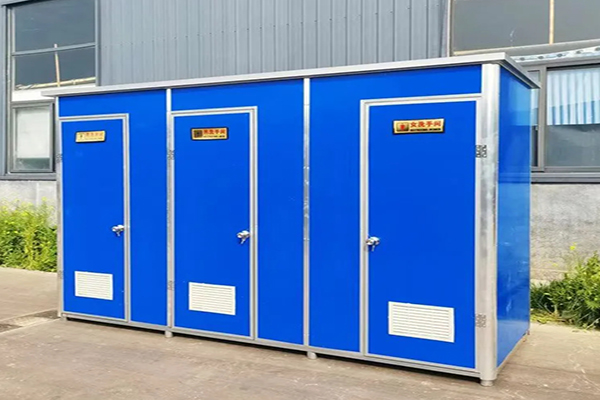
Later, it gradually developed into the use of fiberglass, polyethylene and other materials. The way the toilet is moved and the way feces and sewage are treated have undergone major changes, and the functions have been gradually improved.
1. Strong mobility, thus avoiding the waste of resources caused by house demolition.
2. Various treatment methods, and appropriate treatment methods can be adopted according to the limitations of the use environment.
3. Small footprint. Compared with traditional toilets, mobile toilets greatly save land area, which just caters to the current land shortage situation!
4. Beautiful and generous. On the basis of practicality, it pays attention to the importance of beauty and becomes a landscape of tourist attractions and park communities!
5. It greatly saves manpower, material and financial resources in construction. The construction of traditional toilets usually requires site selection, material purchase, construction, completion, and commissioning, while mobile toilets are finished products produced by manufacturers and can be installed and used directly!