

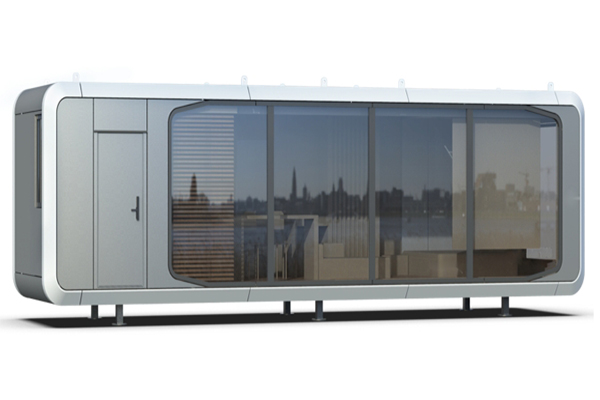


In 2025, shipping container homes are changing how people live. High home prices make regular houses too expensive for many. A new house costs over $300,000, but a container home can cost just $50,000. These homes help the environment by reusing old containers, which cost around $2,500. With their low price and eco-friendly design, container homes are a smart choice for today’s needs.
Key Takeaways
Shipping container homes are cheap, costing $10,000 to $50,000. They are great for new buyers or people with less money.
These homes help the environment by reusing old containers. They cut down on trash and lower pollution, making Earth cleaner.
Container homes are fast to build, often in weeks. They can be changed to match what homeowners want.
Economic and Social Reasons for Choosing Shipping Container Homes

Solving the Housing Cost Problem
Traditional homes are too expensive for many people today. The housing crisis has left millions without affordable places to live. Did you know 42% of adults aged 18-39 have stopped trying to buy homes? High mortgage rates stop 49% of buyers, while 51% avoid buying due to high prices. These problems show why we need cheaper housing options like container homes.
Container homes are a smart way to fix this issue. They cost much less than regular houses, between $10,000 and $50,000. This makes them a great choice for first-time buyers or those with tight budgets. The market for these homes is growing fast. It’s expected to rise from $62.73 billion in 2024 to $67.03 billion in 2025. This shows how popular and affordable they are becoming.
Urban Growth and Space-Saving Homes
Cities are growing fast, changing how people live. By 2050, over two-thirds of the world will live in cities. This means we need homes that save space in crowded areas. Shipping container homes are perfect for this. They are small, modular, and use space wisely.
Urban living has been growing for years. In 2007, city and rural populations were equal. By 2020, more people lived in cities than in rural areas. Cities now struggle with limited space, so creative housing like container homes is needed. These homes are affordable and solve space problems in cities.
Millennials and Simple Living Choices
Millennials love shipping container homes for many reasons. These homes match their love for simple and eco-friendly living. Did you know container homes cost $10,000 to $50,000? This makes them affordable for young buyers. Their designs are flexible, great for small families or individuals who want efficient spaces.
The cool look of container homes also attracts millennials. The industrial style and custom features make them unique and modern. Many include smart home tech, which appeals to tech-savvy people. With their low cost, smart design, and stylish look, container homes are a top pick for millennials wanting new housing options.
Environmental Benefits of Shipping Container Homes

Recycling and Repurposing Shipping Containers
Shipping container homes are a great example of being eco-friendly. Reusing old containers cuts down the need for new building materials. This helps reduce waste and keeps containers out of landfills. Every reused container lowers pollution, making these homes better for the planet.
Here’s how recycling shipping containers helps the environment:
Reduced Carbon Emissions: Building container homes releases less carbon than regular homes.
Waste Reduction: Reusing containers keeps them from filling up landfills.
Material Efficiency: Using old containers saves natural resources by avoiding new materials.
Choosing a container home means joining a recycling movement that helps the planet.
Energy Efficiency and Sustainable Living
Container homes are built to save energy. Many include solar panels, rainwater systems, and green roofs. These features lower energy bills and reduce the need for regular utilities.
Container homes are well-insulated, keeping them warm in winter and cool in summer. This design saves energy and makes the home more comfortable while lowering energy use.
You can live off-grid with these homes. Solar panels and wind turbines power many of them. This clean energy reduces pollution and supports green living.
Off-grid container homes rely less on regular utilities. They use clean energy, cutting pollution and helping the environment.
By using energy-saving features, you help the planet and save money on energy costs.
Contribution to the Circular Economy
Container homes are part of the circular economy. This system focuses on reusing materials and cutting waste. By choosing a container home, you give old containers a new life.
Here’s how container homes support the circular economy:
They save natural resources by reusing materials instead of using new ones.
Recycling containers reduces trash and supports green habits.
Energy-efficient designs lower the environmental impact of housing.
Many container homes use solar and wind energy. This reduces the need for regular power and cuts pollution from energy use.
Living in a container home means helping the planet. You reduce waste, save resources, and live in a more eco-friendly way.
Practical Benefits of Shipping Container Homes
Quick and Affordable Construction
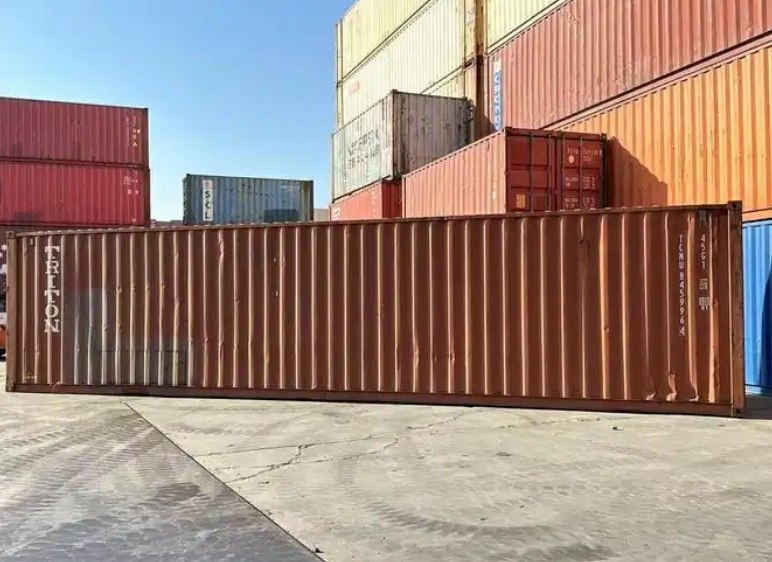
Shipping container homes are built faster and cost less. Regular homes take over a year to finish. Container homes can be done in weeks or months. This is because containers are already made, saving time.
Key points about their speed and cost:
Container homes start at about $40,000, much cheaper than regular homes.
Simple changes keep costs low but still make them comfy.
Weather delays and worker shortages rarely slow down container home projects.
Choosing a container home saves time and money. It also avoids many problems of regular home building.
Easy Customization and Flexible Designs
You can easily customize shipping container homes to fit your needs. Stack, join, or change containers to create your dream space. Architects use them for homes, offices, and even art spaces worldwide.
Benefits of customization include:
Simple changes to match your style or needs.
Add eco-friendly features like solar panels or green roofs.
Flexible designs work in different climates and locations.
With container homes, you can create a unique, modern space that fits your vision.
Portable and Adaptable Homes
Shipping container homes are easy to move and adapt. Unlike regular homes, you can relocate them easily. They’re great for off-grid living, vacations, or emergency housing.
Why they’re so adaptable:
Quickly set up in remote or emergency areas.
Modular design allows easy expansion or changes.
Useful for homes, offices, or storage spaces.
Whether in the city, countryside, or remote areas, container homes offer a flexible and portable solution.
Challenges of Shipping Container Homes
Zoning Laws and Regulatory Hurdles
Building shipping container homes can be tricky due to zoning rules. These rules decide how land is used and what can be built. You need to know local laws before starting to avoid problems.
Zoning rules differ by area and may ban container homes.
Some places need special permits, which add time and cost.
Residential and business zones have different building rules to follow.
Check zoning maps and rules to see if your land works. Without planning, you might face fines or need to remove your home.
Tip: Always ask local officials about zoning rules before buying land or building.
Insulation and Climate Control Issues
Shipping container homes need good insulation to stay comfy inside. Steel walls heat up and cool down faster than regular materials. Insulation is key to keeping the temperature steady.
Insulation keeps your home warm in winter and cool in summer.
It blocks noise and stops moisture, which can cause mold.
Spray foam or fiberglass insulation works better in different climates.
Without insulation, extreme weather can make your home uncomfortable. Sealing and climate systems also stop air leaks and moisture problems.
Note: Use insulation with high R-values to keep your home cozy and durable.
Overcoming Public Perception and Stigma
Some people think shipping container homes are cheap or temporary. This makes it harder for them to be accepted in some areas.
You can change this by showing their benefits. Talk about how affordable, eco-friendly, and modern they are. Sharing pictures of stylish container homes can also help.
Reminder: Teach others about the good things container homes offer to change their minds.
The Future of Shipping Container Homes
New Designs and Smart Technology
Shipping container homes are changing with new designs and tech. Architects are making homes like "Containers of Hope" with slanted roofs. These roofs bring in natural light and fresh air. The "Caterpillar House" stays cool without air conditioning. The "Ecuadorian Container Home" can be moved easily with its modular design. These ideas show how container homes are becoming stylish and useful.
Smart technology is also improving these homes. Automated systems now manage lights, temperature, and security. Some homes even have luxury features like custom furniture or private theaters. Others include yoga decks for relaxation. These updates make container homes modern and eco-friendly.
Helping Solve Housing Problems
Shipping container homes help fix housing shortages. They are cheap, quick to build, and work in cities or rural areas. In crowded places, they save space while staying high-quality. They can be built in weeks, making them great for emergencies.
These homes also attract eco-friendly buyers. They offer a green way to own a home and reduce waste.
Future Trends and Market Growth
The future of shipping container homes looks bright. The market, worth $60.02 billion in 2024, may grow to $95.74 billion by 2033. This shows more people want affordable and sustainable homes.
Trends like flexible designs and easy building are driving this growth. Buyers love customizing their homes to fit their needs. Basic models start at $24,000, making them affordable for many. Reports also highlight their eco-friendly benefits, matching global green goals.
Shipping container homes are more than a trend. They are a smart, eco-friendly answer to today’s housing problems.
In 2025, shipping container homes are changing housing options. They are cheap and good for the environment, helping cities with housing problems. These homes are built fast and save money, making them great for people with lower incomes. Even though zoning rules can be tricky, the advantages of these homes are much greater than the downsides. They offer a greener and smarter way to live.
FAQ
What are the main benefits of shipping container homes?
Shipping container homes are cheap, eco-friendly, and fast to build. They have flexible designs and can be changed to suit your needs.
How long does it take to build a shipping container home?
Most container homes are finished in weeks or a few months. The time depends on how complex the design is and any changes you want.
Are shipping container homes durable?
Yes, they are very strong. Built with steel, they handle tough weather and can last for many years if cared for properly.