

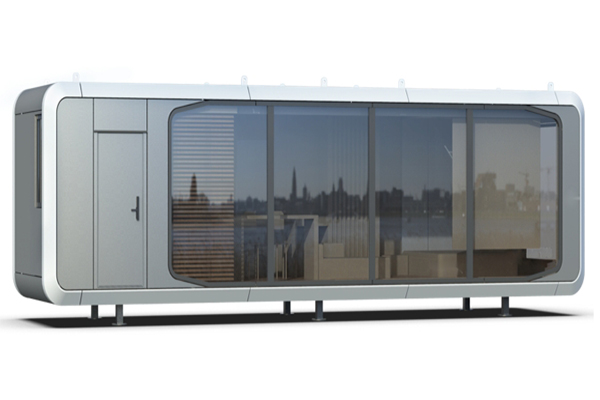

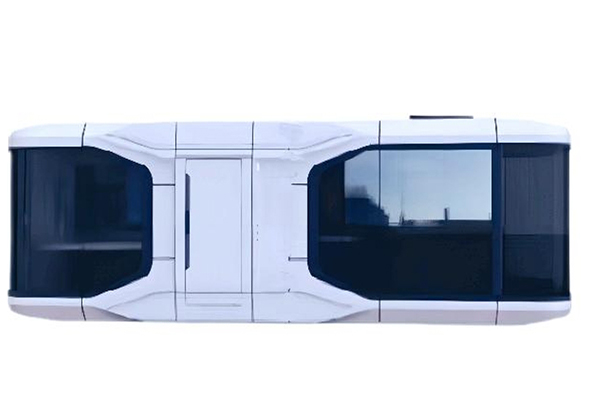
Folding container homes are changing how people live today. They are becoming more popular because they are cheap and eco-friendly. The market for these homes will grow from $8.55 billion in 2024 to $13.57 billion by 2029. But, rules about land use and building plans can make it hard to use this affordable housing option.
Key Takeaways
Learn about local zoning rules before building a container home. Make sure your area allows this type of housing to avoid problems.
Talk to your community early. Explain your plans and how container homes can help to get their support and solve worries.
Get help from experts in zoning and building. They can guide you through rules and make sure your home is safe. This can save time and money.
Zoning Laws and Their Effect on Folding Container Homes
Residential vs. Commercial Zoning Problems
Zoning laws decide where folding container homes can go. These rules are different for homes and businesses. Housing areas usually have stricter rules for family homes. Business areas are more open to different uses.
Here’s a look at how zoning rules differ:
In housing zones, you might need special permits to follow rules. For instance, in New York, zoning laws decide what buildings are allowed. Container homes might not be listed, so you must check with local officials. Business zones are more open but still have rules to follow.
Learning Zoning Rules for Container Homes
Zoning rules can seem confusing, but they are important. These rules control land use, building types, and safety standards. They make sure new buildings fit the area’s look and purpose.
For folding container homes, check if your area allows non-traditional housing. Some places don’t have clear rules for container homes. You’ll need to talk to zoning officials to avoid problems. This step ensures your project follows all the rules.
Fixing Neighborhood Concerns
Some neighbors may not like container homes in their area. They might think these homes look bad or lower property values. This is often due to wrong ideas about container homes.
To solve this, talk to your community early. Share your plans and explain the benefits, like being affordable and eco-friendly. Use creative designs to help your home fit in better. By working with your neighbors, you can gain their support and fix these concerns.
Building Code Rules for Folding Container Homes
Building codes are rules to keep homes safe and legal. These rules cover strength, energy use, and fire safety. Following them is important to build a safe container home.
Keeping the Structure Strong and Safe
A strong structure is key for container homes. The home must handle wind, snow, and earthquakes. Cutting windows or doors can weaken the walls. A structural engineer can suggest fixes to keep it stable.
Rust and moisture are big problems. Containers are tough but can rust if wet. Use anti-rust treatments and weatherproof materials to protect them. Moisture inside can cause mold, which is bad for health and safety. Good insulation and airflow stop this from happening.
Here are common structure problems for container homes:
Insulation and Energy-Saving Rules
Energy-saving is important for container homes. Codes require good insulation to save energy. Steel containers get very hot or cold without insulation.
Use good insulation to keep the home comfy and quiet. Spray foam works well to fill gaps and stop moisture. Energy-saving windows and doors help control temperature and cut energy use.
Tips for meeting energy rules:
Learn local energy rules early in your planning.
Use plans that include insulation and energy-saving ideas.
Add energy-efficient heating and cooling systems.
Fire Safety and Emergency Rules
Fire safety is very important for container homes. Homes need smoke alarms, carbon monoxide detectors, and fire extinguishers. These must be placed in the right spots.
Windows and doors help with fire safety. Homes need more than one way to escape in emergencies. Fireproof walls and ceilings also make homes safer.
Fire safety tips:
Put smoke and carbon monoxide alarms in every room.
Use fireproof insulation and building materials.
Make sure every room has two exits, like a door and window.
By following these fire safety rules, you can build a safe and legal container home.
The Permitting Process for Folding Container Homes
Steps to Get Permits for Container Homes
Getting permits for your container home can seem hard. Breaking it into steps makes it easier. First, check local zoning laws and building codes. These rules tell you if container homes are allowed. Then, visit your local permit office to learn what is needed. They will explain forms and fees you must complete.
Create a detailed site plan and construction drawings. These show how your home will follow safety and zoning rules. Submit your application with these documents. After that, inspections will check if your project meets the rules. Once everything is approved, you’ll get a permit to start building.
Documents and Approvals You Need
To get permits easily, gather the right papers. You’ll need a site plan, structural drawings, and proof you follow zoning rules. Some places may also ask for energy reports or fire safety plans.
You might need approvals from different departments. Zoning officials check if your home fits the area’s rules. Building inspectors make sure it’s safe. Always confirm with your local office to avoid missing anything important.
Avoiding Permit Problems
Getting permits for container homes can be tricky. Common problems include not meeting rules, delays, and confusion about home type.
Stay organized to avoid these issues. Talk clearly with permit officials and give all needed papers early. Knowing the rules and preparing well can save time and stress.
Construction Challenges in Folding Container Homes
Handling Space and Design Restrictions
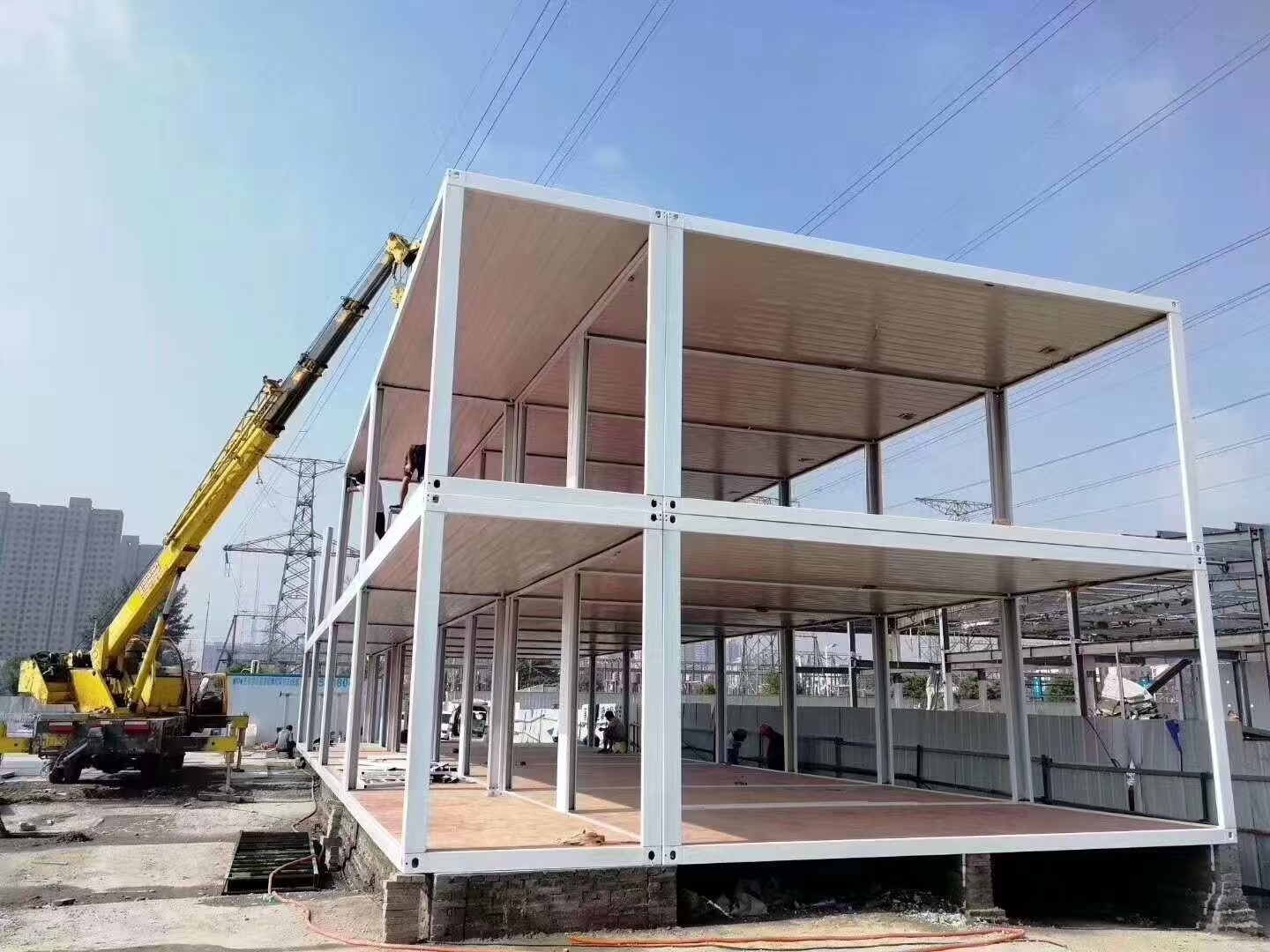
Container homes have limited space to work with. Each container has set dimensions, which can restrict designs. Making roomy interiors or fitting regular furniture can be tough. Joining multiple containers helps but needs careful planning to stay strong.
To use space wisely, pick smart furniture and layouts. For example, a bed that folds can also be a couch. Use tall shelves and cabinets to save floor space. Creative ideas can turn small spaces into stylish, useful areas.
Personalizing Shipping Container Homes
Container homes are easy to customize. You can design them to match your needs. For example:
Decide how many rooms you want and their arrangement.
Use different-sized containers for unique layouts or extra floors.
Add outdoor features like decks, siding, or rooftop gardens.
Customization makes container homes popular. Many people add smart tech and fancy finishes for comfort. Architects like Gensler create designs from tiny homes to luxury ones. This flexibility makes container homes great for modern living.
Thinking About Environment and Weather
Container homes are green but need weather planning. Steel heats up fast, making homes hot in summer. Without good insulation, they get cold in winter. Use quality insulation and energy-saving windows to fix this.
Weather also affects how long your home lasts. In wet places, moisture can cause rust and mold. Use anti-rust coatings and good airflow to stop these problems. By designing for your local climate, you can build a comfy, eco-friendly home.
Practical Solutions to Overcome Challenges
Working with Experts in Zoning and Building
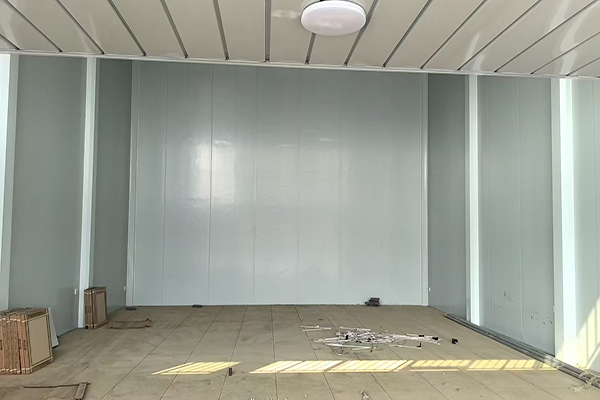
Hiring experts in zoning and building saves time. These professionals understand rules and help with your design. Architects and engineers ensure your home is safe and follows laws. They also handle questions from officials about container homes.
Experts know local and global building rules. They guide you to meet safety standards. Lawyers can explain tricky zoning laws. Working with these experts avoids delays and costly errors.
Talking to Neighbors About Zoning Issues
Getting neighbors' support is important for container homes. Some may worry about property values or how homes look. Solve this by involving them early in your plans.
Explain your ideas and share the benefits, like low cost and eco-friendliness. Host meetings or open houses to build trust. Designs that match the area can ease worries. Talking with neighbors creates a friendly atmosphere for your project.
Using New Materials and Smart Technology
New materials and technology make container homes better. For example, advanced insulation keeps homes comfy and saves energy. Fireproof and weather-resistant finishes add safety and strength.
Smart home systems improve daily life. Automated lights, heating, and security make homes easier to manage. Using these ideas creates a modern, green home that fits your needs.
Making folding container homes means dealing with rules and building needs. You must follow zoning laws and meet safety codes. Building these homes also takes careful planning and teamwork. Experts can help solve problems and find smart solutions. These homes are affordable and good for the planet. As more people like them, they could be the future of green living.
FAQ
How much does it cost to build a folding container home?
The price depends on size and design. Usually, it costs $10,000 to $50,000 for a simple container home.
Can folding container homes handle bad weather?
Yes, they can. With good insulation, weatherproofing, and strong support, these homes can handle heat, cold, and storms well.
Tip: Talk to a structural engineer to check if your container home is safe for local weather.
Are folding container homes good for the environment?
Yes! These homes reuse old shipping containers, cutting down waste. They also need fewer materials than regular homes, making them eco-friendly. 🌱