

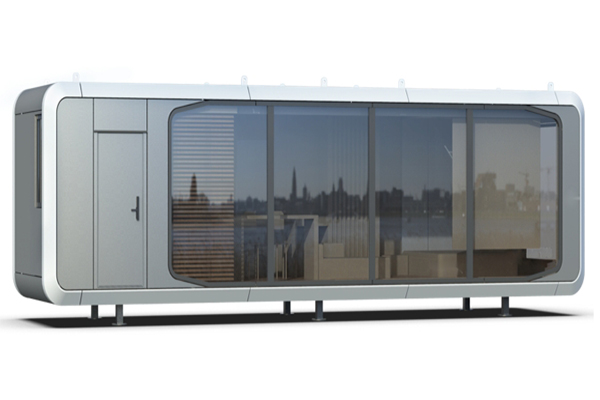

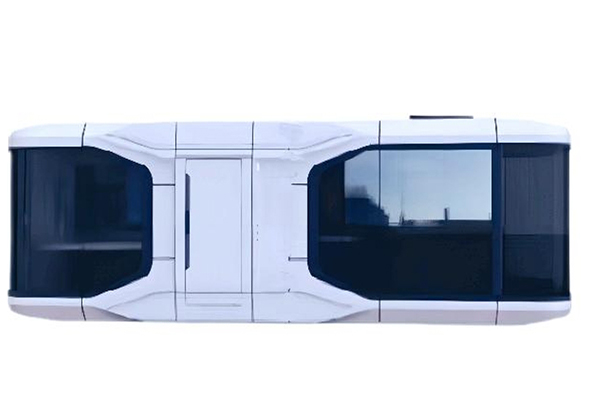
Folding container homes are a green way to solve housing problems. They reuse shipping containers, cutting waste and helping the planet. Their small size and easy building process save time and energy. These homes use less space and cost less money. They fit the idea of a sustainable future by offering cheap housing. At the same time, they help protect the environment and support eco-friendly goals.
Key Takeaways
Folding container homes use old shipping containers again. This cuts waste and helps with recycling. It keeps trash out of landfills and supports green living.
These homes save energy with good insulation and solar panels. They use less power and lower bills, saving money too.
Building folding container homes is fast and eco-friendly. They are made in weeks, reducing waste and CO2 pollution.
What Makes a Folding Container Home Sustainable?
Repurposed Shipping Containers
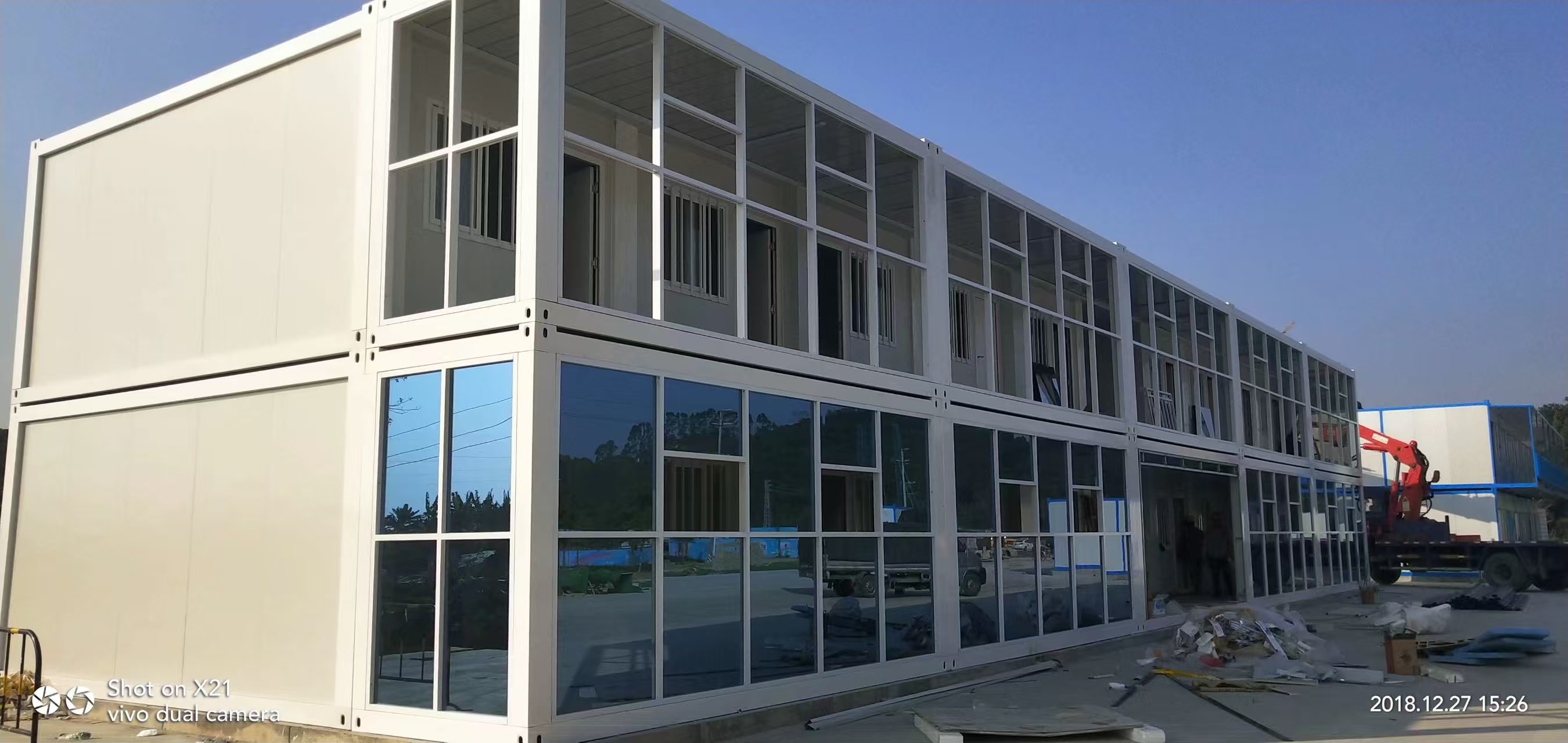
Folding container homes reuse old shipping containers in smart ways. These containers, often left unused, are turned into strong homes. This helps reduce trash and keeps materials out of landfills. Did you know about 14 million unused containers are made into homes? This method supports recycling and saves resources. For example, in Amsterdam, containers became student housing near the city. These homes are cheap, eco-friendly, and close to urban areas.
Minimal Construction Waste
Folding container homes create very little construction waste. Regular building projects make a lot of trash, but not these homes. They are pre-made, so less heavy equipment is needed. The building process also makes almost no waste. These homes can be taken apart and rebuilt easily. This makes them last longer and lowers their impact on the planet. Their flexibility makes them a smart and green choice for today’s world.
Eco-Friendly Design Features
Folding container homes often have green design features. Many use solar panels for power, cutting down on regular energy use. Big windows and skylights let in sunlight, saving energy. Some designs even allow off-grid living, which is better for the planet. These features make container homes a great option for eco-friendly and affordable living.
Environmental Benefits of Foldable Container Houses
Promotes Recycling and Reuse
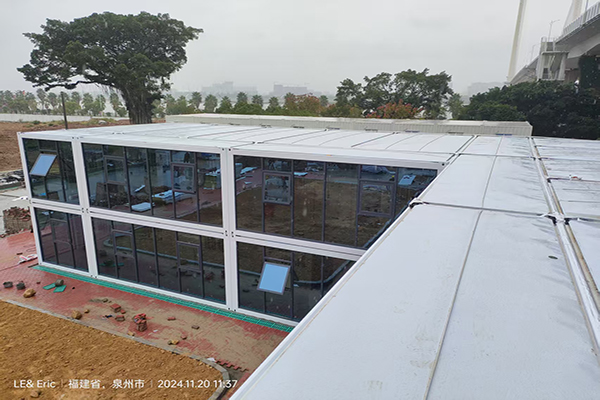
Foldable container houses help with recycling and reusing materials. Old shipping containers are turned into strong, useful homes. Instead of sitting in landfills, they become affordable housing. This reduces the need for new building materials. It also supports eco-friendly living.
For example, these homes are great for the environment. Reusing containers lowers the harm caused by regular construction. This matches the ideas of recycling and reusing. It helps create a greener future for everyone.
Energy Efficiency and Insulation
Foldable container houses are made to save energy. Many of them have good insulation to keep temperatures steady. This means less heating or cooling is needed. It saves energy and lowers bills.
Here are some common insulation features:
The windows have a K-value of 2W/㎡·K, which keeps heat in or out. Aluminum frames also stop heat from escaping. These features make the homes great for saving energy.
Quick and Low-Impact Construction
Building foldable container houses is fast and eco-friendly. Regular homes take months to build, but these are ready in weeks. They are made off-site and set up quickly. This saves time and reduces harm to the environment.
Reusing containers keeps waste out of landfills. A study shows these homes can cut 46 tons of CO2 compared to normal houses. They are a smart and green choice for today’s housing needs.
Encourages Sustainable Living Practices
Foldable container houses promote eco-friendly living. Many include solar panels and systems to collect rainwater. These features let people live off-grid and use less energy.
Living in these homes makes us think about our impact on nature. Their small size encourages simple living, which is better for the planet. Choosing this housing helps reduce waste and supports a greener lifestyle.
Enhancing Sustainability in Folding Container Homes
Insulation and Energy Optimization
Foldable container homes are great at saving energy. They have strong insulation to keep indoor temperatures steady. This means less heating or cooling is needed. As a result, energy is saved, and bills are lower. For example, walls often use rock wool or EPS boards. These materials help keep homes warm or cool in any weather.
Studies show better insulation can save even more energy. For instance:
These examples prove container homes can save lots of energy. Using shading and prefab designs helps the planet and saves money.
Renewable Energy Integration
Adding renewable energy makes these homes even greener. Solar panels are a popular choice for power. They are affordable and lower carbon emissions. Many homes have roofs ready for solar panels. This makes it easy to add them later. It fits perfectly with eco-friendly goals.
Rainwater systems are another smart feature. They collect rainwater to use later, cutting water waste. Combining solar power and water-saving systems makes these homes eco-friendly. These features help people live sustainably and respect nature.
Use of Sustainable Materials
The materials in foldable container homes are very eco-friendly. Old shipping containers are reused, cutting waste and saving resources. Up to 85% of the materials can be recycled. This is much better for the planet than regular houses.
Here’s a quick look at the benefits:
Using recycled materials reduces trash and helps the environment. These materials are strong and affordable, making them perfect for homes. Choosing foldable container homes is a step toward a greener future.
Folding container homes are a smart way to help the environment. They cut down on waste and save energy. These homes encourage eco-friendly living. Turning old containers into houses helps the Earth. Choosing this option supports a cleaner and greener future for all.
FAQ
How long does a folding container home last?
A folding container home can last more than 25 years. Taking care of it, like repainting and sealing, makes it last longer and stay in good shape.
Can folding container homes handle bad weather?
Yes, they are made to survive tough weather. Their steel frame stands up to strong winds, heavy rain, and even earthquakes if reinforced properly.
Can you customize folding container homes?
Yes! You can add things like solar panels, bigger windows, or better insulation. These homes can easily match your needs and style.