

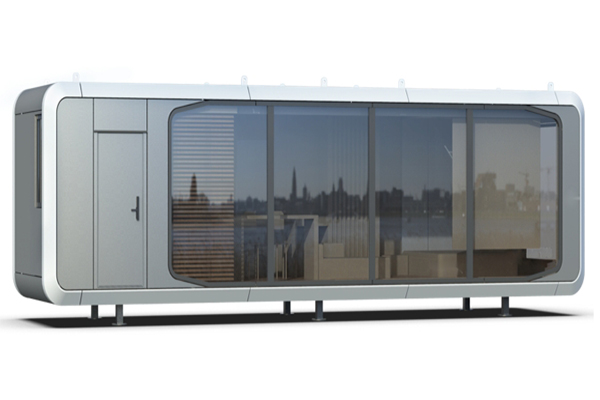

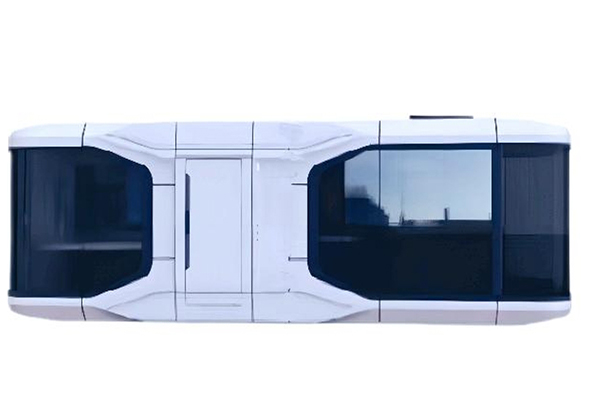
The folding container house has emerged as a cost-effective alternative for those seeking affordable housing options. Its appeal lies in its ability to serve as a sustainable housing solution while addressing the growing demand for housing. These homes are versatile, with applications ranging from disaster relief shelters to permanent residences. Prefabrication techniques further enhance affordability by reducing labor and material costs. Additionally, their construction supports sustainable development by utilizing repurposed containers, minimizing environmental impact. Features like solar panels and rainwater harvesting systems make these homes energy-efficient and eco-friendly, aligning with modern values of sustainability and adaptability.
Key Takeaways
Folding container homes are a cheaper way to own a house.
They are good for the environment, using recycled materials and saving energy.
Their simple design makes them easy to build and change to fit different needs.
Understanding Folding Container Houses
What Are Folding Container Houses?
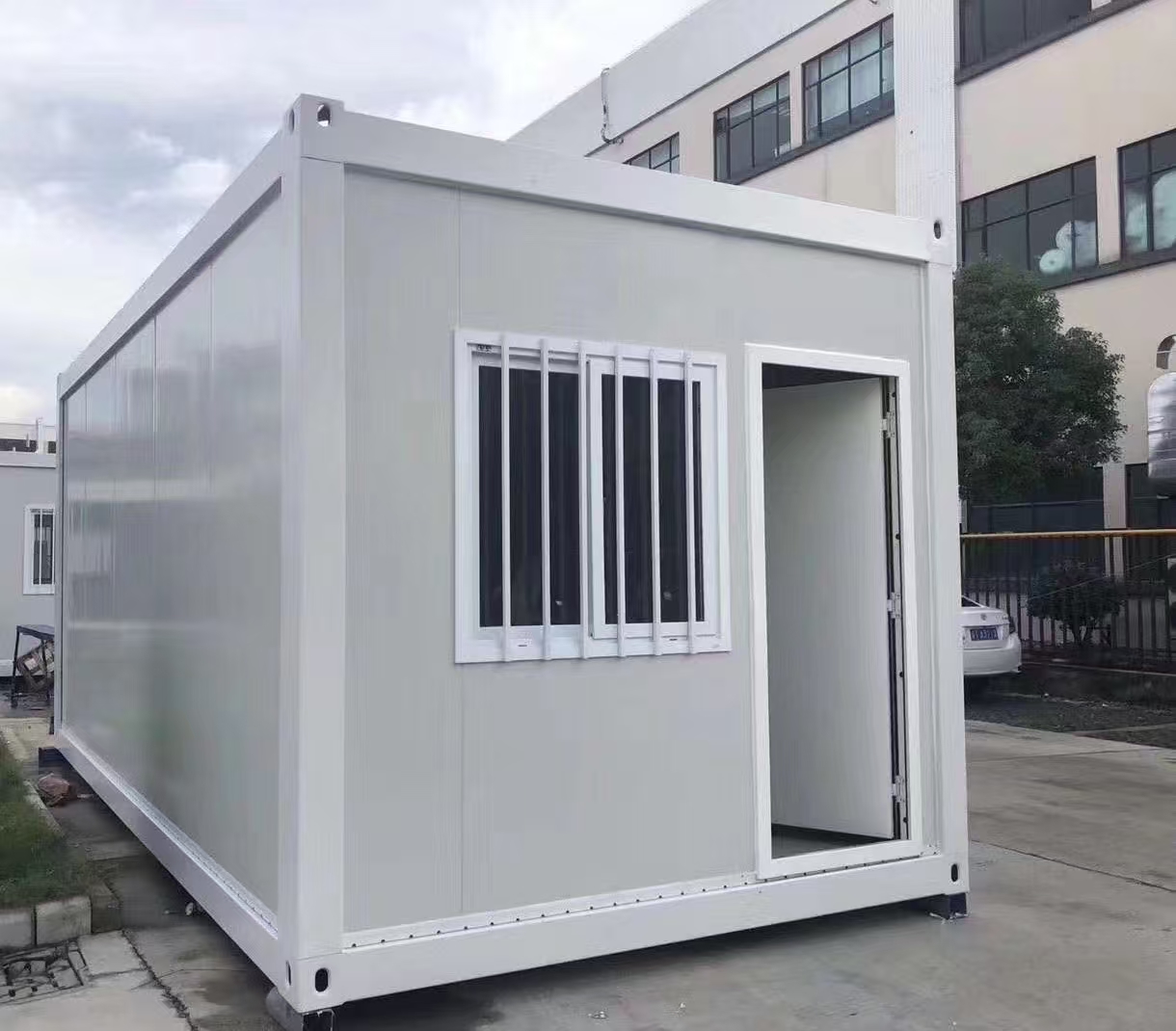
Folding container houses are innovative, modular structures designed to meet modern housing needs. These homes are crafted from shipping containers, which are repurposed into functional living spaces. Their foldable design allows for easy transportation and quick assembly, making them a practical solution for various applications. From compact studios to family homes, these structures cater to diverse lifestyles and preferences.
I’ve observed that folding container houses are gaining popularity in urban areas where real estate prices are high. For instance, cities like Los Angeles use them to address homelessness. Their affordability and adaptability make them an attractive option for individuals and families seeking cost-effective housing solutions. Additionally, their ability to integrate modern amenities ensures they meet the expectations of contemporary living.
How Do Prefab Fold-Out Container Homes Work?
Prefab fold-out container homes are built using prefabrication techniques, which streamline the construction process. These homes are manufactured off-site in controlled environments, ensuring precision and quality. Once completed, they are transported to the desired location, where they can be unfolded and assembled within hours.
The fold-out mechanism is a key feature of these homes. It allows the structure to expand from a compact form into a fully functional living space. This design not only saves time but also reduces labor costs. I’ve noticed that many manufacturers, including Lan’en International, incorporate sustainable materials and energy-efficient systems into their designs. This approach aligns with the growing demand for eco-friendly housing options.
Key Features of Portable Fold-Out Container Houses
Portable fold-out container houses offer several unique features that set them apart from traditional housing options. Here are some of the most notable characteristics:
Space-saving design: These homes maximize living space by utilizing innovative layouts and foldable components.
Sustainability: Built from recycled materials, they often include energy-efficient systems like solar panels and rainwater harvesting.
Aesthetic integration: Designed to blend seamlessly with traditional homes, they enhance the visual appeal of neighborhoods.
Community aspects: These homes promote shared spaces and foster collaboration among residents.
I’ve found that these features make portable fold-out container houses an excellent choice for individuals seeking compact, sustainable, and stylish living solutions. Their ability to adapt to various environments and lifestyles further enhances their appeal. As the demand for expandable shipping container homes continues to grow, companies like Lan’en International are leading the way in providing high-quality, customizable options.
Benefits of Prefab Fold-Out Container Homes
Affordability and Cost Savings
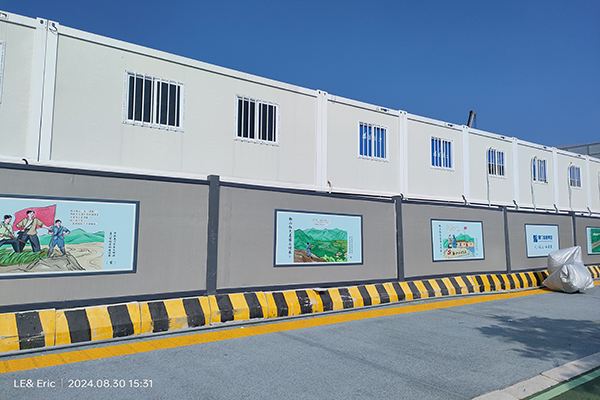
Prefab fold-out container homes are revolutionizing home construction by offering a cost-effective alternative to traditional housing. I’ve seen how their modular nature significantly reduces construction costs. These homes are built in controlled environments, which minimizes labor expenses and material waste. The assembly line process ensures efficiency, leading to lower overall costs compared to conventional housing.
The affordability of these homes makes them an excellent choice for those seeking affordable housing solutions. For instance, the initial purchase cost of a small container house is generally lower than that of a traditional home. Additionally, modular construction reduces labor costs and time, while durable materials lower maintenance expenses. Here’s a quick comparison of their cost-saving benefits:
Lower initial costs: Expandable shipping container homes are more affordable than traditional homes, especially in high-cost areas.
Reduced labor expenses: Prefab construction minimizes on-site labor requirements.
Minimal maintenance: Durable materials ensure long-lasting performance, reducing repair costs.
The global container homes market is growing rapidly due to these cost-saving advantages, especially as housing prices continue to rise. This affordability makes prefab fold-out container homes a practical solution for modern housing challenges.
Sustainability and Eco-Friendly Design
Sustainability is at the heart of prefab fold-out container homes. These homes utilize repurposed shipping containers, which reduces the demand for new resources and promotes sustainable building practices. I’ve noticed that many manufacturers incorporate eco-friendly features, such as solar panels and energy-efficient appliances, to enhance their environmental benefits.
Container homes are designed with environmentally friendly principles in mind. They often include renewable energy systems like passive solar heating and cooling, which reduce energy consumption. Additionally, their modular nature allows for efficient use of materials, further minimizing waste. Here are some key eco-friendly features of these homes:
Recycled materials: Repurposed shipping containers form the foundation of these homes, reducing environmental impact.
Energy efficiency: Solar panels and natural ventilation systems enhance sustainability.
Consumer demand: Growing awareness of environmental issues has increased interest in sustainable living options.
By choosing prefab fold-out container homes, individuals can contribute to sustainable living while enjoying the benefits of modern, eco-friendly housing.
Portability and Quick Assembly
One of the standout features of portable fold-out container houses is their portability and quick assembly. These homes are designed for easy transportation and rapid installation, making them ideal for various applications. I’ve observed how their fold-out mechanism allows them to be set up in just a few minutes, requiring minimal equipment and personnel.
The efficiency of these homes is truly remarkable. For example, a single unit can be installed in three steps by just two people using a crane or forklift. The process takes only five minutes, and no foundation is required, as long as the ground is flat and firm. Here’s a breakdown of their portability and assembly features:
This level of efficiency makes prefab fold-out container homes a game-changer for those seeking quick and portable housing solutions.
Design Flexibility and Customization
The modular nature of prefab fold-out container homes allows for unparalleled design flexibility. These homes can be tailored to meet specific needs, whether it’s a compact studio or a larger family residence. I’ve seen how customizable layouts and scalable solutions make them suitable for a wide range of applications.
For instance, small container houses can be reconfigured or expanded as needs change. This adaptability is particularly beneficial for seasonal housing or workforce accommodations. Additionally, eco-friendly features like solar panels and energy-efficient systems can be integrated into the design, enhancing both functionality and sustainability. Here’s a summary of their customization benefits:
This level of customization ensures that prefab fold-out container homes can adapt to various lifestyles and preferences, making them a versatile and sustainable housing option.
Challenges of Folding Container Houses
Zoning and Building Regulations
Navigating zoning and building regulations presents a significant challenge for folding container houses. Local laws often dictate where these homes can be placed and how they must be constructed. For example, zoning codes may not explicitly mention shipping containers, leading to delays in approval processes. In some areas, setback requirements determine the distance between structures and property lines, which can complicate placement.
I’ve noticed that regulations vary widely across states. California enforces strict building codes, including seismic safety measures, while Florida focuses on wind load requirements due to hurricanes. Texas, on the other hand, has more lenient rules but still requires compliance with local codes. Here’s a breakdown of common regulatory aspects:
These regulations can make it difficult to implement small container houses as a widespread solution to the housing crisis.
Insulation and Climate Adaptability
Insulation is another critical factor for container homes, especially in extreme climates. Without proper insulation, these homes can become unbearably hot or cold. I’ve seen reports showing that the GRANDE folding container house retains a 35°C temperature differential even at -30°C, proving its effectiveness in cold weather. However, achieving similar results in hot climates requires additional measures like reflective coatings and ventilation systems.
Adapting to diverse climates while maintaining sustainability remains a challenge. Manufacturers must balance insulation performance with eco-friendly materials to ensure these homes remain energy-efficient.
Space Constraints and Storage
Space constraints are inherent to small container houses. Maximizing utility within a limited area requires creative solutions. I’ve found that space-saving furniture, such as sofa beds and storage coffee tables, can significantly enhance functionality. Vertical storage options, like shelves above door frames, also help reduce clutter.
Despite these innovations, the compact nature of these homes may not suit everyone. Families or individuals with extensive storage needs might find the limited space restrictive. Addressing these concerns is essential for making container homes a viable option for a broader audience.
Overcoming Market Perceptions
Market perceptions pose another hurdle for folding container houses. Many people associate shipping containers with industrial use, which can lead to skepticism about their suitability as homes. Aesthetic concerns also arise, as some communities view these structures as incompatible with traditional neighborhoods.
Educating the public about the benefits of container homes, such as affordability and sustainability, is crucial. Highlighting successful projects and showcasing modern, stylish designs can help shift perceptions and increase acceptance.
Folding Container Houses and Modern Living Trends
Minimalist and Compact Living
The rise of minimalist lifestyles has fueled the demand for small container houses. I’ve noticed that many people are drawn to the simplicity and financial freedom these homes offer. Compact homes, like fold-out container houses, align perfectly with this trend. They provide functional living spaces without unnecessary excess.
The global tiny home market, valued at USD 21.93 billion in 2023, is projected to grow to USD 123.75 billion by 2032. This growth highlights the increasing appeal of minimalist living. A survey revealed that 56% of Americans are open to living in a mini house. Additionally, tiny house owners often carry less debt than the national average, showcasing the financial benefits of downsizing. Prefab fold-out container homes cater to this demand by offering affordable, efficient, and stylish solutions.
Smart Home Integration
Modern technology has transformed fold-out container houses into smart living spaces. I’ve seen how prefab designs now incorporate features like automated lighting, climate control, and security systems. These innovations enhance convenience and energy efficiency. For instance, expandable shipping container homes can integrate smart thermostats to optimize energy use, reducing costs and environmental impact.
Smart home integration also allows homeowners to monitor and control their homes remotely. This feature is particularly beneficial for those who travel frequently or use their container homes as vacation properties. The adaptability of prefab designs ensures that these technologies can be seamlessly incorporated into any layout.
Adapting to Remote Work Lifestyles
The shift to remote work has increased the demand for flexible and functional living spaces. Small container houses offer an ideal solution for remote workers seeking dedicated office spaces. I’ve observed that many prefab fold-out container homes now include customizable layouts that accommodate home offices. These spaces provide a quiet and comfortable environment, boosting productivity.
Expandable shipping container homes are also portable, allowing remote workers to relocate easily. This flexibility is invaluable for those who need to move frequently for work. By combining portability with functionality, fold-out container houses meet the unique needs of the modern workforce.
Addressing Urbanization and Housing Shortages
Urbanization and housing shortages have created a pressing need for innovative solutions. Fold-out container houses address these challenges by offering affordable and sustainable options. In North America, high traditional housing costs have driven the popularity of expandable shipping container homes. Similarly, the Asia-Pacific region has seen rapid growth in container housing due to urbanization and population increases.
These homes are not only cost-effective but also eco-friendly. Their prefab construction minimizes waste and reduces the environmental impact. Countries like China, Japan, and India are leading the demand for container housing, showcasing its potential to alleviate urban housing crises. I believe folding container houses represent a practical and sustainable way to meet the growing need for affordable housing.
Folding container houses offer a transformative solution to modern housing challenges. Their affordability makes homeownership accessible, while sustainability ensures eco-friendly living. These small container houses adapt to diverse lifestyles with modular designs and efficient land use. Experts highlight their resilience and cost-effectiveness, making them a durable and versatile choice for homeowners.
The future of these homes looks promising. The foldable housing market is projected to grow from $8.55 billion in 2024 to $13.57 billion by 2029, driven by rising traditional housing costs and increasing homelessness. This growth underscores their potential to address global housing shortages. I believe folding container houses will redefine sustainable and affordable living for generations to come.
FAQ
What makes folding container homes a sustainable choice?
Folding container homes use repurposed materials, reducing waste. Their energy-efficient designs, like solar panels and rainwater systems, further minimize environmental impact.
Can container homes withstand extreme weather conditions?
Yes, container homes are durable. With proper insulation and structural reinforcements, they can handle harsh climates, including strong winds and heavy snow.
Are container homes customizable?
Absolutely! Container homes offer flexible layouts and design options. You can personalize them to suit your lifestyle, whether you need a compact studio or a spacious family home.