

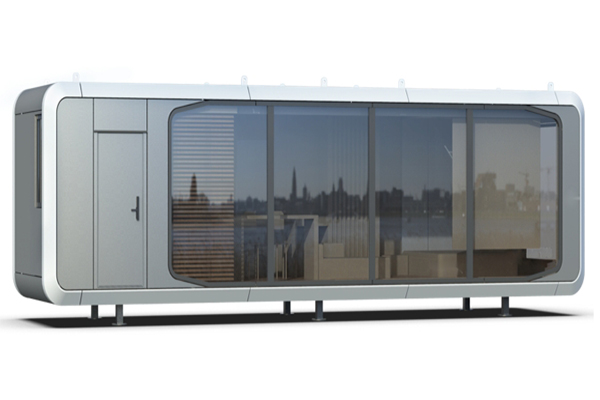

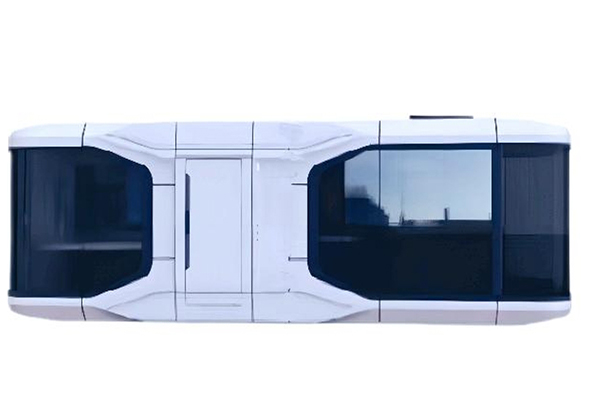
The affordable housing crisis continues to disrupt communities worldwide, leaving millions without stable living conditions. Its effects are far-reaching: increased homelessness, strained public services, and rising healthcare costs.
Nearly three-quarters of Americans (74%) identify the lack of affordable housing as a major issue in their communities (NeighborWorks America, 2023).
Foldable housing containers offer a transformative solution to this affordability crisis. These innovative structures are cost-effective, sustainable, and adaptable. Their modular design enables rapid assembly, making them ideal for addressing the housing affordability crisis in both urban and rural areas. By utilizing recycled materials, these homes also minimize environmental impact, presenting a practical and eco-friendly response to growing housing demands.
Key Takeaways
Foldable container homes are a cheaper way to solve housing problems. They can cost 70% less than regular houses.
These homes are good for the environment. They use recycled materials and save energy to reduce harm to nature.
They are easy to move and build quickly. This makes them useful in cities and the countryside.
The Rise of Foldable Housing Containers
Understanding Foldable Housing Containers
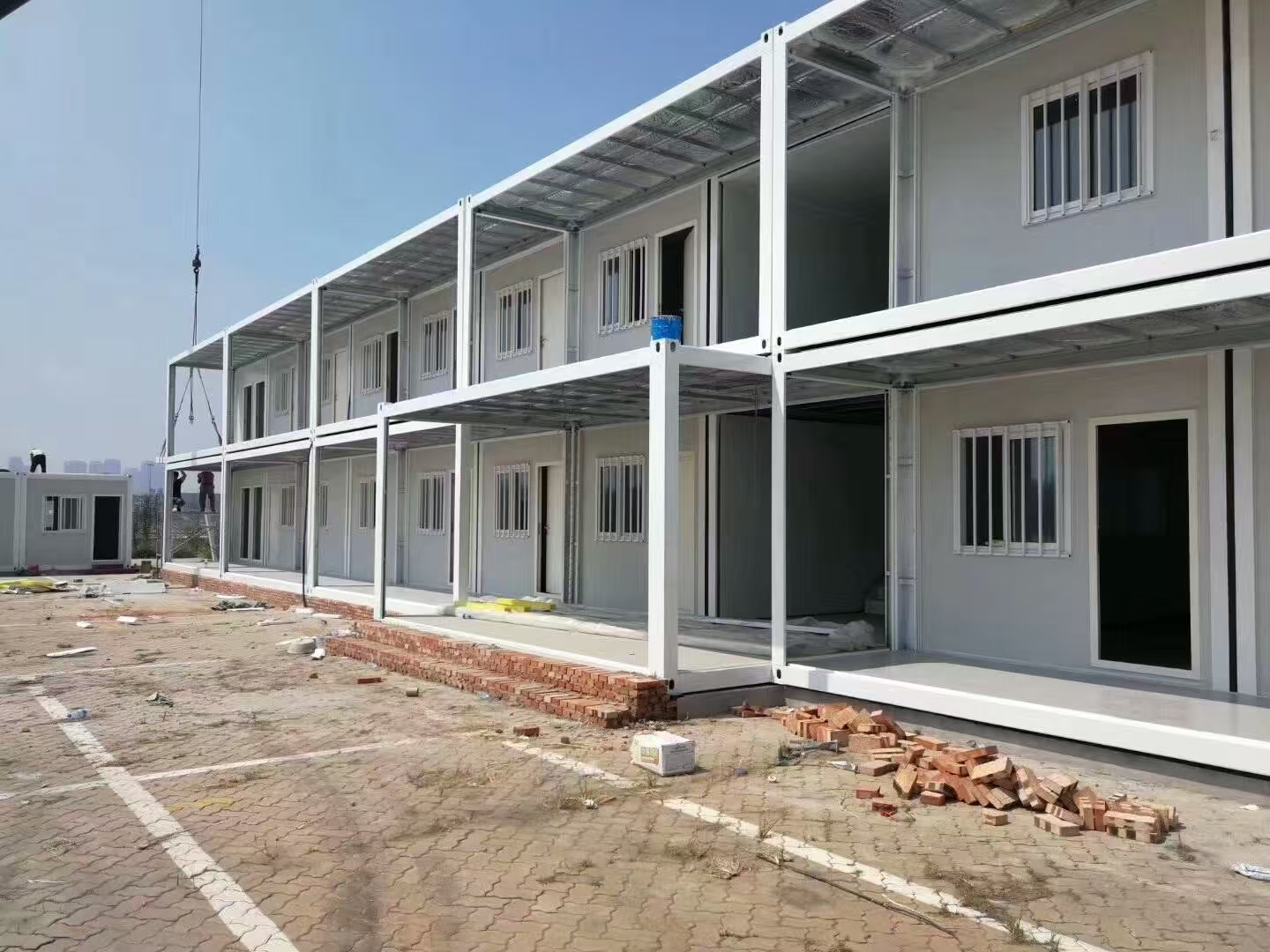
Foldable housing containers are innovative structures designed to address modern housing challenges. These homes are built using repurposed shipping containers, which are modified to create functional living spaces. Their foldable design allows for easy transportation and quick assembly, making them ideal for both permanent and temporary housing needs. You’ll find these homes particularly useful in areas where traditional construction is either too expensive or impractical.
The market for foldable housing containers is growing rapidly. In 2024, it was valued at approximately $12.30 billion and is projected to reach $35.63 billion by 2034, with a compound annual growth rate of 11.2%. This growth reflects their increasing popularity as a cost-effective and sustainable housing solution.
Why Shipping Container Homes Are Trending
Shipping container homes have gained traction due to their versatility and affordability. They cater to a wide range of needs, from single-family homes to mobile offices and emergency shelters. Their modular nature allows you to customize the design, creating unique spaces that suit your lifestyle.
Several factors contribute to their rising popularity:
Sustainability: These homes use recycled materials, reducing waste and promoting eco-friendly living.
Affordability: They cost significantly less than traditional homes, making them an attractive option for first-time buyers.
Portability: Their lightweight design enables easy relocation, perfect for remote or disaster-prone areas.
A growing awareness of environmental sustainability and the need for affordable housing has further fueled this trend.
Key Features of Foldable Housing Containers
Foldable housing containers are packed with features that make them a practical choice for modern living. These include:
Durability: Made from steel, they withstand harsh weather conditions and require minimal maintenance.
Space Optimization: Foldable walls and multi-functional furniture maximize the use of limited space.
Quick Assembly: Their design reduces construction time, allowing you to move in faster.
Cost-Effectiveness: By repurposing shipping containers, these homes lower building expenses significantly.
Whether you’re building a container home for urban living or a remote retreat, these features ensure a comfortable and sustainable lifestyle.
Benefits of Foldable Housing Containers
Cost-Effectiveness in Tackling the Affordable Housing Crisis
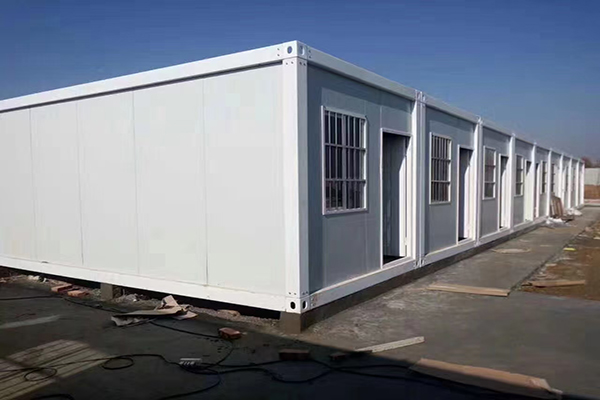
Foldable housing containers offer a cost-effective way to address the growing demand for affordable housing. These innovative structures significantly reduce construction expenses compared to traditional methods. Building a container home can save up to 70% of the costs associated with constructing a concrete house. This affordability stems from lower material and labor costs, as well as the streamlined construction process.
The rapid deployment of foldable housing containers further enhances their cost-effectiveness. Unlike traditional construction, which can take months or even years, these homes can be assembled in a matter of days. This efficiency minimizes labor expenses and accelerates the timeline for providing housing solutions to those in need. Additionally, the flexibility of these structures reduces costs tied to infrastructure and site preparation, making them an economical choice for both urban and rural settings.
By offering a practical and affordable alternative, foldable housing containers present a viable solution to combat homelessness and provide sustainable housing solutions for low-income families.
Sustainability and Environmental Impact
Foldable housing containers stand out as a sustainable housing solution, addressing both affordability and environmental concerns. These homes utilize repurposed shipping containers, reducing waste and promoting the upcycling of materials. This approach not only minimizes landfill contributions but also lowers the demand for new construction materials, which often have a high environmental cost.
Empirical studies highlight the environmental benefits of container homes. For instance:
In addition to material reuse, foldable container homes often incorporate energy-efficient designs. Features like solar panels and advanced insulation reduce energy consumption, further lowering their environmental impact. These homes contribute to a smaller carbon footprint, making them a responsible choice for individuals and communities seeking eco-friendly housing solutions.
Versatility in Urban and Rural Applications
The adaptability of foldable housing containers makes them suitable for a wide range of applications in both urban and rural environments. In cities, these structures can serve as compact, modern housing units that maximize limited space. For example, a shipping container can be transformed into a tiny house with a fully functional kitchen, bathroom, and stylish interior design.
In rural areas, foldable housing containers provide durable and portable housing solutions. Their lightweight design allows for easy transportation to remote locations, where traditional construction may be impractical. These homes can also be customized to withstand harsh weather conditions, ensuring safety and comfort in diverse environments.
The versatility of these structures extends beyond residential use. They have been successfully repurposed for commercial applications, such as cafés and pop-up shops. For instance:
This flexibility makes foldable housing containers an innovative solution for addressing housing needs while supporting creative and sustainable urban development.
Challenges and Solutions for Foldable Housing Containers
Addressing Social Stigma Around Container Home Alternatives
One of the biggest challenges facing foldable container homes is the social stigma associated with living in a container home alternative. Many people perceive these homes as temporary, low-quality, or unsuitable for long-term living. This misconception often stems from a lack of awareness about the modern features and benefits of these innovative solutions.
You can see successful examples of overcoming this stigma in cities like Los Angeles and Amsterdam.
In Los Angeles, container homes have been used to combat homelessness, providing dignified and affordable alternatives to rent for those in need.
Amsterdam has embraced container housing as a way to foster community and address housing shortages, proving that these homes can be both functional and appealing.
To shift public perception, education and awareness campaigns are essential. Highlighting the durability, sustainability, and cost-effectiveness of these homes can help change the narrative. Additionally, showcasing stylish and well-designed container homes in urban developments can demonstrate their potential as a viable and attractive housing option.
Overcoming Infrastructure and Zoning Barriers
Infrastructure and zoning regulations often pose significant hurdles for foldable container homes. Many municipalities have outdated building codes that fail to account for alternative housing options like container homes. These restrictions can delay projects and increase costs, making it harder to address the global housing crisis.
To overcome these barriers, you need to work closely with local governments and urban planners. Advocating for updated zoning laws that recognize container homes as a cost-effective alternative can pave the way for broader adoption. For example, some cities have already begun revising their codes to allow for innovative solutions like foldable housing containers in areas facing a lack of affordable options.
Investing in infrastructure improvements is another critical step. Ensuring access to utilities such as water, electricity, and sewage systems can make container homes more practical for long-term use. Partnerships with private developers and non-profits can also help fund these improvements, accelerating the deployment of low-cost homes in underserved areas.
Ensuring Safety and Durability Standards
Safety and durability are non-negotiable when it comes to foldable container homes. These structures must meet rigorous engineering standards to ensure they can withstand environmental stresses and provide secure living conditions. Fortunately, modern container homes are designed with these challenges in mind.
They are constructed with high-quality steel, which enhances their durability and resistance to harsh weather conditions.
These homes offer high safety standards, including earthquake resistance and wind resistance capabilities.
They maintain their structural integrity during disassembly and reassembly, ensuring no loss of quality over time.
Certifications further validate the safety and quality of these homes. For instance:
These certifications, combined with engineering advancements, make foldable container homes a reliable and durable choice. With a service life of over 15-20 years, these homes offer a long-term solution to addressing housing shortages. By adhering to strict safety standards, they also provide peace of mind for residents, ensuring that container homes remain a trusted and sustainable option in the fight against the housing crisis.
Future Potential of Foldable Housing Containers
Role in Urban Planning and Affordable Housing
Fold-out shipping container homes are reshaping urban planning by offering sustainable and adaptable living spaces. These homes address the growing demand for eco-friendly and affordable housing in metropolitan areas. Their modular design allows for customization and expansion, making them suitable for diverse housing needs. Entire communities can be developed using these structures, providing a practical solution to the housing crisis.
Urban development studies highlight their potential:
They utilize recycled materials, reducing construction waste and promoting sustainability.
Their rapid deployment minimizes construction time and costs, making them an attractive option for affordable housing projects.
Prefab folding container houses have proven functional and durable, even serving as temporary shelters during construction.
By integrating fold-out shipping container homes into urban planning, cities can create efficient, cost-effective housing solutions that align with modern sustainability goals.
Applications in Disaster Relief and Temporary Housing
Foldable housing containers excel in disaster relief and temporary housing scenarios. Their portability and ease of assembly make them ideal for emergency shelters. Rising traditional housing costs and increasing homelessness further highlight their relevance as an affordable solution.
Key benefits include:
Space efficiency and modular design, allowing for quick deployment in disaster-stricken areas.
Practicality for emergency applications, as seen in their use as temporary shelters during crises.
Scalability, enabling the creation of entire housing units to accommodate displaced populations.
The growing market for foldable houses reflects their potential to address urgent housing needs in emergencies. These structures provide a reliable and cost-effective alternative to traditional shelters.
Integration into Smart and Sustainable Cities
Foldable container homes play a vital role in the development of smart and sustainable cities. Their cost-effectiveness, versatility, and eco-friendly features make them a perfect fit for urban innovation. Successful projects in cities like Barcelona and Amsterdam demonstrate how these homes can integrate seamlessly into urban settings.
By incorporating fold-out shipping container homes into city planning, you can create affordable housing solutions that align with environmental and technological advancements. These homes represent a forward-thinking approach to urban development, ensuring a sustainable future for generations to come.
Foldable container homes offer affordability, sustainability, and adaptability, making them a practical solution for modern housing challenges. These homes repurpose shipping containers, reducing landfill waste and promoting eco-friendly living. With prices ranging from $10,000 to $60,000, they cost up to 75% less than traditional homes. Their integration of renewable energy and efficient land use supports sustainable urban development.
By embracing foldable container homes, you can help address the housing crisis while contributing to a greener, more innovative future.
FAQ
What is the average cost of a foldable container home?
The cost ranges from $10,000 to $60,000, depending on size, features, and customization. This makes them significantly more affordable than traditional housing options.
How long does it take to assemble a foldable container home?
Assembly typically takes a few days. The modular design and prefabricated components streamline the process, ensuring rapid deployment for immediate housing needs.
Are foldable container homes safe during extreme weather?
Yes, they are built with durable steel and designed to withstand harsh conditions, including strong winds and earthquakes. Proper insulation enhances safety and comfort.