

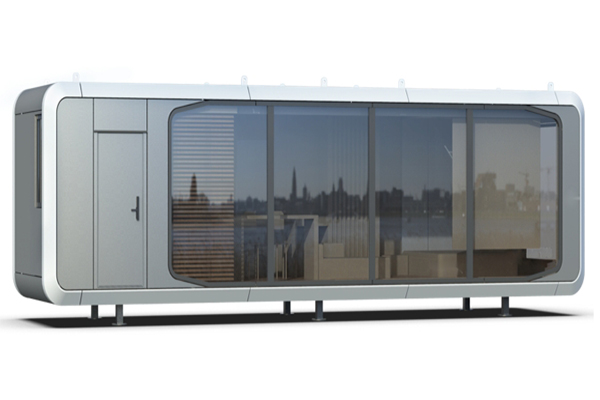

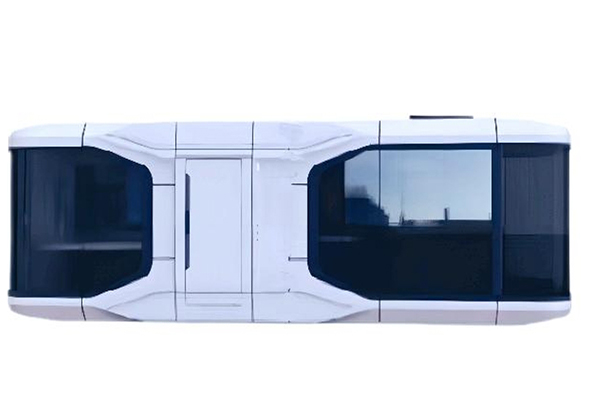
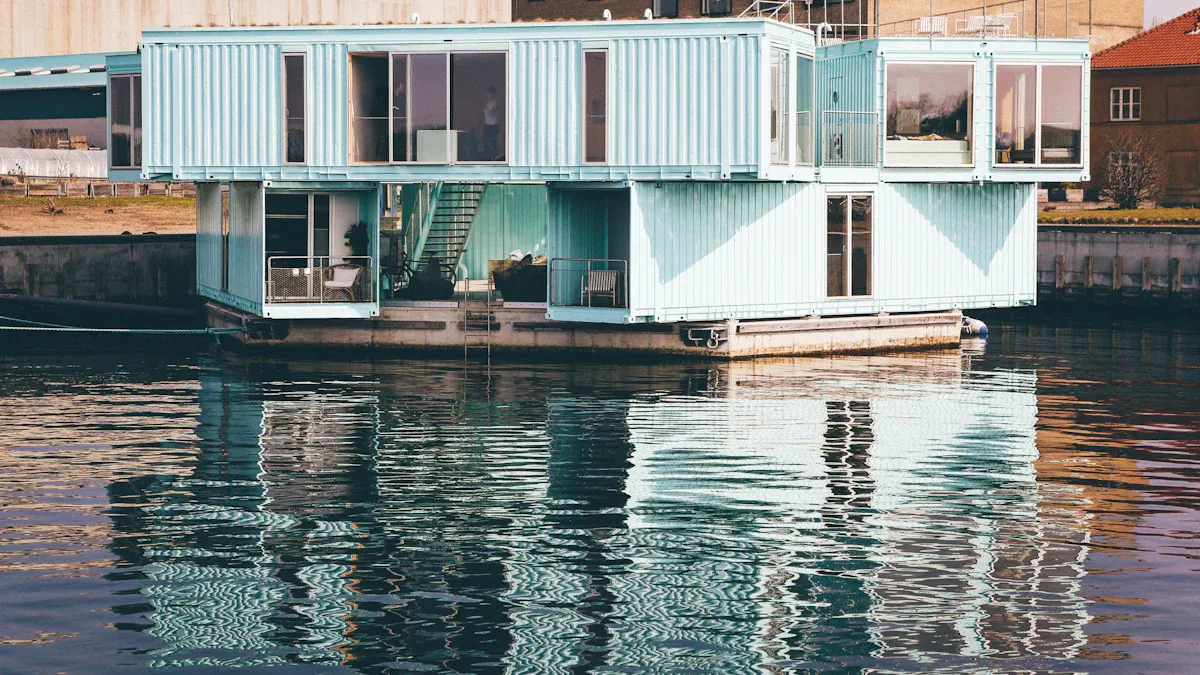
The market for folding container homes will grow from $60.02 billion in 2024 to $95.74 billion by 2033.
People who work remotely or travel for work like these homes because they are easy to move.
Using old shipping containers lowers costs, making homes cheaper for many.
By being affordable and eco-friendly, folding container homes are changing housing for the future.
Key Takeaways
Folding container homes cost less and are good for the planet. They are a great option for today's lifestyle.
These homes can be moved easily and built fast. They are perfect for people working remotely or needing short-term homes.
Cool designs and smart gadgets make these homes useful and attractive.
Latest Trends in Folding Container Home Design
Portability and Fold-Out Mechanisms
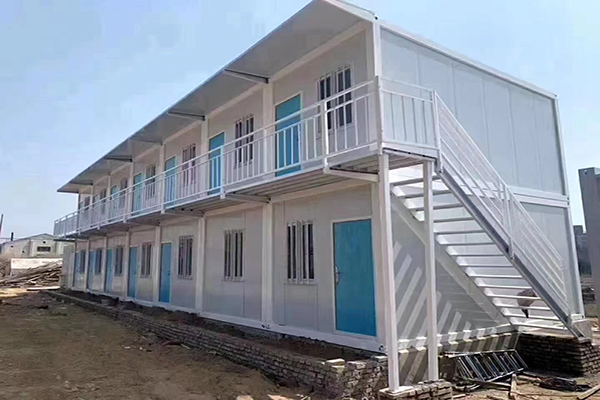
Fold-out container homes are easy to move and set up. They are great for people who travel often or need temporary homes. These homes can unfold into full living spaces in just hours. A small container can turn into a home with a bedroom, kitchen, and living room.
More people now want portable homes for living or working. The market for these homes will grow to $15.8 billion by 2028. This shows the rising need for cheap and eco-friendly housing options.
Space-Saving and Multi-Functional Features
Space-saving designs are very important in fold-out homes. Smart furniture and layouts make the most of small spaces. For example, under-bed storage and hidden drawers help save space. Kitchen counters that also work as dining tables are very useful.
These features are perfect for city living where space is tight. Modular designs make sure every part of the home is useful, improving how people live in them.
Modern Aesthetic and Architectural Appeal
Fold-out container homes are both useful and stylish. Designers use clean lines and simple materials to make them look modern. Big windows and skylights bring in lots of natural light. This makes the homes feel open and bright.
The market for container homes will reach $12.66 billion by 2030. People want homes that are modern and good for the environment. These homes mix beauty with function, making them a top choice for today’s lifestyles.
Integration of Smart Home Technology
Smart technology is changing fold-out container homes. Features like automatic lights, temperature control, and security systems are now common. AI helps make designs better, lowers costs, and improves safety during construction.
AI also creates smarter layouts and spots problems early. For example, it can find issues before building starts, saving time and money. These tech upgrades make fold-out homes more useful and attractive to tech-loving buyers.
Smart technology makes these homes ready for the future. It matches the need for eco-friendly and creative housing solutions.
Benefits of Folding Container Houses
Sustainability and Eco-Friendly Construction
Folding container houses are great for the environment. They use recycled shipping containers, cutting down on new materials. This helps reduce waste and supports green living. For example:
These homes can lower environmental damage by up to 85%.
They cut waste by about 3,500 kilograms per house.
Many include eco-friendly features like solar panels and rainwater systems.
Reusing steel containers also lowers their carbon footprint. These homes encourage greener building methods in cities. They are a smart choice for people who care about the planet.
Cost-Effectiveness and Affordability
Folding container houses cost much less than regular homes. Prices range from $10,000 to $60,000. This is about 75% cheaper than the average U.S. home price of $400,000. Their smaller size also means lower heating and cooling bills.
The market for these homes is growing fast. It will rise from $8.55 billion in 2024 to $9.37 billion in 2025, with a 9.5% yearly growth rate. This shows they are affordable and a good option as traditional housing costs go up. More people are choosing these homes to save money.
Versatility for Residential and Commercial Use
Folding container houses are very flexible. They can be cozy homes, modern offices, or pop-up stores. Their design works for both living and business needs. With good insulation and smart layouts, they become energy-saving buildings.
In places like Cyprus, prefab homes focus on saving energy and cutting costs. This method works well in areas with similar weather. Their flexibility makes them a great choice for many uses worldwide.
Quick Setup and Minimal Construction Time
These homes are fast to set up. Unlike regular houses that take years, they can be built in months. This makes them perfect for people needing quick housing or emergency shelters.
Their fold-out design makes moving and building easy. This is helpful in places with housing shortages or after disasters. It’s amazing how these homes offer fast help while staying comfortable and high-quality.
Folding container houses mix eco-friendliness, low cost, and flexibility with fast building. They are a modern answer to today’s housing problems.
Challenges in Fold-Out Container Houses
Insulation and Climate Adaptability
Keeping fold-out container houses comfortable is a big challenge. Steel containers easily get hot or cold, depending on the weather. Without good insulation, summers can be too hot, and winters too cold. Closed-cell spray foam (ccSPF) works best for hot, humid places. Bamboo is another eco-friendly option that controls heat and moisture well. Adding insulated panels or double-glazed windows helps save energy and improve comfort. But these upgrades cost more and need careful planning for different climates.
Zoning and Regulatory Hurdles
Rules about where container homes can go cause delays. Many cities have strict zoning laws that slow projects and add costs. Some cities, like Portland and Minneapolis, now allow flexible rules to support affordable housing. Using pre-approved designs and standard parts can make inspections faster. Even with these changes, dealing with legal rules is still hard for builders and buyers.
Customization Costs and Limitations
Making container homes cozy and useful can be pricey. Changes like adding plumbing or vents often cost a lot. Strict building rules in some areas make it even harder. Poor planning can lead to extra costs for fixing insulation or climate issues. Balancing low costs with personal touches is always tricky.
Long-Term Durability and Maintenance
Container homes last long but need care to stay strong. Steel resists pests and bad weather but can rust over time. Adding solar panels or rainwater systems makes them greener and easier to maintain. These homes help the planet by reusing materials and saving energy. Still, owners must spend time and money on upkeep to keep them in good shape.
Fold-out container homes are smart and modern but face problems like insulation, rules, costs, and upkeep. Fixing these issues will make them better for everyone.
Future Possibilities for Folding Container Homes
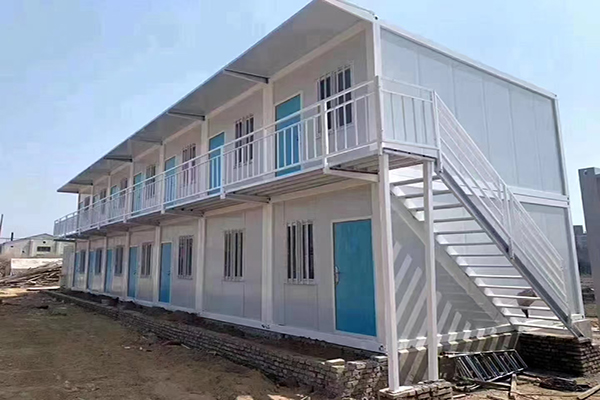
Advanced Technologies in Construction
New technologies are changing fold-out container homes. 3D printing is a big improvement. It helps builders make custom parts fast and cuts waste. Robots also help by speeding up construction and making it more accurate. These tools lower costs and make homes better.
AI is also very helpful. It creates smarter designs and finds problems early. This saves time and makes sure homes are high quality. With these tools, fold-out container homes will keep getting better.
Expansion into Diverse Markets
The market for fold-out container homes is growing fast. By 2032, it could reach $111.19 billion, growing 6.4% each year. This growth comes from people wanting eco-friendly and modular homes.
These homes are cheap and flexible, so many people like them.
Using old containers helps the planet, which eco-friendly buyers love.
Their low cost makes owning a home easier for more people.
This growth will bring fold-out container homes to new places and uses. They could become a global answer for green living.
Applications in Disaster Relief and Emergency Housing
Fold-out container homes are great for disaster relief. They are quick to set up and give shelter fast. Their easy transport makes them perfect for disaster-hit areas. Prefab designs also make them strong and safe.
In emergencies, speed matters. These homes offer quick and safe housing. They give comfort while people rebuild their lives. They could become the go-to choice for emergency shelters worldwide.
Innovations in Modular and Prefabricated Design
Modular and prefab designs are improving fold-out container homes. Studies show these designs are eco-friendly and more accepted by people. They are especially helpful for temporary shelters in places like Malaysia.
These changes make fold-out container homes more useful and efficient. They will keep improving to solve modern housing problems.
The future of fold-out container homes looks bright. With new tech, market growth, and smart designs, they could change housing and green living forever.
Folding container homes are changing the way we see housing. Their easy transport, green design, and low cost solve today’s problems. They work well for city life, emergencies, and eco-friendly building.
These homes bring hope for a cleaner planet. I think they will change housing with smart and useful ideas.
FAQ
What materials are used for folding container homes?
Folding container homes are made from recycled steel shipping containers. These materials are strong, eco-friendly, and affordable for today’s housing.
How quickly can a folding container home be set up?
Setup takes just hours or a few days. Prefab parts and fold-out designs make it fast and simple.
Are folding container homes safe in bad weather?
Yes, if they have good insulation and extra reinforcements. Adding storm-resistant features and insulated panels helps protect them in tough weather.