

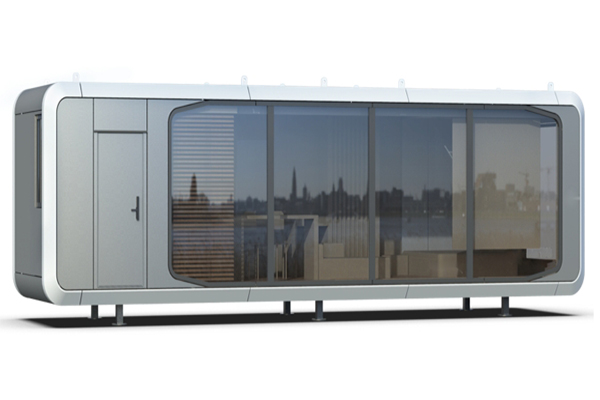

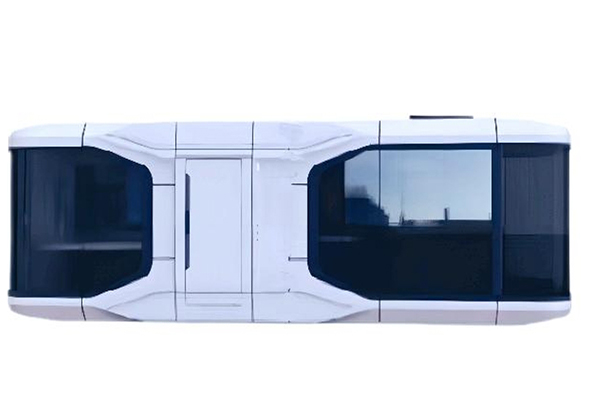
When disasters strike, providing safe shelter quickly becomes a top priority. Foldable container homes offer a game-changing solution. These homes combine durability with portability, ensuring rapid deployment in crisis zones. Their scalable design makes them ideal for housing displaced populations, reflecting a modern approach to emergency accommodation that saves lives and resources.
Key Takeaways
Foldable container homes give fast shelter in disaster areas. They are easy to set up and help people quickly.
Their strong design handles bad weather, keeping people safe and comfortable in tough times. This makes them a dependable housing choice.
These homes are affordable and can be made in large numbers. This helps aid groups meet different housing needs during emergencies.
Understanding Foldable Container Homes
What Are Foldable Container Homes?
Foldable container homes are innovative structures designed for quick assembly and portability. These homes are made from durable materials and can be folded into compact units for easy transportation. Once they arrive at their destination, they unfold into fully functional living spaces. I find their design particularly useful in disaster relief, where speed and efficiency are critical. After Hurricane Maria in Puerto Rico, collapsible house containers were deployed to provide temporary shelters for displaced residents. This example highlights their effectiveness in emergency housing.
Key Features of Folding Container Homes
Foldable container homes come with several standout features that make them ideal for disaster relief:
Portability: These homes can be transported easily to remote or disaster-stricken areas.
Quick Assembly: They can be set up in hours, providing immediate shelter.
Durability: Built to withstand harsh weather conditions, they offer safety and comfort.
Compact Design: When folded, they take up minimal space, making storage and transportation more efficient.
Their ability to combine these features into one solution is what sets them apart in emergency situations.
How They Differ from Traditional Container Homes
Traditional container homes are repurposed shipping containers converted into living spaces. While they are sturdy, they lack the portability and quick deployment capabilities of foldable container homes. Foldable designs allow for easier transportation and faster setup. In my opinion, this makes them more suitable for disaster relief scenarios. Humanitarian organizations increasingly prefer foldable container homes because they can be deployed rapidly and assembled on-site, addressing urgent needs effectively.
Benefits of Foldable Container Homes
Portability and Quick Deployment
Foldable container homes excel in portability and rapid deployment. I find their compact design particularly impressive. These homes can be folded into flat units, making transportation to disaster zones efficient and cost-effective. Trucks, ships, or even helicopters can deliver them to remote areas. Once on-site, they unfold and transform into fully functional living spaces within hours. This speed is crucial in emergencies when displaced populations need immediate shelter. Their portability ensures that humanitarian organizations can respond quickly, saving lives and reducing the chaos that often follows disasters.
Durability and Weather Resistance
The durability of foldable container homes makes them a reliable housing solution in harsh environments. These homes are constructed using materials like steel, aluminum, and composite panels, chosen for their strength and adaptability. I’ve learned that they are designed to withstand extreme weather conditions, including winds exceeding 110 km/h and earthquakes of level 11 intensity. Advanced welding techniques enhance their structural integrity, ensuring they remain stable under significant environmental stress. Additionally, built-in insulation and climate control systems maintain comfortable indoor temperatures, even in extreme heat or cold. This resilience provides a sense of security to those who rely on these homes during challenging times.
Cost-Effectiveness and Scalability
Foldable container homes offer an affordable and scalable solution for disaster relief. Their operational costs are significantly lower than traditional housing due to reduced utility bills and minimal maintenance requirements. I’ve noticed that their scalability is another major advantage. These homes can be expanded to accommodate more people as the need arises. For example, in large-scale disasters, humanitarian organizations can deploy additional units to meet the growing demand for temporary housing. This flexibility ensures that resources are used efficiently while addressing the evolving needs of affected communities.
Sustainability and Resource Conservation
Sustainability is a key feature of foldable container homes. These structures are designed to minimize environmental impact. Their compact design reduces the carbon footprint associated with transportation. Additionally, the materials used in their construction are often recyclable, promoting resource conservation. I appreciate how these homes align with the principles of sustainable development. By providing a temporary housing solution that prioritizes environmental responsibility, they contribute to long-term recovery efforts without causing further harm to the planet. This balance between functionality and sustainability makes them an ideal choice for modern disaster relief.
Applications in Humanitarian Aid
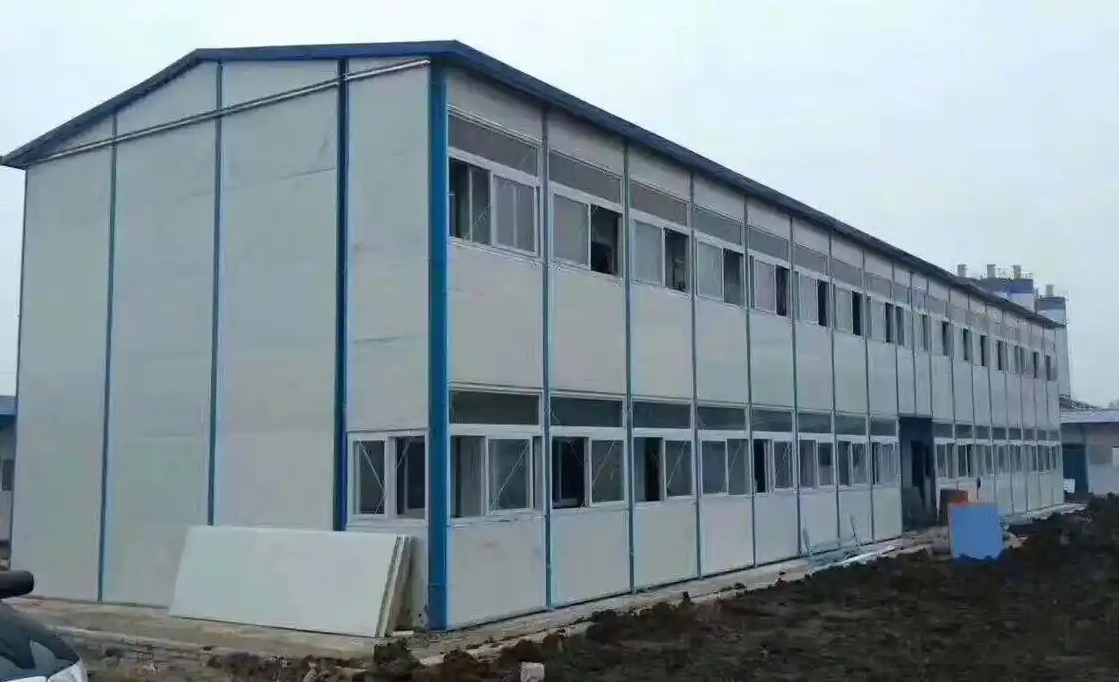
Foldable container homes have become a cornerstone of modern humanitarian aid. Their versatility and adaptability make them invaluable in addressing the diverse needs of communities affected by disasters or humanitarian crises. I’ve seen how these structures provide quick and efficient housing solutions, ensuring that displaced populations receive timely support. Let’s explore their applications in more detail.
Emergency Accommodation for Displaced Populations
When disasters strike, providing emergency accommodation becomes a top priority. Foldable container homes excel in this role due to their rapid deployment and scalability. These temporary shelters can be transported to disaster zones and set up within hours, offering immediate relief to displaced populations. Their sturdy construction ensures safety even in harsh conditions, providing a secure refuge for those in need.
These homes have been used effectively during natural disasters and humanitarian crises.
They offer safe and comfortable shelter quickly, ensuring timely assistance.
Their scalability allows them to accommodate varying numbers of people, making them efficient for disaster relief efforts.
I find it remarkable how these homes balance durability and comfort, offering a sense of normalcy to those who have lost everything. Their ability to withstand harsh conditions while providing affordable housing solutions makes them a vital tool in humanitarian efforts.
Mobile Clinics and Medical Facilities
In the aftermath of a disaster, access to medical care becomes critical. Foldable container homes can be transformed into mobile clinics, ensuring that healthcare services reach even the most remote areas. These units can be equipped with essential medical supplies and equipment, creating a fully functional healthcare facility.
I’ve observed how these mobile clinics play a crucial role in humanitarian crises. They enable medical teams to provide vaccinations, treat injuries, and manage outbreaks of disease. Their portability ensures that healthcare services can be delivered where they are needed most, saving lives and reducing suffering.
Storage Units for Supplies
Efficient storage of relief supplies is essential during disaster relief efforts. Foldable container homes offer a practical solution for managing and distributing resources. Their compact design and large storage capacity make them ideal for this purpose.
These homes not only reduce costs but also improve the efficiency of disaster relief operations. Their ability to store and protect supplies ensures that aid reaches those in need without unnecessary delays.
Community and Educational Spaces
Foldable container homes are not limited to emergency housing or storage. They can also serve as community and educational spaces, fostering a sense of normalcy and stability in affected areas. These structures can be transformed into classrooms, libraries, or community centers, providing a safe space for learning and social interaction.
Temporary housing for construction sites or seasonal accommodations.
Emergency shelters for disaster relief.
Field offices for project management.
Community facilities like pop-up clinics or educational classrooms.
I’ve seen how these spaces bring people together, offering a sense of community and hope during challenging times. Their adaptability makes them a valuable asset in rebuilding lives and fostering resilience.
Challenges of Using Foldable Container Homes
Regulatory and Zoning Issues
Foldable container homes face significant regulatory hurdles. Local zoning laws often restrict the use of modified shipping containers for residential purposes. These regulations vary widely, making it difficult to standardize deployment. I’ve noticed that some regions classify these homes as temporary structures, while others require them to meet the same building codes as permanent housing. This inconsistency delays their use in emergencies. Advocacy for clearer policies could help streamline their adoption as a cost-effective alternative in disaster relief.
Environmental and Sustainability Concerns
While foldable container homes promote sustainability, they are not without challenges. For instance, the recycling process for modified shipping containers requires energy and resources. However, these homes still offer an environmental advantage. They utilize recycled materials, reducing waste and promoting responsible consumption. Studies show that repurposing shipping containers can lower environmental impact by up to 85% compared to traditional construction. Balancing these benefits with the energy demands of production remains a critical focus for improvement.
Logistical Challenges in Remote Areas
Deploying foldable container homes to remote disaster zones presents logistical difficulties. Transportation networks may be disrupted, delaying delivery. Despite these challenges, their design offers advantages. Shipping containers are pre-adapted for transport, and global shipping networks ensure delivery to distant locations. Strategic positioning of units can reduce lead times. Features like ramps and wide doorways enhance accessibility, but ensuring these modifications meet local needs adds complexity.
Cost Barriers for Widespread Use
The initial cost of foldable container homes can be prohibitive for some humanitarian organizations. While they provide an affordable housing solution in the long term, upfront expenses limit their widespread adoption. I’ve observed that bulk production and government subsidies could help lower costs. These measures would make foldable container homes more accessible, ensuring they remain a viable option for affordable living in disaster relief efforts.
Future Innovations in Foldable Container Homes
Advancements in Sustainable Materials
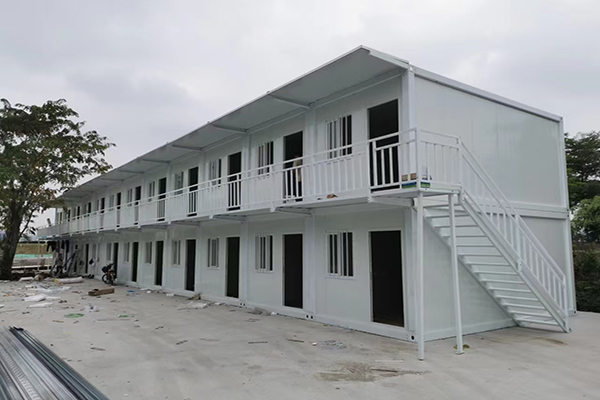
The future of folding container homes lies in the use of sustainable materials. I’ve noticed a growing trend toward eco-friendly construction practices. Green building materials, such as recycled steel and composite panels, are becoming standard. These materials reduce waste and promote resource conservation. Smart home solutions, like IoT devices, also enhance living conditions by optimizing energy use. Data analytics further informs design improvements, ensuring efficiency and sustainability. Energy-efficient systems, including advanced insulation and climate control, minimize environmental impact. These innovations make fold-out container houses a greener choice for disaster relief.
Integration with Renewable Energy
Renewable energy integration is transforming fold-out container houses into self-sustaining units. Solar panels and wind turbines are now common additions. I’ve seen how these systems reduce reliance on external power sources, especially in remote areas. Energy-efficient appliances and battery storage systems ensure consistent power supply. This approach not only lowers operational costs but also aligns with global sustainability goals. By incorporating renewable energy, folding container homes become more adaptable to diverse environments, making them invaluable in humanitarian aid.
Modular and Customizable Designs
Modular construction is revolutionizing the design of folding container homes. Building in stages within controlled environments ensures high quality and consistency. Custom prefab houses offer endless possibilities for personalization. Homeowners can tailor spaces to their needs, enhancing comfort and functionality. The foldable nature of these homes simplifies transportation and setup. I find this particularly useful in disaster relief, where quick deployment is crucial. Modular designs also support scalability, allowing these homes to serve various purposes, from emergency shelters to community centers.
Scaling for Global Humanitarian Aid
Scaling fold-out container houses for global humanitarian aid is essential. Their rapid assembly and deployment capabilities make them ideal for disaster relief. These homes serve as emergency shelters, mobile clinics, and storage units. The rising frequency of natural disasters has increased demand for affordable and sustainable housing solutions. I believe addressing the global housing crisis requires innovative approaches like these. By expanding production and improving logistics, folding container homes can meet the diverse needs of displaced populations worldwide.
Foldable container homes are transforming disaster relief efforts. Their versatility, durability, and cost-effectiveness make them essential for addressing the needs of refugees. These homes serve as shelters, medical stations, and storage units. Their rapid deployment ensures timely aid. I believe they will continue to revolutionize humanitarian efforts as technology advances.
Key Advantages:
Versatile Uses: Temporary shelters, medical stations, and supply storage.
Durable Construction: Built to endure harsh conditions.
Cost-Effective: Efficient design maximizes impact.
Quick Setup: Ready-made and deployable within hours.
FAQ
What makes foldable container homes better than tents in disaster relief?
Foldable container homes provide better durability, weather resistance, and insulation. Unlike tents, they offer a safer, more comfortable, and longer-lasting shelter for displaced populations.
Can foldable container homes be reused after a disaster?
Yes, they can. Their durable materials and modular design allow for reuse in multiple disaster scenarios, making them a sustainable and cost-effective solution for humanitarian aid.
How long does it take to set up a foldable container home?
Setting up a foldable container home takes only a few hours. This quick assembly ensures immediate shelter for those affected by disasters.