

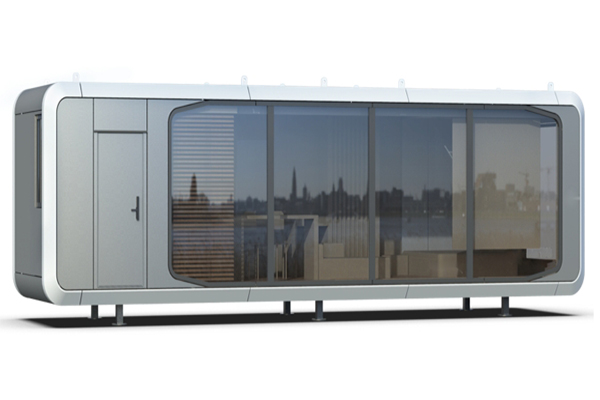

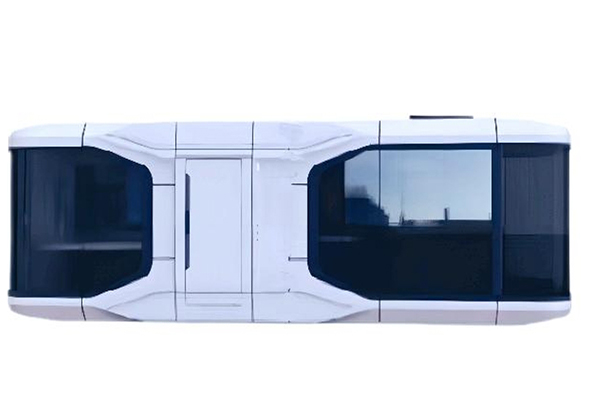
Choosing the right prefabricated container house can be challenging. Each type offers its own set of advantages. Understanding these differences enables you to make a more informed decision. Many individuals find themselves struggling due to a lack of information. Prefabricated container houses are not only easy to construct but also cost-effective. However, they yield the best results when selected thoughtfully. Lan’en International provides expert advice on prefabricated container house options.
Key Takeaways
Container houses are cheap, good for the planet, and easy to change. They are a great option for today's lifestyle.
Types of container homes, like modular and shipping ones, have perks. These include being flexible, fast to build, and cutting down on trash.
Choosing a reliable company like Lan’en International gives you expert help and top choices made just for you.
What Are Prefabricated Container Houses?
Definition and Key Features
Prefabricated container houses are a modern housing option. They are made from pre-built parts or old shipping containers. These parts are put together to create livable homes. They are popular because they are cheap, eco-friendly, and flexible.
Container homes are great for today’s needs: affordable, stylish, and green. Many use solar panels and special insulation to stay cozy inside.
Some key features include recycled materials and energy-saving systems. They also use smart technology to make life easier. People can customize these homes to fit their personal style and needs.
Why They Are Gaining Popularity
Prefabricated container homes are becoming more popular every year. This is because they help solve housing problems and are eco-friendly. Experts predict the market for these homes will hit $95.7 billion by 2033. Cities, especially in Asia-Pacific, are using them for affordable housing.
There are several reasons for their rise. First, they meet the need for greener living. Second, they are cheaper than regular houses. Third, they are built quickly, which is great for people needing homes fast.
Overview of Construction Process
Building prefabricated container homes is an interesting process. They are made in factories, so bad weather or worker shortages don’t cause delays. Once ready, the parts are sent to the site and put together. This method saves time and money.
These homes are not slowed down by weather or worker issues. They are built faster and cost less. It’s amazing how this process mixes speed and eco-friendliness. Prefab homes are a smart choice for today’s world.
Types of Prefabricated Container Houses
Modular Homes
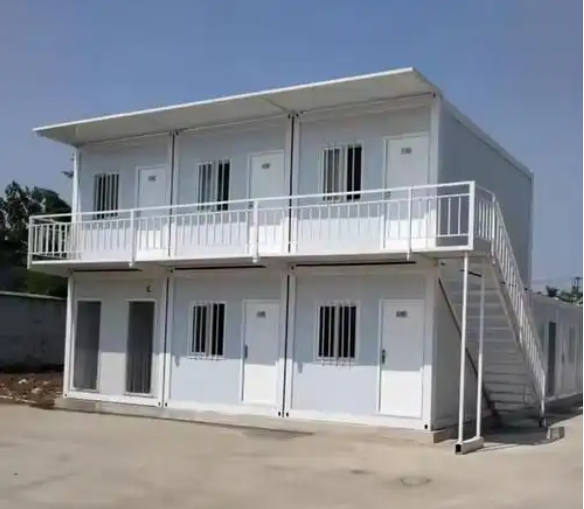
Modular homes are great for people wanting flexible and fast housing. These homes are made in parts, called modules, inside a factory. After they are built, the parts are sent to the site and put together. This method ensures strong construction and less work on-site. Modular homes are perfect for those needing quick and dependable homes.
A big advantage of modular homes is their flexibility. They can be changed to fit personal or business needs. For example, companies use them for offices or temporary housing. Modular homes also help the environment by reducing wasted materials during building.
Prefab Homes
Prefab homes, short for prefabricated homes, are another smart choice. These homes are built in factories and then delivered to the location. They are known for being affordable and quick to build. Prefab homes are ideal for people wanting low-cost homes with good quality.
These homes can be customized in many ways. Owners can pick layouts, finishes, and features to match their style. Prefab homes are also energy-saving, making them a good option for eco-friendly buyers.
Shipping Container Homes
Shipping container homes are made from old shipping containers. They are cheap and good for the environment. Reusing containers cuts down on waste and supports green living. These homes are also very strong since containers are built to handle tough conditions.
They are flexible and easy to move, making them great for temporary use. Many people like them for their unique look and low cost. Shipping container homes are a smart choice for startups or those needing affordable housing.
Expandable Container Homes
Expandable container homes are designed to create more space. They can grow bigger when extra room is needed. These homes are great for families or anyone needing flexible living spaces. They are simple to move and set up, making them useful for many purposes.
Flat Pack Container Homes
Flat pack container homes come in a compact form and are built on-site. This design lowers delivery costs and makes transport easier. Flat pack homes are a budget-friendly option for those wanting to save money but still get good quality.
Detachable Container Homes
Detachable container homes are made to be portable. They can be taken apart and moved easily. These homes are perfect for temporary housing or faraway places. Detachable homes are a good choice for people who need mobility and ease.
Foldable Container Homes
Foldable container homes are a cool idea in prefab housing. These homes fold up for easy transport and unfold for quick setup. They are light and small, making them great for emergency shelters or short-term housing.
Converted Shipping Containers
Converted shipping containers are old containers changed into homes or offices. They are strong and affordable, offering a green way to reuse materials. These containers are often used for small projects because of their fixed size.
Tip: Think about your space, money, and style when picking a prefabricated container house. Each type has special benefits for different needs.
Benefits and Common Uses of Each Type
Benefits of Modular Homes
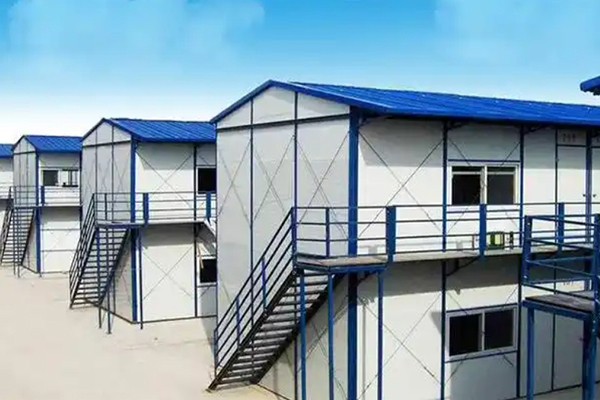
Modular homes are fast and flexible. They are great for people needing quick housing. These homes are built in parts, making transport and setup simple. They also cut down on waste, helping the environment. Modular homes can be designed to match personal needs, making them popular for families and businesses.
Benefits of Prefab Homes
Prefab homes are affordable and efficient. They are made in factories, which saves time and money. You can customize them with different layouts and finishes. They also use energy-saving materials, which is great for eco-friendly buyers.
Benefits of Shipping Container Homes
Shipping container homes are strong and low-cost. They reuse old containers, which helps reduce waste. These homes are easy to move and set up, making them good for temporary living. Their unique look and affordability make them a smart choice.
Benefits of Expandable Container Homes
Expandable container homes offer more space when needed. They are ideal for growing families or businesses. These homes are easy to move and quick to set up. Their flexibility makes them useful for many purposes.
Benefits of Flat Pack Container Homes
Flat pack container homes are small and budget-friendly. They come in flat packages, lowering delivery costs. These homes are easy to build and perfect for people wanting affordable housing.
Benefits of Detachable Container Homes
Detachable container homes are easy to move and use. They can be taken apart and set up in new places. These homes are great for temporary housing or remote areas. Their portability makes them a smart option.
Benefits of Foldable Container Homes
Foldable container homes are clever and easy to use. They fold for transport and unfold for quick setup. These homes are perfect for emergencies or short-term housing. Their lightweight design makes them simple to handle.
Benefits of Converted Shipping Containers
Converted shipping containers are strong and eco-friendly. They turn old containers into useful spaces, cutting down on waste. These homes are great for small projects like offices or studios. Their fixed size makes planning and designing easier.
Common Uses Across All Types
Prefabricated container homes are used in many ways. Most are for homes, camping, or second houses, making up 42%. They are also used for work or industrial needs, though exact numbers are unclear. Their versatility makes them fit for many purposes.
Comparing Key Features of Prefabricated Container Houses
Cost Comparison
Container homes are a cheaper housing option. Reusing old shipping containers can cost as little as $25,000. Modular homes, however, are more expensive, costing $180,000 to $360,000. Prefab homes save money by using fewer materials and less labor. For instance, old containers lower costs, while brick homes need pricier materials.
Labor costs are also lower for container homes. Some skilled workers may be needed for changes, but overall costs stay low. This makes them a great choice for people on a budget.
Construction Time
Prefab homes, like container homes, are built quickly. A container home can be ready in just 90 days. Traditional homes, on the other hand, can take over a year. Since prefab homes are made in factories, bad weather or site problems don’t cause delays. This speed is perfect for those needing a home fast.
Flexibility and Customization
Container homes are very flexible. Expandable container homes can grow when more space is needed. Their design allows for size changes and custom layouts. You can even add more containers later for extra space. Whether for a main home or a vacation spot, prefab homes can match your style and needs.
Sustainability and Environmental Impact
Prefabricated container homes are eco-friendly. They reuse materials, cutting down on waste and saving resources. They also use less energy during building and living compared to regular homes. For example, container homes use 24.8 GJ/m² for building and 33.5 GJ/m² for living. Their Global Warming Potential (GWP) is much lower than other buildings, making them a green choice.
Note: Prefab homes are not only affordable but also help the planet, making them a smart housing option.
How to Choose the Right Type for Your Needs
Checking Your Budget
Start by looking at how much money you can spend. The cost of a prefabricated container home depends on its type and features. For example, a single-container home costs $25,000 to $80,000. Multi-container homes can cost $80,000 to $250,000 or more. Construction costs are also based on size, ranging from $150 to $350 per square foot.
Here’s a simple cost guide:
Set a clear budget and focus on what matters most. Affordable options like flat pack homes or reused shipping containers are great for saving money.
Thinking About Space and Location
Your space and location are very important when picking a container home. Expandable homes are great for small spaces since they can grow bigger. For faraway places, foldable or detachable homes are easy to move and set up.
Tools can help find the best spots for container homes. These tools look at things like how easy it is to get there and the effect on nature. They create maps showing the best areas for prefab homes, making sure your choice fits the space.
Choosing Your Design Style
Your design style matters too. Prefab homes let you pick layouts, finishes, and features to match your taste. Reusing shipping containers is eco-friendly and reduces waste. Many container homes also include energy-saving systems, which are good for the planet and your wallet.
You can choose from many designs, from simple to fancy. Add things like solar panels, heating, or cooling systems to make your home comfy and efficient.
Working with a Trusted Provider Like Lan’en International
Picking the right company is key. Lan’en International is a trusted name for prefab homes. They give expert advice and offer high-quality options. Whether you want an affordable or eco-friendly home, they help you choose the best one.
Tip: A reliable provider like Lan’en International makes the process easier and ensures your home is just right for you.
Picking the best prefabricated container home means knowing their special features. For instance, shipping container homes are green and budget-friendly. Prefab homes are fast to build and easy to customize. These homes save money, are quick to make, and help the planet. Working with Lan’en International gives expert help to find the right home.
Tip: Prefabricated container homes are great for today’s lifestyle. They are flexible, affordable, and eco-friendly.
FAQ
How long do prefabricated container houses last?
With good care, they last 25-50 years. Regular checks and weatherproofing help them stay strong. 🏠
Can I design my container home the way I want?
Yes, you can! People add solar panels, cool layouts, and green materials. Customizing makes your home special. 🌟
Are container homes safe in bad weather?
Yes, they are! These homes handle tough weather well. Adding insulation and stormproofing makes them even safer. 🌪️