

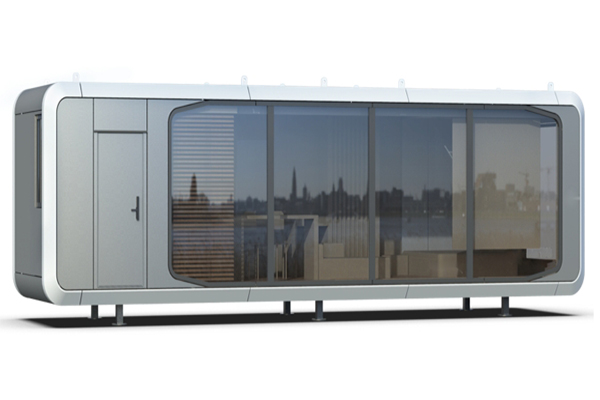

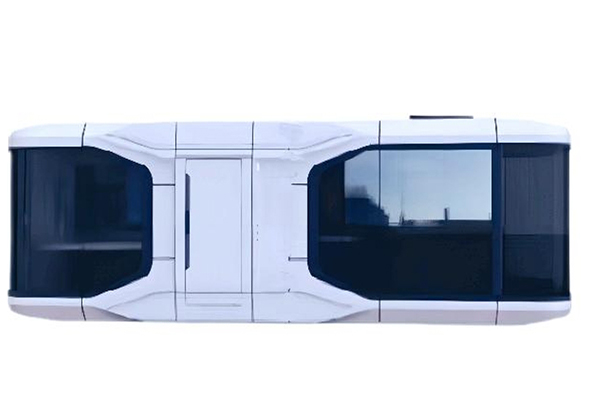
In 2025, prefabricated container houses are a smart housing option. Basic models cost around $24,000, which is budget-friendly. Using one container stops 12,000 kilograms of CO₂ emissions. It also saves 3,500 kilograms of steel. These homes are eco-friendly and have modern designs. They meet the need for new and creative housing ideas.
Key Takeaways
Prefabricated container houses are cheap, costing $24,000 to $250,000. This makes them a good choice for people on a budget.
These homes are good for the planet. They use old shipping containers, cut down waste, and lower pollution.
Container houses are built fast. They take 30% to 50% less time than regular houses, so you can move in quicker.
Understanding Prefabricated Container Houses
What Is a Prefabricated Container House?
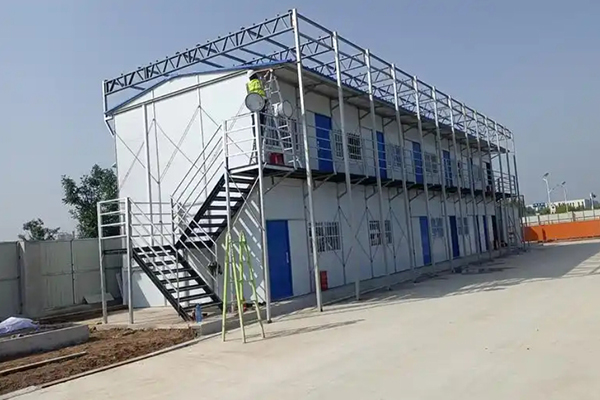
A prefabricated container house is a modern home made from old shipping containers. These homes are built in factories and then moved to their final spot. This building style, called modular construction, started in the 1940s to solve housing shortages. Now, it’s a green and smart way to build homes. These homes are especially useful in crowded cities where space is tight. They help meet the need for more housing in a practical way.
Building these homes focuses on saving time and money. Factories make parts in controlled spaces, which speeds up construction and lowers costs. This method also lets people customize their homes to fit their needs.
Key Features of Prefabricated Container Houses
Prefabricated container houses have many benefits compared to regular homes. Some key features are:
Speed of Construction: These homes are built in just weeks, much faster than regular homes.
Cost Efficiency: They cost less because they use fewer materials and need less labor.
Environmental Sustainability: Using old shipping containers cuts waste and saves resources.
Design Flexibility: Their modular design makes it easy to change or expand them.
These features make prefabricated container houses a great choice for homes, shelters, and more.
Modular and Expandable Designs
The modular design of these homes makes them very flexible. Each unit can be used alone or joined with others to make bigger spaces. This makes them perfect for many uses, like emergency shelters, offices, or classrooms.
Modular homes are also eco-friendly. Reusing shipping containers helps the planet by reducing waste. Plus, they are affordable, which is great for people wanting to save money.
The ability to expand or change these homes keeps them useful over time. You can add rooms or change spaces without much trouble. Modular designs make it easy to adapt as your needs change.
Benefits of Prefabricated Container Houses
Cost-Efficiency and Affordability
Container homes cost less than regular houses. Building with containers is 30% to 50% cheaper. This is because they use fewer materials, need less time, and require less labor. A single-container home costs $25,000 to $80,000. Multi-container homes cost $80,000 to $250,000. They also need less upkeep, saving money over time.
You can design these homes to fit your budget. Pick layouts and finishes that match your style. This makes container homes a smart and affordable choice for many people.
Sustainability and Environmental Impact
Container homes are great for the environment. They reuse old shipping containers, cutting down on waste. This also reduces the need for new building materials. Using these homes lowers the carbon footprint of construction.
You can add eco-friendly features like solar panels and insulation. These homes save energy and help the planet. They are perfect for people who care about the environment.
Durability and Structural Strength
Shipping containers are very strong and last a long time. New containers can last 20 to 30 years with little maintenance. They are made from steel that resists rust and damage. But regular care is needed to keep them in good shape.
Experts check changes to make sure the containers stay strong. This makes them a safe and sturdy housing option. They are also good for places with bad weather.
Speed and Ease of Construction
Container homes are built much faster than regular houses. They take 30% to 50% less time to finish. Factories make the parts, which are then put together on-site.
This quick process lowers labor costs and avoids delays. Homeowners can move in sooner and worry less. In faraway places, these homes are easy to build and transport.
Why Prefabricated Container Houses Are a Smart Choice in 2025
Rising Demand for Sustainable Housing
More people want eco-friendly homes, and container houses are popular. These homes reuse shipping containers, saving thousands of kilograms of steel. They are small and efficient, perfect for crowded cities with little space.
Around the world, strong housing is needed. In the U.S., natural disasters make durable homes important. In Europe, bad weather shows the need for eco-friendly housing. In Asia-Pacific, growing populations need more homes, and container houses help solve this problem.
Technological Advancements in Modular Construction
New technology has changed how we build homes. Factories now use advanced tools to make prefab parts faster. This saves time, reduces labor shortages, and boosts productivity.
Recycled materials like steel and plastic are used in these homes. Renewable energy and green methods make them energy-efficient. These changes make building homes better for the planet.
Affordability Amid Housing Market Challenges
Buying a home is expensive, but container houses cost less. By 2029, the market for these homes may reach $89.11 billion. This shows how affordable and useful they are.
Governments are helping make these homes more available. For example, Alberta has a $10 million program for container homes. These efforts make them a good choice for families on a budget.
Flexibility and Customization Options
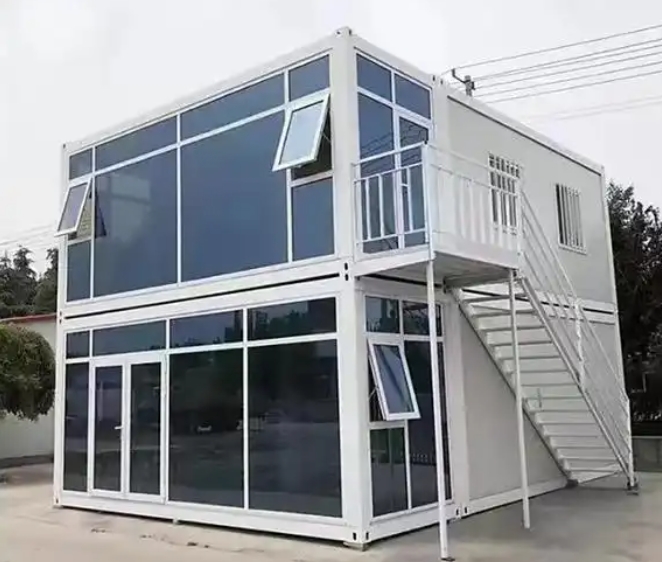
Container houses are exciting because you can make them your own. Some people keep the steel look, while others add materials for a fresh style.
Inside, you can mix rustic and modern designs for a cozy feel. Skylights and big windows bring in sunlight and save energy. These homes can change as your needs change, making them a smart pick for 2025.
Addressing Possible Issues
Insulation and Energy Efficiency Problems
Keeping container homes warm or cool can be hard. The walls are thin, making it tricky to add insulation without shrinking the inside space. Adding thicker walls might change the outside look, which some people may not like. Spray foam is a fast way to insulate, but it’s not always eco-friendly. Closed-cell foam works better for saving energy.
Studies in Europe show the need for energy-saving features in container homes. These studies focus on keeping heat in, blocking noise, and following building rules. To meet Nearly Zero-Energy Building (NZEB) standards, builders must design homes to save energy. Adjusting container homes to fit local weather is also important. With smart ideas, these problems can be solved well.
Zoning and Building Rules
Following local building rules can be tough for container homes. In California, strict earthquake safety rules apply, especially in places like Los Angeles. Texas has easier rules under the International Residential Code, but cities like Houston have their own rules. Florida focuses on wind safety because of hurricanes, with special rules in Miami-Dade County.
Most rules are set by local governments, so following city laws is key. County rules depend on how urban the area is, while state rules focus on big risks like earthquakes or storms. Luckily, officials are learning more about container homes. New guidelines from the ICC make approval easier, showing growing support for these homes.
Space Challenges and Smart Ideas
Container homes have limited space. For example, ceilings are usually under 9 feet tall, which can feel small. But creative designs can solve these space issues.
Projects like Drivelines in South Africa and Common Ground in Seoul show how to use space wisely. Drivelines turns old containers into small apartments with balconies. Common Ground, the biggest container mall, uses smart designs for shops that match local culture. These projects prove container homes can be useful and profitable with good planning.
In disaster-hit areas, container homes are built quickly and last a long time. After Typhoon Haiyan in the Philippines, old containers were turned into homes for recovery efforts. These examples show how flexible container designs can solve space problems.
Enhancements for Prefabricated Container Houses
Smart Home Technology Integration
Adding smart technology makes container homes more useful and modern. Smart thermostats help control temperature and save energy. Voice-controlled systems manage lights, security, and appliances easily. These upgrades make life simpler and increase the home's value.
Using technology in these homes also cuts waste by 10%. It speeds up building time, helping both owners and the planet. Good customer support ensures these systems work well and fixes any issues.
Outdoor Living Spaces and Landscaping
Outdoor areas make container homes more welcoming and flexible. Eco-friendly paving, like reused bricks, handles water well and looks nice with plants. Some families use container gardens to connect indoor and outdoor spaces. For example, the Lee family used ferns and succulents to link their patio and living room.
Pathways, walls, and outdoor lights improve the home's look and use. Matching materials inside and outside creates a smooth design. Solar lights and stone paths, like the Garcia family added, make spaces cozy and practical.
Innovative Interior Design Ideas
Smart designs make container homes more useful. Foldable furniture, like beds or tables, saves space. Wall storage keeps things neat and organized. Using recycled materials adds style and helps the environment.
Lighting changes the feel of a home. Skylights and LED lights brighten rooms and save energy. DIY projects, like custom shelves or art, add a personal touch. Unique colors can make each room special and different.
Prefabricated container homes are a smart and green choice for 2025. Their simple designs and new technology make them useful and quick to build.
These homes are both budget-friendly and good for the environment, making them a great option for many people.
Even though there are some problems, I think careful ideas and creative fixes can solve them. This keeps container homes a modern and smart choice for years to come.
FAQ
How are prefabricated container houses different from regular homes?
These homes are made in factories and moved to the site. This saves time and money compared to regular home building.
Can modular homes be changed to fit personal needs?
Yes, you can customize them. Pick layouts, finishes, and add features like smart tools or outdoor areas to suit your style.
Are prefabricated container houses strong for bad weather?
Yes, they are made from steel containers, which are tough. With changes, they can handle hurricanes, earthquakes, and other harsh weather.