

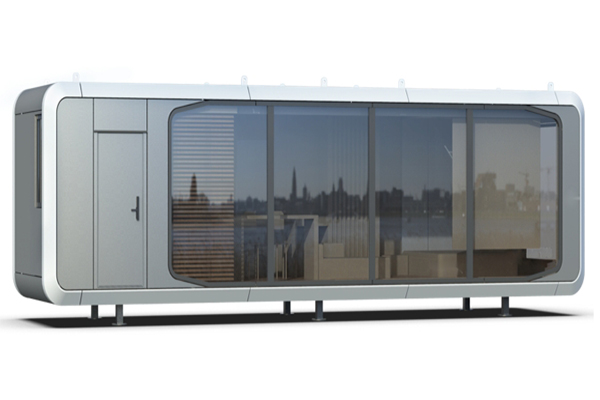

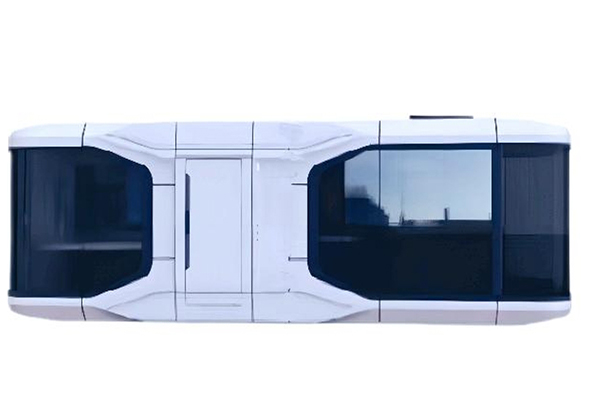
A prefabricated container house is made from old shipping containers. These homes mix modern style with eco-friendly ideas, solving housing problems. I’ve seen them becoming more popular, especially in cities.
The container house market is growing fast due to cheaper housing needs.
North America and Europe are leading because of city growth and green living.
High costs of regular homes make container houses a cheaper option.
Trends show a bright future for these container homes. The global market for prefab homes might grow from US$ 49.73 billion in 2024 to US$ 101.54 billion by 2034. Lightweight designs may lead, making up 65% of sales by 2025. These homes are cheap and eco-friendly, making them a great choice.
Key Takeaways
Budget-friendly container homes cost as little as $10,000. They are ideal for new buyers or people wanting smaller homes.
High-end container homes have smart tech and premium materials. These homes attract people who like modern design and eco-friendliness.
Both types are good for the environment. Luxury ones often have extras like solar panels to lower their carbon footprint.
Affordable Prefabricated Container Homes
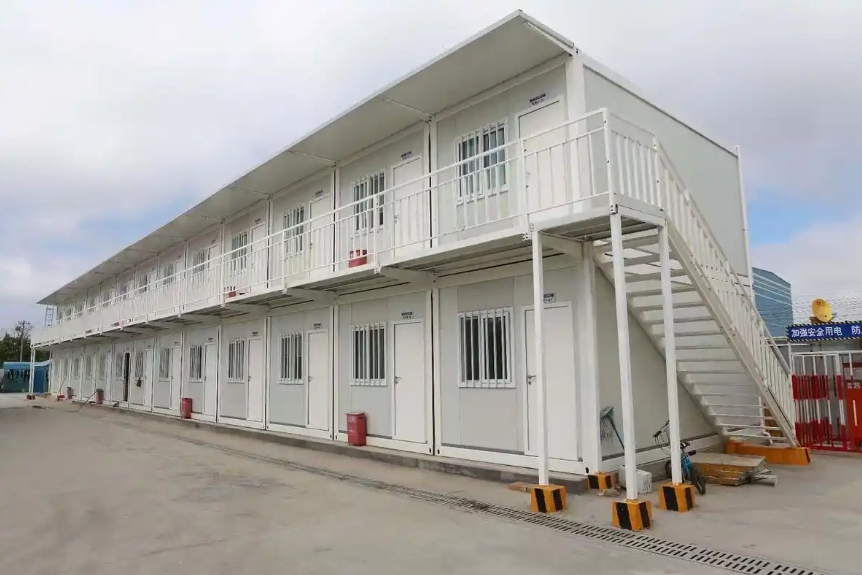
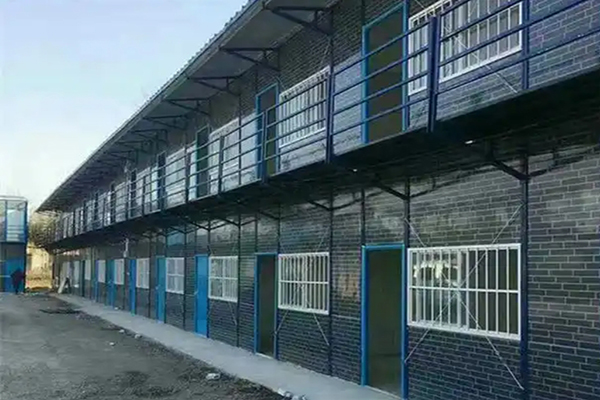
Cost and Budget
Affordable container homes are a smart choice for saving money. These houses, made from old shipping containers, cost less than regular homes. They are cheaper because they use recycled materials and simple building methods.
Prices start at $10,000 for a small office space.
A studio home costs $15,000–$25,000, while a two-bedroom home costs $80,000–$130,000.
Extra costs like land, foundation, and utilities are lower than normal homes.
This low-cost option is great for first-time buyers or people downsizing.
Materials and Build Quality
Container homes use strong steel, making them tough and safe. Cheaper models may not have fancy finishes but are still well-built. Builders use spray foam insulation to keep homes warm or cool. These homes can handle bad weather, so they work in many climates.
Design and Functionality
Affordable container homes make the most of small spaces. They include kitchens, bathrooms, and living rooms. Modular designs let you add more space if needed. They are built quickly, so you can move in fast.
Ideal Buyers and Applications
These homes suit many types of buyers. They are perfect for people who want cheap housing, like young workers, retirees, or eco-friendly shoppers. They are also used for holiday rentals or outdoor events. Their low cost and flexibility fit many lifestyles.
Luxury Prefabricated Container Homes
Premium Features
Luxury container homes have many advanced features for better living. These homes often include smart systems like IoT lighting and energy controls. These systems make life easier and save energy too. High-end homes also have strong security systems for safety. Inside, they have fancy floors and modern designs, creating a classy look.
High-End Materials
Luxury container homes use top-quality materials for strength and comfort. Galvanised steel frames make them strong and weatherproof. Some homes have underfloor heating made from graphene and wood, which saves energy. Walls and roofs use sandwich panels for great insulation. They also have water heaters and insulated pipes for all-season comfort. Builders install these homes carefully and provide good service.
Customisation Options
Luxury prefab homes allow you to design your space your way. You can add rooms or create unique layouts. One homeowner in Vancouver turned their home into a multi-use space, showing its flexibility. You can pick eco-friendly materials and add smart tech. These choices make each home match the owner's style and needs.
Target Market and Lifestyle Fit
Luxury container homes are for people who love eco-friendly and modern designs. Minimalists and green buyers often choose these homes. Rising property costs also make these homes popular. They suit people who want style, function, and care for the planet. These homes offer a unique and fancy way to live.
Key Differences Between Affordable and Luxury Container Homes
Cost Comparison
Affordable and luxury container homes have big price differences. Affordable homes cost $10,000–$35,000, making them cheap for first-time buyers. Luxury homes start at $80,000 and can go much higher with upgrades. Regular homes often cost $200,000 or more, so container homes are cheaper. Affordable homes have lower running costs due to simple designs. Luxury homes cost more to maintain because of advanced features.
Design and Aesthetic Appeal
Affordable homes focus on being practical with simple layouts. Luxury homes are stylish and flexible in design. They have fancy finishes, big windows, and rooftop gardens. These features make them look modern and unique. Affordable homes are built for function, while luxury homes aim to impress.
Durability and Longevity
Both types use steel frames, making them strong. Affordable homes use basic materials that may need more repairs. Luxury homes use better materials like galvanised steel and insulated panels. These materials last longer and save energy, making luxury homes more eco-friendly.
Customisation and Personalisation
Luxury homes allow owners to customise layouts and add smart tech. They can also choose eco-friendly materials. Some luxury homes combine living and workspaces in creative ways. Affordable homes have fewer options and focus on basics like bedrooms and kitchens.
Environmental Impact
Luxury homes often include green features like solar panels and water-saving systems. These features lower their impact on the environment. Affordable homes may not have these energy-saving designs. For example, the Nomad Living Guesthouse in Portugal shows how luxury homes can be eco-friendly and comfortable.
Choosing the Right Prefabricated Container House
Budget and Financial Planning
Planning your budget is very important when picking a container home. Start by knowing all the costs you’ll face. These include buying land, containers, making changes, hiring workers, and upkeep. For example, land can cost $10,000 to over $100,000, depending on where it is. Changes and labour can add $30,000 to $150,000 more.
To save money, buy used containers and focus on key upgrades. These upgrades include insulation and making the structure strong. You can also look into special loans or government help to make it cheaper.
Lifestyle and Practical Needs
Think about your lifestyle when choosing a container home. Tiny homes are great for people who like simple living. Modular designs let you add space if your needs change later.
Many people use design tools to plan their homes. This helps match the layout to their daily habits. Whether you need a home office, family space, or a small holiday home, container homes can fit your needs.
Long-Term Investment Considerations
Container homes are a smart investment choice. Building them costs 20-40% less than regular houses. This makes them a good option for people on a budget. Also, renting out container homes made $5.99 billion in 2021, showing they can earn money.
But don’t forget about long-term upkeep costs. Save 5-10% of your budget each year for repairs. This keeps your home in good shape and protects its value over time.
Sustainability and Ethical Choices
Container homes are eco-friendly because they reuse shipping containers. This reduces waste and supports recycling. Many builders now add solar panels and other green features to lower their impact on the planet.
To make a good choice, work with builders who care about the environment. Look for homes with green materials and energy-saving designs. This helps the planet and meets the growing need for eco-friendly living.
Tip: Experienced builders can help you create a home that’s both green and practical.
Affordable container homes are simple and save money. Luxury ones focus on style, custom designs, and high-end materials. Picking the right home depends on your money, needs, and future plans. Look into both types carefully. Ask experts to help you choose what fits your life and goals.
🏡 Tip: Think about upkeep and eco-friendliness before deciding.
FAQ
How long do prefabricated container homes last?
How long they last depends on care and materials. Cheaper homes last 15–25 years. Luxury ones can last over 50 years with good care.
Can I move my container home somewhere else?
Yes, you can move them. Builders make them easy to transport. Moving costs depend on size, distance, and local rules.
Are container homes safe in bad weather?
Container homes are strong and handle bad weather well. Steel frames resist strong winds and heavy rain. Luxury ones have better insulation and weatherproofing for extra safety.