

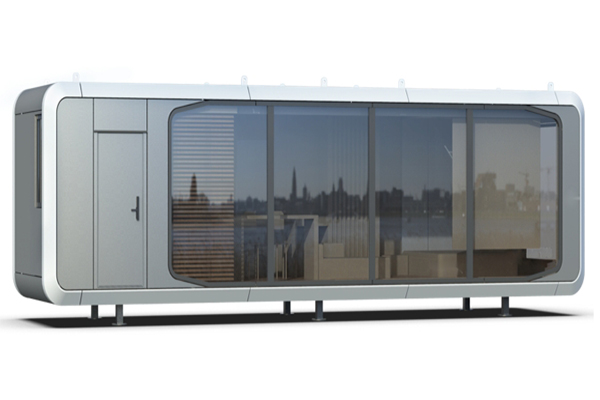

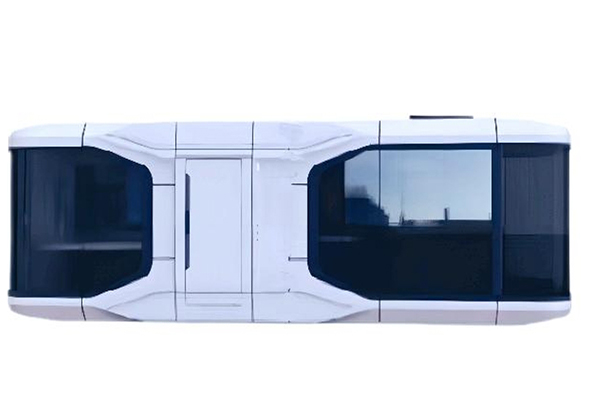
Choosing the right prefabricated container house depends on your lifestyle. The container home market is growing fast and may reach $95.74 billion by 2033! These prefabricated container houses are cheap and eco-friendly, making them popular. Picture a 320-square-foot prefabricated container house as your perfect home!
Key Takeaways
Think about how much space you need first. Decide how many people will live there and pick a layout that fits your needs.
Look into local building rules and permits. This helps avoid issues later and makes sure your home is safe.
Plan your budget, including land work and utilities. Preparing early avoids surprises and keeps your project smooth.
Know What You Need for Your Container Home
Think About Space and Layout
Picking the right container home starts with space and layout. First, figure out how much space you need. Are you living alone or with family? For instance, one person might like a 160-square-foot container. A family may need several containers joined together.
Here’s a simple guide to help you decide:
Try drawing your dream layout. Decide where bedrooms, the kitchen, and living areas will go. Don’t forget natural light and airflow—they make your home feel better.
Match Your Home to Your Lifestyle
Your habits should guide your container home design. Do you love cooking? Then you’ll need a bigger kitchen. Work from home? You might want an office space. Many people forget how their daily life affects their home design.
Here’s a tip:
Use furniture that saves space, like foldable tables or Murphy beds.
If you care about the environment, think about solar panels. These choices can save energy and match your values.
Follow Local Rules
Before choosing your container home, check local rules. This step can save you trouble later. Rules change depending on where you live. They can affect your home’s size and materials.
Here’s what to check:
Skipping this step can cause delays or problems. Always ask local officials to make sure your home follows the rules.
Budgeting for the Best Container House
Understand Initial Costs and Financing Options
When I started learning about container homes, I saw costs matter a lot. The price of containers can be very different. Used ones may cost $1,200, while new ones can be $5,000. Customizing adds more money. For example, insulation costs $1,000 to $4,000. Adding utilities might cost around $10,000.
If you need help paying for your container home, there are ways. Some people get loans from eco-friendly lenders, which are growing fast. Others ask investors who like modular building projects.
Here’s a simple list of other possible costs:
Plan for Long-Term Savings and Upkeep
Container homes save money over time. They are strong and need little fixing. Regular checks and rust care stop big repairs. Adding special paint can make them last longer.
They also save energy. Good insulation lowers heating and cooling bills. Solar panels and rainwater systems cut costs even more. These features make container homes a smart choice for saving money.
Tip: Spend on energy-saving upgrades early. They save money later.
Don’t Forget Extra Costs (e.g., permits, site prep)
I found out that a great container house needs more than just the container. Getting the site ready and permits can cost a lot. Site prep includes moving dirt and setting up utilities. Connecting to power, gas, and water depends on where you live. Costs can change a lot.
Here’s a quick look at extra costs:
These costs can surprise you, so plan ahead carefully.
Evaluating Materials and Quality in Modular Homes
Pick Strong and Eco-Friendly Materials
When choosing materials, focus on strength and being eco-friendly. Steel frames and sandwich panels are great options. They are strong and good for the environment. Sandwich panels also provide insulation, block noise, and resist fire. These features make them last a long time and help the planet.
Here’s a simple guide:
Using recycled materials, like old shipping containers, is smart. It cuts waste and helps the environment. This way, you get strong and green materials.
Focus on Insulation and Fresh Air
Good insulation and airflow are very important. Without them, energy bills can get very high. Use double-glazed windows and insulated doors to keep your home warm or cool. Add windows and vents in the right spots for fresh air. This lowers the need for air conditioning.
Why these matter:
Insulation keeps your home at a comfy temperature.
Double-glazed windows and insulated doors save energy costs.
Fresh air from vents and windows improves air quality.
These upgrades save money and make your home cozy all year.
Make Sure It’s Strong and Comfortable
Your modular home must be strong and safe. Studies show container homes are tough and can handle bad weather. Refurbished shipping containers are tested to ensure they are sturdy and stackable.
Here’s what research says:
Comfort is important too. Big windows and skylights bring in sunlight. This reduces the need for electric lights. These features make modular homes both strong and welcoming.
Customization and Design Options for Your Container House
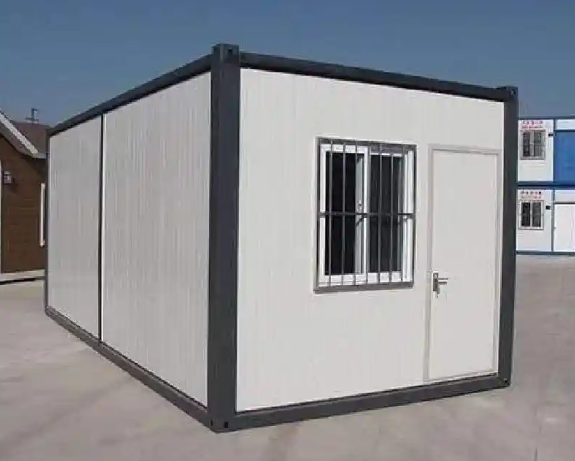
Plan Your Interior Layout and Features
When I planned my container house, I saw layout matters. It’s not just about fitting things—it’s about making it work. Here’s what I discovered:
Small furniture fits well without crowding the space.
Furniture with multiple uses, like foldable desks, saves room.
Tall shelves help organize and use space better.
Open layouts make spaces feel bigger and flow smoothly. Adding windows or skylights brings in natural light, improving the feel. Here’s a simple table showing how these choices help:
These ideas make a container house both useful and cozy.
Think About Exterior Design and Style
The outside of your container house matters too. I love how you can customize it. Pick bright colors, eco-friendly materials, or cool designs to make it unique. Using old containers also helps the planet by cutting waste.
Here are some cool trends I noticed:
Modular designs let you create endless styles.
Big windows or decks connect indoor and outdoor spaces.
Bright colors and green materials give homes a fresh look.
Two-bedroom container homes are a great example. They’re cheap, eco-friendly, and look modern. With good design, a plain container becomes a warm, welcoming home.
Get Help from Experts for Custom Designs
Working with experts makes a big difference. Companies like Lan’en International offer custom plans to fit your needs. They show past work so you can trust their skills.
Here’s why experts are helpful:
They have trained architects and engineers to improve designs.
They focus on eco-friendly options for your home.
They help you design a home that matches your style.
Good communication is important. When I worked with experts, they kept me updated. This made everything easy and stress-free.
Location and Installation of a Prefabricated Container House
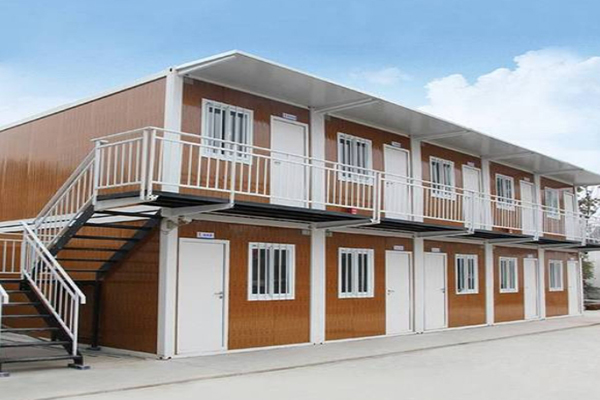
Pick the Right Spot and Foundation
Finding the best place for your container home is important. When I planned mine, I saw how land conditions matter. Check the soil first. Is it strong enough to hold the weight? For example, soil that holds 1,500 pounds per square foot works well. Here’s a simple guide:
Also, check for dangers like floods or landslides. Clear the area and level the ground. A strong base, like concrete, keeps your home safe for years.
Learn About Setup and Utilities
Setting up a container home takes more than just placing it down. You’ll need permits and inspections, which depend on your area. I found out that plumbing, electricity, and heating/cooling are very important. Experts should install these systems.
Here’s a checklist to follow:
Get permits and arrange inspections.
Add plumbing for water and waste.
Install wiring for lights and devices.
Set up heating and cooling systems.
These steps make your home comfy and energy-saving.
Plan for Changes and Future Needs
Planning ahead makes your container home flexible. I used modular designs, which are easy to change. For example, adding rooms or upgrading materials is simpler. New materials like graphene make homes stronger. Tools like virtual reality help you see changes before building.
Here’s a table of ideas to think about:
By planning now, your home can fit your needs and grow with you.
Picking the best container home depends on your needs and budget. Many people like these homes for their eco-friendly and flexible designs. Did you know 40.5% of buyers want homes they can customize and afford? Here’s a simple breakdown of what’s important:
Spend time learning about materials, design options, and reliable builders. A well-thought-out container home gives comfort and happiness for years.
FAQ
What is a prefabricated container house?
A prefabricated container house is made from ready-built parts. Often, these parts are shipping containers. It’s cheap, eco-friendly, and can match your needs.
Are container houses durable?
Yes, container houses are very strong. They are built with steel. This makes them tough against bad weather and heavy use.
Can I use a shipping container as accommodation?
Yes, you can live in a shipping container. These homes are flexible and easy to design. With good planning, they become cozy and useful spaces.