

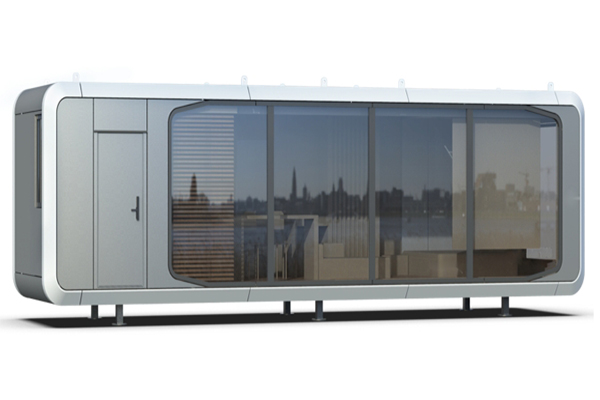

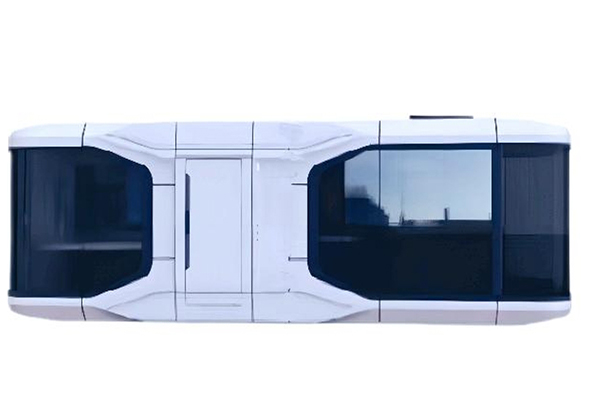
A prefabricated container house offers a cost-effective solution for modern housing. Its essential features, like portability and customization, meet diverse needs. With affordability and sustainability in mind, these homes utilize 85% recycled materials, cutting labor costs by 30% and CO2 emissions by 70%. This innovative design reshapes housing trends globally.
Key Takeaways
Prefabricated container homes are a cheaper housing option. They cut building costs by 30% and use 85% recycled stuff.
These homes save energy with great insulation, lowering energy bills over time. This makes them a good pick for people who care about the environment.
The modular style of these homes makes them easy to change. Owners can design spaces to match their needs and likes.
Cost-Effective Solution for Housing
Affordable Construction and Materials
I’ve found that prefab container homes are an affordable alternative to traditional housing. These homes use recycled steel and engineered wood, which reduces material costs by 10% to 20% compared to conventional construction. Labor costs are also significantly lower, with savings of up to 30%. This makes modern prefabricated houses a viable and attractive housing option for those seeking cost-effectiveness without compromising quality.
Energy Efficiency for Long-Term Savings
Prefab container homes are designed with energy efficiency in mind. They incorporate materials that provide excellent insulation, reducing heating and cooling costs. Over time, this leads to substantial savings on energy bills. Additionally, the durable construction of these homes ensures they remain energy-efficient for years. For energy-conscious buyers, modern prefabricated houses offer a smart and sustainable solution.
Minimal Maintenance Costs
One of the most appealing aspects of prefab container homes is their low maintenance requirements. Their steel construction resists damage from weather and pests, which means fewer repairs and upkeep. Maintenance costs are typically 15% to 25% lower than those of traditional homes. This durability not only saves money but also provides peace of mind for homeowners.
Prefab container homes combine affordability, energy efficiency, and low maintenance, making them a cost-effective solution for modern living.
Sustainable Living with Prefabricated Container Houses
Use of Recycled and Eco-Friendly Materials
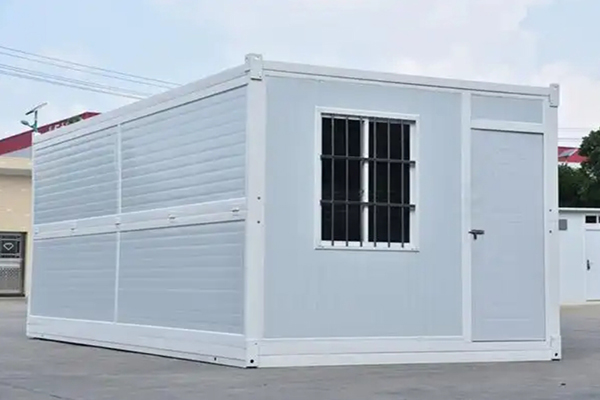
I’ve always admired how prefabricated container houses promote eco-friendly living. These homes often use recycled shipping containers as their base structure, which reduces the need for new materials. By repurposing these containers, we minimize waste and give them a second life. Additionally, many of these homes incorporate eco-friendly materials like bamboo flooring, reclaimed wood, and non-toxic paints. These choices not only enhance sustainability but also create healthier living spaces. For anyone seeking sustainable living, these homes offer a practical and environmentally conscious solution.
Reduced Environmental Impact
Prefabricated container houses significantly reduce environmental impact. Their construction requires fewer resources compared to traditional homes. For instance, using recycled shipping containers cuts down on the demand for new steel production, which lowers carbon emissions. Many of these homes also feature energy-efficient systems like solar panels and rainwater collection. These features help conserve natural resources and reduce operational costs. I believe this makes them an excellent choice for those who care about sustainability and want to live in harmony with the environment.
Energy-Efficient Insulation and Design
Energy efficiency is a standout feature of these homes. High-performance insulation ensures they stay warm in winter and cool in summer, reducing the need for excessive heating or cooling. This not only lowers energy consumption but also saves money on utility bills. Some designs even include solar power systems, further enhancing their eco-friendly appeal. I’ve noticed that expandable and detachable container houses often incorporate these features, making them ideal for energy-conscious homeowners. Their thoughtful design proves that sustainable living can be both practical and cost-effective.
Portability and Ease of Installation
Quick and Efficient Assembly
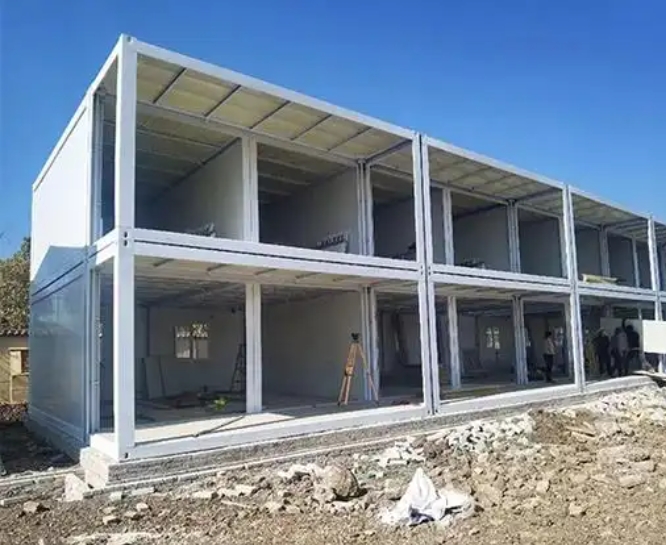
I’ve always been impressed by how quickly detachable container houses can be assembled. Their modular design allows for off-site construction, which significantly reduces on-site assembly time. For example, according to Market Research Intellect, container houses can be built 30% to 50% faster than traditional homes. This efficiency minimizes disruptions and speeds up project completion. The table below highlights some key statistics:
Transportability to Remote or Hard-to-Reach Areas
The portability of detachable container houses makes them ideal for remote locations. Their lightweight steel structure allows for easy disassembly and transportation. I’ve seen how foldable and expandable designs adapt to challenging terrains like hills and deserts. These homes can even be transported by sea, making them suitable for isolated areas. For instance, the Electrical House Container avoids the need for extensive civil engineering. It can be quickly deployed, saving time and effort in remote environments.
No Need for Traditional Foundations
Detachable container houses eliminate the need for traditional foundations, which reduces both construction time and costs. I’ve read about a Chevron project in Kazakhstan where 50 container houses were produced in just 25 days and installed in two weeks. This approach saved significant time compared to conventional methods. Additionally, a Shell project in Norway saved $1.8M by using prefab houses, cutting material waste by 60% and on-site labor costs by 45%. These examples highlight how this innovative design simplifies installation while maintaining quality.
Customization and Flexibility
Modular Design for Personalization
I’ve always found modular container houses to be a practical and customizable solution for modern living. Their modular design allows homeowners to create a personalized and unique living space that suits their preferences. For example, I’ve read about Bird Construction’s Elevated Guardhouse, which demonstrates how modular solutions can be compact yet highly functional. Similarly, Shawcor’s Proflex® Enclosures highlight the flexibility and customization possible in modular designs. These examples show how modular container houses can adapt to various needs, offering a unique and personalized living space for every homeowner.
Adaptability to Different Needs and Climates
One of the most impressive features of modular container houses is their adaptability. These homes are designed to withstand extreme weather conditions, making them suitable for diverse climates. I’ve seen how they are used in sunny California and chilly Minnesota, showcasing their versatility. Strategic design elements, like natural ventilation and green roofs, further enhance their adaptability. In disaster-stricken areas, shipping containers have been repurposed as emergency shelters, proving their value in humanitarian efforts. This flexibility and customization make them a reliable choice for various environments and needs.
Integration of Modern Amenities
Modern modular container houses seamlessly integrate amenities to enhance comfort and functionality. I’ve noticed how these homes incorporate features like smart home systems, energy-efficient appliances, and stylish interiors. Homeowners can customize layouts to include open-plan kitchens, spacious living areas, or even home offices. These options transform container houses into practical and customizable solutions for contemporary living. With the right design, they offer all the comforts of a traditional home while maintaining their unique appeal.
Durability and Safety of Prefabricated Container Houses
Sturdy Steel Construction for Longevity
I’ve always admired the durability of prefabricated container houses. Their steel construction ensures they last for decades, even in challenging environments. The steel used in these homes resists corrosion and wear, making them a reliable choice for long-term housing. I’ve noticed that this material also requires minimal maintenance, which is one of the key advantages of these homes. Unlike traditional wood-based structures, steel doesn’t warp or rot, ensuring the house remains sturdy over time. This longevity makes prefabricated container houses a practical investment for homeowners seeking durability.
Resistance to Extreme Weather Conditions
Prefabricated container houses excel in withstanding extreme weather. Their design incorporates light gauge steel and special cladding, which enhances their resilience against wildfires and earthquakes. I’ve seen how these homes adapt to hurricane-prone areas with construction methods tailored for high winds. The table below highlights some of their weather-resistant features:
Additionally, these homes often include a tight building envelope to manage moisture and air infiltration. I’ve found that advanced heat pump technology and solar arrays with battery backups further enhance their ability to remain functional during power outages. These features showcase the advantages of container houses in providing safety and comfort, even in harsh conditions.
Compliance with Safety Standards
Safety is a top priority for prefabricated container houses. I’ve learned that they comply with strict building codes and standards, ensuring structural integrity. For instance, the International Code Council (ICC) provides guidelines like ICC G5 – 2019 to assist in the design and approval of container-based buildings. Many of these homes also feature a Convention for Safe Containers (CSC) Safety Approval Plate, which confirms they meet ISO standards. This certification reassures homeowners that their container house is built to the highest safety standards.
Code officials rely on these certifications to verify compliance, ensuring only properly inspected containers are used. I believe this commitment to safety is one of the greatest advantages of prefabricated container houses. It gives homeowners peace of mind, knowing their home is both secure and reliable.
Applications of Prefabricated Container Houses
Residential Housing and Tiny Homes
I’ve seen how prefabricated container houses have revolutionized residential housing. They offer a compact and affordable solution for those seeking tiny homes. These houses maximize space efficiency while maintaining comfort. Many homeowners choose them for their minimalist lifestyle. I’ve noticed that their modular design allows for easy expansion, making them adaptable for growing families. They also integrate modern amenities like energy-efficient appliances and smart home systems. This combination of affordability, sustainability, and customization highlights the advantages of prefab container home designs for residential use.
Commercial Spaces and Offices
Prefabricated container houses have become a popular choice for commercial spaces and offices. Their quick assembly and portability make them ideal for various industries. I’ve observed their use in construction sites as temporary offices and in industrial facilities for on-site operations. They also serve as scalable solutions for commercial offices and educational institutions. The table below highlights their diverse applications:
These examples show how container houses meet the needs of businesses and institutions, offering flexibility and efficiency.
Emergency Shelters and Temporary Housing
I’ve always admired how prefabricated container houses excel in emergency situations. They provide rapid and reliable shelter during disasters. Here are some key benefits:
They can be manufactured quickly, ensuring availability when needed most.
Open prefabrication systems allow for flexible designs that suit different climates and cultures.
These houses can be disassembled and repurposed, extending their lifecycle.
Design for Disassembly principles make them easy to construct and relocate.
Their adaptability and sustainability make them a vital resource for urban planning and disaster relief. I’ve seen how organizations use them to provide safe and comfortable shelters for displaced communities. This practical application underscores their importance in addressing global housing challenges.
I believe a prefabricated container house offers a practical solution for modern living. Its affordability, sustainability, and versatility make it a smart choice for homeowners. These homes adapt to various needs while promoting eco-friendly practices. In my view, the prefabricated container house is shaping the future of sustainable construction and housing innovation.
FAQ
What is the lifespan of a prefabricated container house?
A well-maintained container house lasts 25 to 50 years. Using protective coatings and regular inspections extends its durability.
Can I customize the design of my container house?
Yes, you can. Modular designs allow for personalized layouts, modern amenities, and climate-specific features to suit your preferences.
Are prefabricated container houses safe during natural disasters?
Absolutely! Their sturdy steel construction resists earthquakes, hurricanes, and wildfires. Many meet international safety standards for extreme weather conditions.