

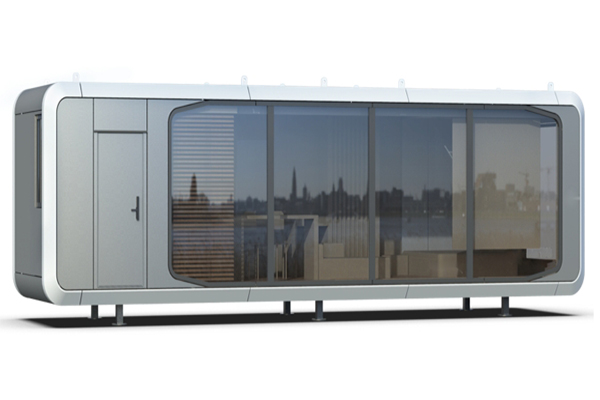

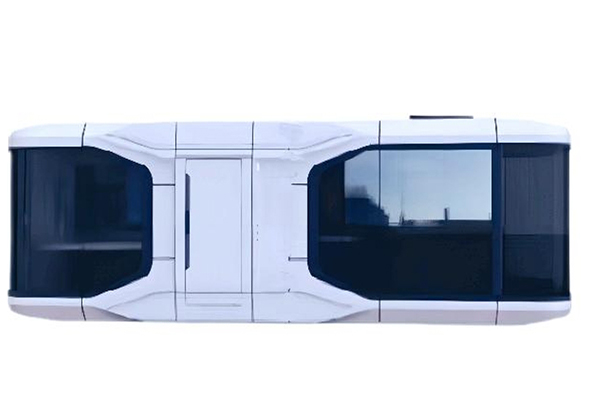
Telescoping shipping container homes redefine modern living by combining versatility with sustainability. These homes, created from repurposed shipping containers, expand and contract for adaptable spaces. Their appeal lies in their eco-conscious design and cost-effectiveness. The global shipping container market, valued at USD 11.9 billion in 2024, is projected to grow to USD 21.5 billion by 2033, reflecting their rising popularity.
Key Takeaways
Telescoping container homes can stretch or shrink for space needs. They work well for different living setups.
These homes are good for the planet and save money. They use recycled materials to cut waste and pollution.
Smart tech makes these homes easier to use and saves energy. You can manage home systems from far away.
What Are Telescoping Shipping Container Homes?

Definition and Purpose
Telescoping shipping container homes are innovative living spaces created from repurposed shipping containers. These homes feature a unique telescoping mechanism that allows you to expand or contract the structure as needed. This design provides flexibility, making it ideal for various living arrangements. Whether you need a compact space or a larger area, these homes adapt to your requirements. They combine modern engineering with sustainable practices, offering a practical and eco-friendly housing solution.

Benefits Over Traditional Container Homes
Telescoping shipping container homes offer several advantages compared to traditional container homes. The expandable design maximizes space efficiency, giving you more room without increasing the footprint. This feature is especially useful in urban areas where space is limited. Additionally, the telescoping mechanism enhances portability, making relocation easier. These homes also provide better customization options, allowing you to tailor the layout and features to suit your lifestyle. The benefits of shipping container homes like these include affordability, durability, and reduced environmental impact.
Why Choose a Telescoping Shipping Container Home?
Choosing a telescoping shipping container home means embracing a modern, sustainable lifestyle. These homes are cost-effective and versatile, making them suitable for various purposes, such as primary residences, vacation homes, or rental properties. The ability to expand and customize the space ensures that your home meets your unique needs. Building a shipping container home like this also supports eco-friendly practices by repurposing materials and reducing waste. If you value flexibility, affordability, and sustainability, this type of home is an excellent choice.
Key Engineering Features of a Shipping Container Home

Telescoping Mechanisms and Expandability
The telescoping mechanism is the defining feature of a telescoping shipping container home. This innovative system allows you to expand or contract the structure, providing unmatched flexibility. By using sliding panels and hydraulic systems, the home can transform from a compact unit into a spacious living area. This feature is particularly useful when you need to adapt your space for different purposes, such as hosting guests or creating additional storage. The expandable design also ensures efficient use of land, making it ideal for urban environments where space is limited. With this mechanism, you can enjoy a dynamic living experience that adjusts to your needs.
Structural Modifications for Strength and Flexibility
To ensure durability and strength, shipping container homes undergo essential structural modifications. Reinforcing key areas, such as corners and edges, helps maintain the container's integrity. Welding support beams and adding bracing systems enhance both strength and flexibility, allowing the structure to withstand various loads. Double-story container homes demonstrate how these modifications can maximize vertical space without compromising safety. High-quality insulation and energy-efficient windows further improve the home's structural performance and comfort. Consulting a structural engineer during the design phase ensures that all modifications align with safety standards, giving you peace of mind as you build a shipping container home.
Materials Used in Building a Shipping Container Home
The materials used in building a container home contribute significantly to its sustainability and cost-effectiveness. Repurposed shipping containers form the foundation, reducing waste and promoting eco-friendly practices. These containers are made of corten steel, known for its durability and resistance to corrosion. Additional materials, such as recycled wood and energy-efficient insulation, enhance the home's quality while minimizing environmental impact. Using refurbished containers also reduces the consumption of resources like sand and water, which are heavily used in traditional construction. This approach not only saves time and money but also supports sustainable building practices, making shipping container homes a smart choice for modern living.
Design and Customization Options for Container Homes

Layout Configurations and Space Optimization
Optimizing the layout of your shipping container home is essential for maximizing functionality and comfort. The configuration depends on the number and size of containers you use. For instance:
A 20-foot container works well for compact spaces like offices or mobile cafes.
A 40-foot container accommodates larger setups, such as a three-bedroom home.
Hi-Cube containers, with their higher ceilings, offer better vertical space utilization.
To make the most of limited space, consider vertical storage solutions like lofts or wall-mounted shelves. Built-in furniture, such as fold-down tables and convertible sofas, saves space while enhancing usability. Open-plan designs create a sense of openness, while clustering utilities simplifies plumbing and wiring. Insulation and soundproofing improve comfort, and precise window placement ensures natural light flows into your home. These strategies help you design a space that feels spacious and functional, even within a compact footprint.
Aesthetic Enhancements and Personalization
Personalizing your container home allows you to transform it into a unique living space. You can add features like skylights and large windows to brighten the interior and create a connection with the outdoors. Interior finishes, such as modern flooring and wall treatments, elevate the quality of your home. Outdoor decks and extensions expand your living area, providing space for relaxation or entertaining guests. Sustainable options, like energy-efficient appliances and solar panels, enhance both aesthetics and functionality. These design ideas ensure your home reflects your style while maintaining practicality and comfort.
Smart Home Technology Integration
Integrating smart home technology into your container home enhances convenience and efficiency. Advanced systems, such as Nest Thermostats, allow you to control heating and cooling remotely. A mechanical system with a Seasonal Energy Efficiency Ratio (SEER) of 19 and a Heating Seasonal Performance Factor (HSPF) of 9.5 ensures thermal comfort while reducing energy costs. Fully insulated air handling units improve indoor air quality and maintain consistent temperatures. These features make your home smarter, more energy-efficient, and tailored to your needs. By incorporating smart technology, you can enjoy modern living in a sustainable and cost-effective way.
Ensuring Structural Integrity and Safety

Load-Bearing Capacity and Stability
When building a shipping container home, ensuring its load-bearing capacity and stability is crucial. Shipping containers are designed to carry heavy loads during transportation, making them inherently strong. However, modifications like cutting openings for doors and windows can weaken the structure. Reinforcing these areas with steel beams or bracing systems restores their durability and strength. You should also consult a structural engineer to certify that your container home meets safety standards.
The Structural Integrity Report (SIR) is a key certification that verifies the structural soundness and safety of ISO shipping containers. It ensures that containers are free from structural deficiencies and comply with CSC and IICL guidelines.
To meet building code certifications, ensure the CSC Identification Plate is intact. Obtain a current strength certification from your dealer and re-certify any modifications with a structural engineer. These steps guarantee that your container home remains stable and safe.
Weather Resistance and Insulation
Container homes must withstand various weather conditions while maintaining indoor comfort. Adding insulation improves thermal performance and energy efficiency. Studies show that insulated containers perform well in both hot and cold climates. For example:
Using high-quality insulation materials reduces energy costs and enhances comfort. Proper sealing around windows and doors also prevents air leaks, ensuring your home remains weather-resistant.
Compliance with Building Codes
Compliance with building codes ensures your container home meets safety and legal standards. Zoning regulations determine where you can build based on land use categories. Building codes, often based on the International Residential Code (IRC) and International Building Code (IBC), dictate construction standards. Before starting construction, secure permits to prove compliance with these regulations.
Adhering to these codes not only ensures safety but also protects your investment. By following the guidelines, you can create a high-quality, durable, and cost-effective container home that aligns with your budget and local laws.
Sustainability and Environmental Impact of Shipping Container Homes
Repurposing Materials to Reduce Waste
When you choose a shipping container home, you actively contribute to reducing waste. Shipping containers, often discarded after their shipping life ends, find new purpose as the foundation of your home. This repurposing minimizes the need for traditional construction materials like bricks and cement, which consume significant resources. By reusing these containers, you help divert tons of steel from landfills. This approach not only supports sustainability but also ensures the quality of your home remains uncompromised.
Energy Efficiency and Renewable Energy Options
Container homes offer excellent opportunities for energy efficiency. Proper insulation and energy-efficient windows help maintain indoor temperatures, reducing your reliance on heating and cooling systems. You can also integrate renewable energy options like solar panels to power your home. Solar energy systems lower your utility costs while promoting sustainability and eco-friendliness. Smart home technology, such as programmable thermostats, further enhances energy efficiency by optimizing energy use. These features make building a shipping container home both cost-effective and environmentally responsible.
Lowering the Carbon Footprint of Construction
Traditional construction methods often leave a significant carbon footprint due to the extraction and processing of raw materials. In contrast, container homes use existing materials, reducing the demand for new resources. The compact design of these homes also requires fewer materials overall, helping you stay within your budget. Additionally, the streamlined construction process minimizes on-site waste and energy consumption. By choosing a shipping container home, you actively lower the environmental impact of your housing choice while maintaining high-quality living standards.
Challenges and Considerations When You Build a Shipping Container Home

Costs and Maintenance Requirements
Building a container home involves unique cost considerations. A finished 40-foot container home built as a DIY project typically costs between $30,000 and $40,000. Smaller container homes may start at $20,000, while larger, customized versions can range from $100,000 to $250,000. These costs depend on factors like design complexity, materials, and professional services. Investing in high-quality insulation is essential for energy efficiency and comfort, especially in extreme climates. Proper maintenance, such as treating the steel to prevent corrosion, can extend the lifespan of your home to several decades. Regular upkeep ensures your container home remains durable and safe for long-term living.
Space and Design Limitations
Shipping container homes come with spatial constraints that require creative solutions. Containers are not originally designed for residential use, which can present challenges in stacking and clustering them for aesthetic appeal. For example, studies highlight the need for innovative layouts to avoid a "container yard" appearance. Maximizing space efficiency involves designing your layout with features like vertical storage, built-in furniture, and open-plan designs. Hi-Cube containers, with their higher ceilings, offer better vertical space utilization. While these strategies enhance functionality, planning your container home requires expert guidance on planning and design to overcome these limitations effectively.
Navigating Local Regulations and Permits
Understanding local building codes and obtaining permits are critical steps to building a shipping container home. Local zoning laws dictate the size, placement, and height of container homes. Building codes ensure safety and health standards, covering aspects like structural integrity, insulation, and fire resistance. Necessary permits include those for construction, electrical, plumbing, and sometimes mechanical systems. These processes can be time-consuming but are essential for compliance. Modifications to containers must meet structural standards to prevent weaknesses. Consulting professionals ensures your home adheres to regulations, protecting your investment and maintaining quality.
Tip: Researching permits and planning early in the process can save time and prevent costly delays.
Telescoping shipping container homes showcase cutting-edge engineering and sustainable design. Their durability, affordability, and eco-friendliness make them a standout choice in modern housing. These homes adapt to diverse needs, offering quick construction and reduced environmental impact. By building a shipping container house, you embrace a future of flexible, cost-effective, and sustainable living.
FAQ
What is the lifespan of a telescoping shipping container home?
With proper maintenance, a telescoping shipping container home can last over 25 years. Treating the steel and ensuring regular upkeep extends its durability and performance.
Can you relocate a telescoping shipping container home?
Yes, you can relocate it easily. The compact design and telescoping mechanism make transportation simple, offering flexibility for changing locations or lifestyles.
Are telescoping shipping container homes energy-efficient?
Absolutely! These homes use insulation, energy-efficient windows, and renewable energy options like solar panels. These features reduce energy consumption and maintain a comfortable indoor environment year-round. 🌱