





Picking the right land and foundation is very important. It helps make your shipping container house strong and stable. Preparing the site well keeps the structure safe for a long time. Building container homes needs good planning for different foundation types. To get your land ready, check zoning rules and soil quality. These steps help you prepare the site and get project approval. A good foundation protects your home from weather and keeps it lasting for years.
Key Takeaways
Learn about zoning laws and building rules before buying land. These rules tell you where and how to build your home.
Look into utility access early. Knowing the price and availability of water, power, and sewage can save you from surprise costs.
Test the soil to make sure it can hold a container home. Weak soil can cause problems, so get experts to check it properly.
Finding the Right Land for a Shipping Container House
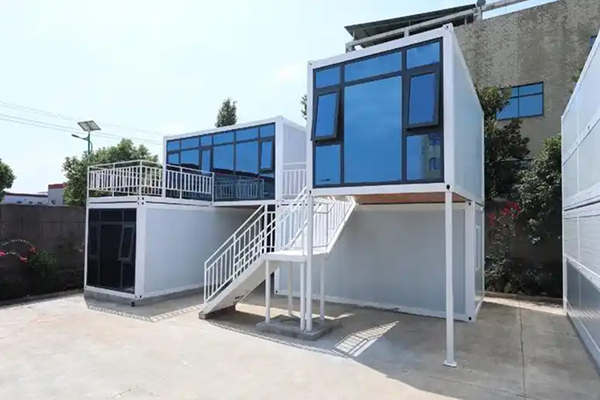
Zoning Laws and Building Codes
When planning a shipping container house, zoning laws and building codes are key. These rules decide where your home can go and how it must be built. For example:
Zoning laws say what types of buildings are allowed in certain places. They make sure your house fits local rules.
Building codes set safety and construction rules. They ensure your home is strong and safe to live in.
Permits prove you’re following these rules. Without them, you could face fines or need to remove your house.
Before buying land, ask your local zoning office for advice. They can explain what’s allowed in your area.
Access to Utilities and Infrastructure
Utilities like water, electricity, and sewage are very important. Connecting to these services can be tricky and expensive. When I bought my land, I didn’t realize how hard this could be. Talking to utility companies directly is better than relying on real estate agents.
Utility costs can add up fast. I had to pay for water meters, digging, and electrical work. Plan for these costs early to avoid surprises. Always check utility access before buying land.
Land Surveys and Soil Testing
Land surveys and soil tests are must-haves. Surveys show property lines to avoid neighbor disputes. Soil tests check if the ground can hold your house. Weak soil can cause problems later. Hire licensed experts to do these tests for accurate results.
Budget and Financing Considerations
Budgeting is very important for your project. Include land costs, permits, utility hookups, and foundation work in your plan. Look into loans or grants for alternative housing projects. Always save extra money for unexpected costs. This helped me avoid money problems during my build.
Why Shipping Container Foundations Are Important
Stability and Strength
A good foundation keeps a shipping container house steady. Without it, the house might move, sink, or even fall over. Foundations give the support needed to keep the house safe.
A strong base keeps water away, stopping rust and damage.
It stops sinking, which could weaken the house’s structure.
Proper setup makes sure the house stays steady in bad weather.
When I built my container home, I saw how important experts are. They helped me pick the right foundation and follow building rules.
Protection from Nature
Foundations protect shipping containers from nature’s challenges. Water and moisture can harm steel containers badly. A good foundation keeps these problems away, saving the container from rust.
Foundations stop sinking, even on bumpy or uneven ground.
They make the house stronger and last longer.
By keeping water out, they help the steel stay in good shape for years.
If you’re building a container home, think about your land’s weather and soil. This helps you pick the best foundation to protect your home.
Problems with Shipping Container Foundations
Building foundations for shipping containers can be tricky. I’ve faced issues like water problems and weak support. Here are some common problems to know:
Salty soil can make rust happen faster, hurting the container.
Cracks in the foundation can make the house weaker over time.
Bad drainage can cause water to collect, leading to rust.
Dirty air or bad water systems can create health risks.
To avoid these problems, hire experts who know container foundations well. Good planning and work can save you money on repairs later.
Types of Shipping Container Foundations
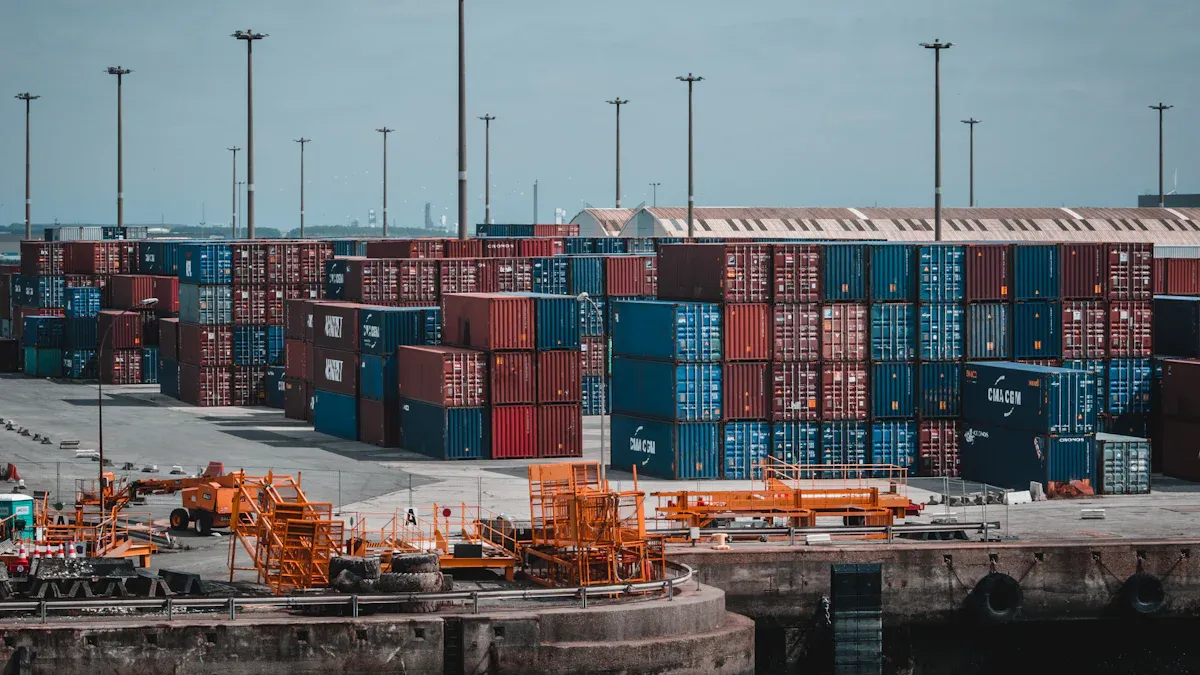
Pier Foundations
Pier foundations are cheap and easy for DIY projects. They use thick, short columns to hold up the house. I’ve seen them work well on strong soil. To build, dig a hole, add steel, and pour concrete.
Pier foundations lift the container off the ground. This keeps it dry and lets air flow. For example, the Naylor Container Home used piers to stay stable. But, they might not work on weak soil.
Pile Foundations
Pile foundations are good for weak soil. They use long, thin poles to hold the house. I’ve noticed they need big machines to build, so they’re not DIY-friendly.
Pile foundations keep container houses steady on bad soil. But, they need experts and machines, which costs more.
Slab Foundations
Slab foundations are strong and last long. They use a thick concrete layer on the ground. I’ve found they keep the house stable and level.
This type is best for flat, stable land. It gives a smooth surface, making planning easy. But, slab foundations cost more because they need lots of concrete.
Strip Foundations
Strip foundations are common for container houses. They use concrete strips under the walls. I’ve seen them spread weight evenly, good for medium soil.
Strip foundations are easy and cheap for small projects. But, they may not be as stable as slab or pile types on bad soil. Check the soil before choosing this foundation.
Choosing the Right Shipping Container Foundation
Checking Soil Conditions
Knowing your land's soil is very important. The soil type affects how strong your foundation will be. For example, clay soil can swell or shrink, making the foundation move. Sandy soil might not be strong enough to hold a house.
To make sure your base is solid, hire an expert for a soil test. This test shows how much weight the soil can hold and its moisture levels. Based on the results, you can pick the best foundation. Some good options are:
Concrete Piers with Welded Steel Plates: Steel plates are welded to the container for strength.
Corner Casting Rebar: Iron rebar connects the container to a concrete slab for support.
Steel Chain Anchors: Heavy steel chains are set into the concrete for a simple solution.
Thinking About Weather and Climate
Weather matters a lot when picking a foundation. Floods, wind, and snow can all affect your container home. For example, in flood zones, raised foundations help keep water out.
Here’s how weather impacts foundation choices:
Check local weather and climate data to choose the right foundation. This helps protect your home from nature’s challenges.
Managing Costs and Future Needs
It’s important to balance your budget with long-term needs. Some cheaper options may cost more to fix later. For example, pier foundations are less expensive but might not last as long as slab foundations.
Plan for all costs, like soil tests, permits, and expert help. Save extra money for surprises. Spending more now on a strong foundation can save you from big repairs later.
By following these steps, you can build a shipping container home that is safe and lasts a long time.
Preparing Land and Installing a Shipping Container Foundation
Clearing and Leveling the Land
Getting the land ready is the first important step. I start by marking the area with stakes. This helps me know the boundaries and avoid hitting pipes or wires. Then, I remove plants, rocks, and trash from the site. Clearing the area makes it easier to bring in and place the container.
After clearing, I work on leveling the ground. If the land is uneven, I cut high spots and fill low areas. Adding gravel or packed soil makes the ground stronger. In places where erosion happens, I use barriers like silt fences or small walls. These steps make sure the land is ready for building.
Excavation and Drainage Preparation
Digging is needed to make a strong base for the foundation. I like to dig open areas when the ground is stable. For deeper digging, I go step by step to stay safe. Near buildings, I use support boxes to stop the sides from falling in.
Good drainage is also very important. Water pooling can weaken the foundation over time. I set up drains, like French drains, to move water away. Filling the dug area with packed layers of soil keeps the base strong and steady.
Installing the Foundation
The last step is putting in the foundation. I pick the type based on the soil and weather. Pier foundations are good for strong soil, while slab ones work best on flat land. I make sure the foundation is even and tightly secured to stop movement.
To keep moisture away, I add a waterproof layer to the foundation. This protects the container from rust and helps it last longer. By doing all these steps, I build a strong base that supports the container home for many years.
Choosing good land and a strong foundation is very important. These choices help your container house stay safe and work well in different places.
Container homes are great for small or hard-to-reach areas.
Plan your budget and get money for land early.
Check if utilities like water and power are available first.
Visit your local building office with a map to understand permits.
Follow these tips to create a sturdy, long-lasting home.
FAQ
What type of soil is best for a shipping container foundation?
I recommend firm, stable soil like gravel or sandy loam. Weak soil, such as clay, can shift under the load of the building.
How do I protect my foundation from water damage?
I use proper drainage systems like French drains. These prevent water from pooling around the foundation and protect the building from moisture-related issues.
Can I build on sloped land?
Yes, but I suggest leveling the area or using pier foundations. This ensures the soil can support the load and keeps the building stable.