

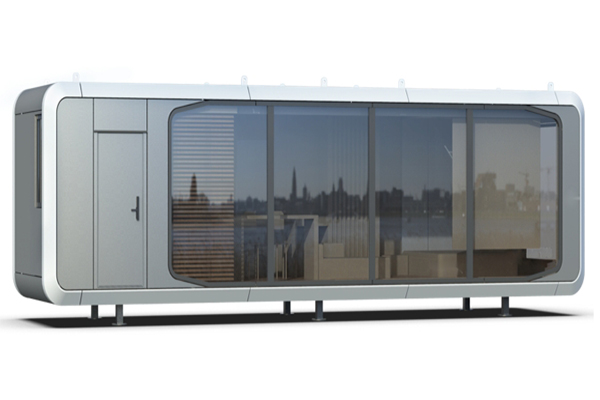



I’ve often wondered if shipping container homes truly live up to their reputation as sustainable homes. With over 17 million unused containers worldwide, repurposing them seems like a smart eco-friendly solution. Yet, challenges like insulation and legal restrictions make me question their practicality. Are they a game-changer or just another overhyped trend?
Key Takeaways
Container homes help the environment by reusing old materials and cutting waste.
They are cheaper than regular houses, so more people can afford them.
But, problems like keeping them warm and legal rules need attention first.
Benefits of Shipping Container Homes

Sustainability Through Recycling
I’ve always admired how shipping container homes promote sustainability by repurposing discarded materials. Millions of containers are discarded as scrap each year, but building homes from shipping containers prevents tons of steel from ending up in landfills. A single thirty-six-foot container weighs about 8,000 pounds and can hold up to 60,000 pounds of cargo. Reusing these containers reduces waste generation and lowers the environmental impact compared to traditional brick-and-concrete buildings. This eco-friendly approach aligns perfectly with the growing demand for sustainable housing solutions.

Affordable Housing Option
Container housing offers a practical solution for affordable housing. A contemporary home made from staggered orange containers costs around $40,000, which is significantly cheaper than social housing in Costa Rica. The affordability of shipping container homes makes them accessible to a wider audience, especially in urban areas where housing costs continue to rise. According to market trends, container homes are gaining popularity due to their cost-effectiveness and rapid construction capabilities.
Design Flexibility and Creativity
One of the advantages of shipping container homes is their design flexibility. I’ve seen architects and homeowners transform these steel boxes into stunning, modern spaces. Containers can be stacked, staggered, or combined to create unique layouts. Their modular nature allows for creative customization, making container housing an attractive option for those seeking personalized, eco-friendly living spaces.
Quick and Portable Construction
Shipping container homes excel in quick construction. Their pre-existing structure allows for faster modifications, enabling occupancy within weeks rather than months. This rapid setup is especially beneficial for emergency housing situations. The portability of container housing also makes it ideal for temporary or mobile living solutions, offering unmatched convenience compared to traditional builds.
Challenges of Container Housing
Insulation and Climate Control Issues
Shipping container homes face significant challenges when it comes to insulation and climate control. I’ve learned that the steel structure of containers makes them prone to extreme temperatures. Without proper insulation, they can become unbearably hot in summer and freezing in winter. Studies suggest that using materials like closed-cell spray polyurethane foam (ccSPF) offers the best thermal performance for container architecture. However, this adds to the construction cost, which can offset some of the environmental benefits. A table summarizing insulation materials highlights their effectiveness in different climates:
Zoning and Legal Restrictions
Navigating zoning laws and building codes can be a daunting task for container architecture enthusiasts. I’ve noticed that regulations vary widely by location. For instance, California enforces strict seismic standards, while Texas has more lenient rules. In Florida, wind load requirements dominate due to hurricane risks. These legal hurdles often discourage potential homeowners, despite the environmental benefits of container housing.
Structural and Durability Concerns
The structural integrity of shipping container homes raises valid concerns. I’ve read that refurbished containers may suffer from rust or weakened steel, especially if they’ve been exposed to harsh conditions. Engineers often conduct tests like ultrasonic evaluations to assess steel quality and corrosion rates. While these tests ensure safety, they also increase costs and complicate the construction process.
Health and Safety Risks
Health and safety risks in container homes are often overlooked. Many shipping containers have wooden floors treated with hazardous chemicals like pesticides. Additionally, some containers are coated with toxic paints containing phosphorous and chromate. These materials can pose serious health risks if not properly addressed during construction. I believe that mitigating these risks requires thorough cleaning and the use of non-toxic materials, which again adds to the overall cost.
Environmental Impact of Eco-Friendly Homes

Recycling and Waste Reduction
The transformation of shipping containers into homes represents an environmentally conscious method of construction. I’ve found that repurposing these containers significantly reduces waste. According to the EPA, construction and demolition debris contribute heavily to landfill waste. By recycling steel from containers, we can minimize this impact. Each container home can recycle about 3,500 kilograms of steel, reducing the need for new materials. This approach aligns with sustainable living principles by promoting waste reduction and resource efficiency.
Additionally, recycling materials during construction offers economic benefits. The Recycling Economic Information Report highlights how recycling supports cost-effectiveness in eco-friendly homes. Using recycled steel and other materials not only saves money but also reduces the environmental burden of traditional construction methods.
Energy Efficiency in Container Housing
Energy-efficient container homes are gaining attention for their ability to lower energy consumption. I’ve noticed that these homes often incorporate sustainable design features like large windows and skylights. These elements reduce reliance on artificial lighting, promoting eco-friendly living. Some builders also integrate renewable energy sources, such as solar panels, to further enhance energy efficiency.
Construction firms are increasingly focusing on sustainable design to meet energy efficiency certifications. These certifications require reduced emissions and the use of energy-efficient materials. With an energy efficiency rating of B, container homes demonstrate their potential as a sustainable housing option.
Carbon Footprint of Construction
Shipping container homes offer a reduced construction footprint compared to traditional buildings. However, I’ve learned that the energy and carbon emissions involved in converting containers into homes can be significant. Transportation and rehabilitation processes contribute to this impact. Despite these challenges, the use of renewable energy sources like wind turbines and solar panels helps offset emissions.
Lifecycle analysis studies provide valuable insights into the environmental impact of container homes. For example, a study on post-disaster prefabricated and container housings calculated operational energy demands at 33.5 GJ/m² for container homes. While this is higher than some alternatives, the long-term benefits of sustainable living outweigh the initial carbon costs.
By focusing on sustainable design and renewable energy integration, container homes can achieve a balance between cost-effectiveness and environmental responsibility.
Are Shipping Container Homes Practical or Overhyped?
Weighing the Pros and Cons
When I think about shipping container homes, I see both advantages and drawbacks. On the positive side, they offer a unique way to repurpose materials, reducing waste and promoting sustainable living solutions. Their affordability and quick construction make them appealing as affordable eco homes. However, there are significant challenges. For instance, toxic paint coatings and pesticide-treated wood floors can pose health risks. Preparing containers for housing also requires energy-intensive processes like sandblasting and cutting, which impact the environment.
Despite these challenges, the growing popularity of modern container houses shows that people value their innovative housing solutions. They are practical for some, but not without careful considerations.
Long-Term Sustainability and Trends
I’ve noticed that shipping container homes align with the rising demand for sustainable urban living. They reuse materials, reduce waste, and offer flexibility in design. Studies show that their affordability and modular nature make them attractive for first-time buyers and those seeking sustainable housing solutions. However, long-term sustainability depends on addressing their environmental impact. For example, heavy machinery used during construction increases their carbon footprint.
The future of container homes depends on how well they adapt to environmental challenges and consumer needs. With the right innovations, they could become a cornerstone of sustainable urban living.
Ideal Use Cases for Container Homes
Shipping container homes work best in specific scenarios. I’ve seen them used effectively for emergency housing, temporary accommodations, and eco-friendly vacation rentals. A study involving construction professionals highlighted their success in reducing waste and providing affordable housing. However, public awareness and acceptability remain challenges.
Emergency housing during natural disasters.
Temporary accommodations for workers or students.
Eco-friendly vacation rentals in remote areas.
Affordable housing in urban settings.
These use cases show that container homes excel in situations requiring quick, cost-effective, and sustainable solutions. They may not replace traditional homes, but they fill a niche in the housing market.
Shipping container homes offer exciting benefits like sustainability, affordability, and design flexibility. However, challenges such as insulation issues, zoning restrictions, and health risks cannot be ignored. I believe they strike a balance between eco-living and practicality when used in the right context. While not perfect, they represent a step toward sustainable housing solutions.
FAQ
What is the lifespan of a shipping container home?
A well-maintained container home lasts 25-30 years. Proper insulation, rust prevention, and regular maintenance can extend its lifespan significantly.
Can I build a container home anywhere?
Not always. Zoning laws and building codes vary by location. I recommend checking local regulations before starting construction.
Are shipping container homes safe during extreme weather?
Yes, with proper modifications. Reinforcements and insulation protect against hurricanes, earthquakes, and extreme temperatures. Always consult professionals for safety measures.
💡 Tip: Research local climate and regulations before committing to a container home project.