

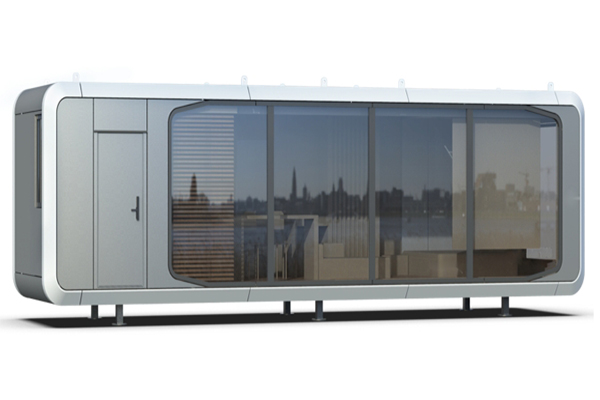

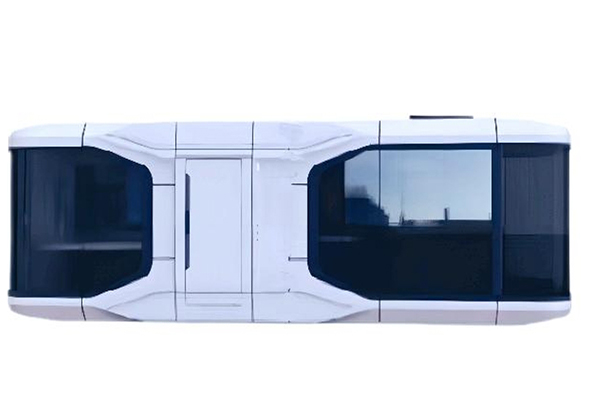
I’ve noticed a fascinating shift in modern architecture. Tailored container homes are redefining luxury living in a box. These innovative housing solutions blend sustainability with elegance. It’s incredible that 92% of architects now use salvaged materials like containers. The market for modern container homes, valued at $60.02 billion in 2024, highlights their growing appeal. Luxury container homes, priced between $200,000 and $400,000, prove that upscale design doesn’t require traditional materials. This movement aligns perfectly with sustainable living, offering eco-friendly options without sacrificing style or comfort.
Key Takeaways
Fancy container homes mix being eco-friendly with looking nice. They use recycled materials to make cool places to live.
These homes save money, with cheaper bills and building costs than regular houses.
You can design them in many ways, adding special touches to fit your style and needs.
Unique Features of Luxury Shipping Container Homes
Sustainability and Eco-Friendliness
When I think about sustainability, shipping container homes immediately come to mind. These homes excel in repurposing shipping containers, giving them a second life instead of letting them rust away in shipyards. By using recycled materials, they reduce the demand for new resources, making them an environmentally friendly choice. Many of these homes also incorporate sustainable materials like bamboo flooring or reclaimed wood, which further enhances their eco-credentials.
Energy efficiency plays a significant role in their design. Features like solar panels, energy-efficient insulation, and advanced ventilation systems help regulate indoor temperatures. This reduces the need for excessive heating or cooling, which lowers energy consumption and carbon footprints. Proper waste management during construction also minimizes environmental impact.
By combining these elements, shipping container homes prove that luxury living can align with sustainability.
Cost-Effectiveness Without Compromising Quality
One of the most appealing aspects of container homes is their affordability. They offer a cost-effective housing solution without sacrificing quality. While the initial setup costs might seem high, the long-term savings are undeniable. For instance, these homes are smaller and more energy-efficient, which means lower heating and cooling expenses.
The durable nature of shipping containers also reduces the need for frequent repairs or renovations. This durability translates into significant savings over time. Additionally, the construction process is faster due to pre-fabrication, which cuts down on labor costs.
Shipping container homes can cost between $10,000 and $35,000, far less than the $150,000 to $300,000 price tag of traditional homes.
Their smaller size and energy-efficient design lead to reduced utility bills.
The use of repurposed shipping containers lowers construction costs compared to traditional building materials.
These homes demonstrate that affordability and quality can coexist, making them an excellent option for those seeking affordable housing solutions.
Design Flexibility and Versatility
The design flexibility of container homes is truly remarkable. I’ve seen how architects and homeowners can customize these homes to meet specific needs. Whether it’s a single-family home or a multi-unit development, the possibilities are endless.
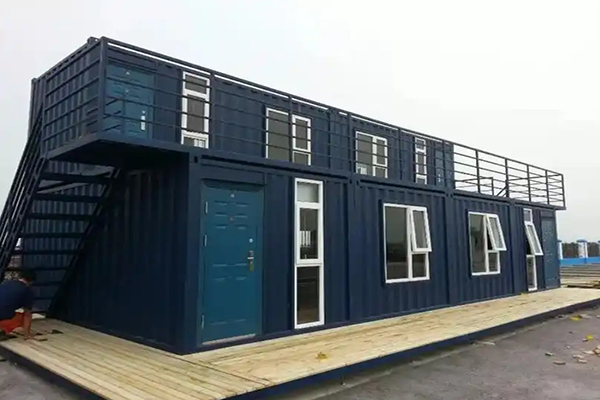
One of the most exciting features is the ability to stack and interlock containers. This allows for multi-level homes that maximize space and functionality. The inherent strength of containers also makes them ideal for withstanding harsh weather conditions and natural disasters.
Modern container homes also incorporate innovative insulation materials and ventilation systems. These features ensure energy efficiency while maintaining comfort. Many designs include solar panels, which further reduce their environmental impact. By repurposing shipping containers, these homes offer a sustainable and versatile solution for modern living.
Current Design Trends in Modern Container Homes
Open-Concept Layouts for Spacious Living
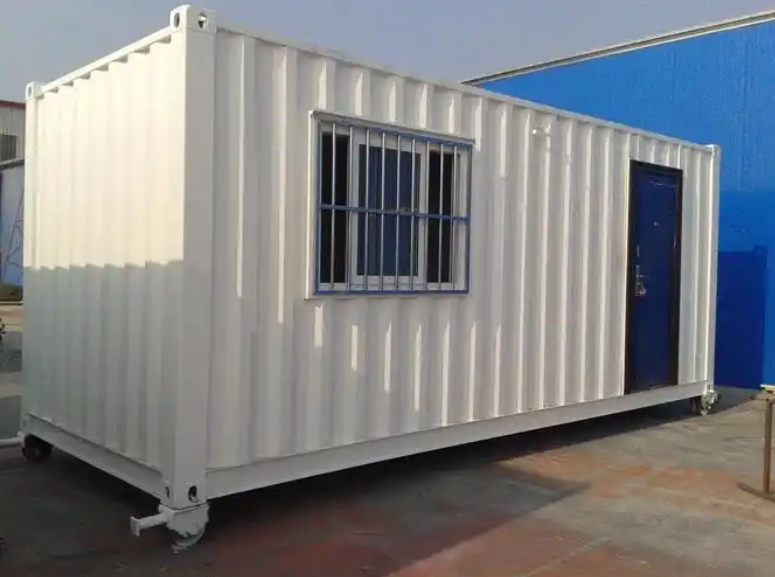
I’ve noticed that open-concept layouts are transforming how we perceive space in container homes. These layouts eliminate unnecessary walls, creating a seamless flow between living, dining, and kitchen areas. This approach not only enhances the sense of spaciousness but also fosters better interaction among family members. For instance, the Foster Residence showcases a 24-foot roof truss that spans across the living room, making the space feel expansive and inviting.
Another innovative design I’ve come across is the "space between" concept. It balances private rooms within containers while maintaining shared open areas for communal activities. This layout ensures privacy without compromising the openness of the home. In warmer climates, modern dogtrot designs use open-air spaces to promote natural airflow, keeping the interiors cool and comfortable.
Maximizing Natural Light with Large Windows and Skylights
Maximizing natural light is another trend I find fascinating in container home design. Large windows and skylights bring in abundant daylight, reducing the need for artificial lighting. This not only lowers energy consumption but also creates a healthier indoor environment. Strategic placement of windows and skylights improves airflow, making the home more energy-efficient.
I’ve seen designs where glass doors and oversized windows transform small spaces into bright, airy rooms. Skylights, especially in areas with limited wall space, enhance daylight penetration. This thoughtful integration of natural light elevates the overall living experience while promoting sustainability.
Seamless Integration of Indoor and Outdoor Spaces
One of my favorite trends is the seamless blending of indoor and outdoor spaces. Stylish cladding and large sliding doors create a smooth transition between the two. This design not only expands the usable area but also connects the home to its natural surroundings.
I’ve observed that many container homes incorporate green roofs, external shading, and natural ventilation to enhance sustainability. Double roofs and insulation methods further improve energy efficiency. These features make the home comfortable while reducing its environmental impact. By integrating these elements, container homes achieve a perfect balance between functionality and aesthetics.
Customization and High-End Features
Premium Materials and Finishes
When I think about luxury container homes, the use of premium materials stands out. These homes often feature finishes that rival traditional high-end properties. For instance, I’ve seen designs that incorporate moisture and fire-resistant gypsum boards, which enhance both safety and durability. Another popular choice is two-component polyurethane spray foam. This material creates a seamless and durable air barrier while providing excellent insulation.
Flooring is another area where container homes shine. Many designs replace the original container flooring with biowood composite. This material resists fire, water, insects, mold, and mildew, making it both practical and luxurious. These premium finishes not only elevate the aesthetics of the home but also ensure long-lasting quality.
By using such high-quality materials, container homes achieve a perfect balance between modern aesthetics and functionality. This attention to detail proves that luxury living doesn’t have to compromise on sustainability or durability.
Smart Home Technology Integration
I’ve noticed that smart home technology is becoming a must-have feature in modern container homes. These systems make life more convenient while enhancing energy efficiency. For example, many homes now use LTE networks to enable real-time control of appliances and systems. This allows homeowners to adjust lighting, temperature, and security settings remotely.
Other technologies, like Z-Wave and KNX, support wireless control of residential systems. These open standards make it easy to integrate various devices, creating a seamless smart home experience. Wi-Fi is another popular option, especially for smaller homes, as it allows for efficient data transmission over short distances.
The growing demand for smart home features reflects a shift toward more sustainable and efficient living. Government regulations promoting green building practices further support this trend. By integrating these technologies, container homes offer a customizable living space that meets the needs of modern homeowners.
Personalized Layouts and Unique Architectural Elements
One of the most exciting aspects of container homes is their ability to accommodate unique layouts and architectural elements. I’ve seen homes with rooftop decks that provide stunning panoramic views and additional living space. These features not only enhance the home’s connection to nature but also add a touch of luxury.
Interior styling is another area where customization shines. Many homeowners opt for minimalist decor, which highlights the architectural features of the container. Shiplap walls and a mix of furnishings can add warmth and character to the space. Exterior designs are equally versatile, ranging from sleek industrial looks to bold colors and cladding materials.
These personalized layouts make each container home unique. They reflect the homeowner’s personality while maintaining modern aesthetics. By combining innovative design with high-end features, container homes redefine what it means to live in style.
Real-Life Examples of Luxury Container Homes
Case Study: The LoHi Shipping Container House in Denver, Colorado
The LoHi Shipping Container House stands as a testament to modern luxury. Built from seven large containers, this home redefines what shipping container houses can achieve. Its sleek design and upscale finishes make it hard to believe it started as industrial cargo containers. The house features open-concept living spaces, large windows, and a rooftop deck that offers stunning views of Denver’s skyline.
What impresses me most is the balance between functionality and aesthetics. Despite its industrial origins, the home feels warm and inviting. The estimated cost of $600,000 reflects the high-end materials and custom design elements used throughout. This project proves that multi-container homes can rival traditional luxury homes in both style and comfort.
Case Study: Eco-Luxury Retreat in Joshua Tree, California
Nestled in the serene desert landscape, the Eco-Luxury Retreat showcases the versatility of container architecture. This home blends seamlessly with its natural surroundings, using sustainable materials and energy-efficient systems. Large glass panels and sliding doors connect the indoor spaces to the outdoors, creating a harmonious living experience.
The retreat’s minimalist design emphasizes simplicity without sacrificing elegance. Solar panels and water harvesting systems enhance its eco-friendly credentials. I find this project inspiring because it demonstrates how container homes can offer a luxurious yet sustainable lifestyle.
Case Study: Urban Chic Container Home in Brooklyn, New York
In the heart of Brooklyn, this urban chic container home combines industrial charm with modern sophistication. The exterior features bold cladding and large windows, while the interior boasts high ceilings and open layouts. The use of reclaimed wood and exposed steel beams adds character to the space.
What sets this home apart is its smart use of space. The compact design includes multi-functional furniture and built-in storage, making it ideal for urban living. This project highlights how container homes can adapt to city environments without compromising on style or functionality.
These examples illustrate the endless possibilities of container architecture. From urban settings to remote retreats, shipping container houses continue to push the boundaries of modern design.
Luxury container homes redefine modern living by blending sustainability, affordability, and innovative design. They allow homeowners to create personalized spaces while repurposing materials and reducing waste. These homes make sustainable living accessible and stylish. I believe their ability to combine energy-efficient features with unique layouts is reshaping architecture.
Tailored container homes prove that luxury and eco-consciousness can coexist.
Exploring these homes opens doors to a future where design meets sustainability in perfect harmony.
FAQ
What are the main benefits of living in a shipping container home?
Shipping container homes offer sustainability, affordability, and design flexibility. They reduce waste, use recycled materials, and allow for unique, customizable layouts that suit individual preferences.
Are shipping container homes durable enough for extreme weather?
Yes, they are highly durable. Their steel structure withstands harsh weather conditions, including strong winds and heavy rain. Proper insulation and design enhance their resilience further.
Can I add luxury features to a container home?
Absolutely! You can include premium finishes, smart home technology, and custom layouts. These features transform a container home into a luxurious, modern living space.