

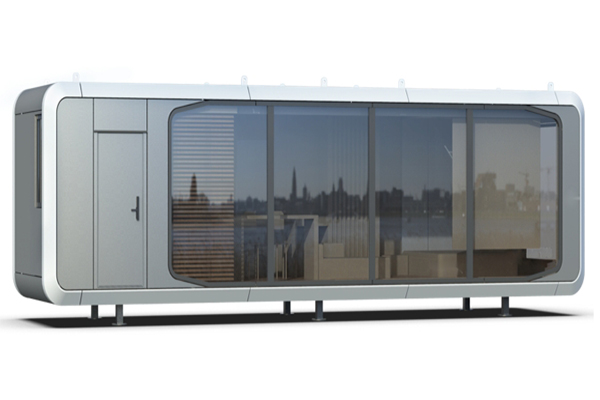

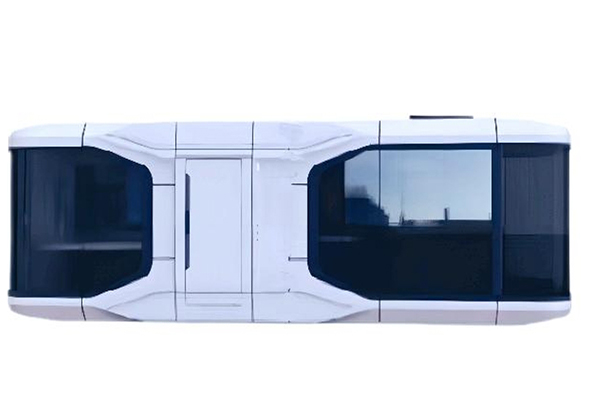
Shipping container home factories are changing how houses are built. They use modular designs and prefabrication to save time. Workers are 30% more productive than with old methods. Projects finish up to 50% faster by working on-site and in factories at the same time. This method cuts waste, lowers carbon emissions, and avoids weather delays. It’s a quicker and eco-friendly way to build homes.
Key Takeaways
Factories for container homes build faster with pre-made designs, saving time by half.
Factory methods cut errors and costs, making building easier and dependable.
Green methods in container homes cut waste and pollution, helping nature.
How Shipping Container Home Factories Make Building Faster
Modular and Prefabricated Design
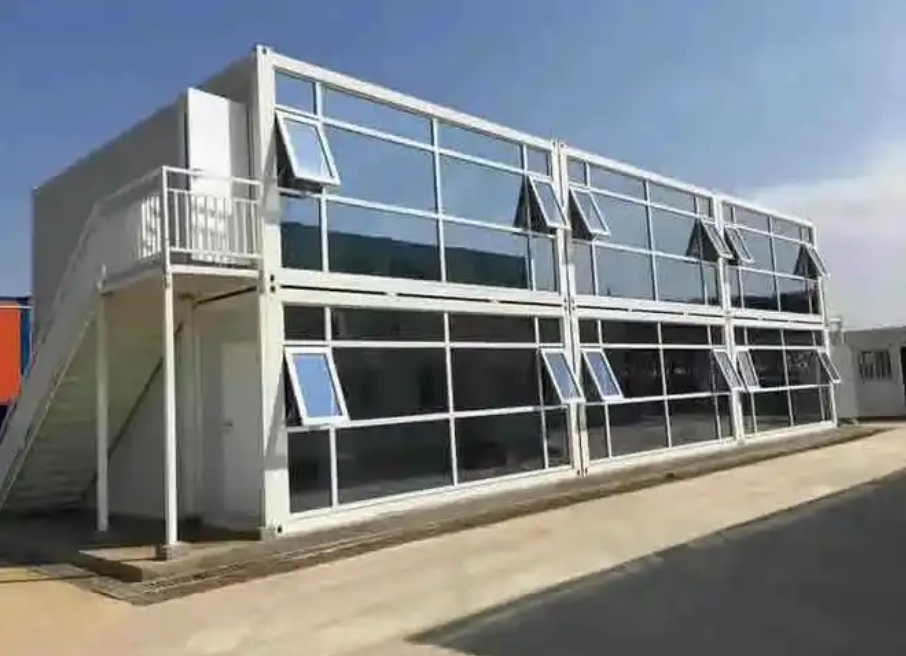
Shipping container home factories use modular and prefabricated designs. Homes are built in sections inside a factory. This keeps the quality consistent and avoids weather delays. About 90% of the work is done off-site, speeding up construction.
Here are some benefits of modular and prefabricated designs:
Homes are built faster, cutting time by up to 50%.
Less waste is created because materials are measured precisely.
Factory work ensures better quality and more accurate building.
This method not only makes building quicker but also helps the environment. It’s a smart way to improve construction projects and make them more reliable.
Standardized Processes for Quicker Building
Standardized processes are key to faster building in these factories. Every step follows a set plan, reducing mistakes and saving time. For example, Lan'en International uses these processes to finish projects up to 50% faster.
Here’s how standardized production helps:
With these processes, factories can build homes quickly and with high quality. It also helps meet the growing need for shipping container homes.
Less Time Spent Building On-Site
One big advantage of these factories is less on-site work. Most of the building happens in the factory, so assembly on-site is quick. This speeds up the process and causes fewer disruptions.
For example, prefabricated homes arrive ready to put together. This reduces the need for on-site workers and avoids delays. Factory-made parts fit perfectly, making the process even smoother.
This method works well in cities where fast building reduces noise and inconvenience. It’s an efficient and eco-friendly way to meet modern construction needs.
Benefits of Shipping Container Home Factories
Faster Project Completion
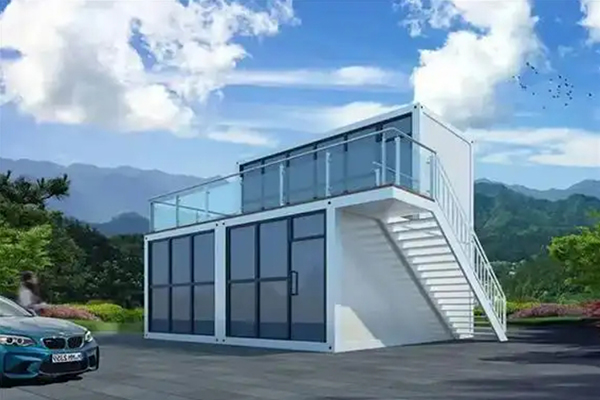
Shipping container home factories make building much quicker. Using modular designs, they can shorten timelines by up to 50%. This method allows different construction steps to happen at the same time. For example, while the factory builds container parts, workers prepare the site. This teamwork helps avoid delays.
Studies back up these claims. Research on 491 modular projects shows how effective this method is. Modular construction keeps projects on schedule and improves efficiency. Here’s a summary of the findings:
At Lan’en International, we use these methods to finish projects faster. This speed is important in today’s busy housing market.
Saving Money with Smart Solutions
Shipping container home factories help save money for builders and buyers. Costs depend on the size of the project, but savings are clear. For small projects, containers cost about 30% of the budget. Medium projects may need $250,000, with 15% for energy-saving designs. Large projects can cost over $400,000, with 40% for shipping and rules.
Here are some ways to save money:
Container homes are often cheaper than regular houses.
DIY projects or smart spending can lower costs more.
Affordable housing options like these help families save money.
Startups usually spend $150,000 to $500,000 to get started. Creative funding can make it easier to afford. At Lan’en International, we focus on affordable solutions that still have great quality. This gives clients the best value for their money.
Green and Sustainable Building
Shipping container home factories care about the environment. They reuse containers, which is better than traditional building. This reduces waste and lowers the carbon footprint. It also matches global goals for eco-friendly construction.
Studies show that 62% of energy use comes from running the home. This means both building and using the home should be energy-efficient. Factories can design homes to use less energy.
At Lan’en International, we follow these green practices. Containers are strong, easy to move, and good for the planet. Turning containers into homes reduces waste and helps solve the housing problem. It’s a smart and sustainable way to build for the future.
Practical Considerations for Shipping Container Homes
Climate and Location Suitability
It’s important to think about climate and location when building. Different places need special changes to keep homes comfy and strong. For example, hot areas need good insulation and shade. Planting trees or using spray foam can keep the inside cooler. In cold places, thick insulation and smart window placement are key. Insulating the roof and using smaller windows helps keep heat inside.
Here’s a simple guide for climate-specific tips:
These ideas help container homes stay cozy and save energy, no matter the weather.
Customization and Design Flexibility
Container homes can be designed in many creative ways. Skilled builders can turn containers into amazing homes. Picking a builder with experience ensures great designs and service. Following building rules keeps homes safe and legal. Adding solar panels and better insulation makes homes more eco-friendly.
Pick builders with good experience.
Follow rules to keep homes safe.
Add solar panels and better insulation for efficiency.
This flexibility lets people design homes that fit their needs while staying efficient.
Navigating Zoning and Regulatory Requirements
Understanding zoning laws and rules is important but doable with planning. Local laws decide where and how big container homes can be. Building rules make sure homes are safe and meet standards. Getting permits for things like plumbing and electricity is also needed.
Learn local zoning rules and follow them.
Follow building rules to ensure safety.
Get permits for utilities and construction.
Make a detailed plan to share with officials. Include the home’s size, safety features, and location to meet rules.
Cities like Austin, Portland, and Los Angeles support container homes. They have easier processes and friendly zoning rules. This shows how popular and accepted these homes are becoming.
Shipping container home factories change how homes are built. They are fast, affordable, and good for the environment.
Cheaper homes for areas with high living costs.
Quick construction helps solve housing shortages.
Eco-friendly methods recycle materials and cut down waste.
With good planning, they offer smart, green housing for everyone.
FAQ
What are the main benefits of shipping container homes?
Shipping container homes are built faster and cost less. They are eco-friendly and can be customized. This makes them a smart and green housing choice. 🏡
Can shipping container homes handle bad weather?
Yes, they can. With good insulation and strong materials, they work in heat, cold, and storms. Always ask experts for changes based on your climate. 🌦️
Are shipping container homes allowed everywhere?
Not always. Rules and laws are different in each place. Check local rules and get permits before building to follow the law.