

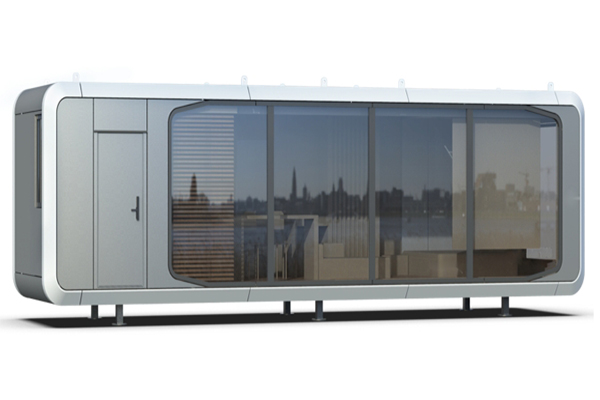

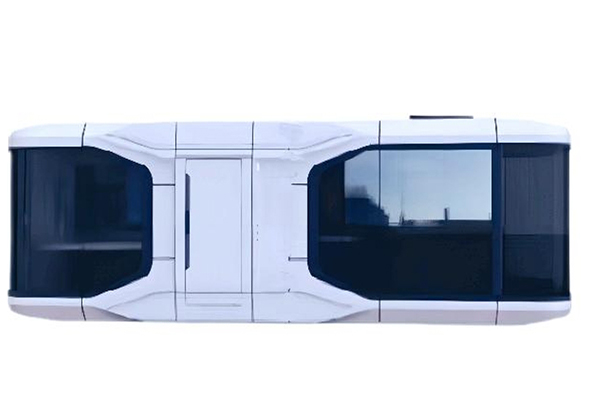
Disasters happen quickly, leaving many without homes or supplies. In 2023, over 90 million people suffered from floods, fires, and droughts. The cost is huge, with damages expected to hit $500 billion yearly by 2050. We need fast and useful solutions. Shipping container homes can help. These smart designs provide quick, strong, and cheap housing for disaster relief.
Key Takeaways
Shipping container homes give fast and easy shelter after disasters. They can be ready in just days, not months.
These homes are affordable, usually costing about $40,000. They also save money over time on repairs and energy costs.
Shipping container homes are tough and flexible. They can handle bad weather and be changed to fit different disaster needs.
Why Shipping Container Homes Work Well for Disaster Relief
Fast Setup for Emergency Shelter
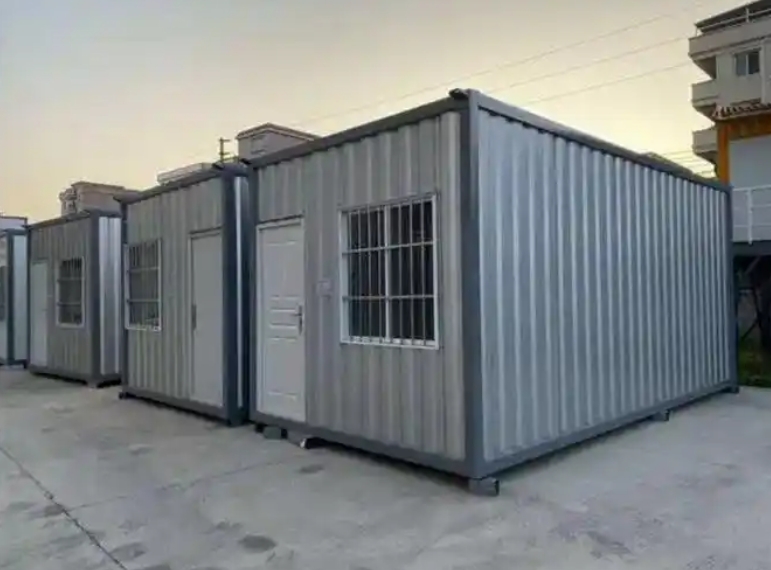
When disasters happen, quick action is crucial. People need homes fast. Shipping container homes are great for this. They can be changed, moved, and set up in weeks. Regular houses take months or years to build. Relief groups use these homes to make shelters right after disasters.
Here’s why they work so well:
Most of the building is done before delivery.
Once on-site, they’re ready in hours or days.
Builders even use them as mobile offices for projects.
This speed makes them perfect for emergencies. They give people a safe place to stay quickly.
Affordable and Eco-Friendly Housing
Shipping container homes are not just fast—they’re cheap too. They often cost around $40,000, much less than regular houses. They last a long time, so repairs cost less. They also save energy, cutting down on bills. This makes them a smart and green choice for housing.
Here’s how they compare to regular homes:
Choosing these homes saves money and helps the planet. They’re a great option for emergency housing.
Strong in Bad Weather
Disasters often bring tough weather. Not all shelters can handle it. Shipping container homes are made of strong steel. They can stand up to winds of 180 mph. They also handle heavy loads and extreme heat or cold. This makes them reliable in any disaster.
Check out these facts:
These homes keep people safe, even in the worst weather.
Flexible for Any Disaster
Shipping container homes are very flexible. They work for floods, earthquakes, and fires. They can be changed to fit any disaster. Relief teams can set them up fast to help people in need.
A 2017 study showed their importance in recovery. They work in all climates and places. This makes them a key tool for disaster relief.
Customizing Shipping Container Homes for Disaster Relief Efforts
Climate-Specific Designs for Different Regions
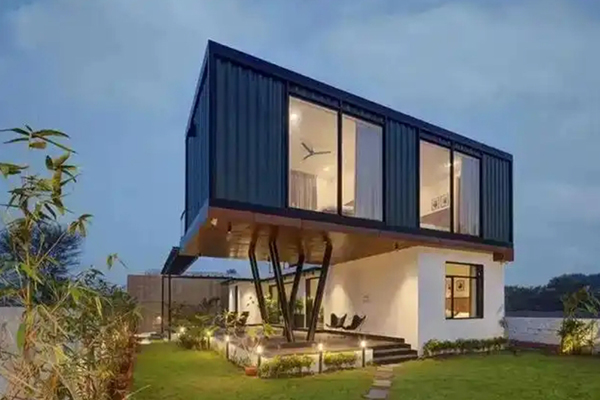
One design doesn’t work everywhere. Shipping container homes can be changed for different climates. They are flexible and can become homes, clinics, or community spaces. To make them livable, insulation is very important. Without it, they can get too hot or too cold. Proper insulation keeps them comfortable in any weather.
Eco-friendly upgrades also help a lot. Adding solar panels gives power, and rainwater systems provide water. These changes protect the planet and give resources during disasters. Here’s how these features work together:
Modular and Scalable Housing Configurations
In emergencies, being flexible is important. Shipping container homes are built in sections, making them easy to adjust. You can connect them to create bigger spaces or shared areas. This is helpful for families or groups needing more room. Modular designs allow quick changes while staying safe and cozy.
This setup is easy to change when needed. Relief teams can rearrange spaces for more people or new needs. These homes grow or shrink based on who needs them. Here’s why modular designs are great for disaster relief:
Containers can connect to form bigger spaces or shared areas.
Modular designs let homes grow for larger families while staying safe.
Expandable designs help teams adjust spaces for changing needs.
Integration of Essential Utilities: Power, Water, and Sanitation
Homes need basic utilities to work well. In disasters, power, water, and sanitation are very important. Shipping container homes can include these easily. Solar panels give power, even in faraway places. Rainwater systems provide clean water for drinking and washing.
Sanitation is also key. These homes can have composting toilets or eco-friendly waste systems. Adding these utilities makes the homes self-sufficient. This improves living conditions and helps recovery. Shipping container homes are a complete solution for emergency housing.
Operational and Financial Aspects of Shipping Container Homes
Transportation and On-Site Assembly Logistics
Moving shipping container homes to disaster areas is simple. These homes are small and stackable, so they’re easy to ship by truck, train, or boat. Once they arrive, setting them up is fast. You don’t need big machines to assemble them. The setup can be done in just hours. This makes them perfect for emergencies when time matters most.
These homes can also be built ahead of time at another location. This saves even more time during disasters. Relief teams can focus on helping people instead of spending weeks building shelters. This quick process is a big help for emergency responses.
Collaboration with NGOs and Government Agencies
Shipping container homes work best when groups team up. NGOs, governments, and private companies often work together to fund and deliver these shelters. For example, Lan'en International has worked with relief groups to provide these homes in disaster-hit areas. These partnerships make sure resources are used wisely and shelters reach the people who need them.
Real-World Examples of Successful Implementations
These homes have already helped in real disasters. After the 2010 Haiti earthquake, relief teams used them to house displaced families. In Australia, during the 2020 bushfires, they provided emergency shelters. These examples show how useful and reliable these homes are in real-life situations.
Cost Comparison with Traditional Housing
Shipping container homes are faster and cheaper than regular houses. Here’s a comparison:
With lower costs upfront and yearly, these homes are affordable. They also give better value over time, making them a smart choice for recovery projects.
Funding Opportunities for Disaster Relief Projects
Funding is key for disaster relief. Shipping container homes offer many funding options. Governments often set aside money for emergency shelters. NGOs and private donors also help fund these projects. Companies like Lan'en International offer affordable packages to make these homes easier to get. By combining resources, you can provide safe and strong shelters to those in need.
Shipping container homes are more than just places to live. They can be used as clinics, storage, or housing for helpers. Check this out:
These homes are quick, cheap, and flexible. They can change how we handle disasters and help people recover faster. Why not try this smart idea? It’s time to improve disaster responses.
FAQ
Why are shipping container homes better than tents for disasters?
Shipping container homes are stronger and last much longer. They also keep heat or cold out better than tents. This makes them safer and more secure for families.
Can shipping container homes be used again after disasters?
Yes! They can be turned into storage spaces or clinics. They are strong enough to be reused for many years, even in future emergencies.
How do shipping container homes stay comfy in bad weather?
Good insulation and ventilation help control the temperature inside. Solar panels and other upgrades also make them work well in hot or cold places.