

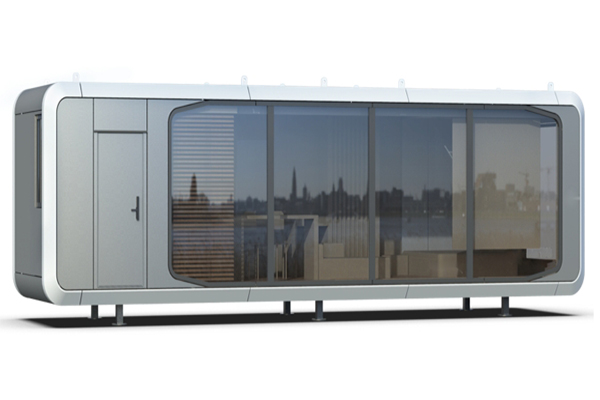

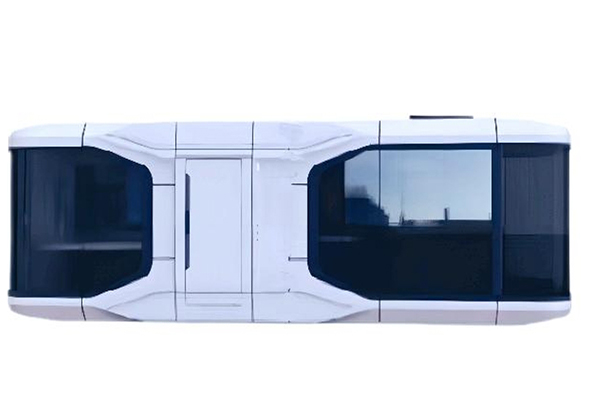
Choosing between shipping container homes and tiny houses depends on your needs. Your way of life, goals, and values are important in deciding. For example:
A survey showed 66% of Finns value healthy lifestyles, but only 49% of Germans do.
Also, 90% of German students liked lifestyle-based choices, while only 25% of Swedes agreed.
These results show how personal choices affect decisions. Both housing types are unique, but one might fit your idea of simple or green living better. The shipping container homes market, worth $63.9 billion in 2023, shows rising interest. Tiny homes are expected to grow by $3.33 billion by 2025, proving they are cheap and eco-friendly options.
Key Takeaways
Shipping container homes cost less and can be designed easily. They are great for people wanting special living spaces.
Tiny houses support simple living and help the environment. They attract people who care about nature and living with less.
Both types of homes have legal and zoning issues. It is important to check local rules before choosing one.
Understanding Shipping Container Homes
What Are Shipping Container Homes?
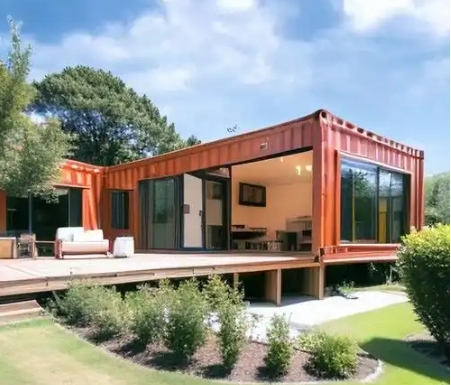
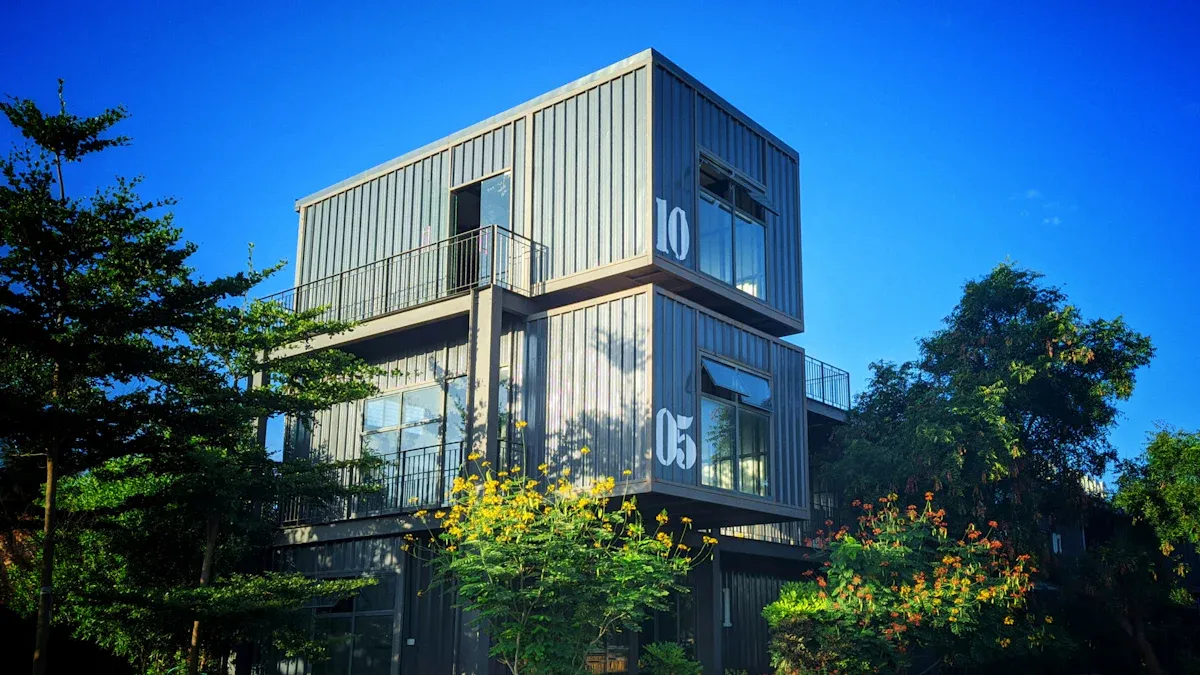
Shipping container homes are houses made from old shipping containers. These containers, used for moving goods, are strong and made of steel. They come in standard sizes like 20 feet or 40 feet long. People started using them as homes in the early 2000s. For example, Container City I in London was built in 2000 to show how they work for city living. In 2006, Tempohousing in Amsterdam made 1,000 student homes from containers.
These homes focus on being flexible and eco-friendly. Builders add insulation, windows, and doors to make them livable. In 2006, Peter DeMaria designed the first two-story container home in the U.S. It followed building rules, proving these homes can be permanent.
Advantages of a Shipping Container Home
Shipping container homes have many good points. First, they are affordable. The global market for these homes was worth $61.7 billion in 2022. By 2032, it could grow to $109.4 billion because people want cheaper housing. Second, they save energy. Their small size uses less energy, which is better for the planet. Third, they are fast to build. In Lagos, for example, containers are used to solve housing problems with cheap, portable homes.
Also, these homes can be customized in creative ways. People can stack or join containers to make different designs. A 20-foot container can be a small studio or part of a bigger house.
Disadvantages of Container Homes
Shipping container homes also have downsides. One big issue is harmful chemicals. Containers may have dangerous substances like phosphorous, which need to be removed. Another problem is temperature control. Metal homes need good insulation and ventilation to stay comfortable.
Space is another challenge. A single container has only 160 to 320 square feet, which might feel too small. The fixed size of containers limits design options, and cutting them can weaken their structure. Zoning laws and building codes also vary, making it harder to get approval for these homes.
Finally, selling container homes can be tough. They are unusual, and fewer people want to buy them, which lowers their resale value.
Exploring Tiny Houses
What Is a Tiny Home on Wheels?
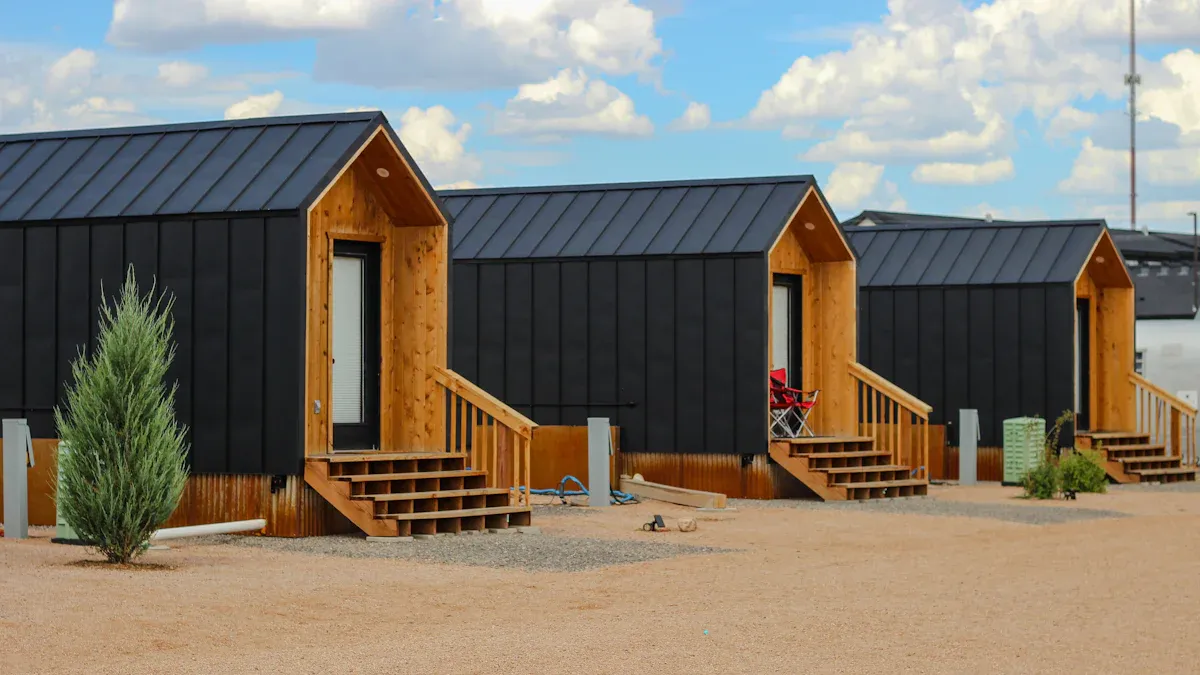
A tiny home on wheels (THOW) is a small, movable house. It is built on a trailer and usually measures 100 to 400 square feet. These homes have a kitchen, bathroom, and sleeping area. Unlike RVs, they follow home-building rules and use strong materials. They are well-insulated to save energy and last longer. Smart storage ideas make the small space useful and cozy.
Building a THOW takes careful planning. First, you need a strong trailer. Then, the frame is built using wood or metal. Good insulation keeps the home comfortable in any weather. Plumbing and electrical systems must be planned early to avoid mistakes. Many people add solar panels or composting toilets for off-grid living. It’s also important to know local laws and towing rules to avoid problems.
Benefits of Tiny Houses
Tiny homes have many good points. First, they are cheap. In the U.S., a tiny home costs about $52,000. This is much less than the $298,000 average price of a regular house in 2021. Tiny homes help families who struggle with high housing costs.
Second, they are eco-friendly. Tiny homes use less energy, about 3,000 kWh per year. They also produce only 2 tons of carbon dioxide yearly. Water use is low too, around 2,000 gallons a year. These features attract people who care about the environment. In fact, 80% of tiny home owners value being green.
Lastly, tiny homes make life simpler. Surveys show 70% of owners enjoy a simpler lifestyle. About 55% say they have more free time. Downsizing can make people happier, with 92% of owners happy with their choice.
Drawbacks of Tiny Houses
Tiny homes also have downsides. The small size, 100 to 400 square feet, can feel tight. Families or people with lots of stuff may find it hard to fit. Even with smart storage, space can still be a problem.
Legal and zoning rules can also be tricky. Laws about tiny homes are different in each area. Some places treat them like RVs, so they can’t be permanent homes. It takes time and effort to figure out these rules.
Moving a tiny home has challenges too. While they are portable, towing needs a strong vehicle. You also need to know how to tow safely. Finding parking, especially in cities, can be stressful and hard.
Cost Comparisons Between Shipping Container Homes and Tiny Houses
Initial Costs
Shipping container homes and tiny houses are cheaper than regular homes. But their costs depend on different factors. Shipping container homes start with buying the containers. For example:
Other costs include preparing the land, like leveling ($1,000–$3,500) or digging ($1,500–$6,500). You also pay for special work like cutting and welding.
Tiny homes are more flexible with materials. Builders can pick cheaper options like laminate floors or pricier ones like hardwood. Costs also depend on whether the home is built locally or in a factory. Paying workers like electricians ($50–$100/hour) and plumbers ($45–$150/hour) can raise the price too.
Long-Term Affordability
Both container homes and tiny houses are affordable in the long run. Container homes last long and need little upkeep. They also cost less to build because they use less labor. Rising house prices make them a good choice for first-time buyers.
Tiny homes save money with lower utility bills and energy use. Many owners add solar panels to cut costs even more. For people who like simple and green living, tiny homes are a great option.
Both types of homes are budget-friendly. The best choice depends on what you need and want.
Space and Layout Considerations
Living Space in Container Homes
Container homes are a smart way to live small. They focus on being cheap, eco-friendly, and strong. These homes are made from steel containers, built to handle tough weather. They can also be changed to fit different needs. Here’s a simple look at their features:
A single container is small, about 160 to 320 square feet. This means you need to plan carefully to use the space well. Some people stack or join containers to make bigger homes. But since containers have fixed sizes, designing the inside can be tricky. You’ll need creative ideas to make it work.
Space Efficiency in Tiny Houses
Tiny houses are great at using space wisely. They are perfect for people who like simple living. Every part of the house is planned to be useful. For example, kitchens are small but practical, usually 7 to 10 feet wide. Small appliances and smart layouts, like single-wall kitchens, save space. Here’s how tiny houses make the most of their size:
Tiny homes also use clever storage tricks, like drawers under stairs or foldable furniture. These ideas make the space more useful and cozy. They turn small homes into comfortable and efficient places to live.
Sustainability and Energy Efficiency
Eco-Friendly Features of Shipping Container Homes
Shipping container homes are eco-friendly because they reuse old materials. Instead of throwing away containers, they are turned into homes. This helps reduce waste and lowers the need for new building materials. These homes also create less pollution compared to regular houses, making them a greener choice.
Shipping containers are strong and last a long time. They need fewer repairs, saving resources over time. Studies show reusing containers cuts energy use and pollution. For example, in hot and humid places, these homes stay cool and save energy. This shows how useful they are for green living.
These features make container homes a smart, eco-friendly option for people who care about the planet.
Energy Efficiency in Tiny Houses
Tiny houses save energy because they are small and well-designed. With less space to heat or cool, they use less power. Many owners add solar panels and energy-saving appliances to lower their energy use even more. On average, tiny homes use about 3,000 kWh of energy each year, much less than regular houses.
Good insulation and airflow keep tiny homes comfy in any weather. Insulation helps save energy and makes the home livable in extreme temperatures. Many tiny houses use eco-friendly materials like recycled wood or low-pollution products.
Important energy-saving features of tiny houses include:
Small designs that need less energy.
Solar panels for clean energy.
Multi-use spaces to save resources.
By focusing on energy savings and green living, tiny houses are a great choice for people who want to live simply and help the environment.
Legal and Zoning Challenges
Zoning Laws for Shipping Container Homes
Understanding rules for container homes can be tricky. Zoning laws differ by state and city, making it hard for homeowners. Some places allow container homes as regular houses. Others need strict building rules or permanent foundations. The National Zoning Atlas helps show these differences and areas needing changes to fix housing problems.
Here’s a quick look at zoning rules for container homes in some states:
Local rules, like the Lancaster Code, say containers must match zoning area rules. HUD’s 2019 guidance explains that converted containers must meet local building codes. These rules ensure safety but make approval harder for homeowners.
Legal Considerations for Tiny Homes
Tiny homes face special legal problems, mostly from zoning rules. Many cities have minimum size rules, which often block tiny homes. These rules come from old laws favoring bigger, traditional houses. The National Zoning Atlas shows how these outdated rules stop affordable housing options.
A big issue is tiny homes on wheels being called RVs. This label limits them as permanent homes since RVs are usually for camping or short stays. Some court cases, like League of South Jersey, Inc v. Township of Berlin, have fought these rules. These cases help make tiny home building more flexible.
Here’s a summary of common tiny home legal issues:
Fixing these problems needs teamwork between leaders and homeowners. Changing zoning laws and updating building codes can make housing options more open for everyone.
Lifestyle Compatibility
Mobility and Flexibility
Both shipping container homes and tiny houses are great for moving. Tiny homes on wheels (THOW) are built on trailers, making them easy to relocate. This is perfect for people who like to travel but still want a cozy home. For example, THOW owners can visit new places and avoid some zoning rules. This makes them ideal for those who enjoy a nomadic lifestyle.
Shipping container homes are also good for flexible living. Some containers are foldable, making them simple to transport. They are great for temporary housing or for people who move often. Using old containers for homes also helps the environment by cutting down on waste.
Both options are practical for people who value mobility. Whether you like the portability of a tiny house or the adaptability of a container home, these choices fit different lifestyles.
Durability and Longevity
Strength is important when picking between these homes. Shipping container homes are made of steel, which is strong and handles bad weather well. Foldable container homes stay sturdy over time and need little fixing. This makes them eco-friendly since they use fewer resources.
Tiny houses are also built to last. Their insulated walls can hold up for over 50 years, even in tough weather. Materials like expanded polystyrene (EPS) keep their strength and insulation for decades. Tiny homes with passive designs last longer and save energy over 25 years.
Both types of homes are durable and long-lasting. Whether you pick a container home or a tiny house, you’ll get a strong and reliable place to live.
Quick Summary of Pros and Cons
Shipping Container Homes: Pros and Cons
Shipping container homes have good and bad points. They are cheaper than regular houses, especially with used containers. These homes can be built fast, sometimes in less than a month. Their steel frames make them strong and able to handle bad weather. You can also change or combine containers to make bigger spaces, which is great if you need more room.
But there are problems too. Used containers might have rust or dents that need fixing. Good insulation is needed to keep the home comfy in hot or cold weather. Moving containers can cost a lot, which might hurt your budget. The small space means you need to live simply. Also, getting loans for container homes is hard, and building rules differ by location, making approval tricky.
Tiny Houses: Pros and Cons
Tiny homes are all about simple and smart living. They are great for people who like eco-friendly and small spaces. Every part of the house is planned to be useful. Many tiny homes have smart storage and furniture that can do more than one thing. They use less energy, which is better for the planet.
However, tiny homes can feel too small, especially for families or people with lots of stuff. While they use space well, they can’t be expanded like container homes. Zoning laws also make it hard to find places to put them. Even with these issues, tiny homes are still loved by people who want a simple and green way of living.
When comparing the two, container homes are better for customizing and growing. Tiny homes are better for simple and efficient living. Your choice depends on what matters more to you—flexibility or simplicity.
Picking between shipping container homes and tiny houses depends on your needs. Both have their own benefits and challenges. Container homes are strong and can be customized. Tiny houses focus on being simple and saving energy. Think about your budget, space, and eco-friendly goals before deciding. Comparing the risks and benefits helps you choose wisely. Consider your lifestyle and future plans to find the best fit for your modern living dreams.
FAQ
1. Can I make a shipping container home bigger later?
Yes, you can! You can add more containers to expand. This makes them great for families or changing needs.
2. Are tiny houses good for living off the grid?
Definitely! Tiny houses often have solar panels and composting toilets. These features make them great for off-grid and eco-friendly living.
Tip: Check local rules before building an off-grid tiny house.
3. Which is better for tough weather?
Shipping container homes are stronger in bad weather. Their steel frames handle harsh climates better than tiny houses, which need extra insulation.