




Have you thought about living in a shipping container home? These homes are cheap and strong, making them useful. Using old containers cuts waste and helps the environment. Their tough design handles bad weather well. Some governments give rewards for eco-friendly homes. With many ways to design them, they are loved by people who like simple living.
Key Takeaways
Shipping container homes are cheap, costing $10,000 to $50,000. They are a good choice for people on a budget.
These homes help the environment by reusing old containers. This reduces trash and lowers pollution.
Shipping container homes are fast to build. But buyers should know about extra costs like preparing land and adding insulation.
Pros of a Shipping Container Home
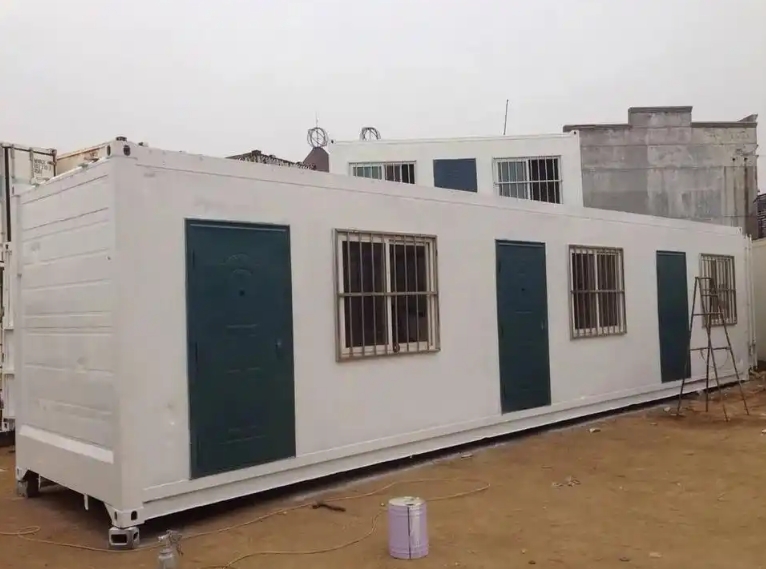
Cost-Effectiveness of Shipping Container Homes
Shipping container homes are cheaper than regular houses. They usually cost between $10,000 and $50,000. Regular homes often start at $200,000 or more. This big price difference makes container homes great for saving money.
These homes are affordable because they need fewer materials and workers. The main structure is already made, so building is faster. Quick construction also means lower labor costs. This makes them a good choice for people on a budget.
If you want a home that’s cheap and easy to customize, a shipping container home could be perfect.
Durability and Strength of Shipping Container Homes
Shipping container homes are very strong and last a long time. They are built to handle bad weather and heavy loads. This makes them a good choice for long-term living.
Studies show that reused containers stay strong even after changes. For example, a project in Virginia Beach proved how tough and eco-friendly these homes can be.
"Shipping containers are known for being easy to move and quick to set up."
If you need a strong and reliable home, a shipping container home is a great option.
Eco-Friendliness and Sustainability of Shipping Container Homes
Shipping container homes are good for the planet. They reuse old containers, which cuts down on waste. This also means fewer new materials are needed, lowering the home's carbon footprint.
Many of these homes use green features like solar panels and roofs with plants. These features save energy and lower bills. Some benefits include:
Less waste by reusing materials instead of throwing them away.
Energy-saving designs that cut utility costs.
Using renewable energy to help the environment.
For people who care about the Earth, container homes are a smart and sustainable choice.
Speed and Efficiency of Prefabricated Shipping Container Homes
Prefabricated container homes are built quickly and efficiently. Regular homes can take months or years to finish. But container homes can be ready in just weeks. This makes them great for people who need a home fast.
Research shows that building off-site reduces pollution and saves resources. For example:
If you need a quick and eco-friendly home, prefabricated container homes are a smart choice.
Unique Aesthetic Appeal of Shipping Container Homes
Shipping container homes look modern and different. Their industrial style is great for people who want something unique. You can design them to match your style, whether simple or fancy.
Their small size makes them popular for tiny home fans. You can customize them to fit your needs and personality.
If you want a stylish and functional home, a shipping container home is a cool alternative to regular houses.
Cons of a Shipping Container Home

Insulation and Temperature Control in Shipping Container Homes
Keeping a shipping container home comfy in extreme weather is hard. Steel absorbs heat in summer and loses it fast in winter. Without good insulation, it can feel too hot or too cold.
Thicker and better-quality insulation works best for temperature control. For example, studies show thicker panels improve insulation. Here's a simple table:
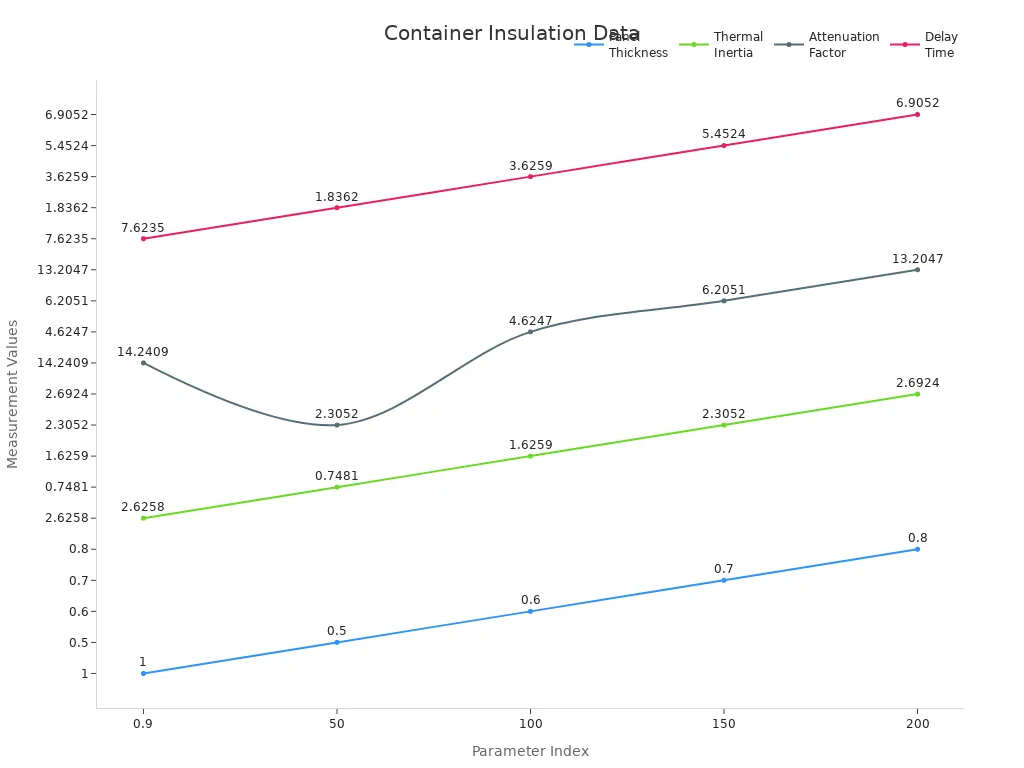
If you want a cozy container home, invest in good insulation. This adds to the cost and makes the project harder.
Zoning and Building Code Challenges for Shipping Container Homes
Building a container home can be tricky due to zoning rules. Many places don’t have clear laws for these homes. You might face limits on where or how to build.
Some areas don’t allow container homes in neighborhoods. Before starting, check local rules and hire experts if needed. This can slow down your project and cost more money.
Hidden Costs of Shipping Container Homes
Container homes seem cheap but often have hidden costs. Preparing the land can be pricey. Here’s a simple cost list:
You’ll also pay for plumbing, electricity, and insulation. These extras can make the total cost close to a regular house.
Space and Design Limitations in Shipping Container Homes
Container homes are small, which can be good or bad. If you like tiny spaces, they’re cozy. But fitting everything you need can be tough.
Studies show people adapt to small spaces but suggest design changes. For example:
Adding more containers or levels helps but raises costs.
Maintenance and Structural Modifications in Shipping Container Homes
Taking care of a container home can be harder than expected. Steel is strong but rusts in wet areas. You’ll need to treat it often to stop corrosion.
Cutting windows or doors weakens the structure. You’ll need to reinforce these parts, which costs more and takes time.
If you don’t want ongoing maintenance or extra work, a container home might not be for you.
Shipping container homes are a different choice from regular houses. They cost less, are better for the planet, and are built fast. They also need less upkeep. Unlike regular homes, they reuse materials and create less trash. Check out this simple comparison:
But don’t forget the downsides. Problems like poor insulation, zoning rules, and small spaces can be tough. If you want a small, eco-friendly home, think about the good and bad. This will help you decide if a container home is right for you.
FAQ
How long does a shipping container home last?
If cared for well, it can last 25-50 years. Protecting the steel from rust makes it last longer.
Can you make a shipping container home bigger later?
Yes, you can add more containers or levels. But this needs good planning and extra money for changes.
Are shipping container homes safe in bad weather?
Yes, they are very strong and handle storms well. Adding extra support makes them even safer during harsh weather.