




Shipping container homes are changing how people think about housing. In 2025, their market value is growing fast. It is expected to rise from $62.73 billion in 2024 to $67.03 billion in 2025. This growth shows they are cheap and good for the planet. These homes use recycled steel, which cuts down on waste. They provide a green way to live. You can find them in cities and the countryside. They help lower housing costs and support eco-friendly living.
Key Takeaways
Container homes cost less and are good for the environment. They are a great option for families saving money.
These homes encourage people to live together by offering shared areas. This helps neighbors bond and make friends.
Cool designs and smart gadgets make container homes comfy and useful. They fit well with today’s way of living.
Why Shipping Container Home Communities Are Thriving in 2025
Economic factors driving the rise of container homes
Container homes solve many modern housing problems. They are cheaper than regular houses. Building them needs fewer materials and less work. This makes them a good choice for people on a budget. Both buyers and renters like their low cost.
The market for these homes is growing quickly. Experts predict it will grow 7.14% each year until 2030. By 2032, the market could be worth $117.49 billion. This shows more people want these homes. You can also design container homes to fit your style. This makes them even more popular.
Sustainability and environmental benefits of shipping container houses
Container homes are better for the environment than regular houses. They reuse old shipping containers, which means less waste. This also saves resources and lowers pollution from building.
Studies show container homes cause less global warming than normal houses. For example, container homes have a GWP of 14.2 Kg/m²/a. Regular houses have a GWP of 48.9 Kg/m²/a. They also create less trash, making them a green choice for eco-friendly people.
Reusing containers cuts down on building waste.
Container homes pollute less than regular houses.
Energy-saving designs make them even greener.
Social trends favoring minimalist and community living
In 2025, people like simple living and being part of a community. Container homes are small and focus on what you need most. This simple way of living is great for people who value experiences over things.
Shared living spaces are also becoming more popular. These spaces help people connect and feel like they belong. Groups like ULI and JLL report that coliving is growing, especially in cities. These spaces solve housing problems and bring people together.
Container homes match these trends perfectly. They are cheap, eco-friendly, and support community living.
Key Benefits of Shipping Container Homes
Affordable and budget-friendly housing
Shipping container homes are a cheaper way to live. They use fewer materials and need less work to build. Families with tight budgets can save money with these homes. They are affordable but still provide comfort.
Studies show container homes save money in many ways:
They lower housing costs, which take up most family budgets.
Building, upkeep, and utility bills are cheaper than regular homes.
Families can spend less on housing and save more overall.
These homes are not just a trend. They are a smart, low-cost housing choice.
Environmentally friendly and less wasteful
Container homes are great for the planet. They reuse old shipping containers, cutting down on waste. Modular designs used in these homes create up to 90% less trash. This is because they are built in factories, where materials are managed better.
Also, container homes are built faster, saving energy and resources. These green building methods meet the growing need for eco-friendly housing. This makes them a top pick for people who care about the environment.
Encouraging community and shared spaces
Container home neighborhoods bring people together. They help build strong communities where neighbors support each other. For example, in Kansas City, container home areas are made to connect people.
Shared spaces like gardens, work areas, and play zones are part of the design. These spaces use small areas wisely and help people feel included. In East London, 41 containers were turned into workspaces, showing how useful they can be.
Choosing a container home means choosing a lifestyle. It’s about living sustainably and being part of a community.
Innovative Designs and Technologies in Shipping Container Homes
Modular and prefabricated construction advancements
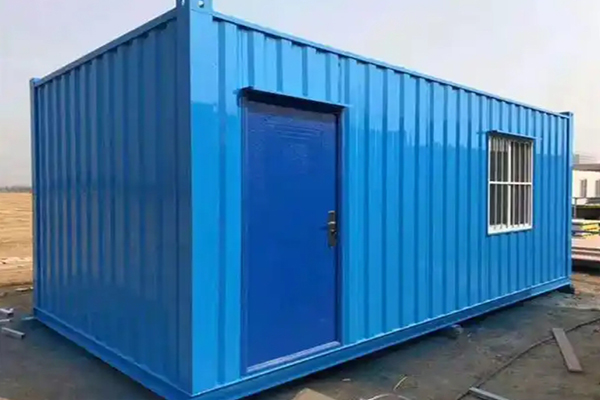
New building methods have changed how container homes are made. Homes are built in factories and then moved to the site. This saves time and causes less trouble for nearby areas. Building in factories also uses fewer materials and saves energy.
Factory-built homes create much less waste.
They use energy better, helping the environment.
They lower the carbon footprint of construction.
Container homes are affordable, strong, and can be designed to fit your style.
These new methods make container homes a smart and eco-friendly choice for today’s world.
Integration of smart home technologies in container homes
Smart technology is making container homes more advanced and easy to live in. Things like automatic lights, temperature controls, and security systems add comfort. Solar panels and wind turbines can also be added for off-grid living.
Automatic systems save energy and lower bills.
Smart tools make homes safer with better security.
Solar power and wind energy help the planet.
These features attract people who love technology and care about the environment.
Architectural innovations maximizing space and comfort
Better designs have made container homes more useful and cozy. Creative layouts make the most of every inch of space. Projects like 'Pop-Brixton' and 'Artworks Elephant' show how these homes can bring people together and solve housing problems.
Special insulation keeps homes warm or cool as needed.
Foldable furniture and open spaces make rooms flexible.
Designs that focus on community help people connect and feel at home.
These ideas show that container homes can be stylish, practical, and great for modern living.
Challenges Facing Shipping Container Home Communities
Regulatory and zoning barriers for container homes
Understanding zoning laws is a big challenge for container homes. Many areas don’t know how to classify these homes. This causes delays in getting projects approved. Permits are also hard to get because of strict rules. Builders must follow safety and structure standards, which take time. Inspections during building slow things down even more.
It’s important to learn local rules before starting a project. These rules change often and differ by location. Staying updated is key to avoiding problems.
Overcoming societal skepticism and stigma
Some people think container homes are cheap or not good quality. This makes it hard for these homes to be accepted everywhere. Both cities and rural areas may have doubts about them. The small market for these homes also makes selling them harder. This can lower their value as an investment.
To fix this, show how strong, affordable, and green these homes are. Sharing successful projects and cool designs can change opinions. As more people like simple and eco-friendly living, these homes are becoming more accepted.
Addressing climate-specific design and functionality issues
Making container homes work in all climates needs planning. Bad insulation and airflow can make them too hot or cold. Better insulation and energy-saving systems can fix this. Adding solar panels or wind turbines can make them eco-friendly and off-grid.
After disasters, container homes have been used as temporary housing. Studies show they need better designs for long-term use. By improving these homes, they can be comfy and good for the planet.
The Future of Shipping Container Home Communities

Urban and rural adoption trends for container homes
More people are using container homes in cities and rural areas. Cities like them because they solve housing problems and save money. In rural places, they are cheap and eco-friendly for families and businesses. The market for these homes is expected to grow from $64.2 billion in 2023 to $121.6 billion by 2033. This is a yearly growth rate of 6.6%.
Reusing one container saves 3,500 kilograms of steel. It also stops 12,000 kilograms of CO₂ from being released. This makes container homes a green and affordable choice for many places.
In Latin America, countries like Brazil and Mexico are using more container homes as cities grow. In North America, businesses are using modular containers because remote work is increasing.
Addressing housing shortages with shipping container houses
Container homes help fix housing problems in crowded cities. Places like Lagos have too many people and not enough homes. Turning containers into homes is faster and cheaper than building regular houses.
These homes are strong, quick to build, and good for the planet. They are a smart way to solve housing issues worldwide.
Role in sustainable urban planning and rural revitalization
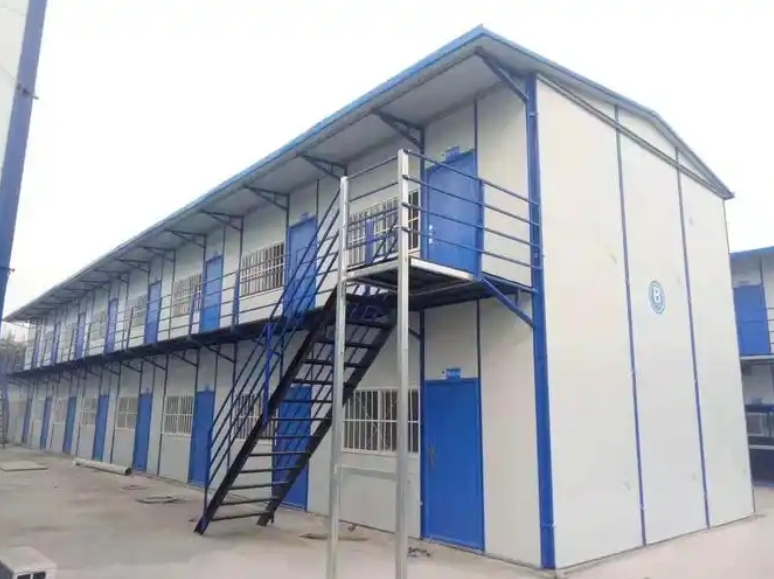
Container home communities help cities and rural areas grow in a green way. They use fewer resources and create less waste, which supports eco-friendly goals. In cities, they fit well with plans for greener living. They are also easy to move and change when needed.
In rural areas, container homes bring new life by offering cheap housing and building communities. Their design makes them easy to set up, even where infrastructure is poor. By reusing materials, they support a circular economy and reduce the need for new resources.
The rise of container homes shows they can solve housing problems and support green living.
Shipping container home neighborhoods change how we think about homes. They give cheaper housing that helps the planet and builds friendships. Picking container homes means choosing a green and useful way to live. These homes make low-cost living easy and fit today’s needs.
FAQ
Why are shipping container homes a good housing option?
Container homes are cheap, eco-friendly, and easy to design. They are a smart choice for people wanting green housing.
Are shipping container homes strong and safe?
Yes, they are made from tough steel and follow safety rules. Good insulation and changes make them comfy in all weather.
Can you design shipping container homes your way?
Yes, you can change layouts, add smart tools, and go green. These homes fit your style and help the planet.