

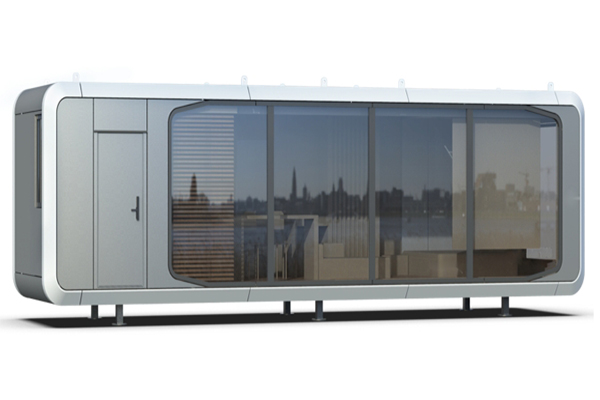

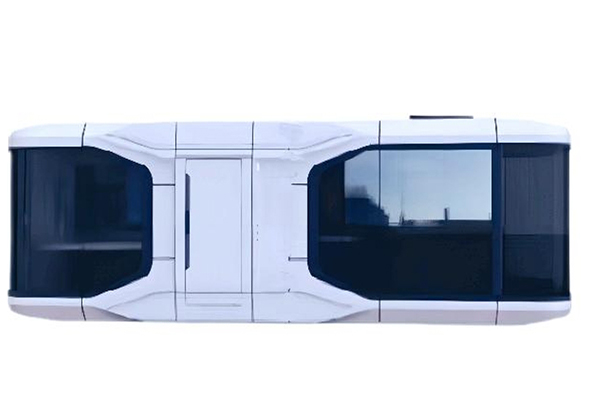
I’ve seen how shipping container homes are reshaping the concept of sustainable living. These innovative structures offer a perfect blend of eco-friendliness and affordability. By repurposing materials, they reduce waste and conserve resources. Constructing a shipping container house can save up to 3,500 kilograms of steel, while its energy efficiency surpasses traditional homes by 40-60%. With their modular designs, these homes redefine eco-friendly housing, addressing the growing need for adaptable and stylish living spaces in an era of housing shortages.
Key Takeaways
Shipping container homes are cheaper, costing $10,000 to $35,000. This is much less than regular houses.
These homes help the planet by reusing materials and cutting waste. They save energy, lowering bills by up to 70%.
Their modular design lets people customize them easily. They can fit different needs and places.
Benefits of Eco-Friendly Container Homes

Affordability and Cost Savings
Eco-friendly container homes offer a cost-effective solution for modern housing. I’ve seen how building a shipping container house can cost as little as $10,000 to $35,000, compared to the $200,000 starting price of traditional homes. This affordability stems from the large-scale production of shipping containers, which reduces material costs. Additionally, container houses often have lower property taxes and utility bills, making them an economical choice for long-term living.
Factors like location, labor, and permits can influence costs, but modular shipping container homes remain a budget-friendly option. Their affordability makes them accessible to individuals and families seeking sustainable living solutions without compromising on quality or style.
Sustainability and Reduced Waste
Eco-friendly container homes excel in sustainability by repurposing materials and reducing waste. Constructing a shipping container house requires fewer resources than traditional homes, minimizing energy consumption during the building process. By reusing shipping containers, these homes prevent steel waste from ending up in landfills, significantly lowering their environmental impact.
Proper insulation and the integration of solar systems can enhance energy efficiency, reducing utility costs by up to 70%. This combination of eco-friendliness and energy savings makes modern container homes a standout example of sustainable architecture.
Durability and Weather Resistance
Shipping container homes are built to last. Designed to withstand harsh conditions during transport, these structures offer exceptional durability. I’ve read about a coastal container house that remained intact during hurricanes, while nearby conventional buildings suffered damage. Similarly, a mountain retreat built from containers survived an earthquake, proving its resilience in seismic zones.
The robust steel construction of these homes ensures they can endure extreme weather, making them a reliable choice for sustainable living in diverse climates.
Portability and Adaptability
One of the most impressive features of eco-friendly container homes is their portability. These homes can be transported with minimal effort, making them ideal for dynamic industries like construction and mining. I’ve noticed their growing popularity in cities like Vancouver and Ottawa, where regulations now support their use for residential expansion.
Their adaptability extends beyond housing. Shipping containers are used for offices, retail spaces, and even emergency shelters due to their modular design. Whether as tiny homes or luxury villas, container houses provide versatile and sustainable solutions for various needs.
Innovative Features of Shipping Container Homes

Modular and Stackable Designs
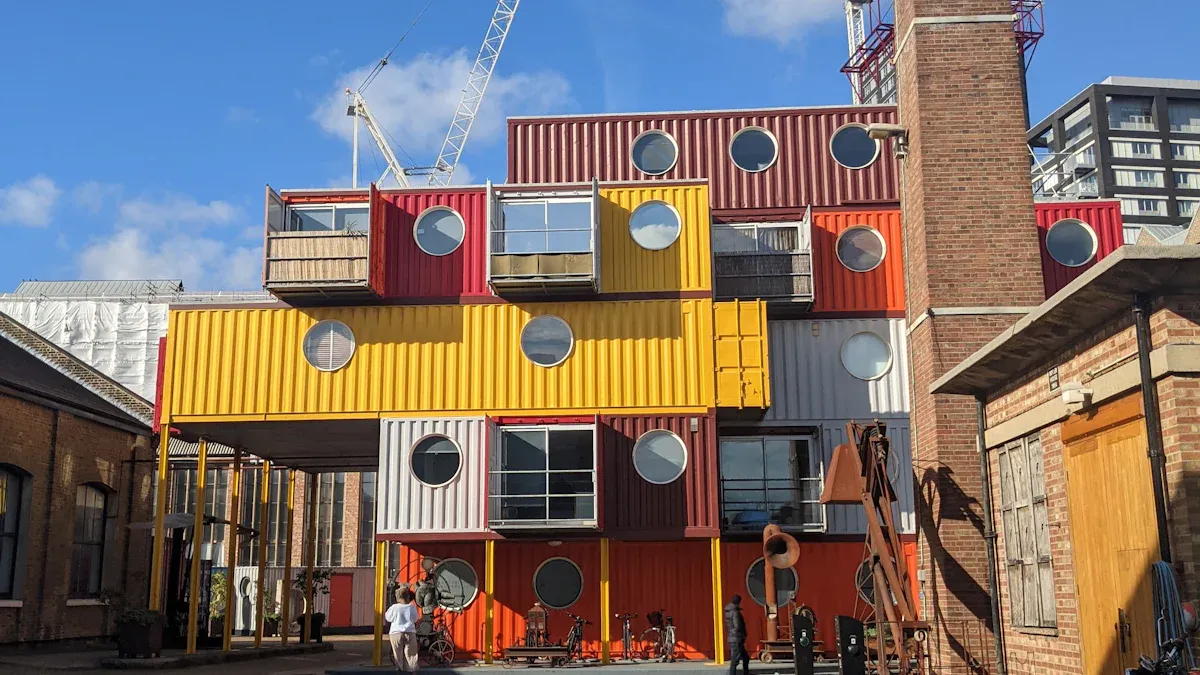
I’ve always admired the modular nature of shipping container homes. Their stackable design allows for endless architectural possibilities. These containers, originally engineered for vertical stacking during transport, feature a lip at the front and back that ensures secure placement. This design makes them ideal for creating multi-level structures, whether for residential or commercial use.
"Shipping containers are engineered to function as vertically stackable units, ensuring stability and durability in multi-story designs."
The affordability and sustainability of modular shipping container homes further enhance their appeal. Repurposing idle containers reduces waste while offering a cost-effective solution for sustainable living.
Modular Design: Containers can be mixed, matched, and stacked to create unique layouts.
Engineering for Stackability: Their structural integrity supports multi-level construction.
Customizable Interiors
Eco-friendly container homes stand out for their customizable interiors. I’ve seen how these spaces can be tailored to meet diverse needs, from cozy homes to functional workspaces. For instance, construction site housing often includes private bedrooms and communal areas, boosting worker satisfaction and productivity.
This flexibility ensures that container houses can adapt to any lifestyle, making them a versatile choice for modern living.
Integration of Green Technologies
Modern container homes embrace green technologies to promote eco-friendly living. I’ve noticed how features like solar panels and advanced insulation enhance energy efficiency. For example, after the Christchurch earthquake, shipping containers were converted into insulated temporary homes, showcasing their adaptability and environmental benefits.
Emergency Housing Systems: Lightweight, portable, and recyclable materials improve sustainability.
Solar Panels: On-site electricity generation reduces reliance on traditional energy sources.
Insulation: Advanced materials achieve R-values of R19 in walls and R30 in ceilings, exceeding recommended levels.
These innovations make eco-friendly container homes a benchmark for sustainable architecture.
Stylish and Modern Aesthetics
The aesthetics of modern container homes have evolved significantly. Open-concept layouts, oversized windows, and stylish cladding create spaces that feel expansive and inviting. I’ve seen how blending outdoor and indoor spaces enhances both functionality and curb appeal.
These design trends not only elevate the visual appeal of container houses but also align them with contemporary living standards.
Addressing Challenges of Shipping Container Homes

Insulation and Temperature Control
Eco-friendly container homes often face challenges with insulation and temperature regulation. I’ve learned that without proper insulation, these homes can become uncomfortably hot in summer and cold in winter. High-quality insulation materials, such as spray foam or panel insulation, are essential for maintaining stable indoor temperatures. Insulation technology also plays a critical role in energy efficiency, reducing the overall environmental impact of these homes.
The choice of insulation materials directly affects thermal performance. For example, spray foam insulation not only provides excellent thermal resistance but also seals gaps, preventing air leakage. This ensures that modern container homes remain comfortable and energy-efficient, even in extreme climates. Proper insulation transforms container houses into sustainable living spaces that align with eco-friendly principles.
Zoning and Legal Restrictions
Navigating zoning and legal restrictions is another hurdle for shipping container homes. Local building codes and regulations often dictate whether a shipping container house can be constructed in a specific area. I’ve seen cases where deed restrictions or outdated codes have delayed projects. However, as these homes gain popularity, regulatory bodies are adapting.
For instance, the International Code Council (ICC) introduced the G5-2019 guidelines, which provide recommendations for using shipping containers as buildings. Compliance with these updated codes ensures that modular shipping container homes meet safety and legal standards. Researching local regulations before starting construction is crucial to avoid unexpected setbacks.
Space and Comfort Misconceptions
Many people assume that container houses lack space and comfort. I’ve found this to be a common misconception. While shipping containers have a fixed size, their modular design allows for creative layouts. By combining multiple containers, homeowners can create spacious interiors tailored to their needs.
Customizable interiors further enhance comfort. Features like open-concept layouts, oversized windows, and multifunctional spaces make eco-friendly container homes feel expansive. These design elements prove that container houses can offer both style and functionality, debunking myths about cramped living conditions.
Environmental Criticisms and Solutions
Despite their eco-friendly reputation, shipping container homes face some environmental criticisms. Critics argue that the energy required to modify containers offsets their sustainability benefits. However, I’ve seen how effective insulation and green technologies address these concerns.
Reusing shipping containers reduces waste and utilizes a readily available resource. The environmental impact varies by climate, with colder regions often seeing greater benefits. Advanced insulation materials improve thermal performance, minimizing energy usage. These solutions ensure that container houses remain a sustainable choice for modern living.
Trends in Shipping Container Homes for 2025
Smart Home Integration
I’ve noticed a growing trend of integrating smart technologies into shipping container homes. Features like automated lighting, climate control, and security systems are becoming standard. These innovations enhance convenience and energy efficiency, aligning with the future of eco-friendly container homes. For instance, smart thermostats optimize energy use, reducing costs and environmental impact. This trend reflects the shift toward sustainable living, where technology plays a pivotal role in creating environmentally friendly spaces.
Urban and Rural Applications
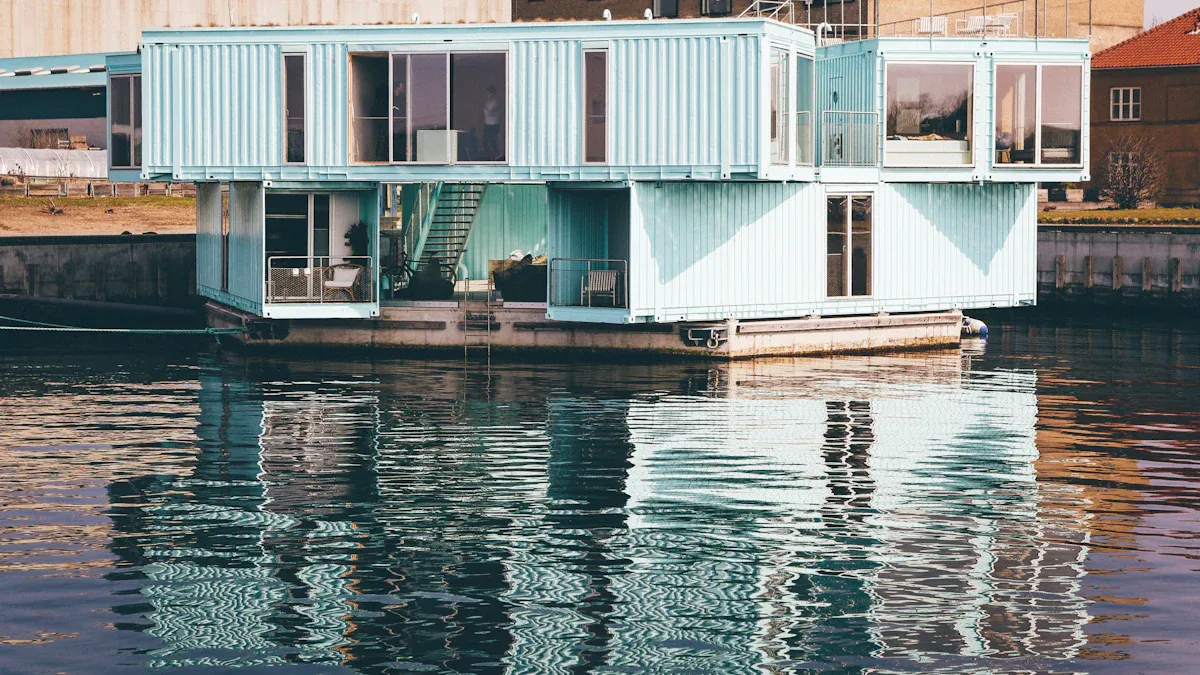
The adaptability of shipping containers makes them suitable for both urban and rural environments. In cities, multi-container homes can be stacked to maximize space, addressing housing shortages. In rural areas, they serve as standalone residences or community hubs, showcasing their design flexibility. I’ve seen how foldable container houses simplify transportation and assembly, making them ideal for remote locations. This versatility ensures that container homes meet diverse needs, from compact urban apartments to expansive rural retreats.
Affordable Housing Initiatives
Shipping container homes are revolutionizing affordable housing. A project in West Palm Beach, for example, uses containers to create budget-friendly apartments for individuals earning 60% to 100% of the area median income. Starting at $24,000, these homes offer a cost-effective solution to housing shortages. By repurposing materials, they also promote sustainable building practices, reducing environmental concerns while addressing economic challenges.
Contribution to Global Sustainability Goals
The future of shipping container homes aligns with global sustainability goals. By utilizing recycled materials and minimizing waste, these homes embody sustainable building practices. The market, projected to grow to $67.03 billion in 2025, reflects increasing demand for eco-friendly housing. This trend underscores the role of container homes in fostering sustainable living and addressing environmental concerns on a global scale.
Shipping container homes have redefined sustainable living by combining affordability, adaptability, and eco-conscious design. Their ability to address housing shortages while reducing environmental impact is remarkable. For instance, the Lagos Housing Solutions project uses containers to meet housing demands sustainably.
These homes not only solve modern housing challenges but also align with global sustainability goals, paving the way for a greener future.
FAQ
What are the main advantages of shipping container homes?
Shipping container homes offer affordability, sustainability, and durability. Their modular design allows for customization, while repurposing containers reduces waste and promotes eco-friendly living.
How long does it take to build a shipping container home?
I’ve seen projects completed in as little as 2-3 months. The timeline depends on customization, permits, and construction complexity.
Are shipping container homes safe to live in?
Yes, they are safe. Proper insulation, ventilation, and structural modifications ensure comfort and safety in diverse climates and conditions.